Keep him interested without people-pleasing
When a connection fades after intimacy, it’s often a biological trap. Learn why men pull away and how to set boundaries that build lasting attraction.

Keep him interested without people-pleasing 베스트 인용
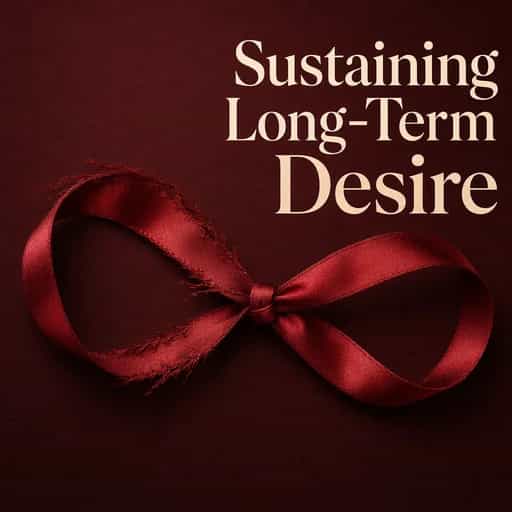
Real attraction requires a level of erotic intelligence, which involves maintaining your own autonomy and boundaries. If there’s no distance, there’s no room for the spark to jump across.
Generated by Britt
How to keep men interested after having sex. How to not be a people pleaser l. How to not get taken advantage of



자주 묻는 질문
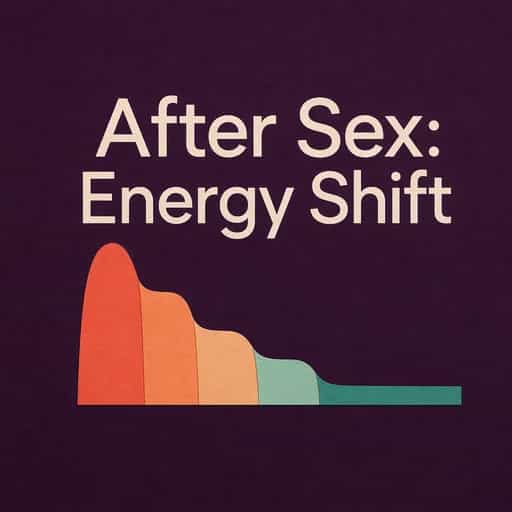
This shift is often caused by a biological "dopamine trap." In the early stages of a connection, the brain is in a state of limerence, producing massive spikes of dopamine driven by novelty and uncertainty. Once a relationship becomes predictable or a "sure thing," the brain naturally stops producing those same chemical highs. This isn't necessarily a sign that love is fading, but rather a biological transition into the "trust phase," where the focus shifts from chemical intensity to emotional reliability.
People-pleasing often stems from a "fawn" response, which is a survival strategy used to avoid rejection by being perfectly accommodating. However, this behavior creates a "mask" that prevents true intimacy. Intimacy requires two distinct individuals with their own needs and boundaries; if you are always saying yes and acting as a mirror for your partner, you lose your "otherness." Without that sense of a separate, autonomous self, the mystery and "spark" necessary for long-term desire eventually disappear.
Self-expansion is the fundamental human drive to grow, learn new skills, and broaden one's identity. In a relationship, passion is often sustained when both partners continue to grow as individuals rather than becoming "static." By prioritizing your own hobbies, goals, and boundaries, you remain a distinct and evolving person in your partner's eyes. This creates the necessary "distance" for desire to flourish and prevents the relationship from falling into a stagnant, service-oriented rut.
Setting boundaries is an act of self-respect that actually protects the relationship from the resentment that eventually kills connection. To do this effectively, use "I" statements to express your needs directly and clearly without attacking the other person. It is important to recognize that the guilt you feel when saying "no" is often just a "false alarm" from your nervous system because you are breaking an old habit. Staying firm and avoiding over-explanation shows that your time and energy have value.
Controlled detachment is a psychological framework where your self-worth is not 100% dependent on your partner’s moods or actions. It involves refusing to play the role of a "detective" or "emotional janitor" who monitors or manages a partner's behavior. By staying centered in your own life and maintaining emotional independence, you signal that your presence is a privilege rather than a right. This mindset shifts the narrative from being a victim of someone's choices to being a sovereign individual who chooses absence if disrespect occurs.
샌프란시스코에서 컬럼비아 대학교 동문들이 만들었습니다
"Instead of endless scrolling, I just hit play on BeFreed. It saves me so much time."


"I never knew where to start with nonfiction—BeFreed’s book lists turned into podcasts gave me a clear path."


"Perfect balance between learning and entertainment. Finished ‘Thinking, Fast and Slow’ on my commute this week."
"Crazy how much I learned while walking the dog. BeFreed = small habits → big gains."
"Reading used to feel like a chore. Now it’s just part of my lifestyle."

"Feels effortless compared to reading. I’ve finished 6 books this month already."
"BeFreed turned my guilty doomscrolling into something that feels productive and inspiring."

"BeFreed turned my commute into learning time. 20-min podcasts are perfect for finishing books I never had time for."
"BeFreed replaced my podcast queue. Imagine Spotify for books — that’s it. 🙌"

"It is great for me to learn something from the book without reading it."
"The themed book list podcasts help me connect ideas across authors—like a guided audio journey."
"Makes me feel smarter every time before going to work"
샌프란시스코에서 컬럼비아 대학교 동문들이 만들었습니다
"Instead of endless scrolling, I just hit play on BeFreed. It saves me so much time."
"I never knew where to start with nonfiction—BeFreed’s book lists turned into podcasts gave me a clear path."
"Perfect balance between learning and entertainment. Finished ‘Thinking, Fast and Slow’ on my commute this week."
"Crazy how much I learned while walking the dog. BeFreed = small habits → big gains."
"Reading used to feel like a chore. Now it’s just part of my lifestyle."
"Feels effortless compared to reading. I’ve finished 6 books this month already."
"BeFreed turned my guilty doomscrolling into something that feels productive and inspiring."
"BeFreed turned my commute into learning time. 20-min podcasts are perfect for finishing books I never had time for."
"BeFreed replaced my podcast queue. Imagine Spotify for books — that’s it. 🙌"
"It is great for me to learn something from the book without reading it."
"The themed book list podcasts help me connect ideas across authors—like a guided audio journey."
"Makes me feel smarter every time before going to work"
"Instead of endless scrolling, I just hit play on BeFreed. It saves me so much time."
"I never knew where to start with nonfiction—BeFreed’s book lists turned into podcasts gave me a clear path."
"Perfect balance between learning and entertainment. Finished ‘Thinking, Fast and Slow’ on my commute this week."
"Crazy how much I learned while walking the dog. BeFreed = small habits → big gains."
"Reading used to feel like a chore. Now it’s just part of my lifestyle."
"Feels effortless compared to reading. I’ve finished 6 books this month already."
"BeFreed turned my guilty doomscrolling into something that feels productive and inspiring."
"BeFreed turned my commute into learning time. 20-min podcasts are perfect for finishing books I never had time for."
"BeFreed replaced my podcast queue. Imagine Spotify for books — that’s it. 🙌"
"It is great for me to learn something from the book without reading it."
"The themed book list podcasts help me connect ideas across authors—like a guided audio journey."
"Makes me feel smarter every time before going to work"
"Instead of endless scrolling, I just hit play on BeFreed. It saves me so much time."
"I never knew where to start with nonfiction—BeFreed’s book lists turned into podcasts gave me a clear path."
"Perfect balance between learning and entertainment. Finished ‘Thinking, Fast and Slow’ on my commute this week."
"Crazy how much I learned while walking the dog. BeFreed = small habits → big gains."
"Reading used to feel like a chore. Now it’s just part of my lifestyle."
"Feels effortless compared to reading. I’ve finished 6 books this month already."
"BeFreed turned my guilty doomscrolling into something that feels productive and inspiring."
"BeFreed turned my commute into learning time. 20-min podcasts are perfect for finishing books I never had time for."
"BeFreed replaced my podcast queue. Imagine Spotify for books — that’s it. 🙌"
"It is great for me to learn something from the book without reading it."
"The themed book list podcasts help me connect ideas across authors—like a guided audio journey."
"Makes me feel smarter every time before going to work"




![Facing Codependence [ABRIDGED]](/_next/image?url=https%3A%2F%2Fd3lvzgn0lx7rb2.cloudfront.net%2Fcovers%2F1d91cc59-653c-487c-bb06-0a03ac09820d%2Fimage_resized.webp&w=1024&q=50)