Iran’s Soft War: Cinema, Power, and Propaganda
Explore how the Islamic Republic uses thrillers and music videos to bridge a massive generational divide and maintain its revolutionary grip through media.

Iran’s Soft War: Cinema, Power, and Propaganda 베스트 인용
The veterans are the ones saying, 'maybe we shouldn't arrest kids for their hair style because we’re just pushing them into the arms of the opposition.' They look at the civil war in Syria and think, 'if we don't adapt, if we don't find a way to make these kids feel like they belong to our system, we’re going to end up in a bloody collapse.'

이 오디오 레슨은 BeFreed 커뮤니티 멤버가 만들었습니다
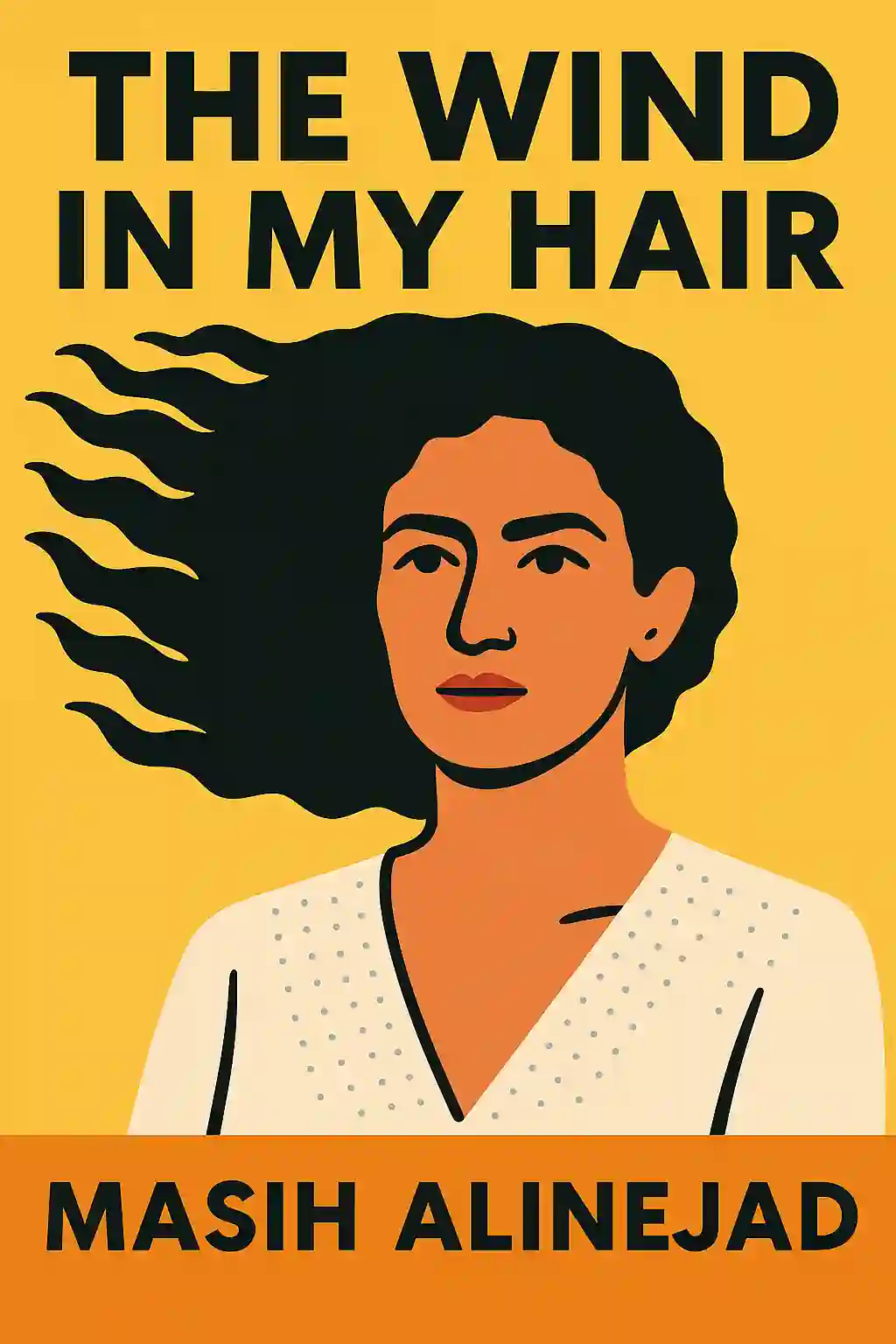
Based off Bajoghli’s books on iran

자주 묻는 질문
The 1979 Revolution is viewed as a messy period involving various competing factions, including Marxists and liberals. In contrast, the Iran-Iraq War (the "Sacred Defense") served as a "crucible" that forged the Revolutionary Guard and the Basij into their current form through eight years of existential struggle. While the state promotes a glorious version of "holy defense" to recruit youth, veterans often maintain a more grounded, horrific memory of the conflict, using it as a master narrative for their heroism and the defense of the nation against the world.
Recognizing that traditional religious propaganda is often ignored by the youth, pro-regime media producers are shifting toward "cinematic persuasion" and nationalism. They are moving away from official state-run television (IRIB) to create smaller, "independent-looking" studios that hide the state's fingerprints. This strategy includes using "underground" marketing tactics, producing high-budget music videos featuring rappers, and creating thrillers that focus on national security and "defending the motherland" rather than pure religious ideology.
These terms represent the "pedigree of power" in Iran, where Khodi refers to "insiders" and Gheyr-e Khodi refers to "outsiders." Being an insider is determined by one's history, family, and service to the revolution or war, providing individuals with legal, material, and social protections. However, this boundary is shifting and narrowing; even war heroes can be cast out and treated as outsiders if they challenge the current political line, leading to significant internal resentment among veterans who feel the system has been hijacked by ideological opportunists.
The "politics of fear" is a tactic used by the regime to maintain compliance by highlighting the chaos in neighboring countries like Syria and Iraq. Media producers frame the Revolutionary Guard and figures like General Qassem Soleimani as the only shield preventing "Islamic zombies" (ISIS/Daesh) from destroying Iran. By turning "security" into a supreme value that transcends politics, the state attempts to convince even anti-regime youth that the current system is a necessary evil to avoid a bloody national collapse.
While pivoting to nationalism helps the regime "borrow" the support of the youth during times of external threat, it creates a "thin veneer" of unity that can evaporate quickly. This strategy is risky because it downplays the original religious foundation of the Islamic Republic. When the state makes catastrophic errors—such as the shooting down of the Ukrainian airliner in 2020—the nationalist facade cracks, and the population's underlying grievances regarding the economy and lack of freedom resurface, turning "compliance" back into "defiance."
더 알아보기

Explore Iran's historical & modern evolution
Iran represents one of the world's oldest continuous civilizations with profound influence on global history, yet is often misunderstood through contemporary geopolitical lenses. This learning plan provides crucial historical context and cultural insights for anyone interested in Middle Eastern politics, international relations, or cultural studies.

US-Iran Conflict: Past, Present & Future
This plan is essential for anyone seeking to understand the most volatile relationship in modern geopolitics. It is ideal for students of international relations, policy professionals, or curious citizens wanting to look beyond the headlines at the roots of Middle Eastern conflict.

Politics
This plan provides a comprehensive overview of the forces that drive global and domestic stability. It is ideal for students, aspiring policymakers, or any citizen looking to understand the mechanics of power and the roots of modern political conflict.

Study MKUltra & manipulation techniques
In an era of information warfare and sophisticated social engineering, understanding the mechanics of influence is essential for mental sovereignty. This plan is designed for critical thinkers, history buffs, and anyone seeking to protect their cognitive independence from institutional and social manipulation.

The Machinery of Power and Resistance
This learning plan is essential for understanding the hidden structures that govern modern society and the mechanisms of political control. It is ideal for activists, political science students, and engaged citizens looking to navigate and challenge systemic inequality.

Grand Strategy and Imperial Intrigue
This learning plan bridge the gap between historical military doctrine and modern information warfare, offering a deep dive into the psychology of command and institutional design. It is essential for aspiring strategists, historians, and leaders who want to understand how human behavior and digital intelligence shape global power dynamics.

The Pulse of Power: How Empires Rise and Fall
This learning plan provides a comprehensive historical lens for understanding the cyclical nature of geopolitical dominance and systemic collapse. It is ideal for history enthusiasts, political science students, and strategic thinkers looking to apply historical patterns to contemporary global affairs.

The Mechanics of Chinese Global Influence
As China's global footprint expands, understanding its specific methods of influence is critical for policymakers, business leaders, and journalists. This plan provides a deep dive into the hybrid tactics used to project power, from grassroots co-optation to digital information warfare.
샌프란시스코에서 컬럼비아 대학교 동문들이 만들었습니다
"Instead of endless scrolling, I just hit play on BeFreed. It saves me so much time."


"I never knew where to start with nonfiction—BeFreed’s book lists turned into podcasts gave me a clear path."


"Perfect balance between learning and entertainment. Finished ‘Thinking, Fast and Slow’ on my commute this week."
"Crazy how much I learned while walking the dog. BeFreed = small habits → big gains."
"Reading used to feel like a chore. Now it’s just part of my lifestyle."

"Feels effortless compared to reading. I’ve finished 6 books this month already."
"BeFreed turned my guilty doomscrolling into something that feels productive and inspiring."

"BeFreed turned my commute into learning time. 20-min podcasts are perfect for finishing books I never had time for."
"BeFreed replaced my podcast queue. Imagine Spotify for books — that’s it. 🙌"

"It is great for me to learn something from the book without reading it."
"The themed book list podcasts help me connect ideas across authors—like a guided audio journey."
"Makes me feel smarter every time before going to work"
샌프란시스코에서 컬럼비아 대학교 동문들이 만들었습니다
"Instead of endless scrolling, I just hit play on BeFreed. It saves me so much time."
"I never knew where to start with nonfiction—BeFreed’s book lists turned into podcasts gave me a clear path."
"Perfect balance between learning and entertainment. Finished ‘Thinking, Fast and Slow’ on my commute this week."
"Crazy how much I learned while walking the dog. BeFreed = small habits → big gains."
"Reading used to feel like a chore. Now it’s just part of my lifestyle."
"Feels effortless compared to reading. I’ve finished 6 books this month already."
"BeFreed turned my guilty doomscrolling into something that feels productive and inspiring."
"BeFreed turned my commute into learning time. 20-min podcasts are perfect for finishing books I never had time for."
"BeFreed replaced my podcast queue. Imagine Spotify for books — that’s it. 🙌"
"It is great for me to learn something from the book without reading it."
"The themed book list podcasts help me connect ideas across authors—like a guided audio journey."
"Makes me feel smarter every time before going to work"
"Instead of endless scrolling, I just hit play on BeFreed. It saves me so much time."
"I never knew where to start with nonfiction—BeFreed’s book lists turned into podcasts gave me a clear path."
"Perfect balance between learning and entertainment. Finished ‘Thinking, Fast and Slow’ on my commute this week."
"Crazy how much I learned while walking the dog. BeFreed = small habits → big gains."
"Reading used to feel like a chore. Now it’s just part of my lifestyle."
"Feels effortless compared to reading. I’ve finished 6 books this month already."
"BeFreed turned my guilty doomscrolling into something that feels productive and inspiring."
"BeFreed turned my commute into learning time. 20-min podcasts are perfect for finishing books I never had time for."
"BeFreed replaced my podcast queue. Imagine Spotify for books — that’s it. 🙌"
"It is great for me to learn something from the book without reading it."
"The themed book list podcasts help me connect ideas across authors—like a guided audio journey."
"Makes me feel smarter every time before going to work"
"Instead of endless scrolling, I just hit play on BeFreed. It saves me so much time."
"I never knew where to start with nonfiction—BeFreed’s book lists turned into podcasts gave me a clear path."
"Perfect balance between learning and entertainment. Finished ‘Thinking, Fast and Slow’ on my commute this week."
"Crazy how much I learned while walking the dog. BeFreed = small habits → big gains."
"Reading used to feel like a chore. Now it’s just part of my lifestyle."
"Feels effortless compared to reading. I’ve finished 6 books this month already."
"BeFreed turned my guilty doomscrolling into something that feels productive and inspiring."
"BeFreed turned my commute into learning time. 20-min podcasts are perfect for finishing books I never had time for."
"BeFreed replaced my podcast queue. Imagine Spotify for books — that’s it. 🙌"
"It is great for me to learn something from the book without reading it."
"The themed book list podcasts help me connect ideas across authors—like a guided audio journey."
"Makes me feel smarter every time before going to work"