Iran-US War 2026: Conflict Scenarios and Geopolitical Analysis
Explore geopolitical analysis and conflict scenarios regarding a potential Iran-US war in 2026. Analyze military escalation risks and future foreign policy.

Iran-US War 2026: Conflict Scenarios and Geopolitical Analysis 베스트 인용
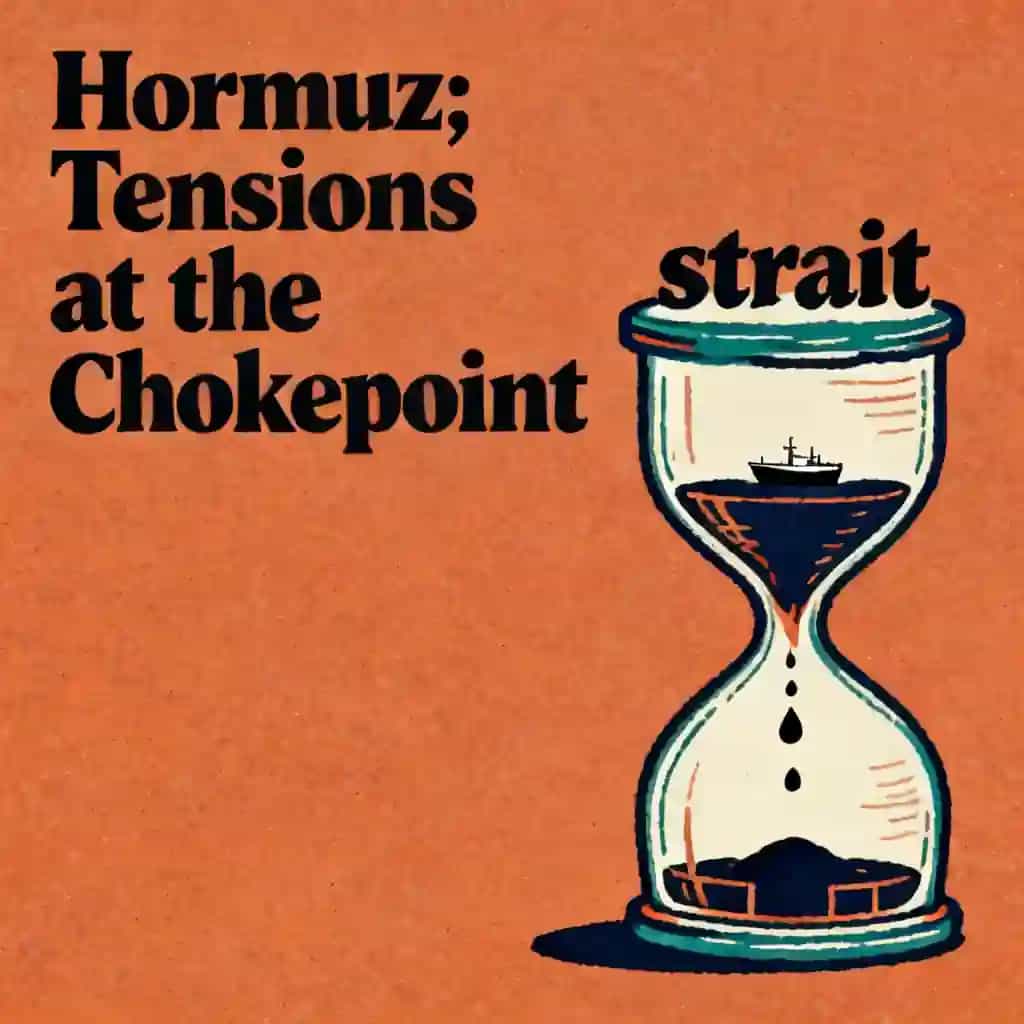
The Strait of Hormuz is the world's most consequential maritime chokepoint, and right now, it is a masterclass in how a smaller power can use the shape of the earth itself to neutralize a superpower's conventional edge.
Generated by Shreyas
Iran US war 2026

자주 묻는 질문
The primary drivers of a potential conflict in 2026 involve a complex mix of deteriorating US-Iran relations and shifting regional dynamics. Geopolitical forecasting suggests that military escalation could be triggered by breakdowns in nuclear diplomacy, maritime disputes in the Persian Gulf, or proxy confrontations. Analysts monitor these foreign policy shifts closely to determine if diplomatic avenues remain viable or if the trajectory toward a Middle East conflict is becoming inevitable due to systemic security dilemmas.
Geopolitical forecasting utilizes current military data and foreign policy trends to model various conflict scenarios for 2026. Experts examine the buildup of assets in the region and the rhetoric from both Washington and Tehran to gauge the likelihood of an intentional or accidental military escalation. By analyzing these variables, researchers can identify specific flashpoints that might lead to a full-scale Iran-US war, helping policymakers understand the high stakes involved in modern Middle East power struggles.
A major conflict between the US and Iran in 2026 would fundamentally reshape global foreign policy and international alliances. Such a military escalation would likely force global powers to take sides, impacting energy markets, trade routes, and diplomatic stability across the globe. Understanding these scenarios is crucial for anticipating how international relations might pivot in response to prolonged instability in the Middle East, as nations seek to balance their security interests with the economic realities of a wartime environment.
샌프란시스코에서 컬럼비아 대학교 동문들이 만들었습니다
"Instead of endless scrolling, I just hit play on BeFreed. It saves me so much time."


"I never knew where to start with nonfiction—BeFreed’s book lists turned into podcasts gave me a clear path."


"Perfect balance between learning and entertainment. Finished ‘Thinking, Fast and Slow’ on my commute this week."
"Crazy how much I learned while walking the dog. BeFreed = small habits → big gains."
"Reading used to feel like a chore. Now it’s just part of my lifestyle."

"Feels effortless compared to reading. I’ve finished 6 books this month already."
"BeFreed turned my guilty doomscrolling into something that feels productive and inspiring."

"BeFreed turned my commute into learning time. 20-min podcasts are perfect for finishing books I never had time for."
"BeFreed replaced my podcast queue. Imagine Spotify for books — that’s it. 🙌"

"It is great for me to learn something from the book without reading it."
"The themed book list podcasts help me connect ideas across authors—like a guided audio journey."
"Makes me feel smarter every time before going to work"
샌프란시스코에서 컬럼비아 대학교 동문들이 만들었습니다
"Instead of endless scrolling, I just hit play on BeFreed. It saves me so much time."
"I never knew where to start with nonfiction—BeFreed’s book lists turned into podcasts gave me a clear path."
"Perfect balance between learning and entertainment. Finished ‘Thinking, Fast and Slow’ on my commute this week."
"Crazy how much I learned while walking the dog. BeFreed = small habits → big gains."
"Reading used to feel like a chore. Now it’s just part of my lifestyle."
"Feels effortless compared to reading. I’ve finished 6 books this month already."
"BeFreed turned my guilty doomscrolling into something that feels productive and inspiring."
"BeFreed turned my commute into learning time. 20-min podcasts are perfect for finishing books I never had time for."
"BeFreed replaced my podcast queue. Imagine Spotify for books — that’s it. 🙌"
"It is great for me to learn something from the book without reading it."
"The themed book list podcasts help me connect ideas across authors—like a guided audio journey."
"Makes me feel smarter every time before going to work"
"Instead of endless scrolling, I just hit play on BeFreed. It saves me so much time."
"I never knew where to start with nonfiction—BeFreed’s book lists turned into podcasts gave me a clear path."
"Perfect balance between learning and entertainment. Finished ‘Thinking, Fast and Slow’ on my commute this week."
"Crazy how much I learned while walking the dog. BeFreed = small habits → big gains."
"Reading used to feel like a chore. Now it’s just part of my lifestyle."
"Feels effortless compared to reading. I’ve finished 6 books this month already."
"BeFreed turned my guilty doomscrolling into something that feels productive and inspiring."
"BeFreed turned my commute into learning time. 20-min podcasts are perfect for finishing books I never had time for."
"BeFreed replaced my podcast queue. Imagine Spotify for books — that’s it. 🙌"
"It is great for me to learn something from the book without reading it."
"The themed book list podcasts help me connect ideas across authors—like a guided audio journey."
"Makes me feel smarter every time before going to work"
"Instead of endless scrolling, I just hit play on BeFreed. It saves me so much time."
"I never knew where to start with nonfiction—BeFreed’s book lists turned into podcasts gave me a clear path."
"Perfect balance between learning and entertainment. Finished ‘Thinking, Fast and Slow’ on my commute this week."
"Crazy how much I learned while walking the dog. BeFreed = small habits → big gains."
"Reading used to feel like a chore. Now it’s just part of my lifestyle."
"Feels effortless compared to reading. I’ve finished 6 books this month already."
"BeFreed turned my guilty doomscrolling into something that feels productive and inspiring."
"BeFreed turned my commute into learning time. 20-min podcasts are perfect for finishing books I never had time for."
"BeFreed replaced my podcast queue. Imagine Spotify for books — that’s it. 🙌"
"It is great for me to learn something from the book without reading it."
"The themed book list podcasts help me connect ideas across authors—like a guided audio journey."
"Makes me feel smarter every time before going to work"