Discover the 5-step path to freedom from toxic relationship patterns that "honestly changed my life, forever." Krystal Mazzola's practical guide has readers raving: "It replaced years of therapy!" Ready to write that healing letter to your younger self?
Krystal Mazzola Wood is a licensed marriage and family therapist and the bestselling author of The Codependency Recovery Plan: A 5-Step Guide to Understand, Accept, and Break Free from the Codependent Cycle. She specializes in trauma recovery and relationship health, blending clinical expertise with hands-on guidance for overcoming codependency.
With a master’s degree in couples and family counseling, Mazzola Wood’s work is informed by over a decade of experience in outpatient and residential therapy settings. This includes training under codependency pioneer Pia Mellody at The Meadows, and her practice, The Healthy Relationship Foundation, is based in Phoenix.
Mazzola Wood amplifies her insights through her blog Confidently Authentic and a companion workbook, The Codependency Workbook: Simple Practices for Developing and Maintaining Your Independence. Her 2023 release, Setting Boundaries: 100 Ways to Protect Yourself, Strengthen Your Relationships, and Build the Life You Want…Starting Now!, further cements her authority in self-help literature. As a sought-after educator, she also offers a professional CE course on codependency recovery strategies. Her books have become essential tools in therapeutic settings, empowering readers worldwide to foster self-love and build resilient relationships.
The Codependency Recovery Plan provides a 5-step guide to breaking free from unhealthy relationship patterns by understanding codependency’s roots, establishing boundaries, and fostering self-love. It blends clinical expertise with personal stories and practical exercises like journal prompts and communication frameworks to help readers transition from people-pleasing to balanced interdependence.
This book suits individuals struggling with people-pleasing, emotional exhaustion from caregiving, or difficulty setting boundaries. Therapists and recovery coaches also use it as a supplemental resource for clients in codependency treatment programs.
Yes, reviewers praise its actionable strategies, relatable tone, and clear exercises. Licensed therapists highlight its value for clinical settings, while readers note its effectiveness in improving self-advocacy and reducing guilt around boundary-setting.
Mazzola provides worksheets to identify boundary violations and templates for phrases like “I need space to…” or “I can’t participate in…”. Case studies illustrate how to enforce limits in relationships while managing pushback from others.
Yes, it features 30+ exercises, including:
As a licensed therapist and codependency survivor, Mazzola combines clinical methods with firsthand insights into overcoming abusive family dynamics. This dual perspective creates a compassionate, authority-backed tone.
Yes, it addresses overcommitting to colleagues’ demands, fear of asserting opinions, and conflating professional success with others’ approval. Strategies include delegating tasks and reframing self-worth outside job performance.
Some readers note its focus on individual change over systemic factors (e.g., cultural norms enabling codependency). However, most agree the exercises provide tangible starting points for personal growth.
Unlike theoretical guides, Mazzola’s plan emphasizes daily practice through structured steps. It also integrates family systems theory – explaining how childhood roles (e.g., “the fixer”) shape adult relationships.
Mazzola offers a companion workbook (The Codependency Workbook) and blogs about boundary-setting techniques on her Confidently Authentic website.
저자의 목소리로 책을 느껴보세요
지식을 흥미롭고 예시가 풍부한 인사이트로 전환
핵심 아이디어를 빠르게 캡처하여 신속하게 학습
재미있고 매력적인 방식으로 책을 즐기세요
Codependency manifests as an imbalanced relationship dynamic.
The need to please others becomes paramount.
Recovery requires learning to detach.
Our authentic self is never truly lost.
These roles become prisons of expectation.
Codependent Relationship Recovery Plan의 핵심 아이디어를 이해하기 쉬운 포인트로 분해하여 혁신적인 팀이 어떻게 창조하고, 협력하고, 성장하는지 이해합니다.
Codependent Relationship Recovery Plan을 빠른 기억 단서로 압축하여 솔직함, 팀워크, 창의적 회복력의 핵심 원칙을 강조합니다.

생생한 스토리텔링을 통해 Codependent Relationship Recovery Plan을 경험하고, 혁신 교훈을 기억에 남고 적용할 수 있는 순간으로 바꿉니다.
무엇이든 물어보고, 목소리를 선택하고, 진정으로 공감되는 인사이트를 함께 만들어보세요.

샌프란시스코에서 컬럼비아 대학교 동문들이 만들었습니다
"Instead of endless scrolling, I just hit play on BeFreed. It saves me so much time."
"I never knew where to start with nonfiction—BeFreed’s book lists turned into podcasts gave me a clear path."
"Perfect balance between learning and entertainment. Finished ‘Thinking, Fast and Slow’ on my commute this week."
"Crazy how much I learned while walking the dog. BeFreed = small habits → big gains."
"Reading used to feel like a chore. Now it’s just part of my lifestyle."
"Feels effortless compared to reading. I’ve finished 6 books this month already."
"BeFreed turned my guilty doomscrolling into something that feels productive and inspiring."
"BeFreed turned my commute into learning time. 20-min podcasts are perfect for finishing books I never had time for."
"BeFreed replaced my podcast queue. Imagine Spotify for books — that’s it. 🙌"
"It is great for me to learn something from the book without reading it."
"The themed book list podcasts help me connect ideas across authors—like a guided audio journey."
"Makes me feel smarter every time before going to work"
샌프란시스코에서 컬럼비아 대학교 동문들이 만들었습니다

Codependent Relationship Recovery Plan 요약을 무료 PDF 또는 EPUB으로 받으세요. 인쇄하거나 오프라인에서 언제든 읽을 수 있습니다.
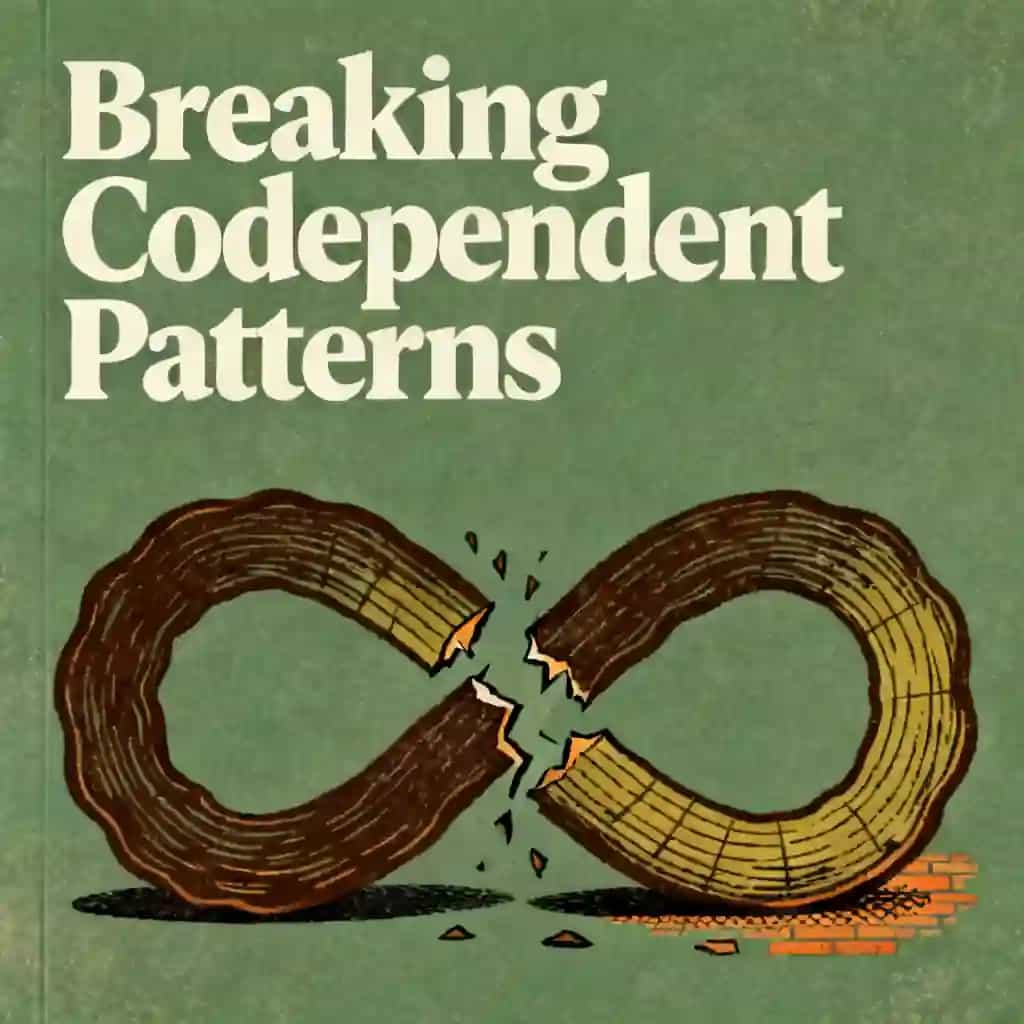
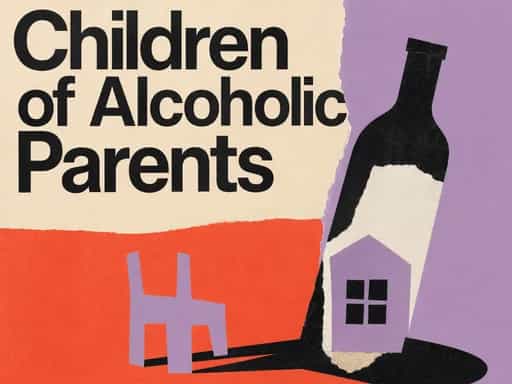
Have you ever felt responsible for everyone else's happiness while neglecting your own? Do you struggle to say "no" without overwhelming guilt? These are classic signs of codependency - a relationship pattern where one person consistently gives beyond reasonable limits while another takes inappropriately. Codependency isn't just about being nice or helpful; it's a profound loss of self that occurs when we define our worth solely through others' approval. At its core, codependency involves five interconnected domains: an overwhelming need to please, deteriorating self-awareness, distorted reality perception, negative thinking patterns, and a paradoxical relationship with intimacy - desperately craving connection while simultaneously fearing it. This pattern doesn't emerge randomly. Contrary to early theories linking codependency solely to alcoholic households, it develops in any high-stress family environment where emotional needs go unmet - homes affected by mental illness, chronic physical conditions, rigid religious beliefs, workaholism, or emotional unavailability. In these environments, children learn that their worth depends entirely on meeting others' needs while ignoring their own, creating a pattern of self-abandonment that can persist throughout adulthood.