Hoarding Disorder: Beyond the Clutter
Explore hoarding as a distinct psychological condition through Frost & Hartl's cognitive-behavioral model, Tolin's biopsychosocial perspective, and neurobiological research revealing why people form profound attachments to possessions.

Hoarding Disorder: Beyond the Clutter 베스트 인용
Hoarding is fundamentally about dysfunctional attachment patterns where possessions become substitute attachment figures; because objects cannot abandon you the way people can, they provide a sense of security that the individual may struggle to find in human relationships.

이 오디오 레슨은 BeFreed 커뮤니티 멤버가 만들었습니다
I want to learn about the academic perspective, and psychiatric understanding together with a psychosocial approach about Hoarding, hoarding behaviours, collecting, and squalor as a psychological disorder. Be sure to include the names of key theorists.

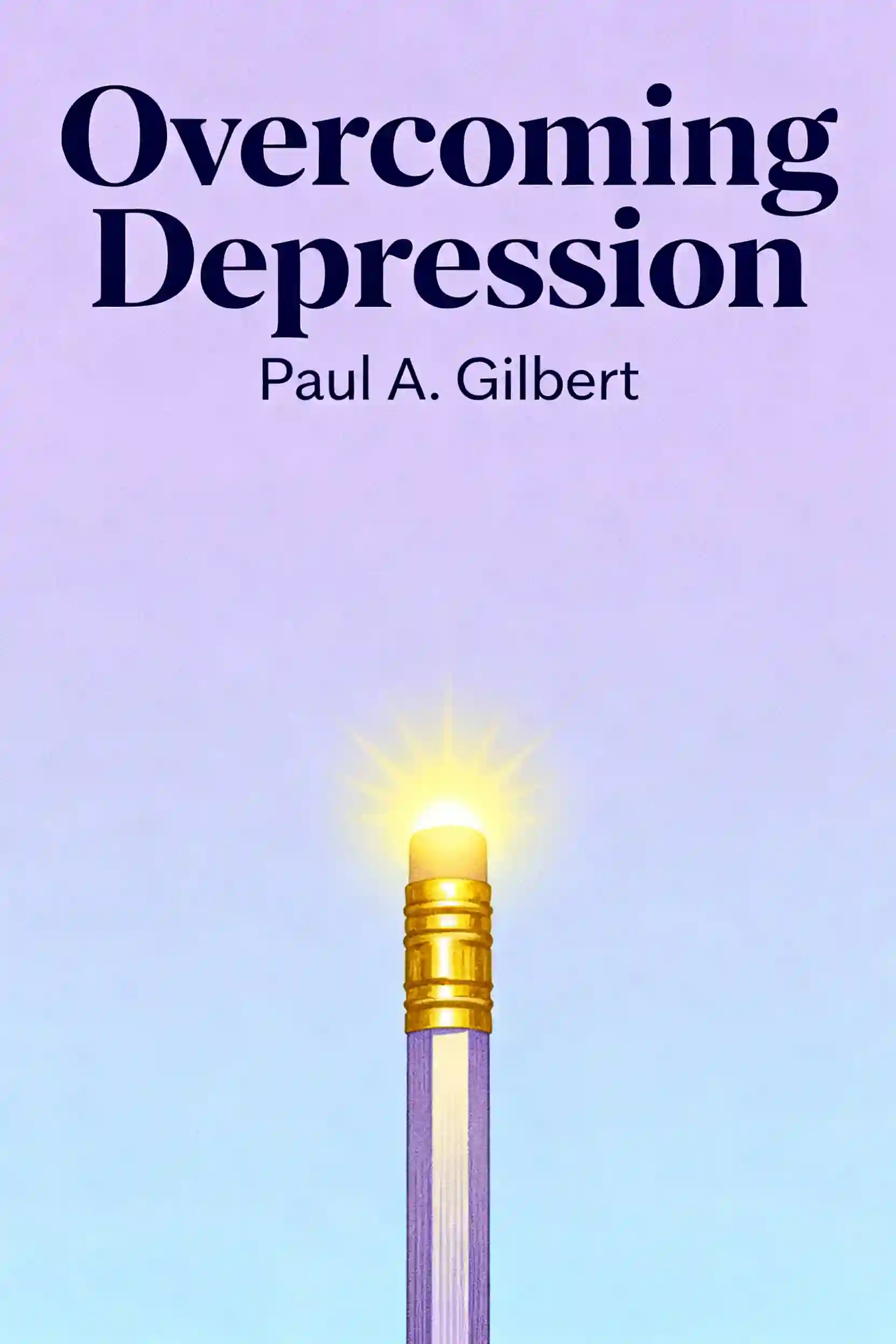
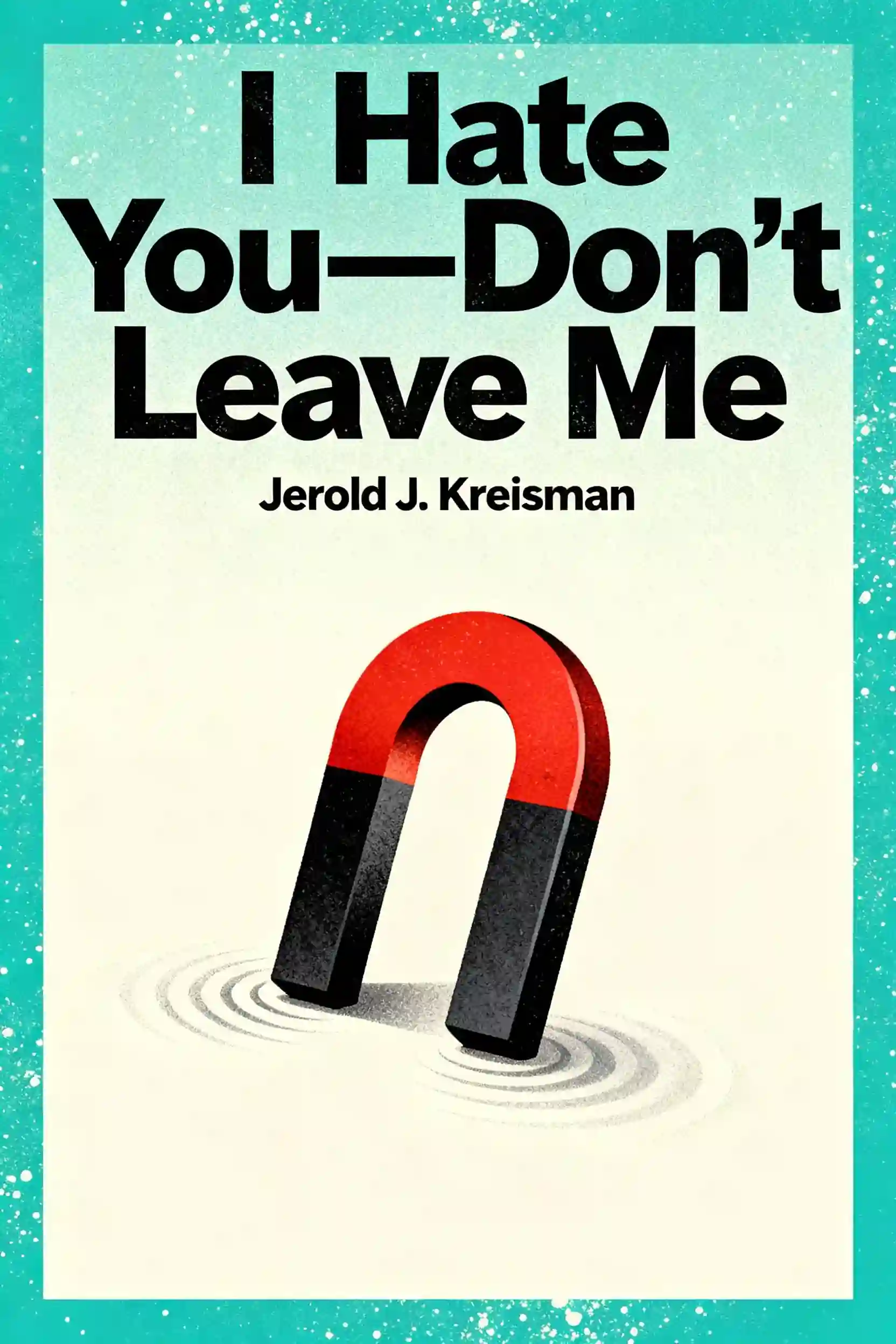
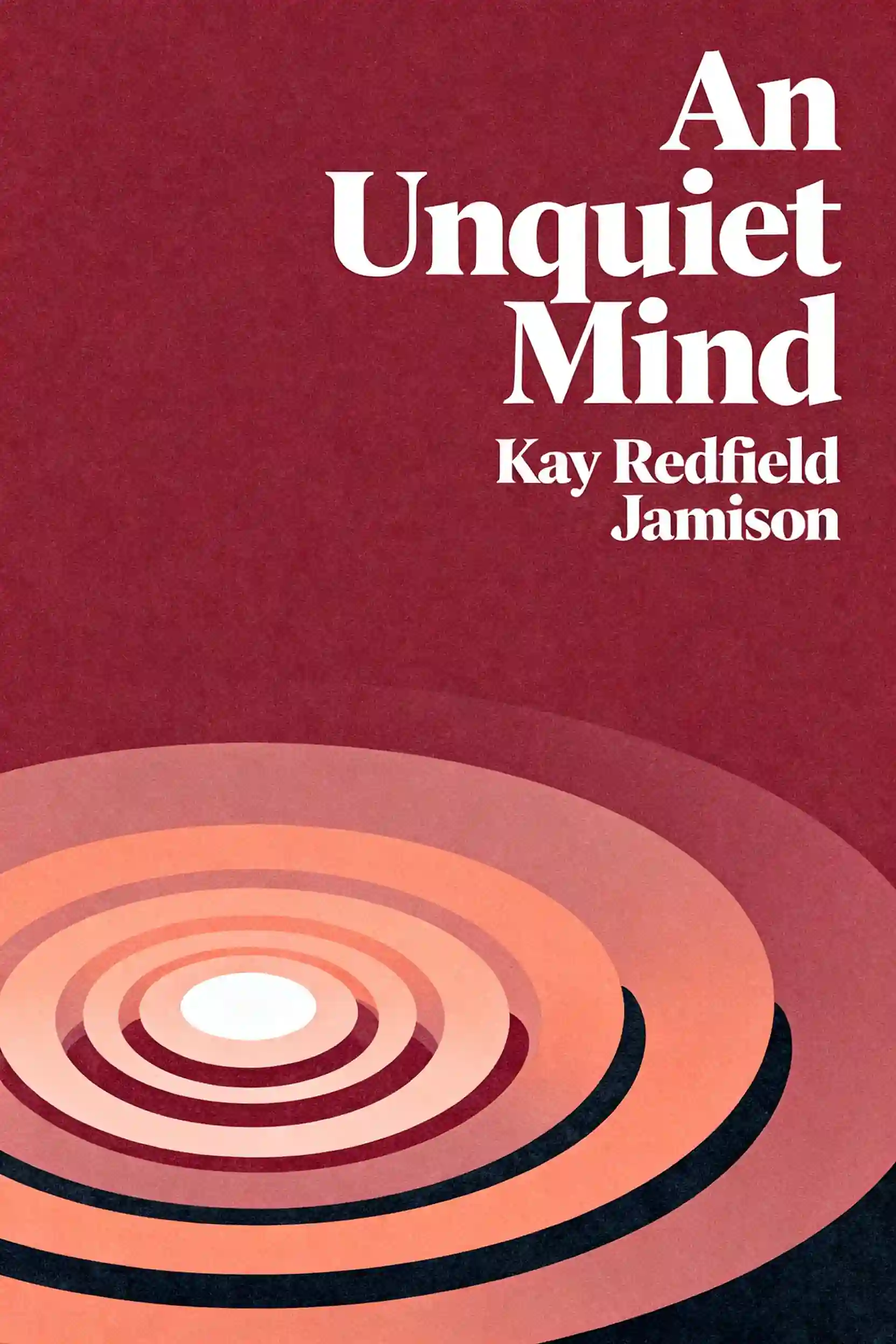
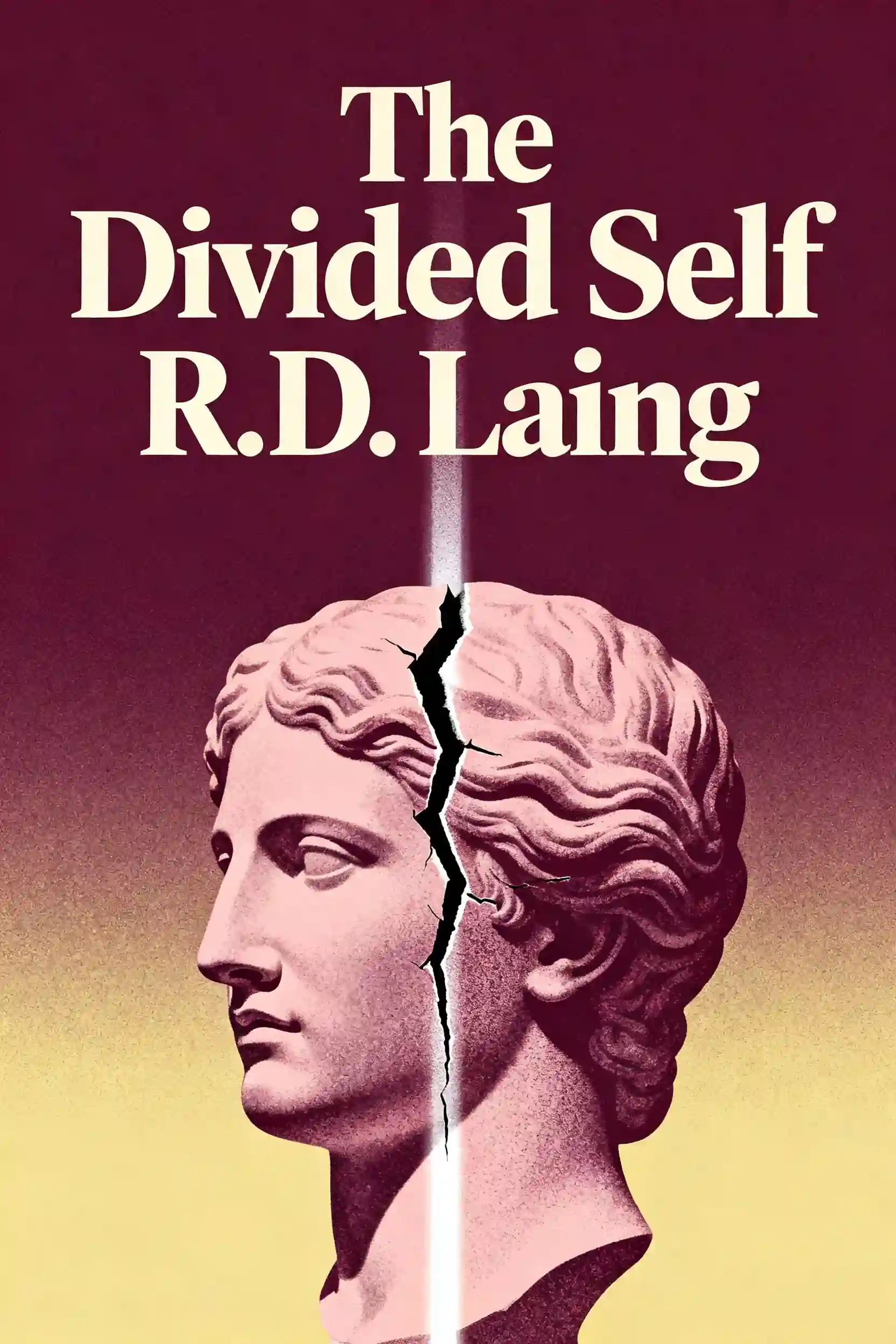

더 알아보기

Declutter clothes amid scarcity fears
Declutter clothes amid scarcity fears
This plan is designed for individuals who feel overwhelmed by their wardrobe but struggle to let go due to anxiety about future needs or financial loss. It combines psychological insights with the proven KonMari method to help learners transition from a scarcity mindset to an intentional, joy-filled lifestyle.

Declutter thr house
Declutter thr house
This plan is essential for homeowners feeling overwhelmed by physical disorganization and seeking a permanent shift in their living environment. It is designed for anyone ready to transition from temporary tidying to a sustainable minimalist lifestyle through psychological insights and practical systems.

manage GAD and OCD
manage GAD and OCD
GAD and OCD affect millions of people, often causing significant distress and interference with daily functioning, yet evidence-based treatments can dramatically improve quality of life. This learning plan is designed for anyone experiencing persistent worry, intrusive thoughts, or compulsive behaviors who wants to understand their condition and gain practical, scientifically-validated tools for recovery. Whether you're newly diagnosed, supporting a loved one, or seeking to deepen existing coping skills, this structured approach offers comprehensive strategies used by leading mental health professionals.
Reduce my cleaning obsession
Reduce my cleaning obsession
Cleaning obsessions can significantly impact quality of life, consuming excessive time and causing anxiety when environments aren't 'perfect.' This learning plan helps those struggling with perfectionism and obsessive cleaning to develop healthier relationships with their spaces while reclaiming time and mental energy for other priorities.

Psych, Habits, Philo & Relationships
Psych, Habits, Philo & Relationships
This interdisciplinary guide bridges the gap between scientific psychology and practical philosophy to provide a holistic toolkit for self-mastery. It is ideal for individuals seeking to optimize their mental patterns, habits, and interpersonal dynamics for a more intentional life.

Habits, Psychology & Behavioral Science Study
Habits, Psychology & Behavioral Science Study
This study plan bridges the gap between theoretical psychology and practical self-mastery. It is ideal for professionals, leaders, or anyone seeking to optimize their personal productivity and understand the hidden triggers behind human actions.
Learn about all mental disorders.
Learn about all mental disorders.
This learning plan provides a comprehensive overview of clinical psychology and psychiatry, bridging the gap between historical context and modern treatment. It is ideal for students, caregivers, or professionals seeking a deep, evidence-based understanding of the human mind and its complexities.
Psychology, Habits & Self-Improvement Study
Psychology, Habits & Self-Improvement Study
This study plan bridges the gap between psychological theory and practical self-mastery. It is ideal for individuals looking to regain control over their habits and leaders seeking to understand the deeper drivers of human behavior.
샌프란시스코에서 컬럼비아 대학교 동문들이 만들었습니다
"Instead of endless scrolling, I just hit play on BeFreed. It saves me so much time."


"I never knew where to start with nonfiction—BeFreed’s book lists turned into podcasts gave me a clear path."


"Perfect balance between learning and entertainment. Finished ‘Thinking, Fast and Slow’ on my commute this week."
"Crazy how much I learned while walking the dog. BeFreed = small habits → big gains."
"Reading used to feel like a chore. Now it’s just part of my lifestyle."

"Feels effortless compared to reading. I’ve finished 6 books this month already."
"BeFreed turned my guilty doomscrolling into something that feels productive and inspiring."

"BeFreed turned my commute into learning time. 20-min podcasts are perfect for finishing books I never had time for."
"BeFreed replaced my podcast queue. Imagine Spotify for books — that’s it. 🙌"

"It is great for me to learn something from the book without reading it."
"The themed book list podcasts help me connect ideas across authors—like a guided audio journey."
"Makes me feel smarter every time before going to work"
샌프란시스코에서 컬럼비아 대학교 동문들이 만들었습니다
"Instead of endless scrolling, I just hit play on BeFreed. It saves me so much time."
"I never knew where to start with nonfiction—BeFreed’s book lists turned into podcasts gave me a clear path."
"Perfect balance between learning and entertainment. Finished ‘Thinking, Fast and Slow’ on my commute this week."
"Crazy how much I learned while walking the dog. BeFreed = small habits → big gains."
"Reading used to feel like a chore. Now it’s just part of my lifestyle."
"Feels effortless compared to reading. I’ve finished 6 books this month already."
"BeFreed turned my guilty doomscrolling into something that feels productive and inspiring."
"BeFreed turned my commute into learning time. 20-min podcasts are perfect for finishing books I never had time for."
"BeFreed replaced my podcast queue. Imagine Spotify for books — that’s it. 🙌"
"It is great for me to learn something from the book without reading it."
"The themed book list podcasts help me connect ideas across authors—like a guided audio journey."
"Makes me feel smarter every time before going to work"
"Instead of endless scrolling, I just hit play on BeFreed. It saves me so much time."
"I never knew where to start with nonfiction—BeFreed’s book lists turned into podcasts gave me a clear path."
"Perfect balance between learning and entertainment. Finished ‘Thinking, Fast and Slow’ on my commute this week."
"Crazy how much I learned while walking the dog. BeFreed = small habits → big gains."
"Reading used to feel like a chore. Now it’s just part of my lifestyle."
"Feels effortless compared to reading. I’ve finished 6 books this month already."
"BeFreed turned my guilty doomscrolling into something that feels productive and inspiring."
"BeFreed turned my commute into learning time. 20-min podcasts are perfect for finishing books I never had time for."
"BeFreed replaced my podcast queue. Imagine Spotify for books — that’s it. 🙌"
"It is great for me to learn something from the book without reading it."
"The themed book list podcasts help me connect ideas across authors—like a guided audio journey."
"Makes me feel smarter every time before going to work"
"Instead of endless scrolling, I just hit play on BeFreed. It saves me so much time."
"I never knew where to start with nonfiction—BeFreed’s book lists turned into podcasts gave me a clear path."
"Perfect balance between learning and entertainment. Finished ‘Thinking, Fast and Slow’ on my commute this week."
"Crazy how much I learned while walking the dog. BeFreed = small habits → big gains."
"Reading used to feel like a chore. Now it’s just part of my lifestyle."
"Feels effortless compared to reading. I’ve finished 6 books this month already."
"BeFreed turned my guilty doomscrolling into something that feels productive and inspiring."
"BeFreed turned my commute into learning time. 20-min podcasts are perfect for finishing books I never had time for."
"BeFreed replaced my podcast queue. Imagine Spotify for books — that’s it. 🙌"
"It is great for me to learn something from the book without reading it."
"The themed book list podcasts help me connect ideas across authors—like a guided audio journey."
"Makes me feel smarter every time before going to work"