BeFreed
    Categories>Relationships>Healing Your Relationship's Public Image

    Healing Your Relationship's Public Image

    30분
    |
    |
    2026년 2월 6일
    • Relationships
    • Communication
    • Self-Growth

    Discover how to repair the damage caused by oversharing relationship problems with friends and family, and learn strategies to rebuild trust with both your partner and your inner circle.

    Healing Your Relationship's Public Image
    0:00 / 0:00
    전달 방식을 선택하세요

    하나의 에피소드, 다양한 청취 방식.

    Healing Your Relationship's Public Image의 같은 아이디어를 나에게 맞는 목소리, 깊이, 속도로 만나보세요. 언제든 바꿀 수 있습니다.

    전체 대본 및 챕터

    챕터 1

    The Relationship Betrayal Trap

    Lena: Hey Miles, we got a really heartfelt message from a listener today that I think many people can relate to. They've been oversharing their relationship problems with friends and family, and now those people have pretty negative opinions about their partner. They're wondering if there's any way to repair this situation.

    Miles: Oh, that's such a common struggle, Lena. You know, I was just reading about this in Kyle Benson's work. He calls it a form of "relationship betrayal" that many of us don't even realize we're committing. When we vent about our partners to others, we're actually inviting outsiders into the emotional center of our relationship.

    Lena: Right, and I think what makes this particularly painful is that it often comes from a good place. We're seeking support or validation when we're upset, but we don't realize the long-term impact.

    Miles: Exactly. And what's fascinating is that once that information is out there, you can't take it back. Your friends and family only hear your side of the story, usually during your most frustrated moments, and they form impressions based on incomplete information.

    Lena: I'm curious—why do you think we tend to overshare in the first place? Is it just about seeking validation?

    Miles: That's a great question. Often it's about seeking external validation, yes, but it can also stem from not trusting our own judgment or wanting someone else to tell us what to do. The source materials mention that people who struggle with self-trust are more likely to look outside themselves for answers about their relationships.

    Lena: So let's explore how our listener can start rebuilding trust—both with their partner and with the friends and family who now have these negative impressions.

    챕터 2

    When Venting Becomes Betrayal

    Miles: You know, Lena, I think we need to start by helping our listener understand something crucial—there's a real difference between healthy venting and what the research calls "relationship dumping." When we share our frustrations appropriately, it can actually strengthen our support network and help us process emotions.

    Lena: That's such an important distinction. So what makes the difference?

    Miles: Well, healthy venting usually involves asking permission first—like "Hey, I'm having a tough time with something, do you have space to listen?" It's also balanced. You're not just unloading every grievance; you're seeking perspective or emotional support for a specific situation.

    Lena: Right, and I imagine it's also about the frequency and the audience. If you're constantly going to the same people with the same complaints, that's when it becomes problematic.

    Miles: Absolutely. The research shows that what they call "relationship dumpers" tend to burn out their friends by oversharing relationship issues repeatedly. These friends start feeling like unpaid therapists, and eventually, they may begin to avoid or distance themselves from the person doing the dumping.

    Lena: That creates this awful cycle, doesn't it? The more isolated the person feels, the more they might lean on the remaining relationships, which could push those people away too.

    Miles: Exactly. And here's what's really insidious about this pattern—when we consistently share negative information about our partner, we're essentially training our support network to see them as the villain in our story. Even when we work things out privately with our partner, our friends and family are left with all these negative impressions.

    Lena: It's like we've created a highlight reel of our partner's worst moments and shared it with everyone we care about. No wonder they form negative opinions.

    Miles: That's a perfect analogy. And the challenging part is that our loved ones think they're being protective of us by maintaining those negative views. They've heard us in pain, they've seen us upset, and their natural instinct is to be on our side.

    Lena: So when we later say, "Actually, things are better now," or "We worked it out," they might think we're being naive or that we're not seeing the situation clearly.

    Miles: Right. They become invested in our grievances in a way that can actually work against our relationship's healing. It's particularly damaging because trust repair between partners is already fragile work, and having a whole network of people who are skeptical of your partner makes that process so much harder.

    이 에피소드로 더 깊이 배우기

    이 에피소드의 아이디어를 BeFreed의 가이드 학습 경험으로 더 깊이 탐구해 보세요.

    챕터 3

    The Hidden Motivations Behind Oversharing

    Lena: Miles, I'm wondering about the deeper psychology here. Why do we find ourselves oversharing relationship problems when, logically, we probably know it's not the best idea?

    Miles: That's such a perceptive question, Lena. From what I've been reading, there are actually several psychological drivers at play. One of the biggest ones is what researchers call "emotional dysregulation." When we're triggered or in emotional pain, our ability to maintain appropriate boundaries gets compromised.

    Lena: So it's not necessarily that we're making a conscious choice to overshare—it's that our emotional state is overwhelming our judgment?

    Miles: Exactly. And there's another factor that I find really interesting—the research suggests that oversharing can be a trauma response. When people have experienced betrayal or abandonment in their past, they might overshare as a way to preemptively manage relationships or seek reassurance.

    Lena: That makes sense. It's like they're trying to control the narrative or ensure they have allies before something bad happens.

    Miles: Right. But there's also what the experts call "false intimacy." Sometimes we mistake sharing personal information for genuine connection. We think that by revealing our struggles, we're deepening our relationships, but we're actually creating an imbalance.

    Lena: Because real intimacy is reciprocal, isn't it? It's not just one person unloading on another.

    Miles: Absolutely. Healthy intimacy involves mutual vulnerability, appropriate timing, and respect for boundaries. When we overshare, especially about relationship problems, we're often seeking something specific—validation, advice, or emotional support—but we're not necessarily offering the same level of engagement back.

    Lena: I'm also thinking about how social media has complicated this. It's so easy to post about relationship frustrations or share vague but pointed comments that everyone in your network can see.

    Miles: Oh, that's a whole other layer of complexity. Social media oversharing about relationships is particularly damaging because it's permanent and public. Your partner might see it, mutual friends definitely will, and it creates this very public record of your private struggles.

    Lena: And unlike a conversation with a friend where you might later say, "Actually, I was just venting and things are better now," those posts live forever and shape how people think about your relationship.

    Miles: Plus, there's something about the validation we get from social media—the likes, the supportive comments—that can actually reinforce the oversharing behavior. We get this hit of sympathy and support that feels good in the moment, but we don't realize we're potentially damaging our relationship's reputation in the process.

    Lena: It's like we're trading short-term emotional relief for long-term relationship health.

    Miles: That's exactly right. And what's particularly sad is that the people who love us most—our friends and family—are often the ones whose opinions end up creating the most obstacles to our relationship's recovery.

    챕터 4

    The Ripple Effect on Your Inner Circle

    Lena: You know what I find really challenging about this situation, Miles, is that once you've overshared, you've essentially made your relationship problems everyone else's problem too. Your friends and family didn't ask to be put in this position.

    Miles: That's such an important point, Lena. The research talks about something called "emotional contagion"—when we dump our negative emotions on others, they actually start to experience those emotions themselves. So your friends aren't just hearing about your relationship problems; they're feeling stressed and upset about them too.

    Lena: And that puts them in this impossible position, doesn't it? They care about you, so they want to support you, but they're also forming judgments about your partner based on limited, biased information.

    Miles: Exactly. And here's what's really tricky—once they've invested emotional energy in being angry or concerned about your partner's behavior, it becomes harder for them to let go of those feelings, even when you've moved past the issue.

    Lena: It's like they become emotionally invested in your grievances in a way that doesn't serve anyone.

    Miles: Right. And the studies show that this creates what researchers call "third-party interference." Your loved ones start offering unsolicited advice, making comments about your partner, or even directly confronting your partner about issues they've heard about secondhand.

    Lena: Oh, that sounds like a nightmare. Imagine trying to work through relationship issues while also managing your family's opinions and interventions.

    Miles: It really complicates the healing process. Trust repair between partners requires a safe, private space to be vulnerable and work through problems. But when you have a whole network of people who are skeptical of your partner or actively rooting for you to leave, that safety gets compromised.

    Lena: And I imagine it also affects how your partner feels about your friends and family. If they know these people have heard all the worst things about them, they're probably not going to feel comfortable or welcome around them.

    Miles: Absolutely. The research mentions that this can lead to social isolation for couples who are trying to rebuild trust. Your partner might start avoiding family gatherings or friend events because they feel judged or unwelcome.

    Lena: Which then reinforces everyone's negative opinions—"See, they're avoiding us, they must know they're in the wrong."

    Miles: Exactly. It creates this vicious cycle where your partner's natural response to feeling judged actually gets interpreted as more evidence of their guilt or problematic behavior.

    Lena: So our listener is dealing with multiple layers of damage here—the original relationship issues, the breach of trust from oversharing, and now this complicated web of family and friend opinions that are working against their relationship's recovery.

    Miles: That's right. And what makes it even more challenging is that these loved ones genuinely think they're being helpful and protective. They're not trying to sabotage the relationship; they're responding to what they've heard with care and concern.

    이 에피소드로 더 깊이 배우기

    이 에피소드의 아이디어를 BeFreed의 가이드 학습 경험으로 더 깊이 탐구해 보세요.

    챕터 5

    The Trust Repair Challenge

    Lena: So Miles, let's get practical here. Our listener is facing what seems like an almost impossible task—they need to rebuild trust with their partner while also somehow changing their friends' and family's negative opinions. Where do you even start with something like that?

    Miles: You're right, it does seem overwhelming, but the research actually offers some hope here. The key is understanding that trust repair happens on multiple levels simultaneously. You can't just focus on one relationship at a time; you need a comprehensive approach.

    Lena: What does that look like in practice?

    Miles: Well, first, you have to start with radical honesty and accountability. That means acknowledging to your partner that you've betrayed their trust by sharing private information. This isn't just about apologizing for venting—it's about recognizing that you've violated the boundary of your relationship.

    Lena: That's got to be a really difficult conversation. You're essentially admitting that you've damaged your relationship's reputation and made their life harder.

    Miles: It is difficult, but it's also essential. The research on trust repair shows that without full acknowledgment of the harm done, you can't move forward. Your partner needs to know that you understand the full scope of what your oversharing has cost them.

    Lena: And then what? How do you start changing other people's minds about your partner?

    Miles: This is where it gets strategic. You can't just tell people to forget everything you've shared—that's not realistic. Instead, you need to actively work to rebalance the narrative. That means sharing positive things about your partner and your relationship, highlighting their efforts to work on issues, and demonstrating through your actions that things are improving.

    Lena: So you're essentially doing reputation management for your relationship.

    Miles: That's a great way to put it. And it requires consistency over time. One conversation where you say "things are better now" isn't going to undo months or years of negative sharing. You need to demonstrate through your words and actions, over time, that your relationship is healthy and worth supporting.

    Lena: What about setting boundaries with friends and family who continue to make negative comments or offer unsolicited advice?

    Miles: That's crucial. The research talks about using what they call "sandwich technique" communication—you start by acknowledging their care and concern, then clearly state your boundary, and finally redirect them to other ways they can support you.

    Lena: Can you give us an example of what that might sound like?

    Miles: Sure. Something like: "I really appreciate how much you care about me and want me to be happy. I know I've shared a lot of struggles with you in the past, and I understand why you're concerned about my relationship. Going forward, I need to work on these issues privately with my partner, so I'd really appreciate it if we could focus our conversations on other things. If you want to support me, the best thing you can do is trust my judgment and be welcoming to both of us."

    Lena: That's really good—it acknowledges their feelings while clearly establishing what you need going forward.

    Miles: And the key is following through consistently. Every time someone brings up your relationship issues or makes a negative comment about your partner, you need to redirect the conversation. It's not enough to set the boundary once; you have to maintain it.

    챕터 6

    Rebuilding Your Partner's Trust

    Lena: Miles, I want to focus specifically on the partner who's been betrayed by this oversharing. They're dealing with the original relationship issues plus this additional violation of trust. How do you even begin to repair that?

    Miles: It's such a complex situation, Lena, because the partner is essentially dealing with two betrayals—the original problems and then the public exposure of those problems. The research shows that this kind of secondary betrayal can actually be more damaging than the original issues.

    Lena: Why is that?

    Miles: Well, think about it—when you have a conflict with your partner, there's usually an understanding that it's between the two of you. You might fight, you might hurt each other, but there's still this implicit agreement that you're working on it together privately. When someone breaks that privacy, it violates a fundamental expectation of partnership.

    Lena: So the partner isn't just dealing with whatever the original problem was—they're also dealing with feeling exposed and humiliated.

    Miles: Exactly. And they're probably feeling like they can't trust their partner to maintain appropriate boundaries, which makes them question the safety of the relationship overall.

    Lena: So what does the repair process look like for something this complex?

    Miles: The research emphasizes that it has to start with what they call "radical transparency." The person who overshared needs to be completely honest about what they've shared, with whom, and why. No minimizing, no "it wasn't that bad," no protecting feelings.

    Lena: That sounds terrifying but necessary.

    Miles: It is terrifying, but it's the only way to rebuild trust. The betrayed partner needs to know the full scope of what they're dealing with. They need to know which friends and family members have heard negative things about them, what specific information was shared, and what the oversharer's motivations were.

    Lena: And then what? How do you move from that painful honesty to actual healing?

    Miles: The next step is what the experts call "proactive transparency." This means the oversharer needs to actively work to repair their partner's reputation, not just stop sharing negative information. They need to have conversations with friends and family to provide context, share positive developments, and essentially do the work of changing the narrative.

    Lena: So they're taking responsibility not just for the damage they caused, but for actively working to undo it.

    Miles: Right. And this can't be something the betrayed partner has to ask for or monitor. It needs to be something the oversharer does proactively because they understand the harm they've caused and want to make it right.

    Lena: What about the timeline for this kind of trust repair? I imagine it's not a quick process.

    Miles: The research suggests that trust repair after this kind of betrayal typically takes one to two years, sometimes longer. And it's not linear—there will be setbacks, triggers, and moments of doubt along the way.

    Lena: That's a long time to live with the uncertainty and pain of broken trust.

    Miles: It is, which is why consistency is so crucial. The oversharer needs to demonstrate through daily actions that they understand appropriate boundaries, that they're committed to protecting their partner's privacy, and that they're actively working to repair the damage they've caused.

    이 에피소드로 더 깊이 배우기

    이 에피소드의 아이디어를 BeFreed의 가이드 학습 경험으로 더 깊이 탐구해 보세요.

    챕터 7

    The Family Dynamics Dilemma

    Lena: Miles, I want to talk about something that I think makes this situation even more complicated—family dynamics. It's one thing to manage friends' opinions, but family relationships have their own unique challenges when it comes to changing negative perceptions.

    Miles: Oh, absolutely, Lena. Family systems can be particularly resistant to change because they often operate on long-established patterns and roles. When you've been the family member who shares relationship problems, your relatives might see themselves as your protectors or advisors, and they're not going to give up that role easily.

    Lena: And families often have this collective memory, don't they? Even if you stop sharing negative information, they remember every complaint you've ever made about your partner.

    Miles: Exactly. The research talks about how family members can become what they call "relationship gatekeepers"—they feel responsible for your wellbeing and believe they need to stay vigilant about your partner's behavior.

    Lena: That sounds exhausting for everyone involved. Your family is constantly watching for signs that your partner is mistreating you, your partner feels like they're under a microscope, and you're caught in the middle trying to manage everyone's feelings.

    Miles: And what's particularly challenging is that family members often feel like their concerns are justified. They've heard you in pain, they've seen you upset, and from their perspective, they're just being good family members by staying concerned.

    Lena: So how do you change that dynamic without creating conflict or making family members feel like you don't value their care and concern?

    Miles: It requires what the experts call "gentle but firm boundary setting." You need to acknowledge their love and concern while clearly establishing new rules for how your relationship is discussed within the family.

    Lena: What does that conversation look like?

    Miles: Something like: "I know I've shared a lot of struggles with you in the past, and I'm grateful that you care about me so much. But I've realized that constantly talking about my relationship problems wasn't healthy for anyone. My partner and I are working on our issues together, and I need your support in a different way now—I need you to trust my judgment and give us space to work things out privately."

    Lena: But what if family members resist that boundary? What if they say something like, "We're just worried about you" or "We can see things you can't see"?

    Miles: That's where you need to be prepared with consistent responses. You might say, "I understand your concern, and I appreciate that it comes from love. But right now, the best way you can support me is by trusting that I'm capable of making good decisions about my relationship. If I need advice or support, I'll ask for it."

    Lena: And I imagine you have to be willing to follow through with consequences if they continue to violate those boundaries.

    Miles: Absolutely. The research shows that boundaries without consequences aren't really boundaries at all. If family members continue to make negative comments about your partner or offer unsolicited relationship advice, you might need to limit those conversations or even reduce contact temporarily.

    Lena: That's got to be really difficult, especially if these are family members you're close to.

    Miles: It is difficult, but it's necessary for the health of your primary relationship. The research is clear that couples who are trying to rebuild trust need a supportive environment, not one where one partner is constantly being questioned or criticized by extended family.

    챕터 8

    Practical Steps for Reputation Recovery

    Lena: Alright Miles, let's get really practical here. Our listener needs concrete strategies for actually changing people's minds about their partner. What are some specific actions they can take?

    Miles: Great question, Lena. The research suggests what they call "strategic positive sharing." This means actively looking for opportunities to share positive information about your partner and your relationship, but doing it in a way that feels natural and authentic, not forced or defensive.

    Lena: So not just stopping the negative sharing, but actively counterbalancing it with positive information.

    Miles: Exactly. For example, if your partner does something thoughtful, mention it to your friends or family. If they handle a difficult situation well, share that. If you have a great date or a meaningful conversation, let people know. You're essentially rebuilding their reputation one positive story at a time.

    Lena: That makes sense, but I imagine timing is important. You can't just suddenly start gushing about your partner if you've been complaining about them for months—people will think you're being defensive or delusional.

    Miles: You're absolutely right. The key is consistency and authenticity over time. Start small—maybe share one positive thing per week rather than trying to completely flip the narrative overnight. And make sure the positive things you share are genuine and specific, not generic praise that sounds hollow.

    Lena: What about addressing past complaints directly? Should you go back and provide context for things you've shared before?

    Miles: The research suggests that selective clarification can be helpful, but you have to be strategic about it. If you shared something particularly damaging or misleading, it might be worth having a direct conversation to provide more context. But you don't need to relitigate every complaint you've ever made.

    Lena: How might that conversation sound?

    Miles: Something like: "You know, I've been reflecting on some things I shared with you about my relationship, and I realize I may have given you an incomplete picture. When I told you about that argument we had, I was really upset and probably didn't explain my partner's perspective fairly. We actually worked through that issue, and I learned some things about my own role in the conflict that I didn't share at the time."

    Lena: That's good because it takes responsibility without making the friend or family member feel bad for having formed negative opinions based on what you told them.

    Miles: Exactly. And it opens the door for more balanced conversations going forward. The research shows that people are generally willing to adjust their opinions if they're given new, credible information and they don't feel like they're being criticized for their previous responses.

    Lena: What about including your partner in social situations more often? Is that a good strategy for changing perceptions?

    Miles: It can be, but it has to be done carefully. If your partner has been avoiding family gatherings or friend events because they feel unwelcome, suddenly showing up might feel awkward for everyone involved.

    Lena: So how do you navigate that?

    Miles: The research suggests what they call "gradual reintegration." Start with smaller, lower-stakes social situations where your partner can interact with one or two people at a time. Give them opportunities to show their positive qualities without the pressure of winning over a whole group at once.

    Lena: And I imagine you need to prepare your partner for these situations too. They need to know what to expect and how you plan to handle any awkward moments or negative comments.

    Miles: Absolutely. Transparency and teamwork are crucial here. Your partner needs to know which people have heard negative things about them and what kinds of comments or questions they might encounter. You also need to have a plan for how you'll respond if someone makes an inappropriate comment or brings up past issues.

    이 에피소드로 더 깊이 배우기

    이 에피소드의 아이디어를 BeFreed의 가이드 학습 경험으로 더 깊이 탐구해 보세요.

    챕터 9

    Creating New Relationship Patterns

    Lena: Miles, I think one of the most important aspects of this whole situation is that our listener needs to develop new patterns for handling relationship stress. Because if they don't change their fundamental approach to dealing with conflicts, they're likely to fall back into oversharing again.

    Miles: That's such a crucial point, Lena. The research emphasizes that sustainable change requires addressing the root causes of oversharing, not just the symptoms. You have to understand why you were turning to friends and family instead of working through issues directly with your partner.

    Lena: What are some of the common underlying issues that lead to this pattern?

    Miles: One of the biggest ones is difficulty with direct communication. Many people find it easier to vent to a third party than to have a difficult conversation with their partner. There's less risk of immediate conflict, and you often get validation rather than pushback.

    Lena: So it's almost like a form of conflict avoidance, even though it creates bigger problems in the long run.

    Miles: Exactly. And the research also points to issues with emotional regulation. When we're triggered or upset, our judgment gets compromised, and we're more likely to seek immediate relief through venting rather than taking time to process our emotions and respond thoughtfully.

    Lena: So what does it look like to develop healthier patterns for dealing with relationship stress?

    Miles: The experts recommend what they call "pause and redirect" strategies. When you feel the urge to call a friend or family member to complain about your partner, you pause and ask yourself: "What am I hoping to accomplish by sharing this? Is there a way I can address this directly with my partner instead?"

    Lena: That requires a lot of self-awareness and emotional regulation skills that not everyone naturally has.

    Miles: True, which is why the research suggests that many people benefit from working with a therapist or counselor to develop these skills. Learning to manage your emotions, communicate directly, and set appropriate boundaries are all learnable skills, but they often require practice and support.

    Lena: What about creating new outlets for processing emotions that don't involve other people?

    Miles: That's a great strategy. The research shows that journaling can be particularly effective for processing relationship stress. When you write about your feelings and experiences, you get many of the same benefits as talking to someone—emotional release, clarity, perspective—without the risk of damaging your partner's reputation.

    Lena: And I imagine physical exercise, meditation, or other stress-management techniques can help with the emotional regulation piece.

    Miles: Absolutely. The key is having multiple healthy outlets so you're not dependent on friends and family to help you process every relationship challenge.

    Lena: What about changing the nature of conversations with friends and family altogether? Instead of focusing on problems, maybe focusing on positive aspects of your life and relationship?

    Miles: That's exactly what the research recommends. When you consistently share positive things about your relationship—your partner's strengths, fun things you've done together, goals you're working toward as a couple—you're training your support network to see your relationship in a more balanced way.

    Lena: It's like you're rewiring everyone's default assumptions about your partnership.

    Miles: Right. And over time, this creates a more supportive environment for your relationship. Instead of people being skeptical or concerned, they start to see your partnership as something positive that they want to support and celebrate.

    챕터 10

    Moving Forward with Wisdom and Hope

    Lena: So Miles, as we wrap up this conversation, I want to make sure our listener leaves with both realistic expectations and genuine hope. This is clearly a complex situation that won't be resolved quickly, but it's not hopeless either.

    Miles: Absolutely, Lena. I think the most important thing for our listener to understand is that while they can't undo the damage that's been done, they absolutely can influence how the story moves forward from here. The research shows that relationships can recover from this kind of breach, but it requires sustained effort and genuine change.

    Lena: And I think it's worth emphasizing that this process will benefit everyone involved, not just the couple. When someone stops oversharing relationship problems, it actually relieves their friends and family of a burden they may not have realized they were carrying.

    Miles: That's such a good point. Being constantly exposed to someone else's relationship drama is emotionally exhausting. When you develop healthier boundaries around what you share, you're actually giving your loved ones permission to step back from that caretaking role and just enjoy your company without feeling responsible for your relationship's wellbeing.

    Lena: What would you say to our listener about managing their own expectations during this process?

    Miles: I'd say be patient with yourself and with others. The research suggests that changing deeply ingrained patterns takes time, and there will be setbacks along the way. You might slip back into old habits during stressful periods, or you might encounter resistance from family members who are used to their protective role.

    Lena: And what about their partner? What should they expect in terms of trust rebuilding?

    Miles: The betrayed partner needs to understand that their healing isn't linear either. They might have good days where they feel hopeful about the relationship's future, and difficult days where they feel angry or skeptical about their partner's changes. Both of those responses are normal and part of the process.

    Lena: I also want to acknowledge that some relationships don't survive this kind of breach. Sometimes the damage is too extensive, or the patterns are too deeply entrenched to change.

    Miles: That's true, and it's important to be honest about that possibility. But the research also shows that couples who are both committed to the work of rebuilding trust often emerge with stronger, more resilient relationships than they had before.

    Lena: Because they've learned to communicate more directly, set better boundaries, and handle conflict in healthier ways.

    Miles: Exactly. They've developed skills that will serve them well throughout their relationship, not just during this crisis period.

    Lena: So to our listener, if you're feeling overwhelmed by the scope of what needs to be repaired, remember that every small step counts. Every time you choose to handle a conflict directly with your partner instead of venting to someone else, every time you share something positive about your relationship instead of a complaint, every time you maintain a boundary with a well-meaning family member—all of these actions are building toward a healthier future.

    Miles: And don't hesitate to seek professional support if you need it. Couples therapy can provide you with tools and strategies for rebuilding trust, while individual therapy can help you understand and change the patterns that led to oversharing in the first place.

    Lena: This has been such an important conversation, Miles. Thank you for helping us think through such a complex and emotionally charged situation.

    Miles: Thank you, Lena. And to everyone listening, we'd love to hear your thoughts on this topic. Have you experienced something similar in your own relationships? What strategies have worked for you in rebuilding trust or changing family dynamics? Send us your questions and stories—your experiences help us create content that truly serves our community.

    Lena: Until next time, remember that relationships are resilient, people can change, and with patience and commitment, it's possible to rebuild what's been damaged. Take care, everyone.

    ★★★★★

    Healing Your Relationship's Public Image의 끝까지 도달했어요

    “23일째 매일 사용하고 있어요. 이제 제 일상의 한 부분이 되었습니다.”

    jayallen

    Healing Your Relationship's Public Image 베스트 인용

    “

    When we vent about our partners to others, we're actually inviting outsiders into the emotional center of our relationship, creating a form of relationship betrayal that many of us don't even realize we're committing.

    ”
    S

    Generated by Sarah

    질문 입력

    I've over shared my relationship problems with my friends and family. They now have very negative opinions on him. Can I repair this and how?!

    호스트 음성
    Lenaplay
    Milesplay
    지식 출처
    In Each Other's Care
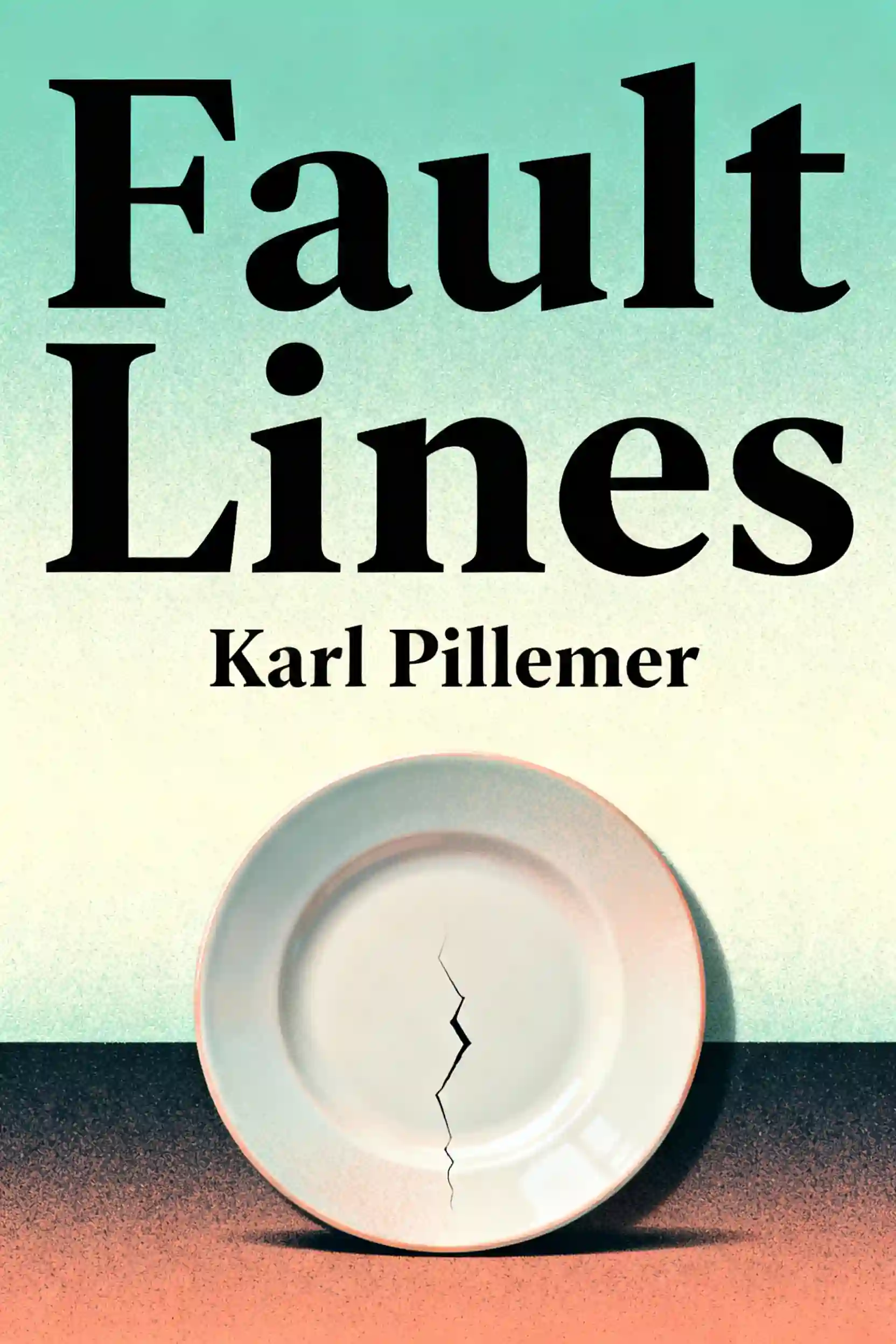
    Fault Lines
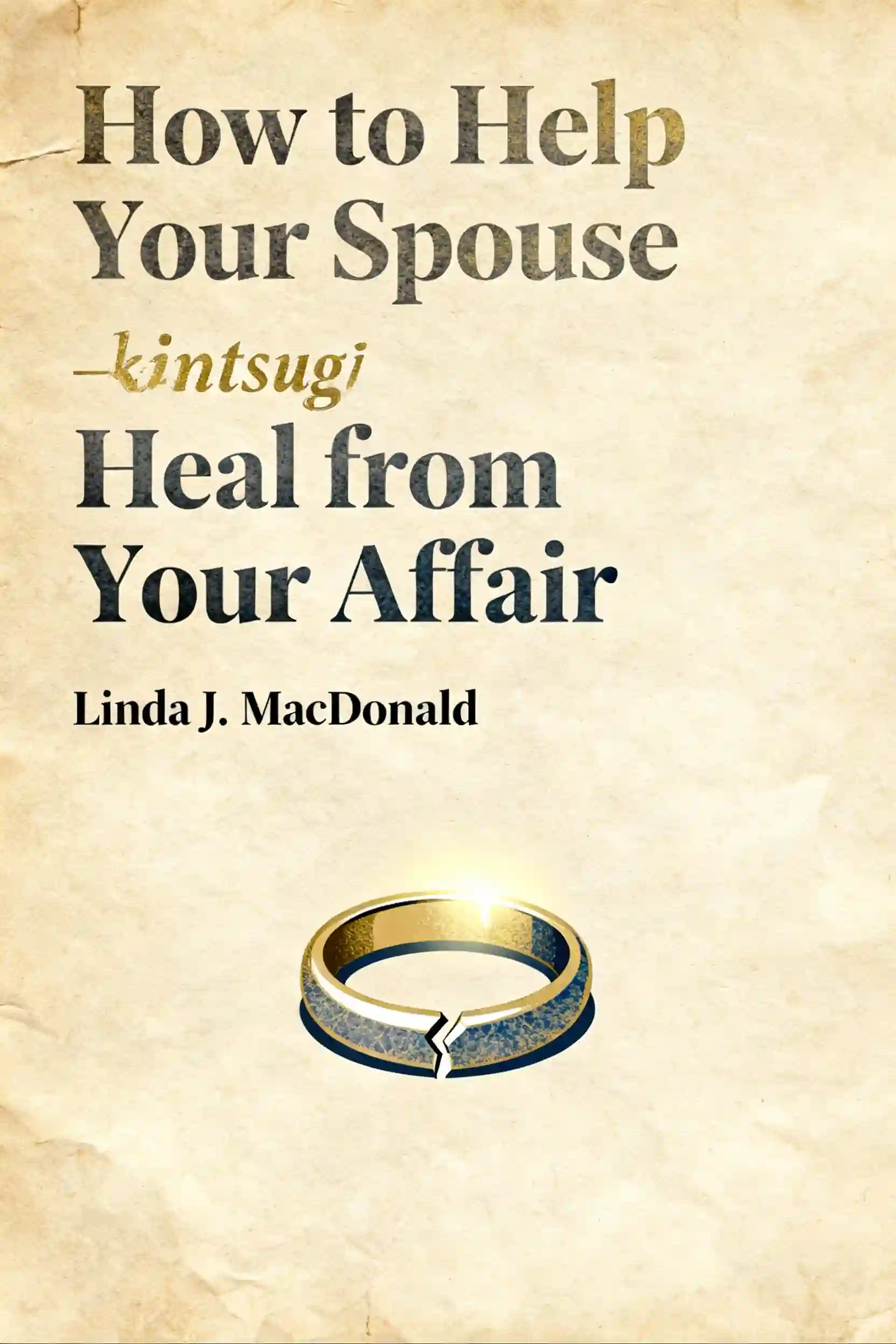
    How to Help Your Spouse Heal From Your Affair
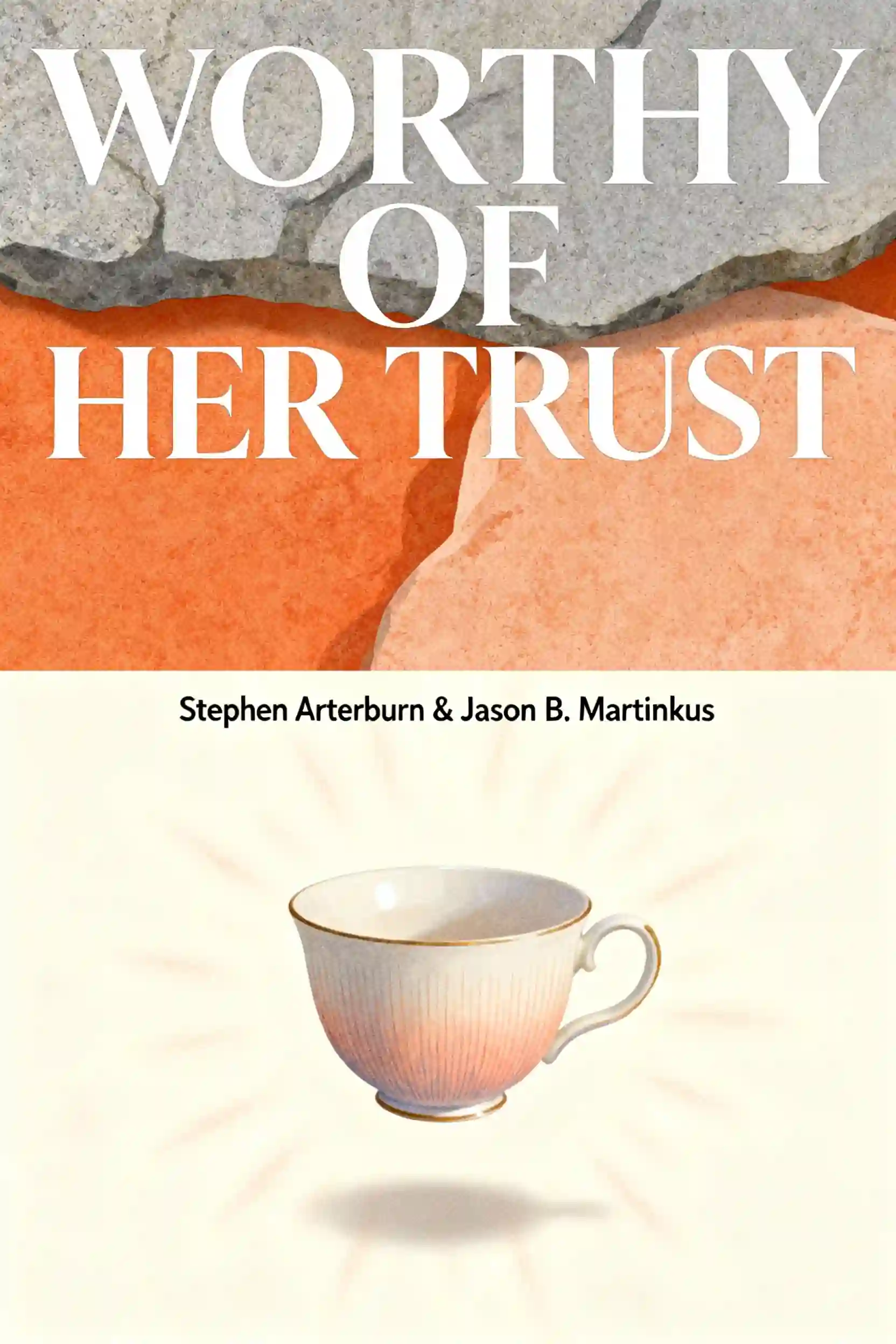
    Worthy of Her Trust
    Toxic Parents
    Emotional Blackmail

    컬럼비아 대학교 동문들이 제작 | 샌프란시스코에서 개발

    BeFreed는 호기심 넘치는 글로벌 커뮤니티를 하나로 연결합니다

    4.7

    평균 평점

    앱 평가 7.84천 개 이상

    BeFreed 커뮤니티

    정말이지 아직 앱을 다 써 보지도 않았는데, 며칠 써 본 것만으로도 깊은 인상을 받았어요… BeFreed는 제가 써 본 어떤 학습 앱과도 차원이 달라요. 몰입감이 엄청나고 집중력도 실제로 좋아져서, 스마트폰을 하염없이 스크롤하는 분들께 딱이에요!

    @ladyInfinity

    정확히 23일 전에 BeFreed를 구입했는데, 그날부터 하루도 빠짐없이 쓰고 있어요. 제 일상 업무 흐름과 학습 습관에 완전히 자리 잡았어요.

    @jayallen

    솔직히 이 앱은 제 기대를 전부 뛰어넘었어요. 어떤 주제든 오디오로 만들어 달라고 할 수 있고, 결과물이 놀라워요. 제 전문 분야는 심리치료 쪽이고 여러 학문이 얽혀 있는데도 답변이 아주 정확해요.

    @Raguipa

    제일 고마운 건 스크롤하는 시간이 확 줄었다는 거예요. 검색하는 시간은 줄고 흡수하는 시간은 늘었어요. 오디오북 전권, 팟캐스트, 학습 플랜의 조합이 정말 훌륭해요.

    @colonyofcreatorsNGO

    저는 24년째 PhotoReading 속진 학습 강사로 일하고 있어요… 책과 독서, 배움이 제 전문인데, BeFreed는 정보를 소화하기 쉽게 전달하는 혁신적인 방식을 정말 잘 구현했어요.

    @BeFreed user

    단순한 책 요약 앱이 아니에요. '재미' 스타일을 써 봤는데, 전통적인 방식보다 훨씬 나은 요약이고 아이디어를 이해하기도 쉬워요. 이것만으로도 값어치를 해요.

    @austinakon

    이 앱이 정말 좋아요. 며칠 써 봤는데 듣는 걸 멈출 수가 없어요. 시작하기에 이보다 좋을 수 없어요.

    @jcrules328

    정말 마음에 들어요. 한 달 정도 써 봤는데 숨은 보석을 찾은 기분이에요. BeFreed로 제가 원하는 주제를 직접 만들 수 있어서 좋고, 목소리도 훌륭한 데다 내레이션 선택지가 무궁무진해요.

    @DanielCZ

    정말이지 아직 앱을 다 써 보지도 않았는데, 며칠 써 본 것만으로도 깊은 인상을 받았어요… BeFreed는 제가 써 본 어떤 학습 앱과도 차원이 달라요. 몰입감이 엄청나고 집중력도 실제로 좋아져서, 스마트폰을 하염없이 스크롤하는 분들께 딱이에요!

    @ladyInfinity

    정확히 23일 전에 BeFreed를 구입했는데, 그날부터 하루도 빠짐없이 쓰고 있어요. 제 일상 업무 흐름과 학습 습관에 완전히 자리 잡았어요.

    @jayallen

    솔직히 이 앱은 제 기대를 전부 뛰어넘었어요. 어떤 주제든 오디오로 만들어 달라고 할 수 있고, 결과물이 놀라워요. 제 전문 분야는 심리치료 쪽이고 여러 학문이 얽혀 있는데도 답변이 아주 정확해요.

    @Raguipa

    제일 고마운 건 스크롤하는 시간이 확 줄었다는 거예요. 검색하는 시간은 줄고 흡수하는 시간은 늘었어요. 오디오북 전권, 팟캐스트, 학습 플랜의 조합이 정말 훌륭해요.

    @colonyofcreatorsNGO

    저는 24년째 PhotoReading 속진 학습 강사로 일하고 있어요… 책과 독서, 배움이 제 전문인데, BeFreed는 정보를 소화하기 쉽게 전달하는 혁신적인 방식을 정말 잘 구현했어요.

    @BeFreed user

    단순한 책 요약 앱이 아니에요. '재미' 스타일을 써 봤는데, 전통적인 방식보다 훨씬 나은 요약이고 아이디어를 이해하기도 쉬워요. 이것만으로도 값어치를 해요.

    @austinakon

    이 앱이 정말 좋아요. 며칠 써 봤는데 듣는 걸 멈출 수가 없어요. 시작하기에 이보다 좋을 수 없어요.

    @jcrules328

    정말 마음에 들어요. 한 달 정도 써 봤는데 숨은 보석을 찾은 기분이에요. BeFreed로 제가 원하는 주제를 직접 만들 수 있어서 좋고, 목소리도 훌륭한 데다 내레이션 선택지가 무궁무진해요.

    @DanielCZ

    유용한 정보와 아이디어를 8~15분짜리 팟캐스트 스타일 오디오로 압축해서 들을 수 있다는 게 정말 좋아요. 원래 팟캐스트는 군더더기가 많아서 안 좋아했는데, 여기는 그걸 싹 걷어냈어요.

    @BeFreed user

    박사 과정을 마무리하는 중이라 낯선 자료를 많이 읽어야 해요… BeFreed에서는 프롬프트만 입력하면 앱이 자료를 찾아서 오디오 팟캐스트로 만들어 줘요. BeFreed의 과정이 NotebookLM보다 더 매끄럽게 느껴져요.

    @Brad

    아침을 준비하거나 산책하거나 출퇴근할 때 들을 것을 YouTube에서 자주 찾곤 했는데, BeFreed는 광고도 군더더기도 없이 훨씬 더 딱 맞는 걸 들려줘요!

    @BeFreed user

    이 플랫폼의 가장 큰 장점은 활용도예요. 다루지 못하는 주제가 말 그대로 하나도 없어요. 무엇을 던져도 다 소화해요… 제한이 전혀 없으면서 약속을 실제로 지키는 학습 도구는 정말 드물어요.

    @jayallen

    BeFreed는 환상적이에요. 디자인이 편해서 헤매는 시간은 줄고 배우는 시간은 늘었어요. 오디오북, 팟캐스트, 학습 플랜의 조합은 천재적이에요. 제 하루가 완전히 달라졌어요.

    @BeFreed user

    처음엔 이탈리아어로 팟캐스트를 만드는 방법을 이해하는 데 시간이 좀 걸렸는데, 알고 나니까 — 와! 정말 대단해요! 어떤 주제든 설명해 달라고 하면 정말 똑똑하게 잘 설명해 줘요!

    @matteo77

    BeFreed는 제가 매일 쓰는 오디오북 앱이 됐어요… 제일 마음에 드는 건 텍스트를 넣으면 이동 중에도 들을 수 있는 오디오로 만들어 준다는 점이에요.

    @kotanzu1

    유용한 정보와 아이디어를 8~15분짜리 팟캐스트 스타일 오디오로 압축해서 들을 수 있다는 게 정말 좋아요. 원래 팟캐스트는 군더더기가 많아서 안 좋아했는데, 여기는 그걸 싹 걷어냈어요.

    @BeFreed user

    박사 과정을 마무리하는 중이라 낯선 자료를 많이 읽어야 해요… BeFreed에서는 프롬프트만 입력하면 앱이 자료를 찾아서 오디오 팟캐스트로 만들어 줘요. BeFreed의 과정이 NotebookLM보다 더 매끄럽게 느껴져요.

    @Brad

    아침을 준비하거나 산책하거나 출퇴근할 때 들을 것을 YouTube에서 자주 찾곤 했는데, BeFreed는 광고도 군더더기도 없이 훨씬 더 딱 맞는 걸 들려줘요!

    @BeFreed user

    이 플랫폼의 가장 큰 장점은 활용도예요. 다루지 못하는 주제가 말 그대로 하나도 없어요. 무엇을 던져도 다 소화해요… 제한이 전혀 없으면서 약속을 실제로 지키는 학습 도구는 정말 드물어요.

    @jayallen

    BeFreed는 환상적이에요. 디자인이 편해서 헤매는 시간은 줄고 배우는 시간은 늘었어요. 오디오북, 팟캐스트, 학습 플랜의 조합은 천재적이에요. 제 하루가 완전히 달라졌어요.

    @BeFreed user

    처음엔 이탈리아어로 팟캐스트를 만드는 방법을 이해하는 데 시간이 좀 걸렸는데, 알고 나니까 — 와! 정말 대단해요! 어떤 주제든 설명해 달라고 하면 정말 똑똑하게 잘 설명해 줘요!

    @matteo77

    BeFreed는 제가 매일 쓰는 오디오북 앱이 됐어요… 제일 마음에 드는 건 텍스트를 넣으면 이동 중에도 들을 수 있는 오디오로 만들어 준다는 점이에요.

    @kotanzu1

    웹에서 BeFreed가 어떻게 논의되고 있는지 더 보기
    129.7K19.5K
    55.2K19.2K
    154.2K10827355
    48.1K2.5K
    81.2K6.6K
    82.3K1.8K
    지금 바로 학습 여정을 시작하세요
    BeFreed 앱
    BeFreed

    무엇이든 개인화된 학습

    DiscordLinkedIn
    추천 도서 요약
    Crucial ConversationsThe Perfect MarriageInto the WildNever Split the DifferenceAttachedGood to GreatSay Nothing
    인기 카테고리
    Self HelpCommunication SkillRelationshipMindfulnessPhilosophyInspirationProductivity
    유명인 추천 도서
    Elon MuskCharlie KirkBill GatesSteve JobsAndrew HubermanJoe RoganJordan Peterson
    수상작 컬렉션
    Pulitzer PrizeNational Book AwardGoodreads Choice AwardsNobel Prize in LiteratureNew York TimesCaldecott MedalNebula Award
    추천 주제
    ManagementAmerican HistoryWarTradingStoicismAnxietySex
    연도별 베스트 도서
    2025 Best Non Fiction Books2024 Best Non Fiction Books2023 Best Non Fiction Books
    추천 저자
    Chimamanda Ngozi AdichieGeorge OrwellO. J. SimpsonBarbara O'NeillWinston ChurchillCharlie Kirk
    BeFreed vs 다른 앱
    BeFreed vs. Other Book Summary AppsBeFreed vs. ElevenReaderBeFreed vs. ReadwiseBeFreed vs. Anki
    학습 도구
    Knowledge VisualizerAI Podcast Generator
    정보
    회사 소개arrow
    가격arrow
    FAQarrow
    블로그arrow
    채용arrow
    파트너십arrow
    앰배서더 프로그램arrow
    디렉토리arrow
    BeFreed
    Try now
    © 2026 BeFreed
    이용 약관개인정보 처리방침
    BeFreed

    무엇이든 개인화된 학습

    DiscordLinkedIn
    추천 도서 요약
    Crucial ConversationsThe Perfect MarriageInto the WildNever Split the DifferenceAttachedGood to GreatSay Nothing
    인기 카테고리
    Self HelpCommunication SkillRelationshipMindfulnessPhilosophyInspirationProductivity
    유명인 추천 도서
    Elon MuskCharlie KirkBill GatesSteve JobsAndrew HubermanJoe RoganJordan Peterson
    수상작 컬렉션
    Pulitzer PrizeNational Book AwardGoodreads Choice AwardsNobel Prize in LiteratureNew York TimesCaldecott MedalNebula Award
    추천 주제
    ManagementAmerican HistoryWarTradingStoicismAnxietySex
    연도별 베스트 도서
    2025 Best Non Fiction Books2024 Best Non Fiction Books2023 Best Non Fiction Books
    학습 도구
    Knowledge VisualizerAI Podcast Generator
    추천 저자
    Chimamanda Ngozi AdichieGeorge OrwellO. J. SimpsonBarbara O'NeillWinston ChurchillCharlie Kirk
    BeFreed vs 다른 앱
    BeFreed vs. Other Book Summary AppsBeFreed vs. ElevenReaderBeFreed vs. ReadwiseBeFreed vs. Anki
    정보
    회사 소개arrow
    가격arrow
    FAQarrow
    블로그arrow
    채용arrow
    파트너십arrow
    앰배서더 프로그램arrow
    디렉토리arrow
    BeFreed
    Try now
    © 2026 BeFreed
    이용 약관개인정보 처리방침

    비슷한 콘텐츠

    Rebuilding Trust After Causing Harm 책 표지
    How to Help Your Spouse Heal from Your AffairWorthy of Her TrustLove More, Fight LessLoving Your Spouse When You Feel Like Walking Away
    21 sources
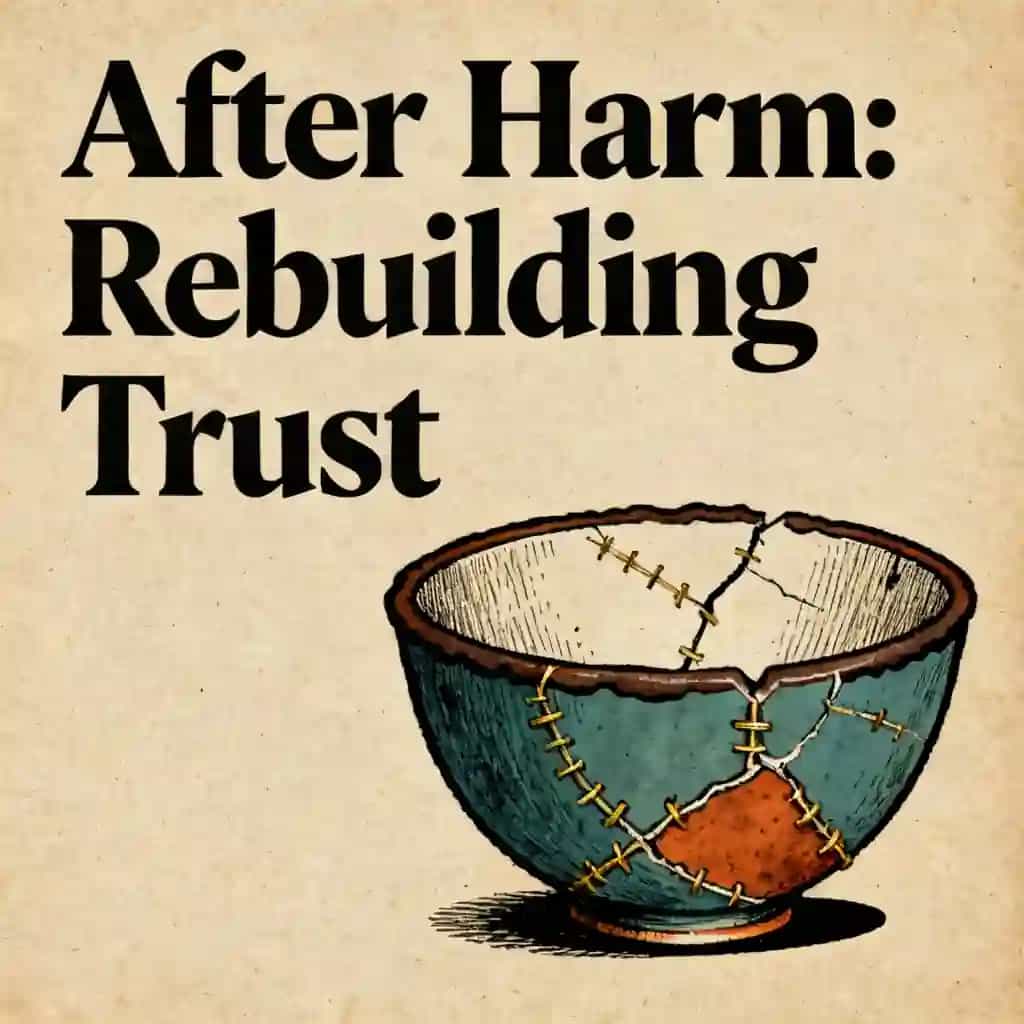
    Rebuilding Trust After Causing Harm
    This episode explores how to genuinely repair a relationship when you've hurt your partner, focusing on accountability, consistent actions, and patience during their healing process.
    29 min
    Rebuilding your relationship after a betrayal 책 표지
    How to Help Your Spouse Heal From Your AffairWorthy of Her TrustLove More, Fight LessChanges That Heal
    23 sources
    Rebuilding your relationship after a betrayal
    Healing after a breakup or betrayal takes more than just time. Learn how to move from interrogation to transparency to build a more resilient bond.
    14 min
    Healing Beyond Betrayal 책 표지
    Worthy of Her TrustPOWER: Surviving and Thriving After Narcissistic Abuse: A Collection of Essays on Malignant Narcissism and Recovery from Emotional AbuseYou Can Thrive After Narcissistic Abuse
    22 sources
    Healing Beyond Betrayal
    Exploring how couples can transform the painful experience of infidelity into an opportunity for profound personal and relationship growth, rather than viewing it as the automatic end of a partnership.
    1 min
    Healing after abuse and a partner's prison release 책 표지
    You Can Thrive After Narcissistic AbuseIt's My Life NowPOWER: Surviving and Thriving After Narcissistic Abuse: A Collection of Essays on Malignant Narcissism and Recovery from Emotional AbuseThe Verbally Abusive Relationship
    27 sources
    Healing after abuse and a partner's prison release
    Rebuilding trust is hard when you're facing stigma or past trauma. Learn how to move from insecurity to calm as you navigate a partner's reentry.
    29 min
    Rebuilding Trust After Betrayal 책 표지
    Worthy of Her TrustTrust: Knowing When to Give It, When to Withhold It, How to Earn It, and How to Fix It When It Gets BrokenDaring to Trust
    20 sources
    Rebuilding Trust After Betrayal
    Discover how broken trust can lead to stronger relationships through consistent actions, mutual vulnerability, and proper healing techniques—beyond simple apologies to meaningful reconnection.
    23 min
    Restoring Your Professional Reputation 책 표지
    Five Ways To Recover After You’ve Damaged Your Professional Reputation — The Ideas AcceleratorCommunity Repair After Backlash: A Creator GuideCommunity Repair After Backlash: A Creator GuideRebuilding Community: A Creator's Playbook
    4 sources
    Restoring Your Professional Reputation
    A public mistake doesn't have to end your career. Learn how to move past professional shame through radical honesty and rebuild lasting trust.
    708 min
    Trust Issues: Supporting a Partner's Healing 책 표지
    AttachedSummary of John M. Gottman's the Science of TrustHow To Rebuild Trust in a RelationshipHow to Build Trust in a Relationship, According to a Therapist
    7 sources
    Trust Issues: Supporting a Partner's Healing
    When a partner struggles to feel safe, it can strain any bond. Learn how to hold space for betrayal trauma and rebuild a resilient connection.
    24 min
    Rebuilding Trust After Betrayal: The Complete Recovery Guide 책 표지
    How to Help Your Spouse Heal from Your AffairWorthy of Her TrustLove More, Fight LessTrust: Knowing When to Give It, When to Withhold It, How to Earn It, and How to Fix It When It Gets Broken
    23 sources
    Rebuilding Trust After Betrayal: The Complete Recovery Guide
    Expert-backed strategies for earning back trust after lying to your partner. Learn the 6 essential steps, the neuroscience of betrayal, and practical daily actions to rebuild your relationship.
    68 min

    Recommended Learning Plans

    Repair Your Relationship Bond
    학습 계획

    Repair Your Relationship Bond

    This plan is essential for couples stuck in cycles of conflict who want to move beyond surface-level fixes to deep emotional healing. It is ideal for partners seeking practical tools to restore trust, improve communication, and build lasting intimacy.

    2 h•4 섹션
    Heal marriage and ensure accountability.
    학습 계획

    Heal marriage and ensure accountability.

    This plan is designed for couples or individuals facing relationship strain who want to move beyond blame toward genuine restoration. It is particularly beneficial for those seeking evidence-based strategies to rebuild trust and establish lasting structures for mutual accountability.

    5 h 53 m•4 섹션
    Rebuild Trust After Betrayal
    학습 계획

    Rebuild Trust After Betrayal

    Betrayal can shatter even the strongest relationships, leaving lasting emotional wounds that seem impossible to heal. This learning plan provides practical strategies for those committed to rebuilding trust and transforming their relationships after experiencing betrayal, whether in romantic partnerships, friendships, or family connections.

    2 h 50 m•4 섹션
    Improve trust: Discuss husband's past history
    학습 계획

    Improve trust: Discuss husband's past history

    This plan is designed for couples struggling with the weight of past secrets or history that hinders their current connection. It provides a structured, science-based approach to navigating high-stakes conversations and transforming betrayal into a foundation for a more resilient marriage.

    4 h 47 m•4 섹션
    Reclaiming Truth After the Affair
    학습 계획

    Reclaiming Truth After the Affair

    This plan is essential for individuals struggling to break free from the addictive patterns of infidelity and secret attachments. It provides a roadmap for those seeking to move beyond emotional confusion toward a grounded, authentic recovery of their personal identity.

    1 h 30 m•3 섹션
    Healing the Inner Child
    학습 계획

    Healing the Inner Child

    This plan is essential for individuals struggling with chronic insecurity or emotional reactivity in relationships. It provides a structured path for those ready to bridge the gap between cognitive understanding and somatic healing to transform their attachment patterns.

    1 h 12 m•3 섹션
    Heal Your Heart and Attachment
    학습 계획

    Heal Your Heart and Attachment

    This plan is essential for anyone struggling with the painful aftermath of a breakup or caught in an exhausting cycle of push-pull dynamics. It provides a structured path for individuals to regain emotional control, understand their attachment style, and rebuild their confidence.

    1 h 30 m•3 섹션
    Save Your Marriage: Avoid Divorce & Rebuild
    학습 계획

    Save Your Marriage: Avoid Divorce & Rebuild

    This plan is essential for couples facing a crisis who want to move beyond surface-level fixes to achieve deep, lasting healing. It is designed for partners seeking to transform conflict into connection and rebuild a foundation of trust and intimacy.

    4 h 22 m•4 섹션