From Jealousy to Joy: Reclaiming Your Relationship
Stop the cycle of surveillance and insecurity. Learn to transform your deepest fears into a bridge for intimacy by mastering self-worth and the art of vulnerable communication.

From Jealousy to Joy: Reclaiming Your Relationship 베스트 인용
Jealousy isn't the enemy; it’s a messenger pointing to a deeper need for self-worth. By recognizing that your body is simply trying to protect you, you can shift from self-blame to self-compassion and realize that while the fear feels real, the danger is often a ghost from the past.
Generated by Sarahdoll
I would like to learn how to stop fighting a being jealous an start flirting a dating a loving again.

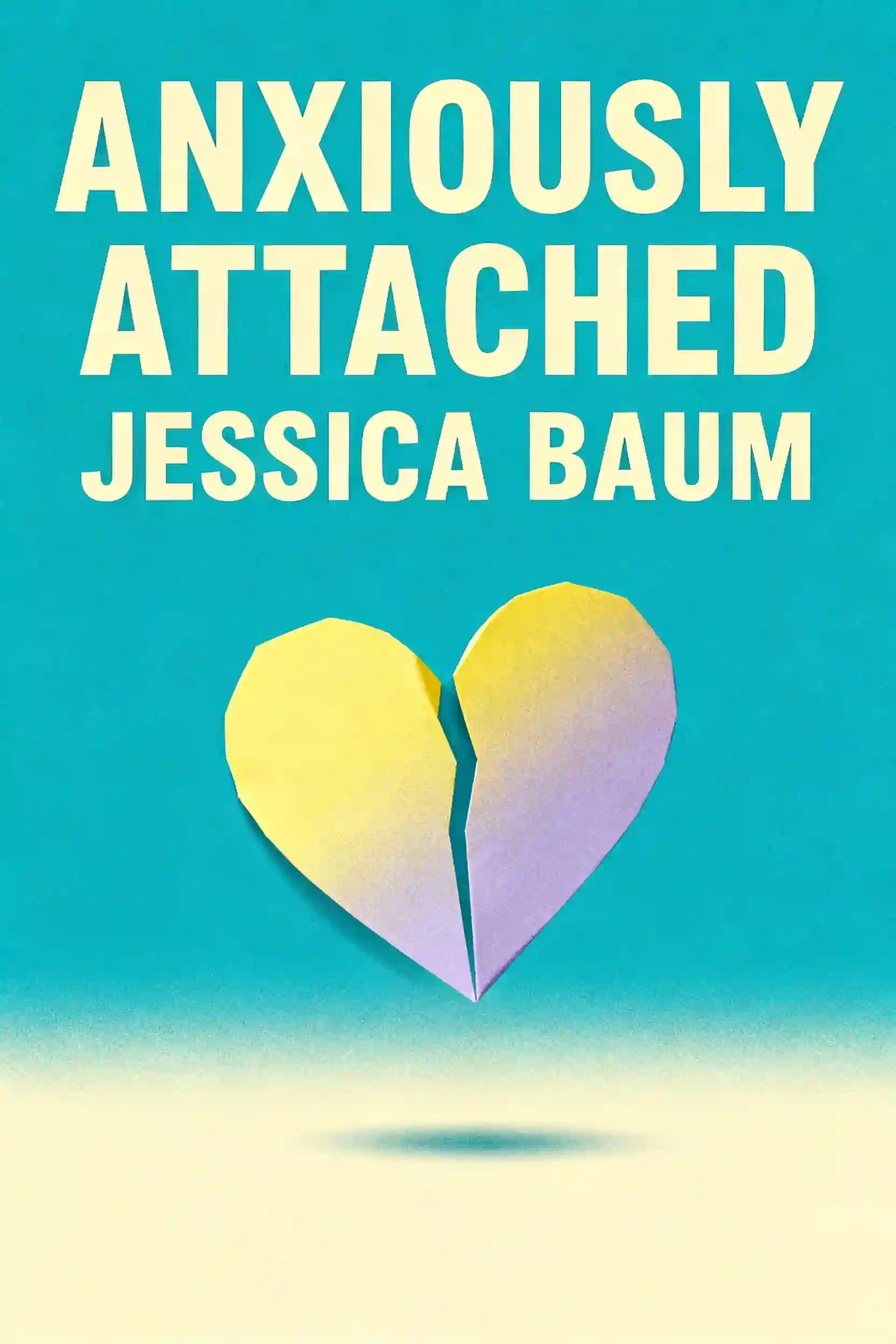
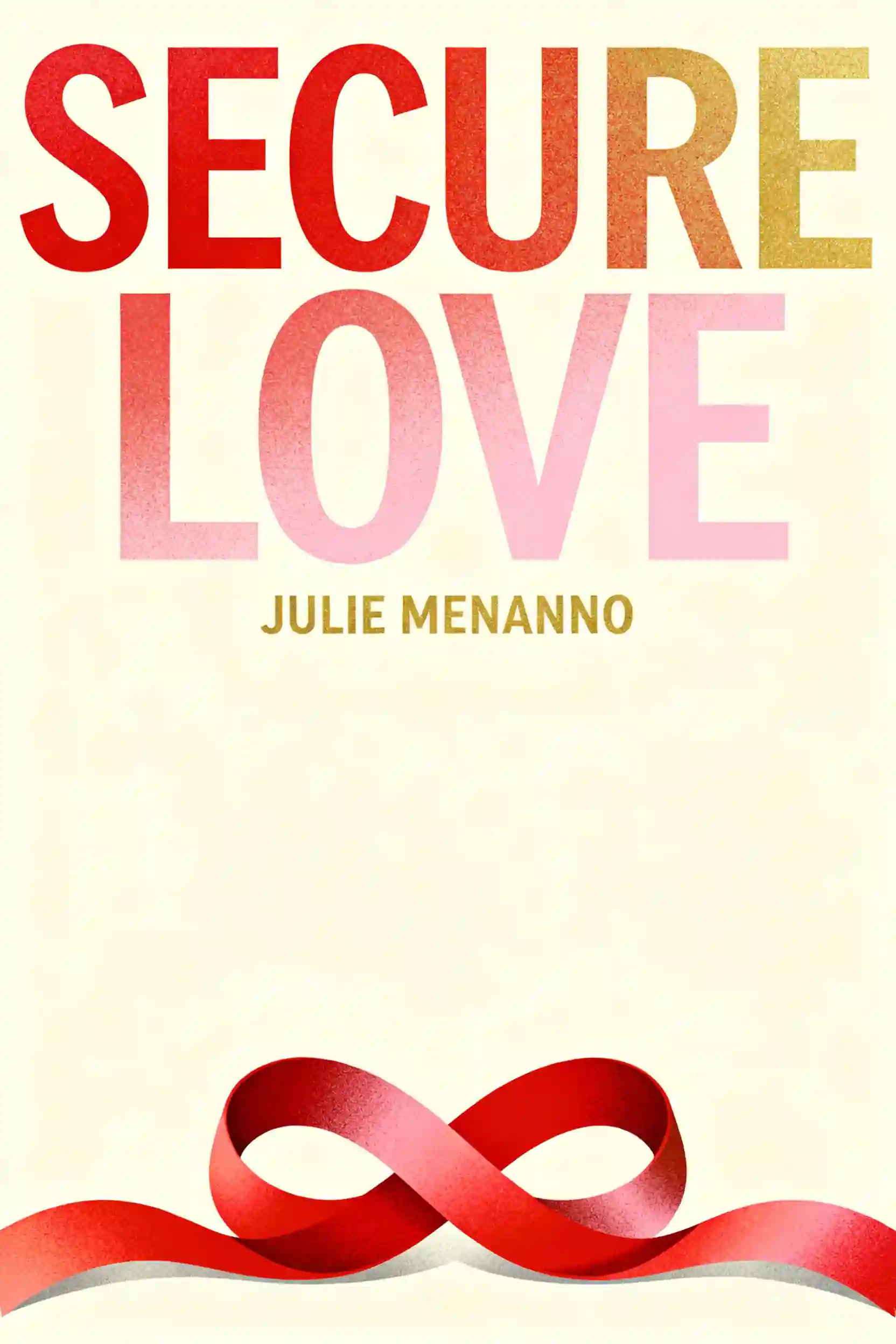
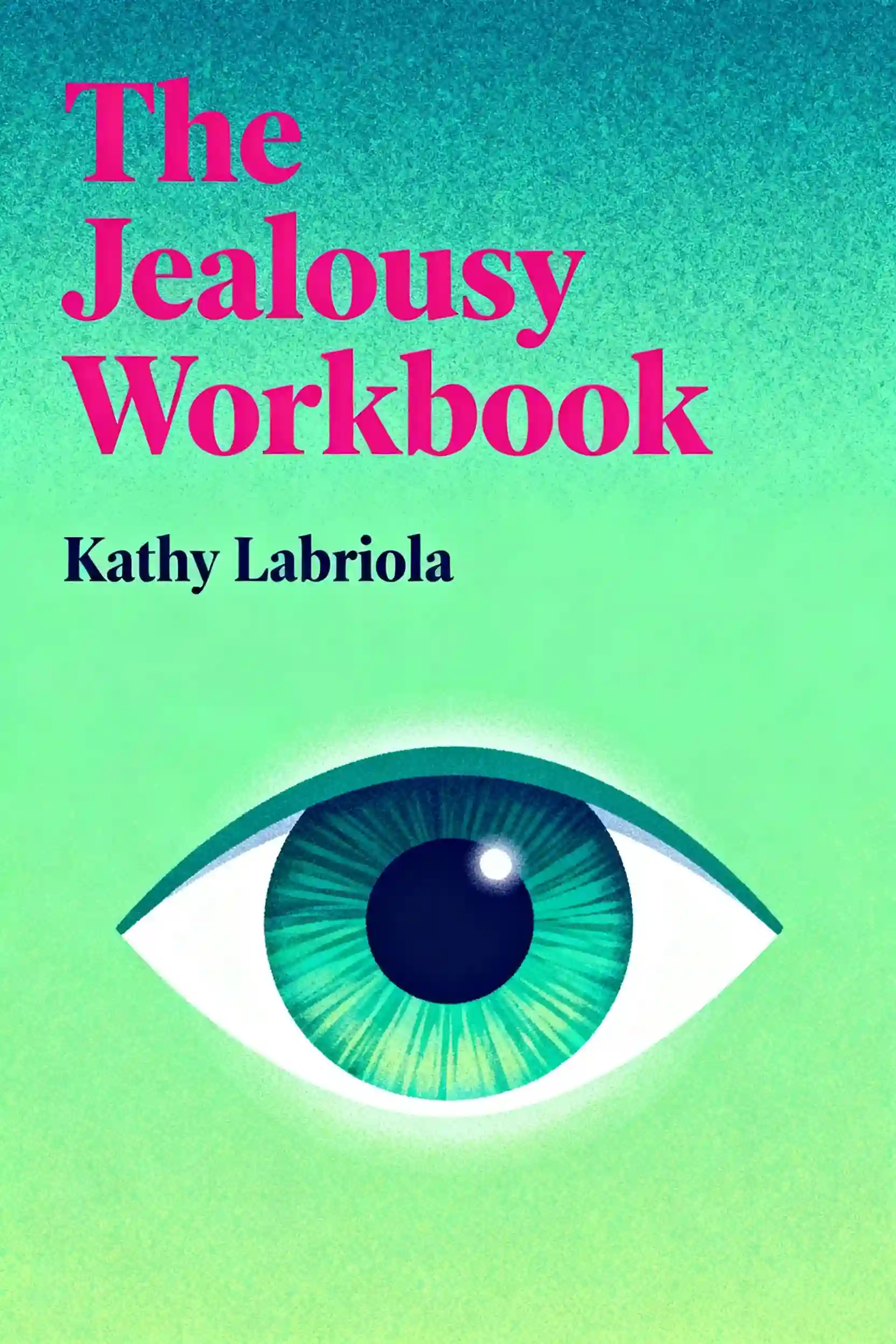
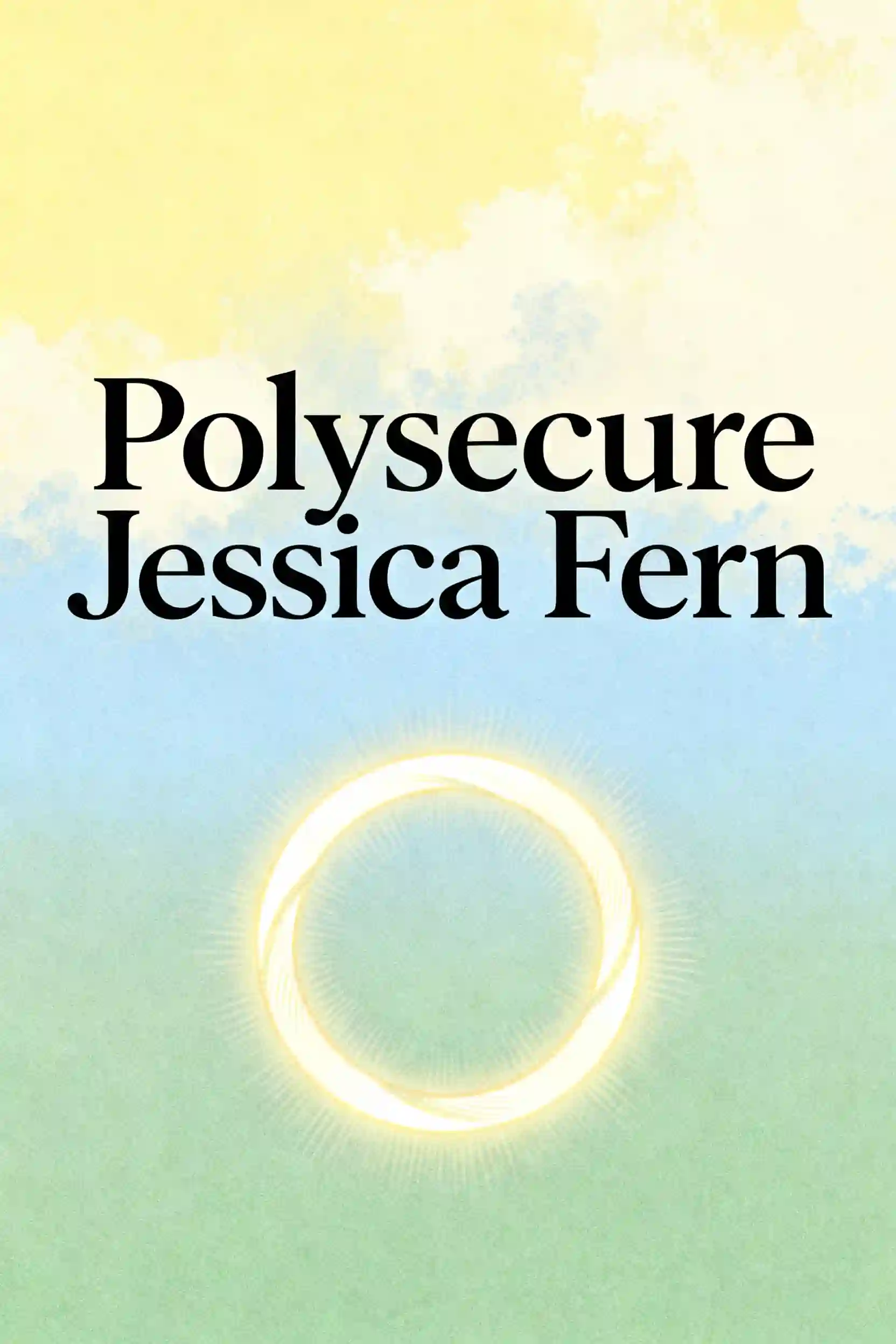

자주 묻는 질문
The reassurance loop is a cycle where an individual feels a spike of anxiety regarding their partner's past and seeks specific details or validation to feel better. While this provides a brief moment of relief, it actually acts like "gasoline on a fire" because new details often trigger new questions and intrusive thoughts. Over time, this pattern transforms the relationship into an interrogation room rather than a sanctuary, mirroring obsessive-compulsive patterns and preventing the anxious partner from learning how to sit with uncertainty.
An anxious attachment style is often a biological adaptation rooted in early childhood experiences with inconsistent caregivers. This creates an internal map where love feels unpredictable and safety must be constantly earned. In a romantic context, this causes the brain's amygdala to become hyper-vigilant, treating a partner's historical ex as a current physical threat. This "sensitive smoke detector" triggers a survival instinct that leads to surveillance behaviors, such as checking social media, as the brain desperately seeks an "all clear" signal to feel safe.
Self-sovereignty is the practice of reclaiming your individual worth by investing in hobbies, friendships, and goals that exist independently of your romantic relationship. It counters "comparison bias," which is the tendency to focus only on traits where you feel inferior to a partner's ex. By making your own world big and full, your partner’s history becomes a small footnote rather than the lead story. This shift builds "earned security," helping you realize that your value is not a fluctuating stock price based on your partner's past or gaze.
Emotion-first communication involves using vulnerable "I feel" statements rather than fear-based attacks or demands. Instead of accusing a partner (e.g., "Why do you still have that photo?"), you share the raw emotion underneath the anger (e.g., "I’m feeling insecure because my brain is replaying stories, and I’m afraid of not being enough"). This approach prevents the partner from becoming defensive and instead invites them to be an ally, creating the emotional safety necessary for deep intimacy.
One effective method is the "Pause and Label" technique, where you consciously identify a thought as "a retroactive jealousy thought, not a fact." Additionally, individuals can practice a "Reassurance Diet" by gradually reducing the number of times they ask for validation, instead using grounding methods like box breathing to self-soothe. Establishing "No-Surveillance Zones" by deleting triggering apps and maintaining a "Daily Check-in Ritual" focused on feelings and needs can also help rewire the brain's response to insecurity.
샌프란시스코에서 컬럼비아 대학교 동문들이 만들었습니다
"Instead of endless scrolling, I just hit play on BeFreed. It saves me so much time."


"I never knew where to start with nonfiction—BeFreed’s book lists turned into podcasts gave me a clear path."


"Perfect balance between learning and entertainment. Finished ‘Thinking, Fast and Slow’ on my commute this week."
"Crazy how much I learned while walking the dog. BeFreed = small habits → big gains."
"Reading used to feel like a chore. Now it’s just part of my lifestyle."

"Feels effortless compared to reading. I’ve finished 6 books this month already."
"BeFreed turned my guilty doomscrolling into something that feels productive and inspiring."

"BeFreed turned my commute into learning time. 20-min podcasts are perfect for finishing books I never had time for."
"BeFreed replaced my podcast queue. Imagine Spotify for books — that’s it. 🙌"

"It is great for me to learn something from the book without reading it."
"The themed book list podcasts help me connect ideas across authors—like a guided audio journey."
"Makes me feel smarter every time before going to work"
샌프란시스코에서 컬럼비아 대학교 동문들이 만들었습니다
"Instead of endless scrolling, I just hit play on BeFreed. It saves me so much time."
"I never knew where to start with nonfiction—BeFreed’s book lists turned into podcasts gave me a clear path."
"Perfect balance between learning and entertainment. Finished ‘Thinking, Fast and Slow’ on my commute this week."
"Crazy how much I learned while walking the dog. BeFreed = small habits → big gains."
"Reading used to feel like a chore. Now it’s just part of my lifestyle."
"Feels effortless compared to reading. I’ve finished 6 books this month already."
"BeFreed turned my guilty doomscrolling into something that feels productive and inspiring."
"BeFreed turned my commute into learning time. 20-min podcasts are perfect for finishing books I never had time for."
"BeFreed replaced my podcast queue. Imagine Spotify for books — that’s it. 🙌"
"It is great for me to learn something from the book without reading it."
"The themed book list podcasts help me connect ideas across authors—like a guided audio journey."
"Makes me feel smarter every time before going to work"
"Instead of endless scrolling, I just hit play on BeFreed. It saves me so much time."
"I never knew where to start with nonfiction—BeFreed’s book lists turned into podcasts gave me a clear path."
"Perfect balance between learning and entertainment. Finished ‘Thinking, Fast and Slow’ on my commute this week."
"Crazy how much I learned while walking the dog. BeFreed = small habits → big gains."
"Reading used to feel like a chore. Now it’s just part of my lifestyle."
"Feels effortless compared to reading. I’ve finished 6 books this month already."
"BeFreed turned my guilty doomscrolling into something that feels productive and inspiring."
"BeFreed turned my commute into learning time. 20-min podcasts are perfect for finishing books I never had time for."
"BeFreed replaced my podcast queue. Imagine Spotify for books — that’s it. 🙌"
"It is great for me to learn something from the book without reading it."
"The themed book list podcasts help me connect ideas across authors—like a guided audio journey."
"Makes me feel smarter every time before going to work"
"Instead of endless scrolling, I just hit play on BeFreed. It saves me so much time."
"I never knew where to start with nonfiction—BeFreed’s book lists turned into podcasts gave me a clear path."
"Perfect balance between learning and entertainment. Finished ‘Thinking, Fast and Slow’ on my commute this week."
"Crazy how much I learned while walking the dog. BeFreed = small habits → big gains."
"Reading used to feel like a chore. Now it’s just part of my lifestyle."
"Feels effortless compared to reading. I’ve finished 6 books this month already."
"BeFreed turned my guilty doomscrolling into something that feels productive and inspiring."
"BeFreed turned my commute into learning time. 20-min podcasts are perfect for finishing books I never had time for."
"BeFreed replaced my podcast queue. Imagine Spotify for books — that’s it. 🙌"
"It is great for me to learn something from the book without reading it."
"The themed book list podcasts help me connect ideas across authors—like a guided audio journey."
"Makes me feel smarter every time before going to work"