BeFreed
    Categories>Education>From Average to Topper: The Class 10 Success Blueprint

    From Average to Topper: The Class 10 Success Blueprint

    18분
    |
    |
    2026년 3월 3일
    EducationSelf-GrowthProductivity

    Discover how to master Class 10 by shifting from hard work to smart strategy. Learn why NCERT mastery, active recall, and a 90-day revision cycle are the secrets to jumping from average grades to a perfect 100%.

    From Average to Topper: The Class 10 Success Blueprint
    전달 방식을 선택하세요

    하나의 에피소드, 다양한 청취 방식.

    From Average to Topper: The Class 10 Success Blueprint의 같은 아이디어를 나에게 맞는 목소리, 깊이, 속도로 만나보세요. 언제든 바꿀 수 있습니다.

    전체 대본 및 챕터

    챕터 1

    The Path From Average to Topper

    Nia: You know, Miles, I was talking to a student the other day who’s just starting Class 10, and they’re already feeling the pressure of wanting to hit that 100% mark. It’s like they think they need some kind of secret superpower to go from being an average student to a topper.

    Miles: It’s a common myth, right? But the truth is actually much more practical. Scoring 95% or higher isn't about pulling all-nighters or being a "genius." In fact, the CBSE sets about 80 to 90% of their questions directly from the NCERT textbooks. It’s really about playing the game strategically and focusing on the right things at the right time.

    Nia: Exactly! It’s about the process and the habits, not just staring at the outcome. I love the idea that 90 days is actually a "sweet spot" where you have enough time to revise everything three or four times without burning out.

    Miles: Spot on. It’s all about moving from "hard" study to "smart" study by using tools like active recall and previous years' papers. Let’s break down exactly how to build that foundation and make the leap to the top.

    챕터 2

    The Blueprint for Consistency

    Building a Sustainable Study Rhythm

    Nia: You mentioned that 90-day sweet spot, Miles, and it really gets me thinking about the "how" behind the "what." If a student is sitting there right now—maybe they’ve been an "average" performer and they’re looking at Class 10 like it’s this giant mountain—how do they actually start building that foundation without immediately falling off the wagon?

    Miles: It’s all about the rhythm, Nia. I see so many students try to sprint right out of the gate—studying ten hours on day one—and by day four, they’re completely burnt out. The real "topper" secret is starting with a syllabus audit. You can’t conquer the mountain if you don’t have a map. You have to literally list every single topic for Maths, Science, Social Science—the works.

    Nia: Right, like the "traffic light" system I’ve heard about. Red for the stuff that looks like Greek, amber for the "I kind of get it but don’t ask me to explain it" topics, and green for the ones you’ve already mastered.

    Miles: Exactly. And once you have that audit, you build a timetable that’s actually human. A huge mistake is making a schedule that’s just "Study Science 4 PM to 7 PM." That’s too vague. A topper’s schedule is goal-oriented. It’s "Complete Chemical Reactions Section 1.2 and solve 5 back-exercise questions."

    Nia: That makes so much sense because it gives you that hit of dopamine when you actually cross it off. But what about the daily structure? I know some people swear by the "early bird" routine, while others are total night owls. Does it actually matter when you study?

    Miles: The best routine is the one you can actually stick to, but there is some science to it. Many high achievers use their morning—when the brain is freshest—for the "high priority" or difficult subjects. Think Physics or Maths—things that require heavy lifting and calculations. Then save the lighter stuff, like English or Hindi literature, for the afternoon slump.

    Nia: I love that. Use the big brain energy for the big problems. And I noticed in the Sisya Class materials they talk about recorded lectures. That seems like a massive safety net for that foundation, right? If you’re in class and you miss a concept, you aren’t just lost forever.

    Miles: It’s a game-changer. Being able to go back into the student portal and re-watch a specific explanation at your own pace—that’s how you turn a "red" topic into an "amber" one without the panic. It’s about having resources that support your schedule, not the other way around.

    Nia: And consistency over intensity—every single time. It’s better to do four focused hours every day than fourteen hours once a week.

    Miles: Absolutely. Consistency creates momentum, and momentum is what carries you through the months when the initial excitement of the new school year starts to fade. If you can just show up for those four to six hours daily—organized, planned, and hydrated—you’re already ahead of 90% of the competition.

    이 에피소드로 더 깊이 배우기

    이 에피소드의 아이디어를 BeFreed의 가이드 학습 경험으로 더 깊이 탐구해 보세요.

    챕터 3

    The Active Recall Revolution

    Moving Beyond Passive Reading

    Nia: Okay, so we’ve got the schedule down. But Miles, I have to bring up the "highlighting" trap. I used to be that student—the one with the neon yellow pages, thinking that if the book looked bright, the info was in my head. But it wasn't!

    Miles: Oh, the "illusion of competence." It’s so real, Nia. Re-reading and highlighting are actually some of the least effective ways to learn because they’re passive. Your brain recognizes the words, so it whispers, "Yeah, I know this," but come exam day, you can’t produce it from scratch.

    Nia: So, what’s the fix? How do we actually make it stick?

    Miles: Two words: Active Recall. It’s the single most powerful memory technique used by toppers. Instead of reading your notes, you close the book and force your brain to retrieve the information. It’s like a workout for your neural pathways.

    Nia: Like the "Blank Page" method? Where you just dump everything you remember onto a piece of paper?

    Miles: Exactly. Or the Feynman Technique—explaining a concept to a "five-year-old" or even a stuffed animal. If you can’t explain it simply, you don’t understand it. You’re finding the gaps in your knowledge in real-time.

    Nia: That sounds a bit harder than just reading, though. I can see why people avoid it.

    Miles: It feels harder because it is harder—and that’s exactly why it works. The effort of retrieval is what strengthens the memory. Research shows that students using active recall can improve their retention by up to 50% compared to those who just review notes.

    Nia: That’s a massive jump. And it’s not just about memory, right? It’s about how the exams are changing. I was looking at the 2026 patterns, and they’re moving toward more application-based and case-based questions. You can’t just "memorize" your way through a case study.

    Miles: Spot on. You need conceptual clarity. If you understand the "why" behind a chemical reaction or a mathematical formula, you can apply it to any scenario the examiner throws at you. That’s where tools like the Sisya app come in—they’ve got these AI-powered systems and instant doubt-solving. If you’re doing active recall and you hit a wall, you get that step-by-step explanation immediately.

    Nia: It’s like having an IIT-level tutor in your pocket. I also saw that many of their instructors are actually IIT or NIT graduates. That’s a high level of expertise to tap into when you're trying to move from average to topper.

    Miles: It really is. And when you combine that expert guidance with active recall—testing yourself daily, using flashcards for formulas, and doing self-quizzes—you’re not just studying; you’re training. You’re building the mental muscles to recall information under pressure, which is exactly what a board exam is.

    챕터 4

    Mastering the Question Pattern

    Using Past Papers as a Secret Weapon

    Nia: Let’s talk about the "Boss Level" of study strategies—Previous Year Question papers, or PYQs. I’ve heard toppers say they solve like 40 sample papers before the actual exam. Is that overkill or is that the secret sauce?

    Miles: It’s the secret sauce, Nia. No question about it. Solving past papers is the closest you can get to a "time machine." It shows you exactly what the examiners value. Boards like CBSE are actually quite predictable—they follow patterns. If you solve enough papers, nothing on the actual exam day will feel "new."

    Nia: So it’s not just about checking if you know the answer—it’s about the "vibe" of the exam?

    Miles: Precisely. It’s about exam stamina and time management. You might know all the Science concepts, but can you write them all down in three hours without your hand cramping or your brain freezing? You have to simulate the environment.

    Nia: I love the idea of "Phase-based" practice. Like, three months out, you’re just doing topic-wise questions. But as you get closer, you’re doing full, three-hour mock tests under strict conditions—no phone, no snacks, just you and the paper.

    Miles: And the mark scheme! That’s a huge tip people miss. Don’t just solve the paper—mark it yourself using the official mark scheme. You’ll start to see that examiners give marks for specific keywords and steps. In Maths, for example, you can get partial marks for the right formula even if your final calculation is off.

    Nia: That’s such a relief to hear. It takes some of the "perfection" pressure off. But you have to know those "command words," right? The difference between "Describe," "Explain," and "Suggest."

    Miles: Huge difference. "Describe" is just the "what." "Explain" is the "why" and "how." If you give a "describe" answer to an "explain" question, you’re leaving marks on the table. Toppers study the language of the questions as much as the content.

    Nia: It’s almost like learning a code. And speaking of resources, I saw that platforms like Sisya Class provide these previous year papers and NCERT solutions as part of their study material. It saves so much time when everything is organized in one place.

    Miles: It really does. Instead of hunting through sketchy websites for PDFs, you have a curated library. And they even have these "skill-based quizzes" and "adaptive learning games." It makes the "grind" of practicing papers feel a bit more interactive.

    Nia: I also noticed they offer demo classes. That seems like a great way for a student to see if a teacher’s style clicks with them before they commit. Because if you don’t "get" the teacher, the past papers are going to be a lot harder to crack.

    Miles: Definitely. It all comes back to that conceptual foundation. Once you have the concept, the past papers become a way to sharpen your "speed and accuracy." If you can solve 10 to 40 papers before the big day, you’ll walk into that exam hall with the confidence of someone who’s already done it forty times before.

    이 에피소드로 더 깊이 배우기

    이 에피소드의 아이디어를 BeFreed의 가이드 학습 경험으로 더 깊이 탐구해 보세요.

    챕터 5

    The Art of the Smart Note

    Creating Your Exam Day Companions

    Nia: We’ve talked about schedules and testing, but we haven't touched on the physical stuff—the notes. I’ve seen some students’ notebooks that look like literal works of art with ten different colors of ink. Is that what it takes to be a topper?

    Miles: Not necessarily, Nia. While color-coding can help with visual recall, the "smartest" notes aren't just pretty—they’re functional. The goal of a note is to be an "exam-day companion." You shouldn't be re-reading your 500-page textbook the week before the exam. You should be looking at your 20 pages of condensed, high-impact notes.

    Nia: So, less is more?

    Miles: Exactly. Think flowcharts, mind maps, and tables. For Science, you want diagrams with clear labeling. For Social Science, you want timelines. You’re trying to create "visual hooks" for your brain.

    Nia: I like the idea of an "Error Notebook," too. I read about a topper who kept a separate book just for the mistakes they made in mock tests.

    Miles: That is a legendary move. Every time you get a question wrong or hit a "tricky" concept, you put it in the Error Notebook. Then, every Sunday, you review only that book. You’re essentially "patching" the holes in your knowledge systematically.

    Nia: That’s so much more efficient than just reviewing everything. It’s targeted. And what about the "Blank Page" technique for note-making?

    Miles: It’s a great way to start a revision session. Write a topic title—say, "Trigonometry"—and write down every formula and rule you remember. Then, open your textbook and use a different color pen to add in what you missed. Those "missed" bits are exactly what you need to focus on.

    Nia: It’s like a heat map for your brain. I also think technology can play a role here. Using things like flashcard apps or even the Sisya Class app’s AI assistant to clarify a point while you’re writing your notes. If you're stuck on a definition, you just ask and get a clear, step-by-step explanation.

    Miles: Totally. And since Sisya offers recorded lectures, if you’re looking at your notes from three months ago and you can’t remember what "denature" actually means in Biology, you just find that timestamp in the video and watch that two-minute explanation again.

    Nia: It’s about building a "second brain" that’s organized for quick retrieval. And remember—notes should be in your own words. Don't just copy the textbook. If you can’t rephrase it, you don’t own the knowledge yet.

    Miles: That’s the golden rule. Interpret, rephrase, and then write. It forces your brain to process the information, which is the first step of long-term retention. By the time you get to the final month, those notes will be your best friends. You’ll look at one mind map and an entire chapter will just "unfold" in your memory.

    챕터 6

    The Science of Revision and Memory

    Using Spaced Repetition to Win the Long Game

    Nia: Okay, Miles, let’s get into the "Spaced Repetition" thing. I hear this term a lot in study-science circles. It sounds fancy, but how does an "average" student actually use it to become a topper?

    Miles: It’s actually pretty simple—it’s just about timing. Think about it like this: your brain is designed to forget. It’s a survival mechanism. If you study something today, you’ll forget about 50 to 80% of it within a few days unless you review it. Spaced repetition is the hack that "resets" the forgetting curve.

    Nia: So, instead of cramming for ten hours once, you do one hour, then review it a day later, then three days later, then a week later?

    Miles: Exactly. You’re reviewing the material just as you’re about to forget it. Every time you "rescue" that memory, it gets stronger and lasts longer. Toppers use a "3-Stage Revision" formula. Revision one happens within 24 hours—that moves it into short-term memory. Revision two happens after a week. Revision three? A month later.

    Nia: That sounds like a lot of tracking. How do you keep it all straight?

    Miles: You can use a simple calendar or a "revision tracker" in your notebook. Or, you use digital tools. Apps like Anki or Quizlet are built on these algorithms. But even just having a "Sunday Revision" ritual works—where you don't study anything new, you only review the "High Priority" topics from the past few weeks.

    Nia: I like that "Sunday Revision" idea. It takes the pressure off "learning" and makes it about "maintaining." I was also thinking about how a platform like Sisya Class supports this. Since they have structured homework support and daily live classes, you’re naturally getting that repetition. You hear it in class, you do it in homework, and then you see it in a quiz.

    Miles: Right, and they have those skill-based quizzes and adaptive learning games. It’s spaced repetition disguised as fun. If you get a question wrong in a quiz, the system knows to show it to you again later. It’s personalized learning that adapts to your specific "forgetting curve."

    Nia: And we can’t forget the "Interleaving" part of the science, too. Mixing up subjects. Instead of doing four hours of only Maths, you do two hours of Maths and then switch to English. It keeps the brain "alert."

    Miles: Definitely. Interleaving feels harder because your brain has to "re-load" the rules for each subject, but that "re-loading" process is what creates deep, flexible knowledge. It prepares you for the exam, where you’re jumping from one type of problem to another constantly.

    Nia: So the science is basically: test yourself often, space out your reviews, and mix up your subjects. It’s not magic; it’s just neurobiology.

    Miles: Exactly. If you follow the science, you don’t have to work "harder" in terms of hours—you just have to work "smarter" in terms of timing. That’s how you go from struggling to remember what you read yesterday to being the person who knows the answer before the teacher even finishes the question.

    이 에피소드로 더 깊이 배우기

    이 에피소드의 아이디어를 BeFreed의 가이드 학습 경험으로 더 깊이 탐구해 보세요.

    챕터 7

    The Practical Playbook for Success

    Step-by-Step Actions for the Listener

    Nia: We’ve covered so much ground, Miles. If I’m a student listening to this right now—maybe I’m in Class 10, maybe I’m feeling like I’m currently "average" but I want that 95%—what is my Day One "Topper Playbook"?

    Miles: Step one: Get your map. Go to the official board website or use the resources on Sisya Class to download the latest syllabus and marking scheme. Traffic light your topics today. Don’t wait for "Monday." Start with what you don’t know.

    Nia: Step two: Build that "Human" Timetable. Not a robot schedule—a human one. Four to six focused hours. Include breaks—the Pomodoro technique is great. 25 minutes of work, 5 minutes of stretching or hydration. And stick to it!

    Miles: Step three: Buy a separate "Error Notebook." Every mistake you make from today onward—in class, in homework, in mock tests—goes in there. It’s going to be your most valuable possession by February.

    Nia: Step four: Focus on the foundation. Master the NCERT textbooks first. Don't get distracted by five different reference books. 80 to 90% of the exam comes from those NCERT pages. Use the NCERT solutions and exemplar problems available on the Sisya app if you get stuck.

    Miles: Step five: Start Active Recall immediately. No more passive reading. If you read a page, close the book and summarize it out loud. Teach it to your dog. Just get it out of your head and into the world.

    Nia: Step six: Use the tools available to you. If you’re struggling with a subject like Science or Maths, don’t just suffer in silence. Book a demo class, watch a recorded lecture, or use an AI doubt-solver. Toppers aren't afraid to ask for help—they’re just proactive about getting it.

    Miles: And step seven: Solve those papers. Aim for at least 10 full papers per subject, but try to push for more. Time yourself. Mark your own work strictly. Learn the "language" of the mark scheme.

    Nia: It’s a lot, but when you break it down like that, it feels totally doable. It’s just a series of small, smart choices made every day. It’s about building the "Topper Mindset"—believing that consistency beats "genius" every single time.

    Miles: You’ve hit the nail on the head, Nia. It’s not about where you start; it’s about the system you follow. If you have the right strategy, the right resources—like those IIT-expert led classes—and a bit of grit, that 100% isn't just a dream. It’s a predictable outcome.

    챕터 8

    Closing Reflection and Wrap-up

    Your Journey Starts with a Single Step

    Nia: Wow, Miles. I feel like we’ve really demystified the whole "topper" thing today. It’s not some exclusive club for people born with extra brain cells. It’s for anyone willing to audit their syllabus, test themselves, and stay consistent.

    Miles: Absolutely. It’s about being "proactive" instead of "reactive." Don’t wait for the exam to feel the pressure—simulate the pressure now in your study sessions so that when the real thing comes, you’re the calmest person in the room.

    Nia: I love that. And for everyone listening, remember that it’s okay to start small. Maybe today you just do your syllabus audit and look at one recorded lecture on a topic you’ve been avoiding. That’s a win.

    Miles: Exactly. Consistency is a muscle. You build it one day at a time. Whether you’re using the Sisya app to solve a quick doubt or sitting down for a full three-hour mock test, you’re moving the needle.

    Nia: It’s been so great exploring these strategies with you, Miles. It really changes the perspective from "I have to study" to "I’m training for success."

    Miles: It’s a powerful shift. To everyone out there starting their Class 10 journey—or any board year—you’ve got this. Use the tools, trust the science, and don't forget to take care of your health and sleep along the way. Your brain needs rest to consolidate all that amazing work you’re doing.

    Nia: So true. Take a second to reflect on which of these tips felt most "doable" for you right now. Was it the Error Notebook? The "Blank Page" method? Whatever it is, try it out today.

    Miles: Thanks for joining us for this deep dive into smart study habits. It’s been a blast.

    Nia: It really has. Good luck to everyone on their path from average to topper—we’re rooting for you! Thank you so much for listening and for investing this time in your own growth. Reflect on what you’ve learned, pick one action, and go for it.

    ★★★★★

    From Average to Topper: The Class 10 Success Blueprint의 끝까지 도달했어요

    “23일째 매일 사용하고 있어요. 이제 제 일상의 한 부분이 되었습니다.”

    jayallen

    From Average to Topper: The Class 10 Success Blueprint 베스트 인용

    “

    Scoring 95% or higher isn't about pulling all-nighters or being a 'genius.' It’s about moving from 'hard' study to 'smart' study by using tools like active recall and previous years' papers.

    ”
    P

    Generated by Piyush

    질문 입력

    How to start a new board class like class 10 and study smartly from the starting for acting exh exam and got 100% and jumping from average to topper

    호스트 음성
    Niaplay
    Milesplay
    지식 출처
    How to Pass Exams
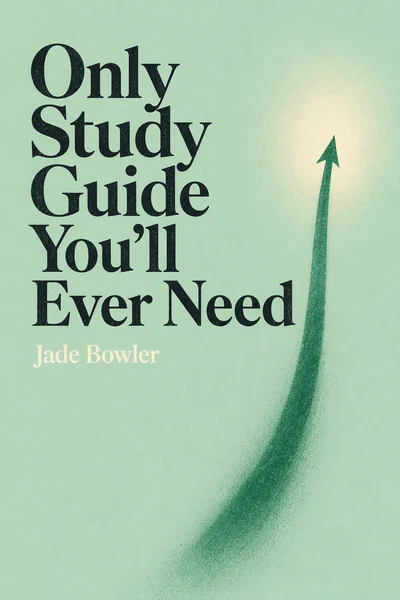
    Only Study Guide You'll Ever Need
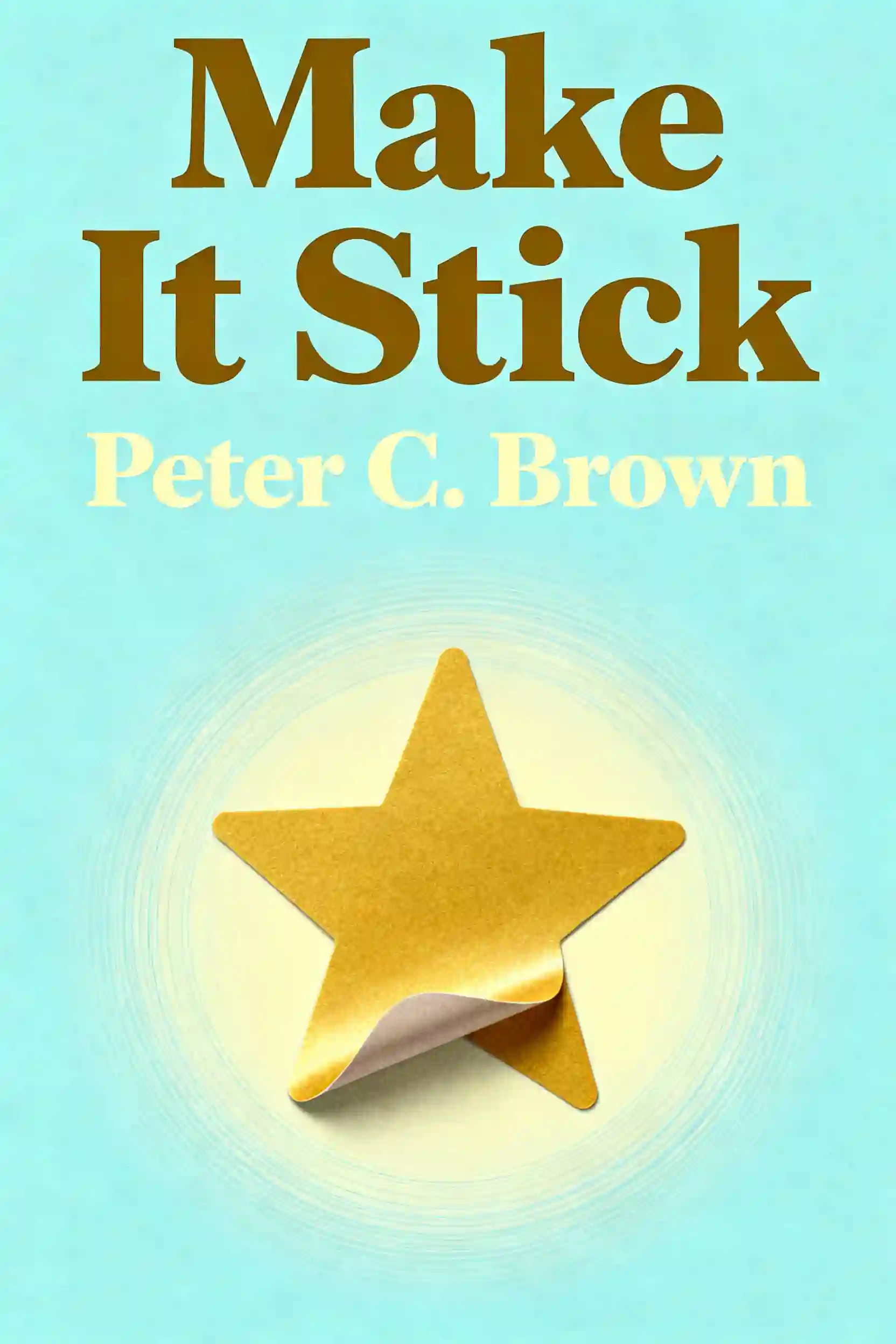
    Make It Stick: The Science of Successful Learning
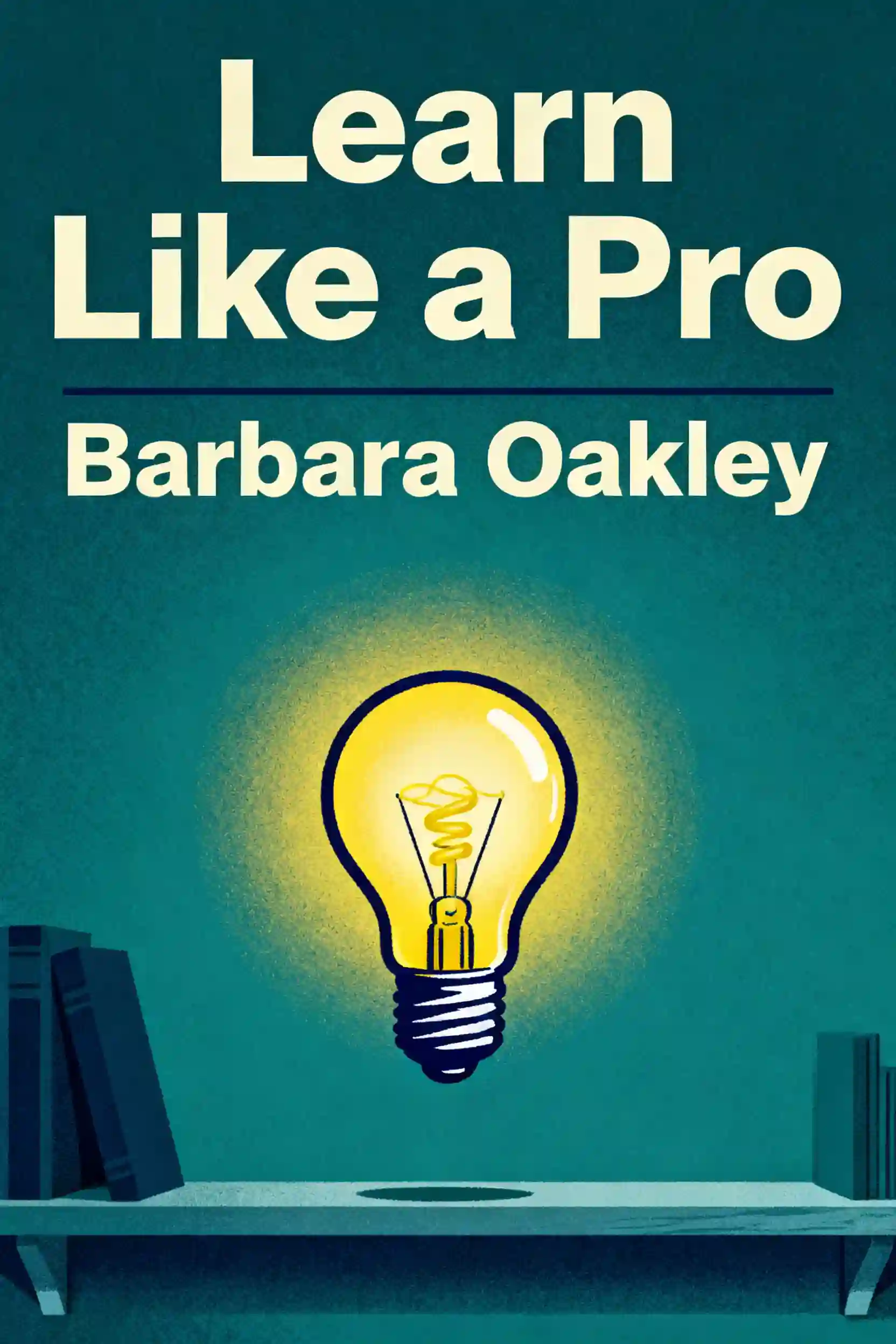
    Learn Like a Pro
    The Science of Rapid Skill Acquisition
    Peak performance

    자주 묻는 질문

    The traffic light system is a method used to categorize study topics based on your level of understanding. You mark topics as "Red" if they are completely unfamiliar or difficult, "Amber" if you have a basic understanding but cannot explain them clearly, and "Green" for topics you have fully mastered. This allows you to prioritize your study time effectively, focusing first on moving "Red" topics toward "Green."

    Passive studying, such as re-reading or highlighting, often creates an "illusion of competence" where you recognize information but cannot reproduce it. Active Recall is a high-effort technique where you close your book and force your brain to retrieve information from memory. Methods include the "Blank Page" technique, where you write down everything you remember about a topic, or the Feynman Technique, which involves explaining a concept in simple terms as if teaching it to someone else.

    Solving past papers acts as a "time machine" because board exams like the CBSE often follow predictable patterns. Beyond testing your knowledge, practicing with PYQs helps you build exam stamina, improve time management, and understand the "language" of the exam. By reviewing the official marking schemes, students can also learn exactly which keywords and steps examiners require to award full marks.

    Spaced repetition is a technique designed to counteract the brain's natural tendency to forget information over time. The 3-stage formula suggests reviewing material at specific intervals to strengthen long-term retention: the first revision should happen within 24 hours of initial learning, the second revision after one week, and the third revision one month later. This "resets" the forgetting curve and ensures the information sticks.

    An Error Notebook is a dedicated space where a student records every mistake they make during homework, classwork, or mock tests. Instead of generally reviewing all material, the student uses this notebook to systematically "patch" specific gaps in their knowledge. Reviewing this notebook every Sunday ensures that the same mistakes are not repeated during the actual board exam.

    컬럼비아 대학교 동문들이 제작 | 샌프란시스코에서 개발

    BeFreed는 호기심 넘치는 글로벌 커뮤니티를 하나로 연결합니다

    4.7

    평균 평점

    앱 평가 7.84천 개 이상

    BeFreed 커뮤니티

    정말이지 아직 앱을 다 써 보지도 않았는데, 며칠 써 본 것만으로도 깊은 인상을 받았어요… BeFreed는 제가 써 본 어떤 학습 앱과도 차원이 달라요. 몰입감이 엄청나고 집중력도 실제로 좋아져서, 스마트폰을 하염없이 스크롤하는 분들께 딱이에요!

    @ladyInfinity

    정확히 23일 전에 BeFreed를 구입했는데, 그날부터 하루도 빠짐없이 쓰고 있어요. 제 일상 업무 흐름과 학습 습관에 완전히 자리 잡았어요.

    @jayallen

    솔직히 이 앱은 제 기대를 전부 뛰어넘었어요. 어떤 주제든 오디오로 만들어 달라고 할 수 있고, 결과물이 놀라워요. 제 전문 분야는 심리치료 쪽이고 여러 학문이 얽혀 있는데도 답변이 아주 정확해요.

    @Raguipa

    제일 고마운 건 스크롤하는 시간이 확 줄었다는 거예요. 검색하는 시간은 줄고 흡수하는 시간은 늘었어요. 오디오북 전권, 팟캐스트, 학습 플랜의 조합이 정말 훌륭해요.

    @colonyofcreatorsNGO

    저는 24년째 PhotoReading 속진 학습 강사로 일하고 있어요… 책과 독서, 배움이 제 전문인데, BeFreed는 정보를 소화하기 쉽게 전달하는 혁신적인 방식을 정말 잘 구현했어요.

    @BeFreed user

    단순한 책 요약 앱이 아니에요. '재미' 스타일을 써 봤는데, 전통적인 방식보다 훨씬 나은 요약이고 아이디어를 이해하기도 쉬워요. 이것만으로도 값어치를 해요.

    @austinakon

    이 앱이 정말 좋아요. 며칠 써 봤는데 듣는 걸 멈출 수가 없어요. 시작하기에 이보다 좋을 수 없어요.

    @jcrules328

    정말 마음에 들어요. 한 달 정도 써 봤는데 숨은 보석을 찾은 기분이에요. BeFreed로 제가 원하는 주제를 직접 만들 수 있어서 좋고, 목소리도 훌륭한 데다 내레이션 선택지가 무궁무진해요.

    @DanielCZ

    정말이지 아직 앱을 다 써 보지도 않았는데, 며칠 써 본 것만으로도 깊은 인상을 받았어요… BeFreed는 제가 써 본 어떤 학습 앱과도 차원이 달라요. 몰입감이 엄청나고 집중력도 실제로 좋아져서, 스마트폰을 하염없이 스크롤하는 분들께 딱이에요!

    @ladyInfinity

    정확히 23일 전에 BeFreed를 구입했는데, 그날부터 하루도 빠짐없이 쓰고 있어요. 제 일상 업무 흐름과 학습 습관에 완전히 자리 잡았어요.

    @jayallen

    솔직히 이 앱은 제 기대를 전부 뛰어넘었어요. 어떤 주제든 오디오로 만들어 달라고 할 수 있고, 결과물이 놀라워요. 제 전문 분야는 심리치료 쪽이고 여러 학문이 얽혀 있는데도 답변이 아주 정확해요.

    @Raguipa

    제일 고마운 건 스크롤하는 시간이 확 줄었다는 거예요. 검색하는 시간은 줄고 흡수하는 시간은 늘었어요. 오디오북 전권, 팟캐스트, 학습 플랜의 조합이 정말 훌륭해요.

    @colonyofcreatorsNGO

    저는 24년째 PhotoReading 속진 학습 강사로 일하고 있어요… 책과 독서, 배움이 제 전문인데, BeFreed는 정보를 소화하기 쉽게 전달하는 혁신적인 방식을 정말 잘 구현했어요.

    @BeFreed user

    단순한 책 요약 앱이 아니에요. '재미' 스타일을 써 봤는데, 전통적인 방식보다 훨씬 나은 요약이고 아이디어를 이해하기도 쉬워요. 이것만으로도 값어치를 해요.

    @austinakon

    이 앱이 정말 좋아요. 며칠 써 봤는데 듣는 걸 멈출 수가 없어요. 시작하기에 이보다 좋을 수 없어요.

    @jcrules328

    정말 마음에 들어요. 한 달 정도 써 봤는데 숨은 보석을 찾은 기분이에요. BeFreed로 제가 원하는 주제를 직접 만들 수 있어서 좋고, 목소리도 훌륭한 데다 내레이션 선택지가 무궁무진해요.

    @DanielCZ

    유용한 정보와 아이디어를 8~15분짜리 팟캐스트 스타일 오디오로 압축해서 들을 수 있다는 게 정말 좋아요. 원래 팟캐스트는 군더더기가 많아서 안 좋아했는데, 여기는 그걸 싹 걷어냈어요.

    @BeFreed user

    박사 과정을 마무리하는 중이라 낯선 자료를 많이 읽어야 해요… BeFreed에서는 프롬프트만 입력하면 앱이 자료를 찾아서 오디오 팟캐스트로 만들어 줘요. BeFreed의 과정이 NotebookLM보다 더 매끄럽게 느껴져요.

    @Brad

    아침을 준비하거나 산책하거나 출퇴근할 때 들을 것을 YouTube에서 자주 찾곤 했는데, BeFreed는 광고도 군더더기도 없이 훨씬 더 딱 맞는 걸 들려줘요!

    @BeFreed user

    이 플랫폼의 가장 큰 장점은 활용도예요. 다루지 못하는 주제가 말 그대로 하나도 없어요. 무엇을 던져도 다 소화해요… 제한이 전혀 없으면서 약속을 실제로 지키는 학습 도구는 정말 드물어요.

    @jayallen

    BeFreed는 환상적이에요. 디자인이 편해서 헤매는 시간은 줄고 배우는 시간은 늘었어요. 오디오북, 팟캐스트, 학습 플랜의 조합은 천재적이에요. 제 하루가 완전히 달라졌어요.

    @BeFreed user

    처음엔 이탈리아어로 팟캐스트를 만드는 방법을 이해하는 데 시간이 좀 걸렸는데, 알고 나니까 — 와! 정말 대단해요! 어떤 주제든 설명해 달라고 하면 정말 똑똑하게 잘 설명해 줘요!

    @matteo77

    BeFreed는 제가 매일 쓰는 오디오북 앱이 됐어요… 제일 마음에 드는 건 텍스트를 넣으면 이동 중에도 들을 수 있는 오디오로 만들어 준다는 점이에요.

    @kotanzu1

    유용한 정보와 아이디어를 8~15분짜리 팟캐스트 스타일 오디오로 압축해서 들을 수 있다는 게 정말 좋아요. 원래 팟캐스트는 군더더기가 많아서 안 좋아했는데, 여기는 그걸 싹 걷어냈어요.

    @BeFreed user

    박사 과정을 마무리하는 중이라 낯선 자료를 많이 읽어야 해요… BeFreed에서는 프롬프트만 입력하면 앱이 자료를 찾아서 오디오 팟캐스트로 만들어 줘요. BeFreed의 과정이 NotebookLM보다 더 매끄럽게 느껴져요.

    @Brad

    아침을 준비하거나 산책하거나 출퇴근할 때 들을 것을 YouTube에서 자주 찾곤 했는데, BeFreed는 광고도 군더더기도 없이 훨씬 더 딱 맞는 걸 들려줘요!

    @BeFreed user

    이 플랫폼의 가장 큰 장점은 활용도예요. 다루지 못하는 주제가 말 그대로 하나도 없어요. 무엇을 던져도 다 소화해요… 제한이 전혀 없으면서 약속을 실제로 지키는 학습 도구는 정말 드물어요.

    @jayallen

    BeFreed는 환상적이에요. 디자인이 편해서 헤매는 시간은 줄고 배우는 시간은 늘었어요. 오디오북, 팟캐스트, 학습 플랜의 조합은 천재적이에요. 제 하루가 완전히 달라졌어요.

    @BeFreed user

    처음엔 이탈리아어로 팟캐스트를 만드는 방법을 이해하는 데 시간이 좀 걸렸는데, 알고 나니까 — 와! 정말 대단해요! 어떤 주제든 설명해 달라고 하면 정말 똑똑하게 잘 설명해 줘요!

    @matteo77

    BeFreed는 제가 매일 쓰는 오디오북 앱이 됐어요… 제일 마음에 드는 건 텍스트를 넣으면 이동 중에도 들을 수 있는 오디오로 만들어 준다는 점이에요.

    @kotanzu1

    웹에서 BeFreed가 어떻게 논의되고 있는지 더 보기
    129.7K19.5K
    55.2K19.2K
    154.2K10827355
    48.1K2.5K
    81.2K6.6K
    82.3K1.8K
    지금 바로 학습 여정을 시작하세요
    BeFreed 앱
    BeFreed

    무엇이든 개인화된 학습

    DiscordLinkedIn
    추천 도서 요약
    Crucial ConversationsThe Perfect MarriageInto the WildNever Split the DifferenceAttachedGood to GreatSay Nothing
    인기 카테고리
    Self HelpCommunication SkillRelationshipMindfulnessPhilosophyInspirationProductivity
    유명인 추천 도서
    Elon MuskCharlie KirkBill GatesSteve JobsAndrew HubermanJoe RoganJordan Peterson
    수상작 컬렉션
    Pulitzer PrizeNational Book AwardGoodreads Choice AwardsNobel Prize in LiteratureNew York TimesCaldecott MedalNebula Award
    추천 주제
    ManagementAmerican HistoryWarTradingStoicismAnxietySex
    연도별 베스트 도서
    2025 Best Non Fiction Books2024 Best Non Fiction Books2023 Best Non Fiction Books
    추천 저자
    Chimamanda Ngozi AdichieGeorge OrwellO. J. SimpsonBarbara O'NeillWinston ChurchillCharlie Kirk
    BeFreed vs 다른 앱
    BeFreed vs. Other Book Summary AppsBeFreed vs. ElevenReaderBeFreed vs. ReadwiseBeFreed vs. Anki
    학습 도구
    Knowledge VisualizerAI Podcast Generator
    정보
    회사 소개arrow
    가격arrow
    FAQarrow
    블로그arrow
    채용arrow
    파트너십arrow
    앰배서더 프로그램arrow
    디렉토리arrow
    BeFreed
    Try now
    © 2026 BeFreed
    이용 약관개인정보 처리방침
    BeFreed

    무엇이든 개인화된 학습

    DiscordLinkedIn
    추천 도서 요약
    Crucial ConversationsThe Perfect MarriageInto the WildNever Split the DifferenceAttachedGood to GreatSay Nothing
    인기 카테고리
    Self HelpCommunication SkillRelationshipMindfulnessPhilosophyInspirationProductivity
    유명인 추천 도서
    Elon MuskCharlie KirkBill GatesSteve JobsAndrew HubermanJoe RoganJordan Peterson
    수상작 컬렉션
    Pulitzer PrizeNational Book AwardGoodreads Choice AwardsNobel Prize in LiteratureNew York TimesCaldecott MedalNebula Award
    추천 주제
    ManagementAmerican HistoryWarTradingStoicismAnxietySex
    연도별 베스트 도서
    2025 Best Non Fiction Books2024 Best Non Fiction Books2023 Best Non Fiction Books
    학습 도구
    Knowledge VisualizerAI Podcast Generator
    추천 저자
    Chimamanda Ngozi AdichieGeorge OrwellO. J. SimpsonBarbara O'NeillWinston ChurchillCharlie Kirk
    BeFreed vs 다른 앱
    BeFreed vs. Other Book Summary AppsBeFreed vs. ElevenReaderBeFreed vs. ReadwiseBeFreed vs. Anki
    정보
    회사 소개arrow
    가격arrow
    FAQarrow
    블로그arrow
    채용arrow
    파트너십arrow
    앰배서더 프로그램arrow
    디렉토리arrow
    BeFreed
    Try now
    © 2026 BeFreed
    이용 약관개인정보 처리방침

    비슷한 콘텐츠

    Become Intellectually Unstoppable 책 표지
    The Only Study Guide You'll Ever NeedLearn Like a ProThe Science of Rapid Skill AcquisitionThe Art of Impossible
    18 sources
    Become Intellectually Unstoppable
    Discover how the top 1% of students build a 'second brain' to master material effortlessly. Learn the science-backed systems that transform ordinary studying into extraordinary academic performance.
    13 min
    The Success Blueprint: What High Achievers Really Know 책 표지
    The Great CEO WithinThe Law of SuccessHow Successful People Think
    3 sources
    The Success Blueprint: What High Achievers Really Know
    Discover the mental frameworks, strategic systems, and proven principles that separate high achievers from everyone else, based on timeless wisdom from Napoleon Hill, Matt Mochary, and John Maxwell.
    13 min
    Overachiever's Confidence Blueprint: From Wins to Wins 책 표지
    source 1source 2source 3source 4
    6 sources
    Overachiever's Confidence Blueprint: From Wins to Wins
    Transform your past achievements into unstoppable future confidence. Learn to systematically mine your success history, rewire limiting narratives, and build the neural pathways that make extraordinary performance feel automatic.
    8 min
    Four Levels of Academic Advantage 책 표지
    The Only Study Guide You'll Ever NeedBounce: Mozart, Federer, Picasso, Beckham, and the Science of SuccessHow to Become a Straight-A StudentThe Science of Rapid Skill Acquisition
    22 sources
    Four Levels of Academic Advantage
    Discover why being ahead of classmates isn't about cramming harder—it's about transforming how you think about learning itself through four strategic levels of academic advantage.
    29 min
    Study Smarter: The Science of High Performance 책 표지
    Make It StickLearn Like a ProHow to Pass ExamsThe Memory Book
    27 sources
    Study Smarter: The Science of High Performance
    Discover why top students spend less time studying and more time mastering material. Learn research-backed techniques like active recall and spaced repetition to break the cycle of passive learning.
    35 min
    Master the Science of Efficient Learning 책 표지
    Learn Like a ProMake It StickHow to Pass ExamsThe Only Study Guide You'll Ever Need
    22 sources
    Master the Science of Efficient Learning
    Discover research-backed techniques used by millions to transform how you study through focused/diffuse thinking modes, active recall strategies, and optimal environment design—all scientifically proven to maximize learning efficiency.
    16 min
    How to Become a Straight-A Student 책 표지
    How to Become a Straight-A Student
    Cal Newport
    Unlock the secrets of top students to ace exams, write stellar papers, and maximize free time in college.
    26 min
    Master Grad School: Science-Backed Success Strategies 책 표지
    source 1source 2source 3source 4
    6 sources
    Master Grad School: Science-Backed Success Strategies
    Transform your graduate school experience with proven techniques from leading research. Learn time management secrets, effective study methods, and mindset shifts that help you thrive, not just survive.
    8 min

    Recommended Learning Plans

    Start revising as GCSE student coasting
    학습 계획

    Start revising as GCSE student coasting

    This plan is designed for high-potential GCSE students who have relied on natural ability but now need structured systems to excel. It bridges the gap between passive learning and peak exam performance by introducing scientific study habits and mental resilience.

    5 h 32 m•4 섹션
    Improve school performance
    학습 계획

    Improve school performance

    This learning plan is essential for students who feel overwhelmed by their workload or struggle to translate effort into high grades. It provides a comprehensive roadmap for anyone looking to transition from passive learning to strategic academic mastery through proven systems.

    5 h 3 m•4 섹션
    The Science of Test Mastery
    학습 계획

    The Science of Test Mastery

    This learning plan is essential for students and professionals facing high-stakes technical or academic examinations. It provides a comprehensive framework that bridges cognitive science with practical test-taking strategies to ensure peak performance under pressure.

    35 m•5 섹션
    Mastering the Science of Learning
    학습 계획

    Mastering the Science of Learning

    This plan is essential for students, professionals, and lifelong learners who want to move beyond rote memorization toward true cognitive mastery. It leverages neuroplasticity and evidence-based strategies to transform how you absorb and apply information in any field.

    2 h 30 m•5 섹션
    Road to 1000: The Blunder-Free Blueprint
    학습 계획

    Road to 1000: The Blunder-Free Blueprint

    This plan is designed for beginners struggling to break the 1000 ELO barrier due to inconsistent play. It focuses on the high-impact habits and tactical awareness needed to stabilize your game and outlast club-level opponents.

    2 h•4 섹션
    From Messy Notes to Test-Day Calm
    학습 계획

    From Messy Notes to Test-Day Calm

    Many students struggle with exam anxiety and inefficient study habits that lead to poor retention. This plan is designed for learners who want to replace frantic cramming with structured note-taking and science-based retrieval methods to ensure peak performance under pressure.

    1 h 30 m•3 섹션
    The Driver’s Seat: Mastering Your Mind
    학습 계획

    The Driver’s Seat: Mastering Your Mind

    In an era of constant distraction and information overload, mastering your own cognitive processes is the ultimate competitive advantage. This plan is designed for professionals and students who want to reclaim their focus, optimize their learning speed, and achieve deep mastery in complex subjects.

    2 h•4 섹션
    Mastery of Self and Social Control
    학습 계획

    Mastery of Self and Social Control

    This plan is essential for individuals seeking to transition from being reactive to becoming proactive architects of their own success. It is ideal for ambitious professionals and leaders who want to blend psychological self-mastery with high-level social and strategic intelligence.

    3 h 45 m•5 섹션