정말이지 아직 앱을 다 써 보지도 않았는데, 며칠 써 본 것만으로도 깊은 인상을 받았어요… BeFreed는 제가 써 본 어떤 학습 앱과도 차원이 달라요. 몰입감이 엄청나고 집중력도 실제로 좋아져서, 스마트폰을 하염없이 스크롤하는 분들께 딱이에요!
@ladyInfinity
F1 started as a dangerous post-war escape and became a high-tech global sport. Trace its evolution through engineering wars to see how the grid changed.

F1 is a constant cycle of innovation, exploitation, and then regulation. It’s a reminder that constraints often spark the most creative solutions.
History of F1 from start to present.






The Rear-Engine Revolution occurred in the late 1950s and early 1960s when teams like Cooper and Lotus challenged the "horse before the cart" mentality by moving the engine from the front of the car to behind the driver. This shift, proven successful by drivers like Jack Brabham, made cars more balanced and less "nose-heavy." By 1961, the transition was so complete that front-engined cars became obsolete relics, setting the mechanical template for every Formula 1 car that followed.
Ground effect is a principle of fluid dynamics where the underside of the car is used to create a low-pressure zone, essentially vacuuming the car onto the track. In the late 1970s, Colin Chapman achieved this using sidepods shaped like inverted airplane wings and rubber "skirts" that sealed the air beneath the chassis. This allowed cars to corner at frighteningly high speeds because they were "glued" to the asphalt, though it was dangerous because any break in the seal caused an instantaneous loss of all grip.
The FISA-FOCA war was a high-stakes political and legal battle in the late 1970s and early 1980s between the sport's governing body (FISA) and the teams' association (FOCA), led by Bernie Ecclestone. They fought over technical rules and television revenues, leading to race boycotts and threats of a rival series. The conflict ended with the first Concorde Agreement in 1981, which professionalized the business side of the sport, formalized profit-sharing, and paved the way for F1 to become a global multi-billion dollar juggernaut.
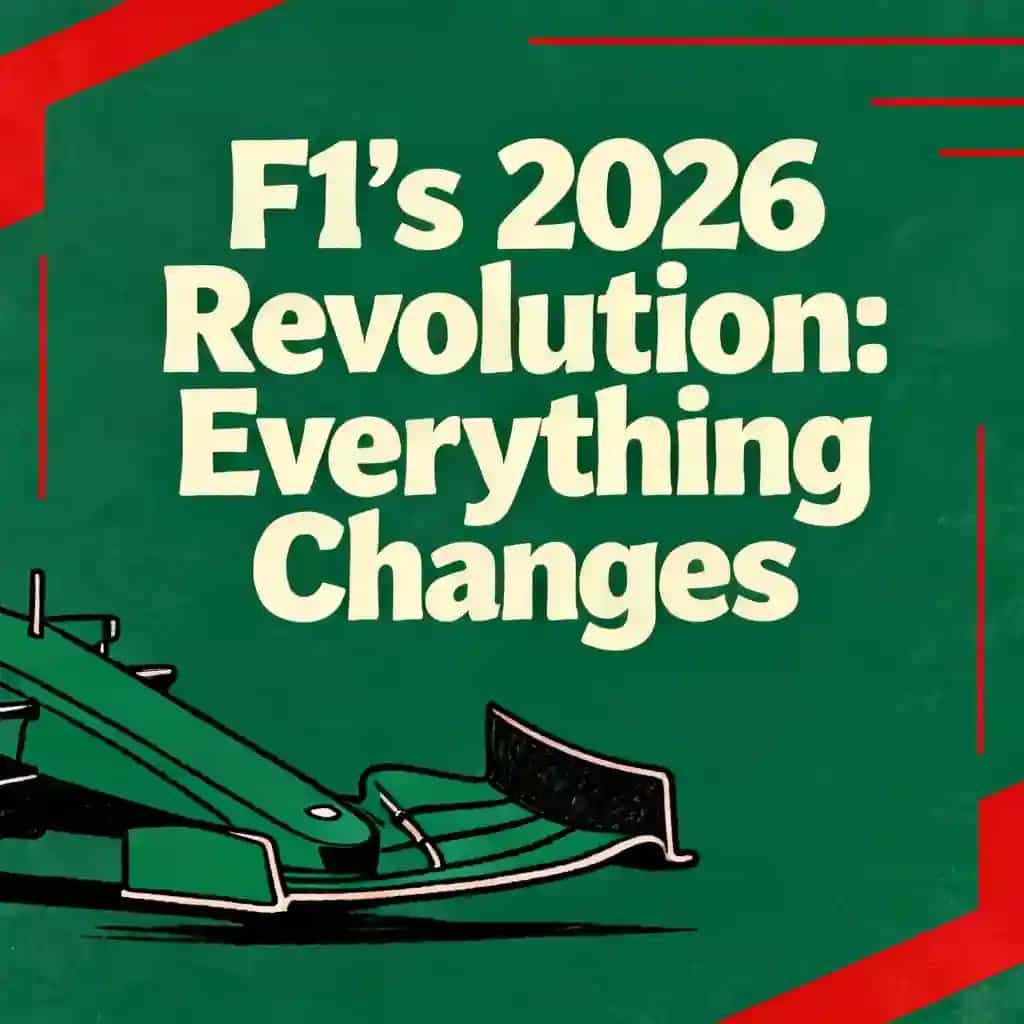
The 2026 regulations represent a major move toward sustainability and different power management, shifting the engine balance to a 50-50 split between internal combustion and electric power. The complex MGU-H system will be removed, and electric power will triple, requiring drivers to manually manage energy bursts through a "Manual Override" mode. Additionally, the sport will switch to 100% sustainable, non-fossil fuels and introduce "active aerodynamics," where wings change position during the lap to balance speed and energy efficiency.
컬럼비아 대학교 동문들이 제작 | 샌프란시스코에서 개발
평균 평점
앱 평가 7.84천 개 이상
BeFreed 커뮤니티
정말이지 아직 앱을 다 써 보지도 않았는데, 며칠 써 본 것만으로도 깊은 인상을 받았어요… BeFreed는 제가 써 본 어떤 학습 앱과도 차원이 달라요. 몰입감이 엄청나고 집중력도 실제로 좋아져서, 스마트폰을 하염없이 스크롤하는 분들께 딱이에요!
@ladyInfinity
정확히 23일 전에 BeFreed를 구입했는데, 그날부터 하루도 빠짐없이 쓰고 있어요. 제 일상 업무 흐름과 학습 습관에 완전히 자리 잡았어요.
@jayallen
솔직히 이 앱은 제 기대를 전부 뛰어넘었어요. 어떤 주제든 오디오로 만들어 달라고 할 수 있고, 결과물이 놀라워요. 제 전문 분야는 심리치료 쪽이고 여러 학문이 얽혀 있는데도 답변이 아주 정확해요.
@Raguipa
제일 고마운 건 스크롤하는 시간이 확 줄었다는 거예요. 검색하는 시간은 줄고 흡수하는 시간은 늘었어요. 오디오북 전권, 팟캐스트, 학습 플랜의 조합이 정말 훌륭해요.
@colonyofcreatorsNGO
저는 24년째 PhotoReading 속진 학습 강사로 일하고 있어요… 책과 독서, 배움이 제 전문인데, BeFreed는 정보를 소화하기 쉽게 전달하는 혁신적인 방식을 정말 잘 구현했어요.
@BeFreed user
단순한 책 요약 앱이 아니에요. '재미' 스타일을 써 봤는데, 전통적인 방식보다 훨씬 나은 요약이고 아이디어를 이해하기도 쉬워요. 이것만으로도 값어치를 해요.
@austinakon
이 앱이 정말 좋아요. 며칠 써 봤는데 듣는 걸 멈출 수가 없어요. 시작하기에 이보다 좋을 수 없어요.
@jcrules328
정말 마음에 들어요. 한 달 정도 써 봤는데 숨은 보석을 찾은 기분이에요. BeFreed로 제가 원하는 주제를 직접 만들 수 있어서 좋고, 목소리도 훌륭한 데다 내레이션 선택지가 무궁무진해요.
@DanielCZ
유용한 정보와 아이디어를 8~15분짜리 팟캐스트 스타일 오디오로 압축해서 들을 수 있다는 게 정말 좋아요. 원래 팟캐스트는 군더더기가 많아서 안 좋아했는데, 여기는 그걸 싹 걷어냈어요.
@BeFreed user
박사 과정을 마무리하는 중이라 낯선 자료를 많이 읽어야 해요… BeFreed에서는 프롬프트만 입력하면 앱이 자료를 찾아서 오디오 팟캐스트로 만들어 줘요. BeFreed의 과정이 NotebookLM보다 더 매끄럽게 느껴져요.
@Brad
아침을 준비하거나 산책하거나 출퇴근할 때 들을 것을 YouTube에서 자주 찾곤 했는데, BeFreed는 광고도 군더더기도 없이 훨씬 더 딱 맞는 걸 들려줘요!
@BeFreed user
이 플랫폼의 가장 큰 장점은 활용도예요. 다루지 못하는 주제가 말 그대로 하나도 없어요. 무엇을 던져도 다 소화해요… 제한이 전혀 없으면서 약속을 실제로 지키는 학습 도구는 정말 드물어요.
@jayallen
BeFreed는 환상적이에요. 디자인이 편해서 헤매는 시간은 줄고 배우는 시간은 늘었어요. 오디오북, 팟캐스트, 학습 플랜의 조합은 천재적이에요. 제 하루가 완전히 달라졌어요.
@BeFreed user
처음엔 이탈리아어로 팟캐스트를 만드는 방법을 이해하는 데 시간이 좀 걸렸는데, 알고 나니까 — 와! 정말 대단해요! 어떤 주제든 설명해 달라고 하면 정말 똑똑하게 잘 설명해 줘요!
@matteo77
BeFreed는 제가 매일 쓰는 오디오북 앱이 됐어요… 제일 마음에 드는 건 텍스트를 넣으면 이동 중에도 들을 수 있는 오디오로 만들어 준다는 점이에요.
@kotanzu1





Formula 1 represents the pinnacle of motorsport technology, strategy, and team management. This learning plan provides comprehensive knowledge for motorsport enthusiasts, engineering students, and business professionals interested in understanding how high-performance organizations operate under extreme pressure and technological constraints.

This learning plan bridges the gap between high-level fluid dynamics and real-time competitive logic. It is ideal for aspiring engineers, data analysts, or dedicated fans who want to understand the technical and historical forces that define modern Grand Prix racing.

This exploration into Goodyear's mid-century innovation is essential for automotive enthusiasts and material scientists interested in the intersection of design and safety. It provides a unique case study on why some revolutionary engineering concepts fail to transition from the lab to the open road.

As football evolves into a high-speed game of spatial control, understanding structural fluidity is essential for coaches and analysts. This plan is designed for tactical enthusiasts and aspiring scouts looking to master the sophisticated movements that define the modern era.

This plan bridges the gap between mechanical engineering and industrial history, offering a deep dive into the innovations that powered the modern world. It is ideal for automotive enthusiasts, history buffs, and aspiring engineers seeking to understand the intersection of design and production.
Understanding how engines work is essential for anyone interested in automotive technology, mechanical engineering, or simply wanting to know what happens under the hood of their vehicle. This knowledge is valuable for aspiring mechanics, engineering students, car enthusiasts, and professionals in transportation industries who need to grasp both the practical and theoretical aspects of engine operation.

This learning plan provides a comprehensive overview of NASA's engineering evolution, from its foundational research origins to the ambitious goals of deep space exploration. It is ideal for aspiring engineers, space enthusiasts, and history buffs looking to understand the technical breakthroughs that define human spaceflight.

This learning plan provides a comprehensive journey through the evolution of physics, from classical mechanics to the frontiers of modern theoretical research. It's ideal for curious minds seeking to understand how our view of reality has transformed over centuries, science enthusiasts wanting a solid conceptual foundation in physics without heavy mathematics, and anyone fascinated by questions about the nature of space, time, and the universe itself.