The Invisible Barrier Between Merit and Impact
Lena: Imagine you’ve spent weeks perfecting a proposal. You’ve got the data, the logic is sound, and you’re ready to present it to the leadership team. But as soon as you open your mouth, you feel your heart racing—your voice goes up an octave, you start rambling, and you can see people’s eyes drifting to their phones. It’s a gut-wrenching feeling because you know the work is good, but somehow, you aren't coming across as the expert you actually are.
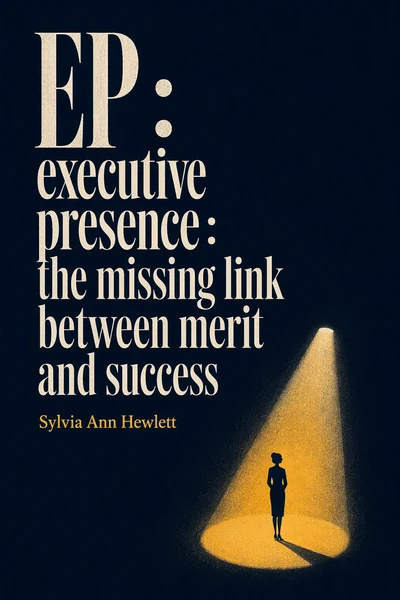
Jackson: It’s a classic disconnect, and it happens more often than you’d think. There’s this massive gap between being good at your job and being perceived as a leader. In fact, research suggests that "Executive Presence"—that elusive quality that makes people listen—is often the deciding factor in who gets promoted, yet it’s rarely taught in school . You might have the best ideas in the room, but if you can’t signal "gravitas" through your communication, those ideas might never see the light of day.
Lena: That term "gravitas" sounds so heavy, almost like something you’re either born with or you aren't. Is it actually something you can build?
Jackson: It’s absolutely a skill set. One of the biggest misconceptions is that being a great communicator means being the loudest person or the one who talks the most. It’s actually quite the opposite. To sound polished and professional, you have to master the art of the "intentional pause" and understand that your physical presence—how you carry yourself and the confidence you project—accounts for a huge portion of how your message is received .
Lena: So, it’s not just about the words. It’s about the "signal" you’re sending before you even finish your first sentence. I’ve noticed that when I’m nervous, I tend to fill every silence with "um" or "like," which I’m guessing is the exact opposite of what we’re aiming for.
Jackson: You're hitting on a key point. Those filler words are "low-power signals." If you want to be taken seriously, you have to shift from a mindset of "hoping they like my idea" to a mindset of "conveying authority." We’re going to break down how to do exactly that—moving from nervous energy to a calm, commanding presence that makes people want to lean in and listen .
Lena: I love that. It’s about moving from being a passive participant to a deliberate communicator. Let’s get into the mechanics of how you actually start shifting that perception.