BeFreed
    Categories>Education>English 1 STAAR EOC Study Guide: Everything to Know to Ace the Test

    English 1 STAAR EOC Study Guide: Everything to Know to Ace the Test

    14분
    |
    |
    2026년 4월 9일
    EducationPsychologyCommunication

    Master the English 1 STAAR EOC with our comprehensive study guide. Get the essential tips and review materials freshman students need to ace the Texas test.

    English 1 STAAR EOC Study Guide: Everything to Know to Ace the Test
    전달 방식을 선택하세요

    하나의 에피소드, 다양한 청취 방식.

    English 1 STAAR EOC Study Guide: Everything to Know to Ace the Test의 같은 아이디어를 나에게 맞는 목소리, 깊이, 속도로 만나보세요. 언제든 바꿀 수 있습니다.

    전체 대본 및 챕터

    챕터 1

    Conquering the STAAR Exam Anxiety

    Lena: Hey Miles, I was just looking at some data for the English I STAAR test, and did you know that roughly 50% of students actually fail because of anxiety and a lack of confidence rather than just not knowing the material?

    Miles: That is wild, but it makes total sense. When STAAR season hits, the whole house feels it, and it’s easy to let that pressure turn the exam into this scary monster.

    Lena: Exactly! And for freshmen, this isn't just any test—it’s an EOC, a graduation requirement. It’s not about being perfect, though. It’s about hitting those "Approaches" or "Meets" levels so you aren't constantly playing catch-up.

    Miles: Right, and the best way to beat that anxiety is to stop treating it like a mystery. We need to move away from "gut feeling" answers and actually use the text to prove our points.

    Lena: I love that. So, let’s break down the core reading and writing skills you actually need to ace this thing.

    챕터 2

    Navigating the Blueprint with Purpose and Precision

    Miles: You know, Lena, one of the biggest hurdles for students is feeling like they have to memorize the entire English curriculum from the last nine years. But the STAAR English I is actually much more targeted than that. It is all built around the TEKS—the Texas Essential Knowledge and Skills—which is basically the state's roadmap for what you should know.

    Lena: I was reading about that! It is fascinating because they actually categorize those standards. They have "readiness" standards and "supporting" standards. If you want to study smart, you really have to focus on the readiness ones because they make up about 55 to 75 percent of the total points on the test.

    Miles: Exactly. It is like having the cheat codes before you even start the game. These readiness standards are the big ideas—things like identifying the main idea, making inferences, and analyzing how an author constructs an argument. They are the skills that help you not just in English I, but in English II and beyond.

    Lena: And that is such a relief to hear, right? You do not have to be an expert on every single obscure poem ever written. You just need to be really good at the core mechanics of how stories and articles work. The test even uses multiple genres to keep you on your toes—you might see informational texts, short stories, dramas, or even a poem.

    Miles: And do not forget the "crossover" texts. Those are the ones where they give you two different passages and ask you to compare them. It is all about seeing the connections. The whole exam is five hours long and has 64 questions, which sounds like a marathon, but when you realize it is just a series of these specific "readiness" tasks, it feels way more manageable.

    Lena: Five hours is a long time, but it is generous if you have a plan. It is not a race. It is about being a detective. You are looking for evidence to back up your claims, whether you are answering a multiple—choice question or writing a short response.

    이 에피소드로 더 깊이 배우기

    이 에피소드의 아이디어를 BeFreed의 가이드 학습 경험으로 더 깊이 탐구해 보세요.

    챕터 3

    Mastering the Art of the Reading Detective

    Miles: Speaking of being a detective, let’s talk about the reading section. The most common mistake I see is students reading the passage once, getting a "vibe" or a "gut feeling," and then just guessing. That is a one—way ticket to the "Did Not Meet" category.

    Lena: Oh, for sure. I saw this great strategy called "Read—Think—Check" that really flips that. Instead of just diving in, you start by lightly previewing the text—look at the title, the headings, maybe even skim the questions first just to see what the test is looking for.

    Miles: Right, and then when you do that first read, you do it at a "conversation" pace. You are not trying to set a world record. You are asking yourself: Who is involved? What is happening? Why does this matter? I always tell students to mark up the text as they go. Put a little star next to a sentence that feels like a big reveal, or a question mark where things get fuzzy.

    Lena: That is so helpful because when you get to the questions, you already have your breadcrumbs. And here is the golden rule: for every answer you pick, you should be able to point your finger at the exact line in the text that proves it. If you can’t find the evidence, you are probably overthinking or falling for a "distractor" answer.

    Miles: Those distractors are tricky! They often include a word or two from the passage to make them look tempting, but they twist the meaning. That is why that "prove it" step is so crucial. And when you hit a word you do not know—which will happen—do not panic. Use the context. The test is designed to see if you can figure out meanings based on the surrounding sentences, not just if you have a dictionary memorized.

    Lena: Actually, the digital test even has an online dictionary you can use! But you are right, the context is usually faster. It is all about tracking the main idea and seeing how the author uses details to build it. If you can summarize a paragraph in one quick sentence in your head, you are winning.

    챕터 4

    The Writing Shift from Thinking to Constructing

    Miles: Now, let’s pivot to the writing side of things, because that has changed a lot lately. It is not just a big essay anymore. You have these "short constructed response" questions where you have to explain something in your own words based on a reading passage.

    Lena: I love the framework for this—the RACE method. Have you heard of it? It stands for Restate the question, Answer it directly, Cite evidence from the text, and then Explain how that evidence actually supports your answer. It turns a scary blank box into a simple four—step process.

    Miles: It is a total game—changer. It keeps you from rambling. You stay focused, you use the text, and you get out. But then there is the "Extended Constructed Response," or ECR. That is the one that really gets people nervous. That is where you have to write a more in—depth response, and organization is everything there.

    Lena: It really is. For the ECR, you are basically building an argument or a deep analysis. You need a hook to grab the reader, a clear thesis statement that shows your position, and then body paragraphs that use specific examples. I was looking at some study materials that mentioned you only get 26 lines on the digital page for some of these writing tasks.

    Miles: Exactly! Twenty—six lines is not a lot of space. You cannot afford to be vague. You have to be incredibly specific. If you are writing a persuasive piece, for example, you can’t just say "Communication is bad." You have to explain why it is bad, maybe by discussing how instant notifications interrupt our focus, turning an "information age" into an "interruption age."

    Lena: That is a great example. And the scorers are looking for how well you develop those ideas. They want to see that you can transition between thoughts smoothly and that your grammar and mechanics are solid. It is about showing you can communicate a complex thought clearly within a limited space.

    Miles: And remember, the writing section also includes revising and editing. That is where they give you a passage that is already written and ask you to fix it. Revising is about the "big" stuff—improving the flow, adding better transitions, or clarifying a confusing sentence. Editing is the "small" stuff—fixing the commas, spelling, and verb tenses.

    이 에피소드로 더 깊이 배우기

    이 에피소드의 아이디어를 BeFreed의 가이드 학습 경험으로 더 깊이 탐구해 보세요.

    챕터 5

    Strategy Over Luck in Revision and Editing

    Lena: You know, Miles, the editing and revising part of the test often feels like a grammar quiz, but it is actually more about being a good editor. I think students forget they can use their "ear" for this. If you read a sentence in your head and it sounds clunky or like it is missing a beat, it probably needs a revision.

    Miles: That is a great tip. For the revising questions, look for the "topic sentence" of a paragraph. Does every other sentence in that paragraph actually support that topic? If one sentence is talking about space travel and the rest are about underwater volcanoes, that sentence has to go. It is all about maintaining that logical flow.

    Lena: And for the editing portion, it really comes down to the basics—apostrophes, capitalization, and those pesky homophones like "there," "their," and "they're." I was reading that a lot of these questions are field—tested with real students before they even make it onto the official exam. So, they aren't trying to trick you with impossible questions; they are testing the things that high schoolers commonly mix up.

    Miles: Right, and since the test is mostly online now, you have to get comfortable with the interface. There are these "new" question types—not just multiple choice, but things like "hot text" where you click on a specific sentence in the passage, or "drag and drop" where you move items into the right order.

    Lena: Those actually sound kind of fun! It is more interactive than just filling in bubbles. But it does mean you need to practice with the actual tools. Using a practice simulator or looking at released test questions from the TEA website is huge. It helps you get used to how the screen looks so you aren't clicking around blindly on test day.

    Miles: Absolutely. If you have already seen how a "multiselect" question works—where you have to pick more than one right answer—you won't be surprised when it pops up. It is about building that "test stamina." Sitting for five hours is tough, so practicing in shorter "bites" can help you build up to the full experience without burning out.

    Lena: I like that idea of "short and sweet" study sessions. Maybe 20 minutes on revising, then a 10—minute break, then 20 minutes on a reading passage. It makes the whole mountain feel like a series of small hills you can easily climb.

    챕터 6

    The Practical Playbook for Your Final Weeks

    Miles: So, if we were to give a listener a "playbook" for their final weeks of prep, where should they start? To me, the first step is always a pre—assessment. You have to know where your "weak spots" are. Are you great at reading but struggle with the ECR writing? Or is it the other way around?

    Lena: Definitely. Once you know that, you can target your practice. Use flashcards for those high—frequency TEKS concepts—things like "theme," "tone," and "author's purpose." And please, for the love of all things English, practice writing those RACE responses. It is a mechanical skill. The more you do it, the more it becomes second nature.

    Miles: And do not forget the "T—chart" strategy for persuasive writing. Before you start an essay, draw a quick T—chart. Put the "pro" arguments on one side and the "con" arguments on the other. Even if you personally feel one way, you might find that the other side has better evidence you can actually write about. The goal is to pick the side you can prove most effectively, not necessarily the one you believe in your heart.

    Lena: That is such a smart move. And for the reading passages, practice the "one—line summary." After you read a paragraph, try to sum it up in just one sentence. If you can’t, you didn't really understand it, and you need to go back. It is a great way to make sure you are staying engaged and not just "glazing over" the words.

    Miles: Another big one—use the tools! If the digital test gives you a highlighter or a notepad, use it. Mark those key details. And if you are taking a practice test, try to simulate the real environment. No phone, no music, just you and the questions. It helps you learn how to manage that five—hour clock.

    Lena: And if you hit a wall, remember the "Flag and Move" rule. If a question is taking more than a couple of minutes, mark it, make your best guess, and move on. You can always come back to it at the end if you have time. Don't let one hard question tank your confidence for the rest of the section.

    Miles: Exactly. It is about momentum. Keep moving, keep finding evidence, and trust the process. You have been learning these skills all year—this test is just your chance to show it off.

    이 에피소드로 더 깊이 배우기

    이 에피소드의 아이디어를 BeFreed의 가이드 학습 경험으로 더 깊이 탐구해 보세요.

    챕터 7

    Final Game Day Checklist for Total Confidence

    Lena: We are getting close to the finish line here, but let’s talk about that final 24 hours before the test. This is where the mental game really matters. The most common mistake? Cramming all night and showing up exhausted.

    Miles: Oh, man, that is the worst thing you can do. Your brain needs sleep to function. One calm, ordinary evening is worth way more than five hours of panicked late—night studying. Set out everything you need the night before—your ID, your glasses, whatever you are allowed to have—so your morning is not a stressful rush.

    Lena: And eat a decent breakfast! Nothing too heavy or sugary that will make you crash halfway through. Just some fuel for the brain. When you get to your seat, take a few deep breaths. Remind yourself that this is not a brand—new monster—it is just the same "Read—Think—Check" and "RACE" steps you have been practicing.

    Miles: I love that. And during the test, if you feel that anxiety rising, just pause. Stretch your fingers, take a breath, and look at the screen again. You are the detective. The answers are right there in the text, waiting for you to find them. You are not guessing; you are proving.

    Lena: That is such a powerful shift in mindset. You are not at the mercy of the test—you are in control of your evidence. Whether you are aiming for "Approaches," "Meets," or "Masters," just focus on the task right in front of you. One question at a time, one paragraph at a time.

    Miles: You've got this. All those small habits—the T—charts, the one—line summaries, the context clues—they all add up. By the time you reach the end of that 64th question, you will realize you didn't just survive the STAAR; you actually conquered it.

    Lena: Absolutely. It has been so great breaking this down with you, Miles. It makes the whole thing feel so much more approachable.

    챕터 8

    Reflecting on the Path to Success

    Miles: It really does. As we bring this to a close, I hope everyone listening feels a bit more equipped. The STAAR English I EOC is definitely a big milestone, but it is one you are absolutely capable of reaching. It is not about being a literary genius; it is about being a strategic reader and a clear writer.

    Lena: That is the perfect takeaway. It is all about the strategy. We've talked about focusing on the readiness standards, using the text as your evidence, and mastering those specific writing frameworks like RACE. These aren't just test—taking tricks—they are actual communication skills that are going to serve you well way beyond freshman year.

    Miles: Definitely. So, to our listeners, as you head into your study sessions this week, maybe pick just one thing we talked about today to try out. Maybe it is the T—chart, or maybe it is just the "prove it" rule for your reading practice. See how it feels to have that extra bit of structure.

    Lena: I love that. Just one small step at a time. Thank you so much for joining us for this deep dive into the English I EOC. It has been a blast.

    Miles: It really has. Good luck to everyone getting ready for the exam. You have put in the work, now just go show them what you know.

    Lena: Take a moment to reflect on which of these strategies feels most helpful for you right now. You are more prepared than you think. Thanks for listening, and we'll catch you later.

    ★★★★★

    English 1 STAAR EOC Study Guide: Everything to Know to Ace the Test의 끝까지 도달했어요

    “23일째 매일 사용하고 있어요. 이제 제 일상의 한 부분이 되었습니다.”

    jayallen

    English 1 STAAR EOC Study Guide: Everything to Know to Ace the Test 베스트 인용

    “

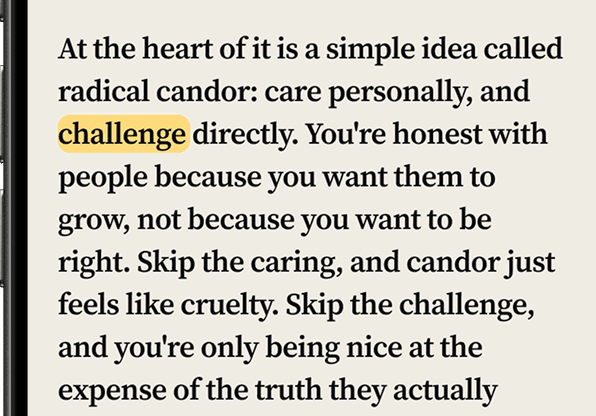
    For every answer you pick, you should be able to point your finger at the exact line in the text that proves it. If you can’t find the evidence, you are probably overthinking or falling for a distractor answer.

    ”
    L

    Generated by Luna

    질문 입력

    English one freshman year star test study all to know for the eoc and ace it

    호스트 음성
    Lenaplay
    Milesplay
    지식 출처
    Reading Like A Writer
    Says Who?
    How to Read a Book
    Sense of Style
    Dreyer's English
    Making a Point

    자주 묻는 질문

    This study guide covers everything a freshman needs to know to succeed on the English 1 STAAR Test. It focuses on the core competencies required by the Texas EOC standards, including reading comprehension, analysis of literary and informational texts, and writing skills. By reviewing these essential topics, students can build the confidence necessary to navigate the exam and achieve a passing score or better on their high school assessment.

    Preparation for the Freshman English EOC involves a consistent review of key literary elements and writing techniques. Using a dedicated STAAR EOC Study Guide helps students organize their learning and focus on the specific formats used in the Texas STAAR Test Prep. We recommend practicing with sample prompts and analyzing various genres of text to ensure all aspects of the English 1 EOC Review are thoroughly understood before test day.

    The English 1 STAAR Test is a critical graduation requirement for high school students in Texas. As a freshman-level End-of-Course (EOC) exam, it measures a student's proficiency in the state-mandated curriculum. Success on this test demonstrates that a student has mastered the necessary reading and writing skills to progress in their high school career, making comprehensive prep and a solid study plan vital for every ninth grader.

    컬럼비아 대학교 동문들이 제작 | 샌프란시스코에서 개발

    BeFreed는 호기심 넘치는 글로벌 커뮤니티를 하나로 연결합니다

    4.7

    평균 평점

    앱 평가 7.84천 개 이상

    BeFreed 커뮤니티

    정말이지 아직 앱을 다 써 보지도 않았는데, 며칠 써 본 것만으로도 깊은 인상을 받았어요… BeFreed는 제가 써 본 어떤 학습 앱과도 차원이 달라요. 몰입감이 엄청나고 집중력도 실제로 좋아져서, 스마트폰을 하염없이 스크롤하는 분들께 딱이에요!

    @ladyInfinity

    정확히 23일 전에 BeFreed를 구입했는데, 그날부터 하루도 빠짐없이 쓰고 있어요. 제 일상 업무 흐름과 학습 습관에 완전히 자리 잡았어요.

    @jayallen

    솔직히 이 앱은 제 기대를 전부 뛰어넘었어요. 어떤 주제든 오디오로 만들어 달라고 할 수 있고, 결과물이 놀라워요. 제 전문 분야는 심리치료 쪽이고 여러 학문이 얽혀 있는데도 답변이 아주 정확해요.

    @Raguipa

    제일 고마운 건 스크롤하는 시간이 확 줄었다는 거예요. 검색하는 시간은 줄고 흡수하는 시간은 늘었어요. 오디오북 전권, 팟캐스트, 학습 플랜의 조합이 정말 훌륭해요.

    @colonyofcreatorsNGO

    저는 24년째 PhotoReading 속진 학습 강사로 일하고 있어요… 책과 독서, 배움이 제 전문인데, BeFreed는 정보를 소화하기 쉽게 전달하는 혁신적인 방식을 정말 잘 구현했어요.

    @BeFreed user

    단순한 책 요약 앱이 아니에요. '재미' 스타일을 써 봤는데, 전통적인 방식보다 훨씬 나은 요약이고 아이디어를 이해하기도 쉬워요. 이것만으로도 값어치를 해요.

    @austinakon

    이 앱이 정말 좋아요. 며칠 써 봤는데 듣는 걸 멈출 수가 없어요. 시작하기에 이보다 좋을 수 없어요.

    @jcrules328

    정말 마음에 들어요. 한 달 정도 써 봤는데 숨은 보석을 찾은 기분이에요. BeFreed로 제가 원하는 주제를 직접 만들 수 있어서 좋고, 목소리도 훌륭한 데다 내레이션 선택지가 무궁무진해요.

    @DanielCZ

    정말이지 아직 앱을 다 써 보지도 않았는데, 며칠 써 본 것만으로도 깊은 인상을 받았어요… BeFreed는 제가 써 본 어떤 학습 앱과도 차원이 달라요. 몰입감이 엄청나고 집중력도 실제로 좋아져서, 스마트폰을 하염없이 스크롤하는 분들께 딱이에요!

    @ladyInfinity

    정확히 23일 전에 BeFreed를 구입했는데, 그날부터 하루도 빠짐없이 쓰고 있어요. 제 일상 업무 흐름과 학습 습관에 완전히 자리 잡았어요.

    @jayallen

    솔직히 이 앱은 제 기대를 전부 뛰어넘었어요. 어떤 주제든 오디오로 만들어 달라고 할 수 있고, 결과물이 놀라워요. 제 전문 분야는 심리치료 쪽이고 여러 학문이 얽혀 있는데도 답변이 아주 정확해요.

    @Raguipa

    제일 고마운 건 스크롤하는 시간이 확 줄었다는 거예요. 검색하는 시간은 줄고 흡수하는 시간은 늘었어요. 오디오북 전권, 팟캐스트, 학습 플랜의 조합이 정말 훌륭해요.

    @colonyofcreatorsNGO

    저는 24년째 PhotoReading 속진 학습 강사로 일하고 있어요… 책과 독서, 배움이 제 전문인데, BeFreed는 정보를 소화하기 쉽게 전달하는 혁신적인 방식을 정말 잘 구현했어요.

    @BeFreed user

    단순한 책 요약 앱이 아니에요. '재미' 스타일을 써 봤는데, 전통적인 방식보다 훨씬 나은 요약이고 아이디어를 이해하기도 쉬워요. 이것만으로도 값어치를 해요.

    @austinakon

    이 앱이 정말 좋아요. 며칠 써 봤는데 듣는 걸 멈출 수가 없어요. 시작하기에 이보다 좋을 수 없어요.

    @jcrules328

    정말 마음에 들어요. 한 달 정도 써 봤는데 숨은 보석을 찾은 기분이에요. BeFreed로 제가 원하는 주제를 직접 만들 수 있어서 좋고, 목소리도 훌륭한 데다 내레이션 선택지가 무궁무진해요.

    @DanielCZ

    유용한 정보와 아이디어를 8~15분짜리 팟캐스트 스타일 오디오로 압축해서 들을 수 있다는 게 정말 좋아요. 원래 팟캐스트는 군더더기가 많아서 안 좋아했는데, 여기는 그걸 싹 걷어냈어요.

    @BeFreed user

    박사 과정을 마무리하는 중이라 낯선 자료를 많이 읽어야 해요… BeFreed에서는 프롬프트만 입력하면 앱이 자료를 찾아서 오디오 팟캐스트로 만들어 줘요. BeFreed의 과정이 NotebookLM보다 더 매끄럽게 느껴져요.

    @Brad

    아침을 준비하거나 산책하거나 출퇴근할 때 들을 것을 YouTube에서 자주 찾곤 했는데, BeFreed는 광고도 군더더기도 없이 훨씬 더 딱 맞는 걸 들려줘요!

    @BeFreed user

    이 플랫폼의 가장 큰 장점은 활용도예요. 다루지 못하는 주제가 말 그대로 하나도 없어요. 무엇을 던져도 다 소화해요… 제한이 전혀 없으면서 약속을 실제로 지키는 학습 도구는 정말 드물어요.

    @jayallen

    BeFreed는 환상적이에요. 디자인이 편해서 헤매는 시간은 줄고 배우는 시간은 늘었어요. 오디오북, 팟캐스트, 학습 플랜의 조합은 천재적이에요. 제 하루가 완전히 달라졌어요.

    @BeFreed user

    처음엔 이탈리아어로 팟캐스트를 만드는 방법을 이해하는 데 시간이 좀 걸렸는데, 알고 나니까 — 와! 정말 대단해요! 어떤 주제든 설명해 달라고 하면 정말 똑똑하게 잘 설명해 줘요!

    @matteo77

    BeFreed는 제가 매일 쓰는 오디오북 앱이 됐어요… 제일 마음에 드는 건 텍스트를 넣으면 이동 중에도 들을 수 있는 오디오로 만들어 준다는 점이에요.

    @kotanzu1

    유용한 정보와 아이디어를 8~15분짜리 팟캐스트 스타일 오디오로 압축해서 들을 수 있다는 게 정말 좋아요. 원래 팟캐스트는 군더더기가 많아서 안 좋아했는데, 여기는 그걸 싹 걷어냈어요.

    @BeFreed user

    박사 과정을 마무리하는 중이라 낯선 자료를 많이 읽어야 해요… BeFreed에서는 프롬프트만 입력하면 앱이 자료를 찾아서 오디오 팟캐스트로 만들어 줘요. BeFreed의 과정이 NotebookLM보다 더 매끄럽게 느껴져요.

    @Brad

    아침을 준비하거나 산책하거나 출퇴근할 때 들을 것을 YouTube에서 자주 찾곤 했는데, BeFreed는 광고도 군더더기도 없이 훨씬 더 딱 맞는 걸 들려줘요!

    @BeFreed user

    이 플랫폼의 가장 큰 장점은 활용도예요. 다루지 못하는 주제가 말 그대로 하나도 없어요. 무엇을 던져도 다 소화해요… 제한이 전혀 없으면서 약속을 실제로 지키는 학습 도구는 정말 드물어요.

    @jayallen

    BeFreed는 환상적이에요. 디자인이 편해서 헤매는 시간은 줄고 배우는 시간은 늘었어요. 오디오북, 팟캐스트, 학습 플랜의 조합은 천재적이에요. 제 하루가 완전히 달라졌어요.

    @BeFreed user

    처음엔 이탈리아어로 팟캐스트를 만드는 방법을 이해하는 데 시간이 좀 걸렸는데, 알고 나니까 — 와! 정말 대단해요! 어떤 주제든 설명해 달라고 하면 정말 똑똑하게 잘 설명해 줘요!

    @matteo77

    BeFreed는 제가 매일 쓰는 오디오북 앱이 됐어요… 제일 마음에 드는 건 텍스트를 넣으면 이동 중에도 들을 수 있는 오디오로 만들어 준다는 점이에요.

    @kotanzu1

    웹에서 BeFreed가 어떻게 논의되고 있는지 더 보기
    129.7K19.5K
    55.2K19.2K
    154.2K10827355
    48.1K2.5K
    81.2K6.6K
    82.3K1.8K
    지금 바로 학습 여정을 시작하세요
    BeFreed 앱
    BeFreed

    무엇이든 개인화된 학습

    DiscordLinkedIn
    추천 도서 요약
    Crucial ConversationsThe Perfect MarriageInto the WildNever Split the DifferenceAttachedGood to GreatSay Nothing
    인기 카테고리
    Self HelpCommunication SkillRelationshipMindfulnessPhilosophyInspirationProductivity
    유명인 추천 도서
    Elon MuskCharlie KirkBill GatesSteve JobsAndrew HubermanJoe RoganJordan Peterson
    수상작 컬렉션
    Pulitzer PrizeNational Book AwardGoodreads Choice AwardsNobel Prize in LiteratureNew York TimesCaldecott MedalNebula Award
    추천 주제
    ManagementAmerican HistoryWarTradingStoicismAnxietySex
    연도별 베스트 도서
    2025 Best Non Fiction Books2024 Best Non Fiction Books2023 Best Non Fiction Books
    추천 저자
    Chimamanda Ngozi AdichieGeorge OrwellO. J. SimpsonBarbara O'NeillWinston ChurchillCharlie Kirk
    BeFreed vs 다른 앱
    BeFreed vs. Other Book Summary AppsBeFreed vs. ElevenReaderBeFreed vs. ReadwiseBeFreed vs. Anki
    학습 도구
    Knowledge VisualizerAI Podcast Generator
    정보
    회사 소개arrow
    가격arrow
    FAQarrow
    블로그arrow
    채용arrow
    파트너십arrow
    앰배서더 프로그램arrow
    디렉토리arrow
    BeFreed
    Try now
    © 2026 BeFreed
    이용 약관개인정보 처리방침
    BeFreed

    무엇이든 개인화된 학습

    DiscordLinkedIn
    추천 도서 요약
    Crucial ConversationsThe Perfect MarriageInto the WildNever Split the DifferenceAttachedGood to GreatSay Nothing
    인기 카테고리
    Self HelpCommunication SkillRelationshipMindfulnessPhilosophyInspirationProductivity
    유명인 추천 도서
    Elon MuskCharlie KirkBill GatesSteve JobsAndrew HubermanJoe RoganJordan Peterson
    수상작 컬렉션
    Pulitzer PrizeNational Book AwardGoodreads Choice AwardsNobel Prize in LiteratureNew York TimesCaldecott MedalNebula Award
    추천 주제
    ManagementAmerican HistoryWarTradingStoicismAnxietySex
    연도별 베스트 도서
    2025 Best Non Fiction Books2024 Best Non Fiction Books2023 Best Non Fiction Books
    학습 도구
    Knowledge VisualizerAI Podcast Generator
    추천 저자
    Chimamanda Ngozi AdichieGeorge OrwellO. J. SimpsonBarbara O'NeillWinston ChurchillCharlie Kirk
    BeFreed vs 다른 앱
    BeFreed vs. Other Book Summary AppsBeFreed vs. ElevenReaderBeFreed vs. ReadwiseBeFreed vs. Anki
    정보
    회사 소개arrow
    가격arrow
    FAQarrow
    블로그arrow
    채용arrow
    파트너십arrow
    앰배서더 프로그램arrow
    디렉토리arrow
    BeFreed
    Try now
    © 2026 BeFreed
    이용 약관개인정보 처리방침

    비슷한 콘텐츠

    English 1 EOC: Why Cramming Doesn't Work 책 표지
    Says Who?Dreyer's EnglishReading Like A WriterMaking a Point
    13 sources
    English 1 EOC: Why Cramming Doesn't Work
    Struggling with the English 1 EOC? Learn how to master the TEKS through active reading and annotation to build confidence for your next exam.
    15 min
    ECR on the EOC: How to Master the Essay 책 표지
    Only Study Guide You'll Ever NeedReading Like A WriterPlot & structureSuper Structure
    22 sources
    ECR on the EOC: How to Master the Essay
    Struggling with the ECR on your exam? Learn how to use the RACES strategy and the quote sandwich to write a high-scoring thesis and pass the EOC.
    15 min
    Navigating Test Anxiety 책 표지
    Agile TestingSoftware EngineeringLearning AgileClean Code
    6 sources
    Navigating Test Anxiety
    Explore the psychology behind testing pressure, from driver's license exams to personality assessments, and learn strategic approaches to mastering various evaluations for more accurate results.
    28 min
    Vocabulary Under Pressure: Beyond the Blank Page 책 표지
    Precision in Vocabulary Choice | Grade 8 Language Arts Lesson Plan | Flip EducationDevelop Vocabulary for Creative WritingExam Preparation: Timed Responses: Activities & Teaching Strategies — Year 11 English | Flip EducationRetrieval Practice and Vocabulary Instruction
    6 sources
    Vocabulary Under Pressure: Beyond the Blank Page
    Struggling to find the right words during timed English exams? Learn how to bridge the gap between recognizing words and actually using them.
    813 min
    Exam Day Anxiety: Science-Backed Calm Strategies 책 표지
    source 1source 2source 3source 4
    6 sources
    Exam Day Anxiety: Science-Backed Calm Strategies
    Transform exam stress into excitement using proven neuroscience techniques. Learn to rewire anxiety patterns, focus on what you control, and perform your best when it matters most.
    8 min
    Grade 12 Stress: From Pressure to Power 책 표지
    Under PressureThe Relaxation and Stress Reduction WorkbookThe Grown-Up's Guide to Teenage HumansTips for Handling College Application Stress | The Jed Foundation
    6 sources
    Grade 12 Stress: From Pressure to Power
    Discover research-backed strategies to transform final year stress into your secret weapon. Learn practical techniques that help you thrive under pressure and build resilience for life beyond graduation.
    8 min
    Conquering Interview Anxiety with Evidence-Based Strategies 책 표지
    source 1source 2Interview Anxiety Techniques: How to Stay Calm & Confident9 Proven Methods to Stay Confident During a Job Interview
    6 sources
    Conquering Interview Anxiety with Evidence-Based Strategies
    Transform your interview nerves into focused confidence with proven techniques from psychology and neuroscience. Learn practical day-of strategies, reframe anxiety as energy, and discover your authentic interview style.
    9 min
    Advanced English: The Path to C2 Mastery 책 표지
    Practice English C2 - 100+ Free Exams | Cambridge CPEC1 grammar | LearnEnglishLearning EnglishAdvanced English Grammar: What C1 Learners Actually Need
    6 sources
    Advanced English: The Path to C2 Mastery
    Stuck at a plateau where daily English feels easy but academic papers feel impossible? Learn to master the nuances of near-native fluency.
    21 min

    Recommended Learning Plans

    From Reluctant Reader to Confident Writer
    학습 계획

    From Reluctant Reader to Confident Writer

    This plan is designed for students who struggle with literacy anxiety and want to bridge the gap between reading and writing. It provides a supportive framework that prioritizes meaning and structure over rigid rules, making it ideal for developing academic confidence.

    2 h•4 섹션
    From Messy Notes to Test-Day Calm
    학습 계획

    From Messy Notes to Test-Day Calm

    Many students struggle with exam anxiety and inefficient study habits that lead to poor retention. This plan is designed for learners who want to replace frantic cramming with structured note-taking and science-based retrieval methods to ensure peak performance under pressure.

    1 h 30 m•3 섹션
    The Unshakable High Schooler
    학습 계획

    The Unshakable High Schooler

    In the high-pressure environment of modern high schools, students often struggle with emotional volatility and social anxiety. This plan provides the psychological and rational tools necessary for teenagers to gain emotional mastery and social intelligence, making it essential for any student looking to excel both socially and academically.

    1 h 30 m•3 섹션
    Master IELTS Speaking and Writing topics
    학습 계획

    Master IELTS Speaking and Writing topics

    This plan is essential for students aiming for high band scores who need to bridge the gap between basic English and academic proficiency. It is specifically designed for IELTS candidates who want to combine linguistic accuracy with strategic test-day performance.

    4 h 57 m•4 섹션
    Beat stage fright and improve communication
    학습 계획

    Beat stage fright and improve communication

    Effective communication is the cornerstone of professional growth and personal influence. This plan is ideal for professionals and students looking to replace public speaking anxiety with a commanding, persuasive presence.

    5 h 37 m•4 섹션
    Overcome Speaking Anxiety & Speak Confidently
    학습 계획

    Overcome Speaking Anxiety & Speak Confidently

    This plan is designed for professionals and aspiring leaders who feel held back by the fear of public speaking. It provides a comprehensive roadmap from managing anxiety to mastering the advanced nonverbal and structural skills needed to influence any audience.

    5 h 20 m•4 섹션
    Outcome Independence for High-Stakes Performance
    학습 계획

    Outcome Independence for High-Stakes Performance

    High-stakes environments often trigger paralyzing anxiety that hinders peak performance. This plan is essential for professionals and performers who need to decouple their self-worth from immediate results to achieve long-term mastery.

    1 h 12 m•3 섹션
    Practice interviews & speak English better
    학습 계획

    Practice interviews & speak English better

    This learning plan is designed for non-native English speakers and early-career professionals who struggle with interview anxiety and lack confidence in their English communication skills. It's particularly valuable for job seekers who want to overcome language barriers and present themselves authentically in competitive interview settings, providing a complete pathway from foundational English skills to advanced professional communication mastery.

    3 h 58 m•4 섹션