BeFreed
    Categories>Education>DIY Success: Passing the UPCAT Without Review Centers

    DIY Success: Passing the UPCAT Without Review Centers

    30분
    |
    |
    2026년 3월 17일
    • Education
    • Self-Growth

    Discover how to beat the odds and master university entrance exams through strategic self-study. Learn to leverage free resources, manage the UPG equation, and navigate high-stakes testing without expensive modules.

    DIY Success: Passing the UPCAT Without Review Centers
    0:00 / 0:00
    전달 방식을 선택하세요

    하나의 에피소드, 다양한 청취 방식.

    DIY Success: Passing the UPCAT Without Review Centers의 같은 아이디어를 나에게 맞는 목소리, 깊이, 속도로 만나보세요. 언제든 바꿀 수 있습니다.

    전체 대본 및 챕터

    챕터 1

    The DIY Path to Passing

    Lena: You know, Eli, I was just looking at the numbers for the UPCAT, and it’s wild—around 100,000 students apply, but only about 14,000 actually pass. It’s such a high-stakes moment, and a lot of people feel like they’re already behind if they aren't enrolled in a fancy review center.

    Eli: Exactly, but here’s the counterintuitive part: many successful UP students and alumni actually got in without any review center at all. They relied entirely on self-study. It’s not about having a specific module; it’s about how you use the resources you already have, like your old high school notes and free online mock tests.

    Lena: That’s so encouraging for anyone worried about the cost or lack of a study center. It’s really a "DIY" mission.

    Eli: It totally is. Passing is actually about mastering the University Predicted Grade, or UPG, which combines your test scores with your high school grades. So, let’s dive into how you can build your own curriculum and survive the "right minus one-fourth wrong" penalty without falling.

    챕터 2

    The UPG Equation and Your Strategic Baseline

    Lena: So, Eli, you mentioned the UPG—the University Predicted Grade. I think that’s where the mystery really starts for a lot of people. If someone is sitting at home right now, no review center, no fancy brochures, how do they actually calculate their standing? What are they even aiming for?

    Eli: Right, the UPG is the "secret sauce" of UP admissions. It’s basically a weighted formula: 60 percent comes from your actual UPCAT score, and 40 percent comes from your final grades in the last three years of high school. That’s a huge insight right there—your performance in Grades 9, 10, and 11 is already working for you—or against you—before you even pick up a pencil on test day.

    Lena: That’s interesting because it means if your high school grades weren't exactly "valedictorian status," you’re not necessarily out of the running. You just have a very clear directive: you need to crush the 60 percent portion. You need a higher UPCAT score to pull that average up.

    Eli: Exactly. And for the underrepresented minorities or cultural groups, the university actually reserves about 30 percent of its slots, while 70 percent go to the highest UPGs. So, the first move for a self-studier is a cold, hard audit. Since you don't have a review center to give you a diagnostic, you have to be your own proctor. The sources suggest taking a full-length, official practice test under realistic timed conditions—not a third-party simulation that might be too easy or too hard.

    Lena: And where do they find these if they’re on a budget?

    Eli: The internet is the ultimate equalizer here. There are tons of reviewers from legitimate sources like Review Masters or the UPCAT Champion site. You can find PDFs, Reddit discussions, and Facebook groups like the "Ka-TOURs" community. But the pitfall is what one of our sources calls "collector syndrome"—students download fifty different PDFs and never actually answer a single question.

    Lena: Oh, I’ve been there. It’s that false sense of productivity where your "Downloads" folder is full, but your brain is still empty.

    Eli: Precisely. The step-one action is to take one of those mock exams, set a timer for the exact subtest limits—like 40 minutes for Science or 50 minutes for Math—and see where you actually stand. This isn't just to see your score; it’s to identify the "knowledge gaps." Are you missing questions because you forgot the concept, or because you ran out of time?

    Lena: And that distinction changes everything about how you study. If it’s a time issue, you need drills. If it’s a concept issue, you need to go back to those high school notes. I love the idea that your old notebooks are actually more valuable than a generic review module because you wrote them. Your brain already has a "memory recall" connection to your own handwriting.

    Eli: That’s actually backed by research. Writing notes improves memory recall more than just reading them. So, instead of buying a new book, the first "hack" is to dig through your closet, find those old Grade 7 to 12 notebooks, and start organizing them into "cheat sheets" or flashcards. You’re essentially building a personalized curriculum based on what you specifically struggled with in class.

    Lena: It’s like being the architect of your own education. But what about the pressure? If you’re doing this alone, without a class of fifty other students, it can feel like you’re in a vacuum.

    Eli: That’s where the "mental model" comes in. You have to understand that the UPCAT isn't just an intelligence test; it’s an aptitude test. It measures how you perform under pressure. One of the best tips for self-studiers is to simulate that pressure at home. Wear a jacket if you think the room will be cold, use a No. 2 pencil, and don't let yourself take "snack breaks" every ten minutes. If the real exam is a marathon, you can't train by only running sprints.

    Lena: So, the baseline isn't just about the score—it’s about the "stamina." You’re auditing your ability to sit in a chair and think critically for five hours. That’s a skill in itself, regardless of whether you know the Pythagorean theorem.

    Eli: Absolutely. And once you have that baseline score, you can look at the "target ranges." If you’re aiming for the top-tier universities, you’re looking at a different level of precision. But remember, for UP, if you don't make it into a "quota" course like Accountancy, you can still qualify for "Degree Program with Available Slot," or DPWS. There are so many backdoors—shifting after a year, transferring from another campus. The DIY path is about staying in the game, not just winning it on the first move.

    이 에피소드로 더 깊이 배우기

    이 에피소드의 아이디어를 BeFreed의 가이드 학습 경험으로 더 깊이 탐구해 보세요.

    챕터 3

    Navigating the Subtest Minefields

    Lena: Okay, so we’ve got the baseline. Now let’s get into the actual "meat" of the exam. The UPCAT has these four big pillars: Language Proficiency, Science, Math, and Reading Comprehension. For someone self-studying, which one is the biggest trap?

    Eli: Most people would say Math or Science, but Language Proficiency and Reading Comprehension are actually the sneakier ones because they’re in both English and Filipino. If you’re a student who mostly reads in English, the Filipino Reading Comprehension section can feel like a totally different language. You’re not just reading for a story; you’re analyzing complex texts under a massive time crunch.

    Lena: Right, and you only have about 71 seconds per question on the Reading and Writing side. That’s barely enough time to read the paragraph, let alone find a hidden inference.

    Eli: Exactly. So the "hack" here—especially for self-studiers who don't have a teacher to guide them—is to stop reading the full text first. That’s the "amateur" move that eats up all your time. Instead, go straight to the question. Use keywords to scan the paragraph. One source calls this the "scanning and skimming" technique. You’re a heat-seeking missile looking for specific data points, not a literary critic enjoying a novel.

    Lena: That makes so much sense. It’s about "function over meaning." You’re asking, "What is this text trying to do?" rather than just "What does this say?"

    Eli: Spot on. Now, for the Science subtest, it’s not just about memorizing the periodic table. It’s heavily research-related. You’ll see a lot of graphs and data tables. A self-study tip here is to use mnemonics for the core formulas in Physics and Chemistry, but focus your energy on "graphical analysis." You need to be able to look at a trend line and say, "Okay, as the temperature increases, the solubility decreases." That’s a logic puzzle, not a memory test.

    Lena: And Math! Math is the one that usually keeps people up at night. If you’re at home without a tutor to explain a complex algebra problem, how do you bridge that gap?

    Eli: You use the "Mastering Tools" strategy. For the SAT, you have the Desmos calculator, which is a game-changer, but for the UPCAT, you have to be your own calculator. The "trick" is to revisit Grade 7 to 12 fundamentals—Algebra, Geometry, and even basic Syllogisms. Don't just solve the problems; analyze your mistakes. Every wrong answer is an opportunity. If you missed a geometry question, don't just look at the correct answer—re-draw the figure. Download or draw formulas like triangles in circles or the volume of a rectangle and put them on your wall.

    Lena: I love the "wall of formulas" idea. It’s passive learning. You see it every time you walk by.

    Eli: It really works. And here’s a Language Proficiency tip that often gets overlooked: Filipino Orthography. You need to know the correct spelling of "Filipinized" foreign words—like "heograpiya" for geography. If you’re self-studying, you should be reading Filipino news articles or essays just as much as English ones to get used to the formal structure of the language.

    Lena: It’s also about root words, right? Since you can't memorize the whole dictionary, you should study prefixes and suffixes. If you see a word you don't know, you can "deconstruct" it.

    Eli: Exactly. That’s the "internalization" we were talking about earlier. Don't rote-memorize; understand the "logic" of the word or the "logic" of the equation. If you can explain the concept in your own words to your dog or your younger sibling, you’ve mastered it.

    Lena: And we have to talk about the "Right Minus Wrong" penalty. That’s the most famous—or infamous—part of the UPCAT. A quarter-point deduction for every wrong answer. For a self-studier, does that mean you should just leave everything blank if you aren't 100 percent sure?

    Eli: Statistically? No. That’s a common misconception. A blank is a 100 percent guaranteed zero. But if you can eliminate even one or two "obviously wrong" choices, your odds of guessing correctly go up to 33 or 50 percent. One source is very clear: making an "educated guess" is almost always better than leaving a blank. You just have to be a master of the "process of elimination." Mentally cross out the outliers. Usually, two choices will be very close in value—one of those is likely the answer.

    Lena: So, the strategy is "Aggressive Prudence." Be careful, but don't be paralyzed. If you’ve narrowed it down, take the shot.

    Eli: Right. And remember, easy and difficult questions have the same point value. If you’re stuck on a math problem that’s taking three minutes, you’re effectively "stealing" time from three easy language questions you could have aced. Move on. Flag it. Come back. The exam is a game of "point accumulation," not a test of "intellectual bravery."

    챕터 4

    The Digital Shift and Adaptive Hurdles

    Lena: We’ve been talking a lot about the traditional UPCAT, but the landscape is changing. The SAT, for example, has gone fully digital and adaptive. Even if someone is focused on the UPCAT, they might be taking the SAT as a backup or for international applications. How does that "adaptive" nature change the self-study game?

    Eli: Oh, the Digital SAT is a completely different beast. It uses a "two-module" system. Every student gets the same first module—a mix of easy, medium, and hard questions. But—and this is the big "but"—how you perform on that first module determines whether you get the "hard" or "easy" second module.

    Lena: Wait, so the first half of the test literally decides your "ceiling"?

    Eli: Exactly. If you underperform on Module 1 because of a few careless errors, you’re routed to the easier track, and your maximum possible score is capped. You could get every single question right in Module 2 and still not hit a top-tier score. So, for the self-studier, the "hack" is to treat Module 1 as the most consequential part of your entire day. It’s not a warm-up.

    Lena: That’s a huge mental shift. Usually, we think of the beginning of a test as the time to "settle in," but here, you have to be at peak performance from the very first second.

    Eli: Right. And since it’s on a screen using the Bluebook app, you can't just study with paper and pencil. You have to practice your "digital navigation." The SAT now uses shorter passages—just one paragraph per question—instead of those long, multi-page essays. This means you encounter 54 different contexts in one section. You have to be "mentally agile," switching from a literature text to a science text every 70 seconds.

    Lena: And for the Math section, they actually give you a built-in Desmos graphing calculator for the whole thing. That feels like a massive advantage if you know how to use it.

    Eli: It is, but here’s the pitfall: a lot of students think the calculator will solve the problem for them. But Desmos is only as good as the person operating it. You need to master specific techniques—like using a "table of values" to evaluate functions quickly or using "sliders" to see how variables change a graph. For a self-studier, you should be spending a few hours just playing with Desmos until it feels like an extension of your own hand.

    Lena: It’s interesting how these different exams require different "toolsets." The UPCAT is a test of "manual speed" and "stock knowledge," while the Digital SAT is more about "tool fluency" and "rapid context switching."

    Eli: That’s a great way to put it. And whether you’re taking the UPCAT, the SAT, or the NEET for medical school, the "Spaced Repetition" method is your best friend. Instead of cramming for ten hours on a Saturday, study for one hour every day. Revise a topic after 24 hours, then again after 3 days, then a week. This "spaced" approach is what actually locks the information into your long-term memory.

    Lena: It reminds me of that idea that "rote memorization is for amateurs." If you truly understand the "why" behind a math formula or a grammar rule, you don't need to memorize the exact words. You can "derive" the answer even if you’re nervous.

    Eli: Exactly. Internalization over memorization. One source mentions that you should be able to explain a lesson in your own words. If you can't, you don't really know it yet. And for those self-studying at home, don't forget the "Offline Advantage." Even if you have the best internet, there’s something powerful about printing out a mock exam and doing it by hand. The physical act of shading those circles and doing computations on a scratch sheet builds "muscle memory" that a screen just can't replicate.

    Lena: So, the "hybrid" approach is best. Use the internet for the resources—the YouTube tutorials for confusing math, the Reddit communities for support—but use your physical space for the actual "battle practice."

    Eli: Right. And keep an "Error Log." This is a standard topper’s strategy across all these exams. Every time you get a question wrong, don't just note the correct answer. Categorize the error. Was it a "Knowledge Gap"? A "Misread"? A "Careless Mistake"? Or "Time Pressure"? If you see that 80 percent of your errors are "Careless," you don't need to study more—you need to slow down. If they’re "Knowledge Gaps," you need to hit the books.

    이 에피소드로 더 깊이 배우기

    이 에피소드의 아이디어를 BeFreed의 가이드 학습 경험으로 더 깊이 탐구해 보세요.

    챕터 5

    The DIY Curriculum and Resource Management

    Lena: Let’s talk about the "resource war." If you aren't in a review center, you aren't being handed a stack of booklets. You have to go out and find them. But it can be overwhelming—there’s so much stuff online. How does a student separate the "gold" from the "noise"?

    Eli: You have to follow the "Hierarchy of Materials." The gold standard is always official material. For the UPCAT, that means the official bulletins from UP. For the SAT, it’s the College Board’s Bluebook and Khan Academy. For the NEET, it’s NCERT textbooks. These are the sources that actually write the test. Third-party reviewers are "Tier 2"—useful for extra practice, but sometimes they’re a little "off" in their question style.

    Lena: So, start with the "source of truth." But what about the free stuff? I’ve seen some students get stuck because they think they need the expensive books.

    Eli: You really don't. One of our sources points out that you can borrow reviewers from older friends or "upperclassmen." Sure, they might have markings or answers already written in, but that can actually be a "hack"—you can see how a successful student approached the problem.

    Lena: Oh, that’s clever! It’s like getting a "stolen" glimpse into their strategy.

    Eli: Exactly. And don't underestimate "YouTube University." If a math concept like "Logarithms" or "Stoichiometry" is confusing you, there is a 100 percent chance a teacher on YouTube has explained it in a way that clicks for you. The key is to be "active" while watching. Don't just sit back and watch; have a notebook out. Pause the video, try to solve the problem yourself, and then see how they do it.

    Lena: It’s about "Active Recall." You’re forcing your brain to do the work. I also noticed that one of the sources mentioned "Educational Games." That sounds like a fun way to break up the "monotony" of self-study.

    Eli: It is! Playing games that involve mental math or vocabulary building can keep your brain "sharp" without the burnout of traditional drills. And for those studying for the UPCAT, don't forget the "Filipino Language" resources. Read "Komiks," watch local news, or even listen to Filipino podcasts. You need to be just as comfortable in Tagalog as you are in English because those Reading Comprehension questions don't care about your "first language" preference.

    Lena: And what about the "Self-Study Schedule"? If you don't have a review center telling you to show up at 8:00 AM, how do you keep yourself from procrastinating?

    Eli: You have to be your own "Academic Manager." Use a "Study Planner" or a simple Google Calendar. One source suggests a "6-Month Plan" where the first two months are just "Diagnosis and Organization"—taking that first test and gathering notes. The middle months are for "Intensive Practice," and the final month is for "Refinement and Strategy."

    Lena: I like that it’s not all "full-speed" from day one. You build the foundation first. And for the listeners who are "cramming"—maybe they only have one month left—is there still hope?

    Eli: There’s always hope if you’re strategic. The "1-Month Crash Course" is all about "High-Yield Topics." You don't try to learn everything. You look at the syllabus and say, "Okay, Algebra and Biology are 70 percent of the Science and Math sections. I’m going to master those and let the obscure Physics stuff go." You focus on your weaknesses that are "fixable." Grammar rules? Very fixable in a month. Advanced Calculus? Maybe not.

    Lena: So, it’s about "ROI"—Return on Investment. Where can you get the most points for the least amount of study time?

    Eli: Exactly. And for those self-studying for scholarship exams or other universities like Ateneo (ACET) or La Salle (DCAT), remember that each test has its own "personality." The ACET is famous for being incredibly fast—pacing is everything. The USTET has a "Mental Ability" section. You can't use a "one-size-fits-all" approach. Research each university’s format on their official site.

    Lena: It’s like being a detective. You’re gathering intel on each "opponent."

    Eli: And don't forget the "Social Equalizer"—online groups. Joining a Facebook group or a Discord server for UPCAT takers can provide that "study group" feel without the cost. You can ask questions, share resources, and—most importantly—realize you aren't the only one feeling stressed. That "shared struggle" is a powerful motivator.

    챕터 6

    The Physical and Mental Stamina of the Exam Day

    Lena: Let’s move to the "final frontier"—the actual day of the exam. You’ve studied for months, you’ve used the free resources, you’ve built your DIY curriculum. But then you walk into that testing center, and the "icebox" air conditioning hits you.

    Eli: Oh, the "Icebox Effect" is real! One of our sources mentioned that in the Diliman exams, the rooms can get incredibly cold. If you’re shivering, you aren't thinking about Algebra—you’re thinking about how much you want a blanket. So, "Hack #1": Wear layers. Bring a jacket, even if it’s a boiling hot day in Manila.

    Lena: And "Hack #2": The food strategy. You’re in there for hours. You can't exactly have a full meal in the middle of the Math section.

    Eli: Right. Bring "silent" snacks. Sweets or chocolates are great because they give you a quick glucose boost for your brain, but don't bring anything that crunches loudly and distracts everyone—or yourself. And stay hydrated, but don't overdo it. You don't want to waste ten minutes of a 50-minute subtest running to the bathroom.

    Lena: That’s a "time-management" disaster! Speaking of time, I love the "LAB B2OWL" acronym from one of the sources. It’s such a practical way to handle the actual test paper.

    Eli: It stands for "Look, Ask, Budget, Begin, Begin, Outline, Watch, Look." First, "Look" over the whole exam. "Ask" if directions aren't clear. "Budget" your time based on point values—don't spend 20 minutes on a 5-point question. "Begin" with the easy stuff to build confidence. "Begin" your answers with a clear thesis if it’s an essay. "Outline" before you write. "Watch" for key words like "Analyze" or "Compare." And finally, "Look" over everything before you turn it in.

    Lena: It’s a complete "protocol." It takes the emotion out of it and replaces it with a "system." And what about the "Mental Toughness" aspect? One source mentioned "Positive Self-Talk" and "Visualization."

    Eli: It sounds "woo-woo," but there’s a science to it. If you visualize yourself passing—actually seeing your name on the list of "Iskolar ng Bayan"—it reduces the "cortisol" levels that cause you to freeze up. One "hack" is to use editing software to put your face on a photo of a UP student. Look at it every day. Your brain starts to accept it as a reality, which makes the actual test day feel less like a "threat" and more like a "formality."

    Lena: It’s about "Normalizing Success." And for the listeners who are prone to anxiety, what do they do when they hit that "impossible" question? You know, the one that looks like it’s written in a foreign language.

    Eli: You use the "3-Breaths Rule." Stop. Close your eyes. Take three deep breaths. It resets your parasympathetic nervous system. Remind yourself: "One question does not define the whole test." The UPCAT is 200 questions. If you miss five or ten, you can still pass. It’s the "compounding effect" of all the ones you do know that matters.

    Lena: And don't forget the "Arrival Hack." Arrive at least 30 to 45 minutes early. Not just to find your room, but to "settle your energy." If you’re rushing and sweaty and panicked when the timer starts, your brain is already in "survival mode," not "critical thinking mode."

    Eli: Exactly. And do an "Ocular Inspection" a few days before if you can. Especially for a massive campus like UP Diliman. Knowing where the building is, where the nearest bathroom is—it removes the "unknown variables" that cause stress.

    Lena: It’s all about "Environmental Control." You can't control the questions, but you can control your clothes, your food, your arrival time, and your breathing. When you control the "controllables," the "uncontrollables" feel much less scary.

    Eli: And finally, when it’s over—let it go. Don't spend the next three days obsessing over question #47 on the internet. You can't change it. The best thing you can do for your mental health is to trust the preparation you put in and move on to the next goal.

    이 에피소드로 더 깊이 배우기

    이 에피소드의 아이디어를 BeFreed의 가이드 학습 경험으로 더 깊이 탐구해 보세요.

    챕터 7

    Beyond the Cut-off: The Holistic Perspective

    Lena: We’ve spent all this time talking about "passing," but one of the most powerful insights in the sources is that failing the UPCAT isn't the end of the world. That feels like a weird thing to say in a "how to pass" lesson, but it’s actually a "survival hack," isn't it?

    Eli: It’s the ultimate "Anxiety-Reducer." If you believe that the UPCAT is a "life-or-death" situation, you are much more likely to choke. But if you realize that it’s just one path to a successful life, you can approach it with a "cool head."

    Lena: Right! There are so many non-UP graduates with stellar careers, and there are UP graduates who struggle. The exam measures "college readiness," not "human worth."

    Eli: Exactly. And for those who don't make the initial cut, there are "appeals." If your UPG is close, you can apply for "DPWS"—Degree Program with Available Slot. Or you can enroll in another university, get high grades, and transfer to UP after a year. Some people even get in through "talent or athletic skills." The "DIY" mindset doesn't stop when the test is over; it’s a way of looking at your whole career.

    Lena: I love that. It’s about being "Relentless" but "Flexible." If the front door is locked, you check the side window.

    Eli: And for the students relying on self-study because they can't afford a review center, remember that your "resourcefulness" is actually a skill that will serve you better in college than a "pre-packaged" review module. In UP, nobody is going to hold your hand. You have to find your own research, manage your own time, and solve your own problems. By self-studying for the UPCAT, you’re already practicing for the actual "UP life."

    Lena: You’re already an "Iskolar" in spirit! You’re doing the work of a "scholar" before you even have the title.

    Eli: Absolutely. And one final "hack" for the listeners: "Pray, Reflect, and Meditate." Whether you’re religious or not, taking a few minutes each day to sit in silence and think about your goals helps "flatten the curve" of your own stress. It keeps you "centered."

    Lena: It’s about the "Inner Game." We’ve talked about the math formulas and the grammar rules, but the "inner game" of confidence and resilience is what actually carries you through those long, grueling hours in the testing room.

    Eli: And remember, the "Law of Attraction"—or just positive visualization—works. Focus on the "Yes." Focus on the "Pass." Don't let your mind wander into "What if I fail?" scenarios. If you find yourself thinking about failure, pivot. Think about the first day of classes. Think about walking through the Sunken Garden.

    Lena: That’s the "Energy Management" part of the DIY path. You’re protecting your "mental bandwidth" so you can use it all on the test.

    Eli: Precisely. You’ve got the tools—the notes, the mock tests, the online communities, the physical hacks. Now you just have to execute. And regardless of the result, the fact that you took the initiative to study on your own, without a "center" to lean on—that is an achievement you should be proud of.

    챕터 8

    The Practical Playbook for the DIY Aspirant

    Lena: Eli, we’ve covered a lot of ground—from the UPG formula to the "Icebox Effect." Let’s boil this down for our listeners. If someone is starting their "no-review-center" journey tomorrow morning, what is the "Step 1, Step 2, Step 3" playbook?

    Eli: Okay, let’s make this a "Drill." Step 1: "The Audit." Find an official-style mock exam online—for free—and take it. Set a timer. No cheating. This is your "Ground Zero." Categorize your mistakes using that "Error Log" we talked about. This tells you exactly where to spend your energy.

    Lena: Step 2: "The DIY Library." Dig up those high school notebooks. Don't throw them away! They are your most valuable asset. Complement them with free digital resources—Khan Academy for Math, YouTube for Science, and Facebook groups for the latest "UPCAT updates."
    Eli: Step 3: "The Internalization Phase." For every concept you study, try to explain it to someone else. Use "Spaced Repetition"—don't cram! Review the topic after 24 hours, 3 days, and 1 week. Build those "formula walls" and "cheat sheets" on your bedroom wall.

    Lena: Step 4: "The Pressure Test." Once a week, take a subtest under "Battle Conditions." Wear your jacket, sit in a hard chair, use a pencil, and no phone. You’re building "exam stamina."

    Eli: Step 5: "The Guessing Strategy." Master the "Process of Elimination." Practice narrowed guessing on every mock exam. Get used to the "Right Minus Wrong" penalty so it doesn't scare you on the actual day.

    Lena: Step 6: "The Logistics." Arrive early, bring silent snacks, dress in layers, and have your "Test Permit" and "ID" ready the night before.

    Eli: And Step 7: "The Mindset." Use visualization and positive self-talk. Remind yourself that you are resourceful. You’ve built this curriculum yourself, and that makes you a stronger candidate than someone who just "showed up" for a review class.

    Lena: It’s such a powerful "empowerment" move. You aren't just "surviving" without a study center; you’re "thriving" because you’re taking ownership of your own success.

    Eli: Exactly. And for those taking other exams like the NEET or the SAT, the principles are the same: "NCERT/Official Source first," "Master the tools (like Desmos)," and "Analyze every single mistake." There are no "secrets"—there’s just "Disciplined Increments."

    Lena: I love that phrase—"Disciplined Increments." It’s not about a "magic bullet"; it’s about the "compounding effect" of small, smart choices made over months of preparation.

    Eli: And for the listener who asked, "How can I survive without falling?"—you survive by building your own "safety net" of knowledge and strategy. You don't need a fancy building to pass an exam; you just need a clear plan and the grit to follow it.

    이 에피소드로 더 깊이 배우기

    이 에피소드의 아이디어를 BeFreed의 가이드 학습 경험으로 더 깊이 탐구해 보세요.

    챕터 9

    Closing Reflections on the Independent Path

    Lena: You know, Eli, as we wrap things up, I’m struck by how much of this advice isn't just about passing a test. It’s about a "way of being." Being an "independent learner" is a superpower in the modern world.

    Eli: It really is. The students who can pass the UPCAT or any major exam without a review center are proving that they have "Meta-Skills." They know how to learn. They know how to find information. They know how to manage their own emotions under pressure. Those are the people who change the world, honestly.

    Lena: Absolutely. It’s the "Iskolar ng Bayan" spirit in its truest form—serving the nation by first mastering yourself.

    Eli: So to everyone listening who is feeling that weight of "I don't have a module" or "I can't afford the review center"—don't let that be a reason to doubt yourself. Let it be the reason you work smarter. Use the high school notes you already have. Use the free mock tests. Use the "Right Minus Wrong" strategy as a tool, not a threat.

    Lena: You’ve hit the nail on the head. The resources are there; you just have to be the one to "activate" them.

    Eli: And remember, whether the result is a "Pass" or a "Redirect," the skills you’ve built during this DIY journey are yours forever. You’ve learned how to "self-audit," how to "strategize," and how to "survive" without a safety net. That is a massive win in itself.

    Lena: I hope our listeners feel a lot more "armed" and a lot less "anxious" after this. It’s about taking that first step—maybe taking that first mock exam tonight.

    Eli: Exactly. Start today. Don't wait for the "perfect" study guide. You are the study guide.

    Lena: That’s a perfect place to leave it. Thank you so much for exploring this with me, Eli. It’s been so enlightening.

    Eli: Thank you, Lena. To everyone listening—good luck. Stay calm, stay focused, and trust the process you’ve built.

    Lena: We’re rooting for you! Take a moment today to reflect on one "hack" you can start using immediately. Maybe it’s re-organizing your old Grade 9 Science notes or downloading that first mock test. Whatever it is, take that small, disciplined increment.

    Eli: You’ve got this.

    Lena: Thanks for listening, everyone. We hope this helps you navigate your path to success, one DIY step at a time. Reflect on what you’ve learned, and most importantly—apply it. Happy studying!

    ★★★★★

    DIY Success: Passing the UPCAT Without Review Centers의 끝까지 도달했어요

    “23일째 매일 사용하고 있어요. 이제 제 일상의 한 부분이 되었습니다.”

    jayallen

    DIY Success: Passing the UPCAT Without Review Centers 베스트 인용

    “

    Passing is not about having a specific module; it’s about how you use the resources you already have, like your old high school notes and free online mock tests. It’s about being the architect of your own education and mastering the 'inner game' of confidence and resilience.

    ”
    A

    Generated by AU RQ

    질문 입력

    How to pass all exams when you don't have any study center, Relying on self study without any specific module. How can I still manage to pass. UPCAT hacks and tricks, scholarship exams and other University exams, how can I survive without falling

    호스트 음성
    Lenaplay
    Eliplay
    지식 출처
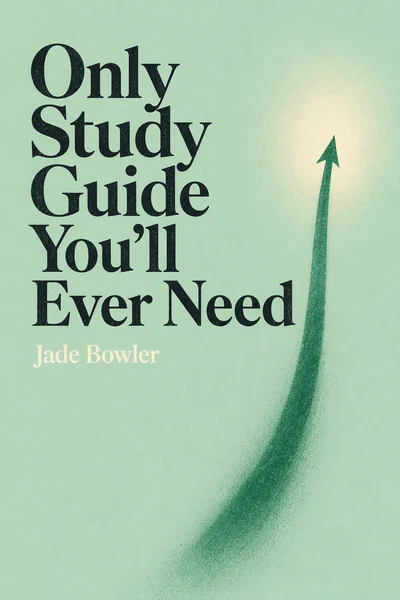
    Only Study Guide You'll Ever Need
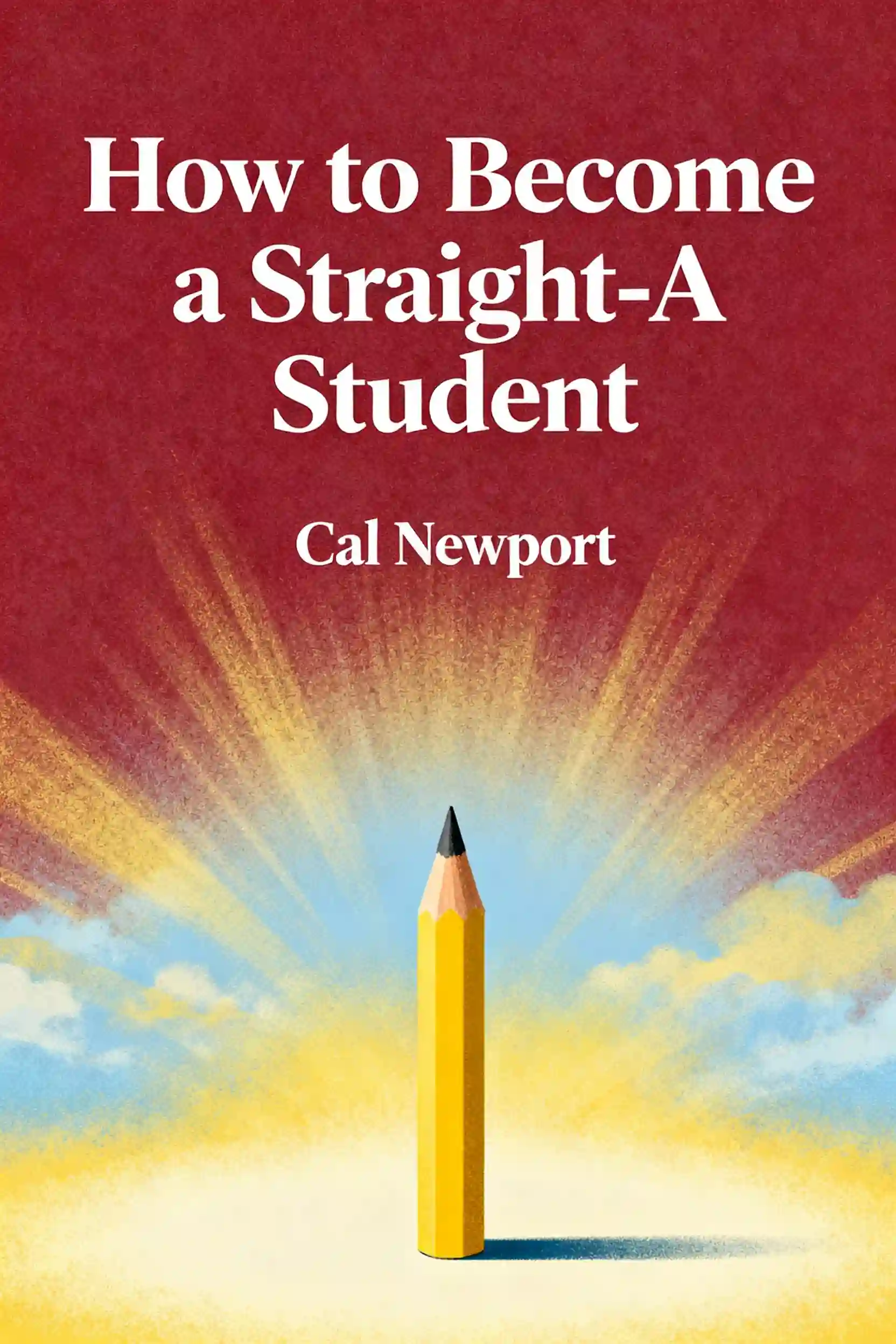
    How to Become a Straight-A Student
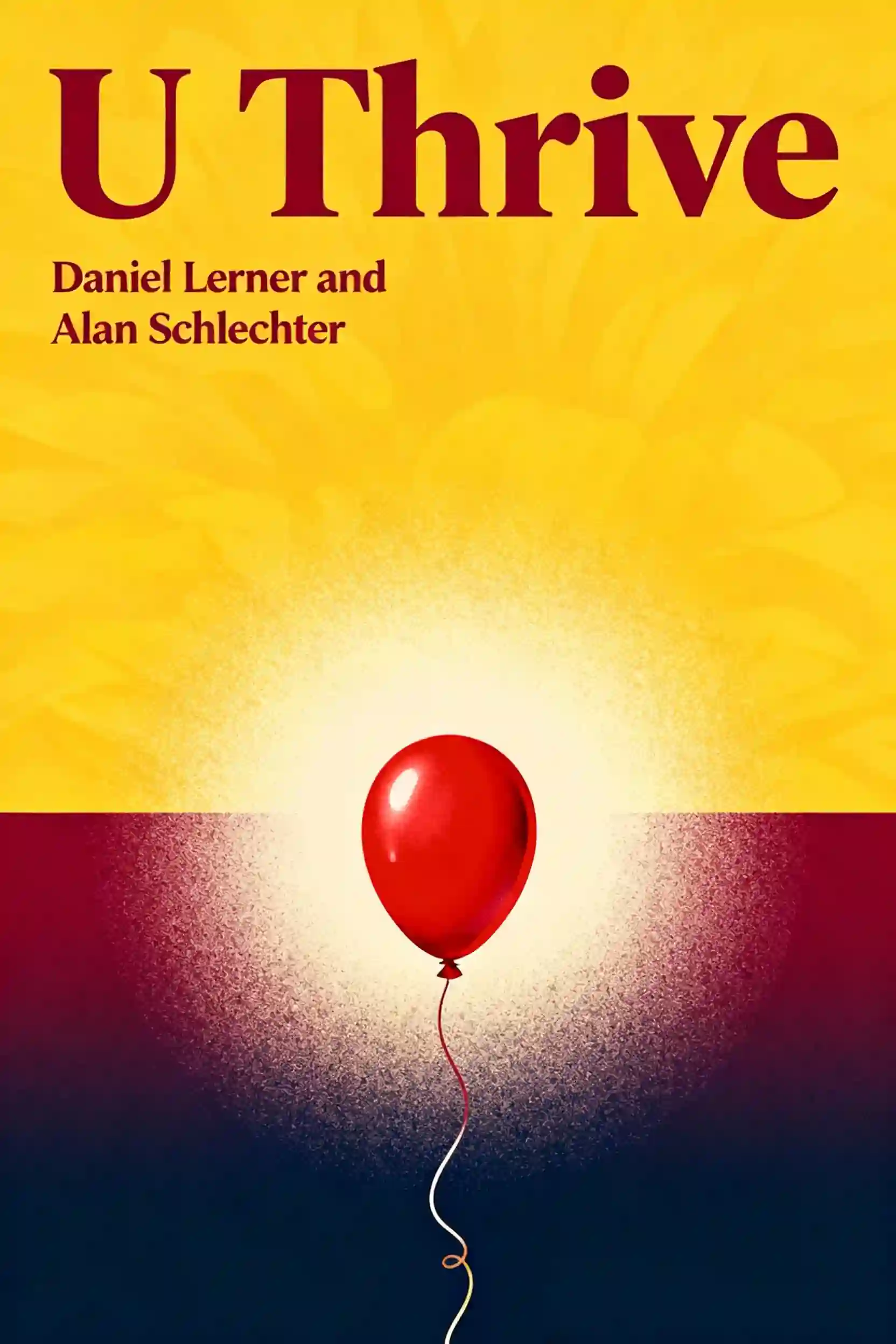
    U thrive
    How to Pass Exams
    1001 Things Every College Student Needs to Know
    Make It Stick: The Science of Successful Learning

    자주 묻는 질문

    The University Predicted Grade (UPG) is the weighted formula used for UP admissions. It consists of 60 percent of your actual UPCAT exam score and 40 percent of your final grades from high school (Grades 9, 10, and 11). This means that even if your high school grades were not at the top of your class, you can still qualify by performing exceptionally well on the 60 percent portion of the exam to pull up your overall average.

    The UPCAT applies a quarter-point deduction for every incorrect answer, which often intimidates students into leaving questions blank. However, the script suggests that an "educated guess" is statistically better than leaving a blank, which is a guaranteed zero. If you can use the process of elimination to remove one or two obviously wrong choices, your odds of success increase significantly, making it worth taking the shot.

    Self-studying is a "DIY mission" that relies on using resources you already possess, such as your old high school notebooks from Grades 7 to 12. Research shows that writing notes improves memory recall more than just reading them, so creating personalized "cheat sheets" from your own handwriting is a powerful hack. Additionally, you can find free official-style mock tests and join online communities like Reddit or Facebook groups to access shared resources and peer support.

    With some sections allowing only about 70 seconds per question, you must prioritize "function over meaning." For reading comprehension, the recommended strategy is to skip the full text and go straight to the questions first, using keywords to scan for specific data. In math and science, it is vital to identify "knowledge gaps" versus "time pressure" issues; if a problem is taking too long, you should flag it and move on to easier questions to ensure you are accumulating as many points as possible.

    An Error Log is a strategy used to categorize every mistake made during practice tests into four specific types: Knowledge Gaps, Misreads, Careless Mistakes, or Time Pressure. By tracking these, you can tailor your study plan—for example, if most errors are "Careless," you need to practice slowing down rather than studying more content. This allows for "Disciplined Increments" where you focus your energy on the specific habits or subjects that will provide the highest return on investment.

    컬럼비아 대학교 동문들이 제작 | 샌프란시스코에서 개발

    BeFreed는 호기심 넘치는 글로벌 커뮤니티를 하나로 연결합니다

    4.7

    평균 평점

    앱 평가 7.84천 개 이상

    BeFreed 커뮤니티

    정말이지 아직 앱을 다 써 보지도 않았는데, 며칠 써 본 것만으로도 깊은 인상을 받았어요… BeFreed는 제가 써 본 어떤 학습 앱과도 차원이 달라요. 몰입감이 엄청나고 집중력도 실제로 좋아져서, 스마트폰을 하염없이 스크롤하는 분들께 딱이에요!

    @ladyInfinity

    정확히 23일 전에 BeFreed를 구입했는데, 그날부터 하루도 빠짐없이 쓰고 있어요. 제 일상 업무 흐름과 학습 습관에 완전히 자리 잡았어요.

    @jayallen

    솔직히 이 앱은 제 기대를 전부 뛰어넘었어요. 어떤 주제든 오디오로 만들어 달라고 할 수 있고, 결과물이 놀라워요. 제 전문 분야는 심리치료 쪽이고 여러 학문이 얽혀 있는데도 답변이 아주 정확해요.

    @Raguipa

    제일 고마운 건 스크롤하는 시간이 확 줄었다는 거예요. 검색하는 시간은 줄고 흡수하는 시간은 늘었어요. 오디오북 전권, 팟캐스트, 학습 플랜의 조합이 정말 훌륭해요.

    @colonyofcreatorsNGO

    저는 24년째 PhotoReading 속진 학습 강사로 일하고 있어요… 책과 독서, 배움이 제 전문인데, BeFreed는 정보를 소화하기 쉽게 전달하는 혁신적인 방식을 정말 잘 구현했어요.

    @BeFreed user

    단순한 책 요약 앱이 아니에요. '재미' 스타일을 써 봤는데, 전통적인 방식보다 훨씬 나은 요약이고 아이디어를 이해하기도 쉬워요. 이것만으로도 값어치를 해요.

    @austinakon

    이 앱이 정말 좋아요. 며칠 써 봤는데 듣는 걸 멈출 수가 없어요. 시작하기에 이보다 좋을 수 없어요.

    @jcrules328

    정말 마음에 들어요. 한 달 정도 써 봤는데 숨은 보석을 찾은 기분이에요. BeFreed로 제가 원하는 주제를 직접 만들 수 있어서 좋고, 목소리도 훌륭한 데다 내레이션 선택지가 무궁무진해요.

    @DanielCZ

    정말이지 아직 앱을 다 써 보지도 않았는데, 며칠 써 본 것만으로도 깊은 인상을 받았어요… BeFreed는 제가 써 본 어떤 학습 앱과도 차원이 달라요. 몰입감이 엄청나고 집중력도 실제로 좋아져서, 스마트폰을 하염없이 스크롤하는 분들께 딱이에요!

    @ladyInfinity

    정확히 23일 전에 BeFreed를 구입했는데, 그날부터 하루도 빠짐없이 쓰고 있어요. 제 일상 업무 흐름과 학습 습관에 완전히 자리 잡았어요.

    @jayallen

    솔직히 이 앱은 제 기대를 전부 뛰어넘었어요. 어떤 주제든 오디오로 만들어 달라고 할 수 있고, 결과물이 놀라워요. 제 전문 분야는 심리치료 쪽이고 여러 학문이 얽혀 있는데도 답변이 아주 정확해요.

    @Raguipa

    제일 고마운 건 스크롤하는 시간이 확 줄었다는 거예요. 검색하는 시간은 줄고 흡수하는 시간은 늘었어요. 오디오북 전권, 팟캐스트, 학습 플랜의 조합이 정말 훌륭해요.

    @colonyofcreatorsNGO

    저는 24년째 PhotoReading 속진 학습 강사로 일하고 있어요… 책과 독서, 배움이 제 전문인데, BeFreed는 정보를 소화하기 쉽게 전달하는 혁신적인 방식을 정말 잘 구현했어요.

    @BeFreed user

    단순한 책 요약 앱이 아니에요. '재미' 스타일을 써 봤는데, 전통적인 방식보다 훨씬 나은 요약이고 아이디어를 이해하기도 쉬워요. 이것만으로도 값어치를 해요.

    @austinakon

    이 앱이 정말 좋아요. 며칠 써 봤는데 듣는 걸 멈출 수가 없어요. 시작하기에 이보다 좋을 수 없어요.

    @jcrules328

    정말 마음에 들어요. 한 달 정도 써 봤는데 숨은 보석을 찾은 기분이에요. BeFreed로 제가 원하는 주제를 직접 만들 수 있어서 좋고, 목소리도 훌륭한 데다 내레이션 선택지가 무궁무진해요.

    @DanielCZ

    유용한 정보와 아이디어를 8~15분짜리 팟캐스트 스타일 오디오로 압축해서 들을 수 있다는 게 정말 좋아요. 원래 팟캐스트는 군더더기가 많아서 안 좋아했는데, 여기는 그걸 싹 걷어냈어요.

    @BeFreed user

    박사 과정을 마무리하는 중이라 낯선 자료를 많이 읽어야 해요… BeFreed에서는 프롬프트만 입력하면 앱이 자료를 찾아서 오디오 팟캐스트로 만들어 줘요. BeFreed의 과정이 NotebookLM보다 더 매끄럽게 느껴져요.

    @Brad

    아침을 준비하거나 산책하거나 출퇴근할 때 들을 것을 YouTube에서 자주 찾곤 했는데, BeFreed는 광고도 군더더기도 없이 훨씬 더 딱 맞는 걸 들려줘요!

    @BeFreed user

    이 플랫폼의 가장 큰 장점은 활용도예요. 다루지 못하는 주제가 말 그대로 하나도 없어요. 무엇을 던져도 다 소화해요… 제한이 전혀 없으면서 약속을 실제로 지키는 학습 도구는 정말 드물어요.

    @jayallen

    BeFreed는 환상적이에요. 디자인이 편해서 헤매는 시간은 줄고 배우는 시간은 늘었어요. 오디오북, 팟캐스트, 학습 플랜의 조합은 천재적이에요. 제 하루가 완전히 달라졌어요.

    @BeFreed user

    처음엔 이탈리아어로 팟캐스트를 만드는 방법을 이해하는 데 시간이 좀 걸렸는데, 알고 나니까 — 와! 정말 대단해요! 어떤 주제든 설명해 달라고 하면 정말 똑똑하게 잘 설명해 줘요!

    @matteo77

    BeFreed는 제가 매일 쓰는 오디오북 앱이 됐어요… 제일 마음에 드는 건 텍스트를 넣으면 이동 중에도 들을 수 있는 오디오로 만들어 준다는 점이에요.

    @kotanzu1

    유용한 정보와 아이디어를 8~15분짜리 팟캐스트 스타일 오디오로 압축해서 들을 수 있다는 게 정말 좋아요. 원래 팟캐스트는 군더더기가 많아서 안 좋아했는데, 여기는 그걸 싹 걷어냈어요.

    @BeFreed user

    박사 과정을 마무리하는 중이라 낯선 자료를 많이 읽어야 해요… BeFreed에서는 프롬프트만 입력하면 앱이 자료를 찾아서 오디오 팟캐스트로 만들어 줘요. BeFreed의 과정이 NotebookLM보다 더 매끄럽게 느껴져요.

    @Brad

    아침을 준비하거나 산책하거나 출퇴근할 때 들을 것을 YouTube에서 자주 찾곤 했는데, BeFreed는 광고도 군더더기도 없이 훨씬 더 딱 맞는 걸 들려줘요!

    @BeFreed user

    이 플랫폼의 가장 큰 장점은 활용도예요. 다루지 못하는 주제가 말 그대로 하나도 없어요. 무엇을 던져도 다 소화해요… 제한이 전혀 없으면서 약속을 실제로 지키는 학습 도구는 정말 드물어요.

    @jayallen

    BeFreed는 환상적이에요. 디자인이 편해서 헤매는 시간은 줄고 배우는 시간은 늘었어요. 오디오북, 팟캐스트, 학습 플랜의 조합은 천재적이에요. 제 하루가 완전히 달라졌어요.

    @BeFreed user

    처음엔 이탈리아어로 팟캐스트를 만드는 방법을 이해하는 데 시간이 좀 걸렸는데, 알고 나니까 — 와! 정말 대단해요! 어떤 주제든 설명해 달라고 하면 정말 똑똑하게 잘 설명해 줘요!

    @matteo77

    BeFreed는 제가 매일 쓰는 오디오북 앱이 됐어요… 제일 마음에 드는 건 텍스트를 넣으면 이동 중에도 들을 수 있는 오디오로 만들어 준다는 점이에요.

    @kotanzu1

    웹에서 BeFreed가 어떻게 논의되고 있는지 더 보기
    129.7K19.5K
    55.2K19.2K
    154.2K10827355
    48.1K2.5K
    81.2K6.6K
    82.3K1.8K
    지금 바로 학습 여정을 시작하세요
    BeFreed 앱
    BeFreed

    무엇이든 개인화된 학습

    DiscordLinkedIn
    추천 도서 요약
    Crucial ConversationsThe Perfect MarriageInto the WildNever Split the DifferenceAttachedGood to GreatSay Nothing
    인기 카테고리
    Self HelpCommunication SkillRelationshipMindfulnessPhilosophyInspirationProductivity
    유명인 추천 도서
    Elon MuskCharlie KirkBill GatesSteve JobsAndrew HubermanJoe RoganJordan Peterson
    수상작 컬렉션
    Pulitzer PrizeNational Book AwardGoodreads Choice AwardsNobel Prize in LiteratureNew York TimesCaldecott MedalNebula Award
    추천 주제
    ManagementAmerican HistoryWarTradingStoicismAnxietySex
    연도별 베스트 도서
    2025 Best Non Fiction Books2024 Best Non Fiction Books2023 Best Non Fiction Books
    추천 저자
    Chimamanda Ngozi AdichieGeorge OrwellO. J. SimpsonBarbara O'NeillWinston ChurchillCharlie Kirk
    BeFreed vs 다른 앱
    BeFreed vs. Other Book Summary AppsBeFreed vs. ElevenReaderBeFreed vs. ReadwiseBeFreed vs. Anki
    학습 도구
    Knowledge VisualizerAI Podcast Generator
    정보
    회사 소개arrow
    가격arrow
    FAQarrow
    블로그arrow
    채용arrow
    파트너십arrow
    앰배서더 프로그램arrow
    디렉토리arrow
    BeFreed
    Try now
    © 2026 BeFreed
    이용 약관개인정보 처리방침
    BeFreed

    무엇이든 개인화된 학습

    DiscordLinkedIn
    추천 도서 요약
    Crucial ConversationsThe Perfect MarriageInto the WildNever Split the DifferenceAttachedGood to GreatSay Nothing
    인기 카테고리
    Self HelpCommunication SkillRelationshipMindfulnessPhilosophyInspirationProductivity
    유명인 추천 도서
    Elon MuskCharlie KirkBill GatesSteve JobsAndrew HubermanJoe RoganJordan Peterson
    수상작 컬렉션
    Pulitzer PrizeNational Book AwardGoodreads Choice AwardsNobel Prize in LiteratureNew York TimesCaldecott MedalNebula Award
    추천 주제
    ManagementAmerican HistoryWarTradingStoicismAnxietySex
    연도별 베스트 도서
    2025 Best Non Fiction Books2024 Best Non Fiction Books2023 Best Non Fiction Books
    학습 도구
    Knowledge VisualizerAI Podcast Generator
    추천 저자
    Chimamanda Ngozi AdichieGeorge OrwellO. J. SimpsonBarbara O'NeillWinston ChurchillCharlie Kirk
    BeFreed vs 다른 앱
    BeFreed vs. Other Book Summary AppsBeFreed vs. ElevenReaderBeFreed vs. ReadwiseBeFreed vs. Anki
    정보
    회사 소개arrow
    가격arrow
    FAQarrow
    블로그arrow
    채용arrow
    파트너십arrow
    앰배서더 프로그램arrow
    디렉토리arrow
    BeFreed
    Try now
    © 2026 BeFreed
    이용 약관개인정보 처리방침

    비슷한 콘텐츠

    CDCES Exam Prep: Getting Past the First Hurdle 책 표지
    Direct source: drive.google.com
    1 source
    CDCES Exam Prep: Getting Past the First Hurdle
    Struggling to access your study materials? Learn how to navigate technical roadblocks and clinical guidelines to stay on track for your certification.
    26 min
    From Average to Topper: The Class 10 Success Blueprint 책 표지
    How to Pass ExamsThe Only Study Guide You'll Ever NeedMake It StickLearn Like a Pro
    27 sources
    From Average to Topper: The Class 10 Success Blueprint
    Discover how to master Class 10 by shifting from hard work to smart strategy. Learn why NCERT mastery, active recall, and a 90-day revision cycle are the secrets to jumping from average grades to a perfect 100%.
    18 min
    How to Pass Exams 책 표지
    How to Pass Exams
    Dominic O'Brien
    37 min
    Mastering the JAMB 2025 English Syllabus 책 표지
    Saunders Comprehensive Review for the NCLEX-RN ExaminationHow to Pass ExamsAmerican Dictionary of the English LanguageThe Ten-Day MBA
    27 sources
    Mastering the JAMB 2025 English Syllabus
    Stop 'winging it' and start winning. Learn how to deconstruct the official syllabus, master CBT tools, and apply a high-scoring strategy to secure your spot in the 300+ club.
    14 min
    The Modular Path to Your GED 책 표지
    Test Subjects - GEDOverview of ACT Section TopicsWhat is a Topic-Based Test? - CAELsource 4
    5 sources
    The Modular Path to Your GED
    Struggling with the idea of a marathon testing day? Learn how modular exams and flexible structures turn intimidating tests into manageable tactics.
    18 min
    Last-Minute Wastewater Exam Mastery 책 표지
    How to Pass ExamsSaunders Comprehensive Review for the NCLEX-RN ExaminationHow to Memorize AnythingCompTIA Security+ Get Certified Get Ahead
    23 sources
    Last-Minute Wastewater Exam Mastery
    Discover proven strategies to maximize your Grade 2 exam success with just days remaining, focusing on pattern recognition, strategic math preparation, and effective mental techniques to transform pressure into performance.
    29 min
    Become Intellectually Unstoppable 책 표지
    The Only Study Guide You'll Ever NeedLearn Like a ProThe Science of Rapid Skill AcquisitionThe Art of Impossible
    18 sources
    Become Intellectually Unstoppable
    Discover how the top 1% of students build a 'second brain' to master material effortlessly. Learn the science-backed systems that transform ordinary studying into extraordinary academic performance.
    13 min
    The Science of Passing: Mastering the Professional Assay 책 표지
    Software EngineeringBasic Heat TransferAgile TestingStructures
    20 sources
    The Science of Passing: Mastering the Professional Assay
    Explore the evolution of testing from ancient metallurgy to modern IT certifications. This episode blends scientific methodology with practical strategies to help you conquer high-stakes exams.
    24 min

    Recommended Learning Plans

    The 25-Day Exam Rescue Plan
    학습 계획

    The 25-Day Exam Rescue Plan

    This plan is designed for students facing high-stakes exams who need to maximize their remaining study time. It bridges the gap between panic and performance by combining environmental engineering with scientifically proven memory techniques.

    1 h 45 m•4 섹션
    Build better study habits as a student
    학습 계획

    Build better study habits as a student

    This plan is essential for students struggling with procrastination or ineffective cramming. It provides a structured path for anyone looking to transition from academic stress to systematic, high-performance learning habits.

    5 h 13 m•4 섹션
    Start revising as GCSE student coasting
    학습 계획

    Start revising as GCSE student coasting

    This plan is designed for high-potential GCSE students who have relied on natural ability but now need structured systems to excel. It bridges the gap between passive learning and peak exam performance by introducing scientific study habits and mental resilience.

    5 h 32 m•4 섹션
    From Messy Notes to Test-Day Calm
    학습 계획

    From Messy Notes to Test-Day Calm

    Many students struggle with exam anxiety and inefficient study habits that lead to poor retention. This plan is designed for learners who want to replace frantic cramming with structured note-taking and science-based retrieval methods to ensure peak performance under pressure.

    1 h 30 m•3 섹션
    The Student Solopreneur Blueprint
    학습 계획

    The Student Solopreneur Blueprint

    This blueprint is designed for ambitious students who want to launch a business without sacrificing their grades or financial stability. It provides a practical, low-risk roadmap for turning campus problems into profitable, automated ventures.

    2 h•4 섹션
    Business Studies Exam Accelerator
    학습 계획

    Business Studies Exam Accelerator

    This accelerator is designed for students and aspiring entrepreneurs who need a rigorous grasp of commercial operations. It bridges the gap between theoretical frameworks and practical application in management, marketing, and finance.

    2 h•4 섹션
    Dompter le temps universitaire
    학습 계획

    Dompter le temps universitaire

    Ce parcours est indispensable pour les étudiants qui se sentent submergés par la charge de travail académique. Il offre des outils concrets pour structurer son quotidien et préserver son bien-être tout en visant l'excellence.

    1 h•2 섹션
    Mastering the Active Lecture Workout
    학습 계획

    Mastering the Active Lecture Workout

    Traditional lecture settings often lead to passive consumption and rapid information loss. This plan is designed for students and professionals who want to transform their focus and turn every lecture into a high-intensity cognitive workout.

    1 h 30 m•3 섹션