BeFreed
    Categories>Psychology>What is Concern Trolling? How to Identify and Handle It

    What is Concern Trolling? How to Identify and Handle It

    23분
    |
    |
    2026년 4월 29일
    • Psychology
    • Communication
    • History & Society

    Learn to identify concern trolling and bad faith arguments. Discover how this online manipulation tactic disrupts discourse and how you can handle it effectively.

    What is Concern Trolling? How to Identify and Handle It
    0:00 / 0:00
    전달 방식을 선택하세요

    하나의 에피소드, 다양한 청취 방식.

    What is Concern Trolling? How to Identify and Handle It의 같은 아이디어를 나에게 맞는 목소리, 깊이, 속도로 만나보세요. 언제든 바꿀 수 있습니다.

    전체 대본 및 챕터

    챕터 1

    The Moment the Mask Falls Away

    Lena: Hey everyone! I’m so excited to dive into this today because I had one of those absolute "brain-bending" moments recently. You ever learn a new word and suddenly you see it everywhere? Like, your entire social media feed just reconfigures itself because you finally have a name for that one specific, annoying thing people do?

    Miles: Oh, I know exactly what you mean. It’s like getting a new pair of glasses and realizing the "smudges" you were seeing were actually a very specific pattern. You’re talking about "concern trolling," right?

    Lena: Exactly! It’s been around as a term since at least 2005, apparently starting in old internet forums before hitting the mainstream around 2006, but man, it feels more relevant today than ever. I used to just think these people were being... I don't know, "helpful but pushy"? But now I see the sabotage underneath the "care."

    Miles: It’s a total wolf-in-sheep’s-clothing situation. The wild part is that a concern troll is basically an opponent who’s pretending to be an ally. They’re not coming at you from the front with a "hey, I hate your idea." Instead, they’re standing right next to you, patting you on the back, and whispering, "I love what you're doing, but aren't you worried you're making everyone hate us by being so loud?"

    Lena: That’s the "aha!" moment for me. It’s the fake support used as a delivery system for a jab. It’s so much more effective at causing doubt because it comes from inside the house, so to speak. If someone I know hates my cause tells me I’m wrong, I just ignore them. But if someone says, "I’m on your side, but I’m worried this specific move is going to ruin our reputation," I actually stop and listen.

    Miles: And that’s exactly what they want. It’s a deceptive anti-debate tactic designed to undermine a cause from within. They want to inspire doubt and cause dissent among people who should be working together. It’s fascinating and, honestly, a little bit scary once you realize how much of our online discourse is shaped by people who aren't even who they say they are.

    Lena: It really changes how you read the comments section. So, for the next hour, we’re going to put on our detective hats and pull back the curtain on this. We’re going to look at why people do this, the specific "red flags" that give them away, and why this is actually a form of "proxy aggression."

    Miles: I love that term. It’s like they’re using "care" as a weapon. So let’s dive into what makes a concern troll tick and how they manage to stay under the radar for so long.
    챕터 2

    The Anatomy of the Saboteur

    Lena: So, Miles, let’s break this down. If I’m looking at a comment or talking to someone at work, how do I know if I’m dealing with a genuine friend who has a worry, or a concern troll who is trying to tank my progress?

    Miles: It’s all about the "guise." A concern troll is someone who disingenuously visits sites of an opposing ideology to disrupt the conversation. They offer unwanted advice on problems that don’t actually exist. Think of it like a "devil’s advocate" play, but with a malicious intent to weaken the movement.

    Lena: Right, and they never actually call themselves concern trolls. They’d never say, "Hi, I’m here to sabotage you." They always lead with their "support." I saw this great example in the research about body positivity. A troll might say, “While I support body positivity and loving yourself, obesity is a real issue that claims lives and I worry about your health.”

    Miles: That’s the classic move! They take a socially "right" opinion—like body positivity—and then use the language of "woke" or thoughtful speech to channel their actual prejudice. In that case, they probably just don't like fat people, but if they said that directly, they’d be shut down. By framing it as "health concern," they get to stay in the conversation and make the other person feel defensive.

    Lena: It’s so manipulative. It’s like they’re trying to bait you into looking like the "unreasonable" one. If you get mad at them for the "health concern," they can turn around and say, "Whoa, I was just being nice! Why are you being so aggressive?" It’s a total trap.

    Miles: It’s actually a form of gaslighting. They want you to start doubting yourself and maybe even feel a bit paranoid. This happens a lot in political circles too. A troll might join a group and say that certain tactics—like getting too emotional or aggressive—will make the whole group look bad to moderates.
    Lena: Oh, I’ve seen that! They try to police how the message is delivered under the pretense of making it "more effective," but in reality, they just want the message to be less impactful or for the group to stop what they’re doing entirely. It’s like telling a firefighter who’s trying to put out a blaze that they should really use a different tone when asking for the hose because they’re sounding a bit "alarmist."

    Miles: That is such a perfect analogy. "You're violently oxidizing! Not all oxidation is bad!" It’s ridiculous when you say it like that, but in the heat of a debate, it can really derail things. They might even try the "plague on both houses" approach, arguing that both sides are just as bad as each other so no one can feel "correct."

    Lena: Which just leads to endless hedging and caveats. Everyone wastes time trying to prove they aren't intolerant of disagreement, and meanwhile, the actual goal of the group is completely forgotten.

    Miles: Exactly. It’s all about creating that in-group discord. They want to cause dissent and keep marginalized people mistreated or without protections by keeping the community fighting amongst itself.

    Lena: It’s really a masterclass in psychological warfare, honestly. But here’s what strikes me—how do they get away with it? Why don’t we just call them out immediately?

    Miles: Well, that’s where it gets interesting. There’s often "plausible deniability." Some people might actually be sincere but just... uninformed or clumsy with their words. This makes calling them out dicey because you don't want to accidentally attack a real ally who just has a genuine, if misguided, concern.

    이 에피소드로 더 깊이 배우기

    이 에피소드의 아이디어를 BeFreed의 가이드 학습 경험으로 더 깊이 탐구해 보세요.

    챕터 3

    The Red Flags in Your Feed

    Lena: Okay, so we know the "why," but let’s talk about the "how." If I’m looking at a comment or a message, what are the actual red flags? I want to be able to spot these trolls like a pro.

    Miles: Well, there are a few key behavioral markers that are basically the "troll fingerprint." The first one is making false assumptions about you. Like a coworker telling you that you should focus on hard projects in the morning because you'll be "more focused."

    Lena: Wait, how is that trolling? That sounds like regular advice.

    Miles: It becomes trolling when they assume they know your internal state better than you do. They’re implying you aren’t focused or that you don't know how to manage your own time. Only you know when you’re most focused. It’s a subtle way of insulting your intelligence or your autonomy.

    Lena: Ah, I see. It’s that "I know you better than you know yourself" vibe. What else?

    Miles: Another big one is trying to limit your potential. This is huge in the workplace, especially when promotions are on the table. Someone might say, "Should you really take this promotion? Won't you be spending less time with your kids?"

    Lena: Oh, that is so classic. It’s framing a professional hurdle as a "concern" for your family life. It’s basically workplace sexism dressed up as a caring question.

    Miles: Exactly. And then there’s the "tone policing." This is when they’ve run out of actual arguments, so they start commenting on how you’re saying things. "You talk too loud," "You're being too aggressive," or "You're being disrespectful." They’re trying to silence you by making the discussion about your behavior rather than your facts.

    Lena: It’s so frustrating because it works! You end up defending your "tone" instead of your point. And then there’s the "insulting your intelligence" part, right?

    Miles: Yes, and this one is usually very "subtle." A "friend" might feign interest in your new job or project just to demean it. They might say, "You're so talented, and yet you're doing that?" The implication is that the job is beneath someone smart, and therefore, you’re being dumb for doing it.

    Lena: Wow, that is incredibly passive-aggressive. It’s like they’re trying to shrink you down while pretending they want you to grow.

    Miles: That’s a great way to put it. And here’s a really important marker: persistence despite boundaries. A person with legitimate concern will back off if you say, "Thanks, but I’m fine." A concern troll will actually intensify their efforts. They treat your boundary as "evidence" that you’re in denial or that the problem is even worse than they thought.

    Lena: So, the more you say "I'm good," the more they say "See? You're clearly not thinking straight!" That feels so trapped. And they usually do this in public, don't they?

    Miles: Most of the time, yes. Legitimate concern is usually private—a DM or a quiet chat. Concern trolling thrives on the "public performance." They want to leverage social pressure and get the whole community involved in "intervening" with you. It’s what philosophers call "moral grandstanding."

    Lena: "Moral grandstanding." I love that. It’s like they’re playing to the audience in the bleachers instead of actually talking to the person in front of them.

    Miles: Precisely. They’re using the discussion to gain status or dominance for themselves by looking like the "most caring" or "most moral" person in the room. It’s all a show, and you’re just the prop they’re using to look good.

    챕터 4

    From Forums to the Front Lines

    Lena: It’s wild to think that this term has been around for almost twenty years. I was looking at the history, and it really gained traction in political circles back in 2006. It’s interesting how it’s moved from those niche political forums to basically every corner of the internet.

    Miles: It really has. And what’s fascinating is that even though the term is relatively new, the tactic is ancient. There’s actually a really powerful connection here to Martin Luther King Jr.’s "Letter from Birmingham Jail."

    Lena: Wait, really? How so?

    Miles: He wrote about his disappointment with the "white moderate" who was more devoted to "order" than to justice. These were people who would say, "I agree with you in the goal you seek, but I cannot agree with your methods of direct action." They were essentially concern trolling the entire Civil Rights Movement by advising them to wait for a "more convenient season."

    Lena: That is such a deep insight. They were using the language of "caution" and "timing" to slow down progress, all while claiming to be on the same side. King called that "shallow understanding from people of good will," and said it was more frustrating than absolute misunderstanding from people of ill will.

    Miles: Exactly. It’s that "lukewarm acceptance" that is so bewildering. And today, we see that same pattern in everything from environmental activism to gender-affirming care. For example, a troll might argue against a person’s well-being—like transitioning—by citing statistics of regret just to dissuade them, all under the guise of "worrying for their future."

    Lena: It’s the same old trick. "I want you to be happy, but I’m worried you’ll regret this." It’s a way to keep marginalized people mistreated without having to admit you’re against their rights.

    Miles: And it’s not just big political movements. It’s become a huge thing in "influencer culture" too. Have you seen the drama between Jameela Jamil and the Kardashians?

    Lena: Oh, I’ve heard bits and pieces. What happened there?

    Miles: Well, Jameela Jamil has been very vocal about her critiques of the Kardashians for things like weight-loss teas. But she often uses this very "concerned" tone. When Khloe Kardashian posted a meme about eating and losing weight, Jamil tweeted, "This makes me sad... Sending love to this poor woman. This industry did this to her."

    Lena: See, that’s the "woke" cloaking we talked about! She’s adopting the language of "feminism" and "wellness" to channel what some people see as the same rage she’s always had against them. It allows her to antagonize them while sounding like she’s just being thoughtful and caring.

    Miles: Right. And the thing is, she might genuinely believe she’s being helpful. But the effect is the same—it makes the target defensive and irritated, and then that irritation is used against them as "proof" that they’re being unreasonable. It’s a massive drain of energy for the person being trolled.

    Lena: It really is. You end up spending all your time debating someone who is "allegedly" on your side, and that just leaves you exhausted. It’s like running a marathon while someone is "helpfully" telling you that your shoelaces look a bit loose every ten steps.

    Miles: "I’m just worried you’ll trip! Don't get mad at me, I'm just trying to help!" Meanwhile, they're the ones who keep stopping you. It’s a perfect way to stall someone’s momentum without ever having to actually block their path.

    이 에피소드로 더 깊이 배우기

    이 에피소드의 아이디어를 BeFreed의 가이드 학습 경험으로 더 깊이 탐구해 보세요.

    챕터 5

    The New Frontier of Digital Vigilantism

    Lena: You know, what’s really blowing my mind is how concern trolling is evolving with new technology. I was reading this article about AI companion communities—like people who use AI for emotional support or even just fun.

    Miles: Oh, I saw that too! It’s wild. People from "anti-AI" communities will go into these safe spaces and start "worrying" about the users' mental health.

    Lena: Exactly. They’ll link to misreported articles about "AI psychosis" or claim that anyone using an AI companion should be "forced into therapy." They use this language of "safety" and "protecting the vulnerable" to basically harass people for their personal choices.

    Miles: And it’s so selective, right? These trolls aren't going into forums that actually glorify self-harm or extremist ideologies. They’re targeting AI users because they have a bias against the technology itself, but they frame it as a "mental health crisis" to make their harassment look benevolent.

    Lena: That’s the "proxy aggression" we mentioned earlier. They hide behind the "helper" mask while trying to recruit the rest of the community to turn against the target. It’s like they’re saying, "We need to save these delusional people from themselves!"

    Miles: It’s a form of social control. They’re reframing a deviation from "accepted behavior" as a mental health issue rather than a personal choice. And they often weaponize science to do it—even if that science is totally misrepresented.

    Lena: Like that Stanford study people keep citing?

    Miles: Precisely. Headlines were screaming that "AI therapists cause delusions," but if you actually look at the study from mid-2025, they were testing older models from early 2024 that didn't even include the big names like Claude or Gemini. The researchers even acknowledged potential benefits for AI in mental health, but the concern trolls just ignore all that nuance.

    Lena: They have total "resistance to information." If the facts don't fit their narrative of "danger," they just discard them. And if a user defends themselves, the troll just says, "That’s exactly what someone who’s unstable would say!"

    Miles: It’s a total "Catch-22." You’re either a victim who needs their help, or you’re "in denial" which proves you need their help even more. There’s no way to win the argument because they’ve already decided you’re the problem.

    Lena: This also happens with "mommy vloggers" and family influencers too, right? I saw something about "moral blackmail" disguised as child protection.

    Miles: Yeah, there are some creators who claim to be "holding people accountable" for child exploitation. While that’s a real and serious issue, some of these "accountability" channels use it as a way to build their own platform through outrage. They’ll threaten to keep posting harassment until a creator deletes their whole channel.

    Lena: That feels more like digital vigilantism than actual protection. They’re acting as judge and jury without any accountability themselves. It collapses all the nuance of family content into one single narrative of "abuse," which just fuels more harassment.

    Miles: And they love the "moral absolutism." By framing everything as a high-stakes ethical battle, they justify their own aggressive behavior. It’s "moral bullying"—using their perceived ethical superiority to justify attacking others.

    Lena: It’s a dangerous game. It distorts public understanding and makes it really hard to have actual, productive conversations about things like child privacy or AI ethics because the air is just filled with this "fake concern" and manufactured outrage.

    챕터 6

    The Cost of the "Devil's Advocate"

    Lena: So, Miles, why is this actually dangerous? I mean, if someone is just being annoying online, can't we just mute them and move on? Why does it matter so much?

    Miles: Well, for one thing, it’s a massive drain on the community’s resources. When everyone is "bending over backwards" to address a concern troll—just so they don't appear intolerant or closed-minded—they’re wasting time that could be spent on real progress.

    Lena: Right, it preys on people’s willingness to be fair and open-minded. You want to be a "good ally," so you listen to the dissent, but that dissent is actually a trap. It creates this environment of "groupthink" where people are so afraid of being called a concern troll that they stop raising genuine concerns.

    Miles: That’s the "Cassandra syndrome" mentioned in some of the research. Sometimes someone is actually making a valid, justified observation that is unwelcome to the group’s dominant ideology. If that person gets labeled a "concern troll" just to silence them, then the community actually is becoming an echo chamber.

    Lena: So it works both ways! The term can be weaponized by the group to enforce conformity. If I don't like what you're saying, I just call you a concern troll and I don't have to engage with your actual points. It’s a "perfect refuge" for someone who has no counter-argument.

    Miles: Exactly. It’s a combination of a "straw man" and an "ad hominem" attack. You ignore the points made, allege some hidden agenda, and then dismiss the person as acting in "bad faith." This is why it’s so important to be careful with the label. If we use it too loosely, we end up disregard and mistreating outsiders with genuine worries.

    Lena: And that just makes the community more isolated and paranoid. It’s like the troll wins either way. If they derail you, they win. If they make you so defensive that you start attacking your own allies, they really win.

    Miles: There’s also a real human cost to this, especially in areas like health and wellness. Think about the "concern trolling" directed at people in larger bodies. When clinicians or random people online constantly tell them to "just lose weight" regardless of their actual symptoms, those people start avoiding medical care altogether because they feel like they aren't being heard.

    Lena: That’s heartbreaking. The "concern" for their health is actually what’s hurting their health because it’s driving them away from the help they might actually need. It’s systematic body policing framed as advocacy.

    Miles: And it’s the same with alternative wellness approaches like intuitive eating. Trolls will mass-report that content as "promoting unhealthy lifestyles" or harass practitioners who offer weight-neutral services. They’re using "safety concerns" to shut down different ways of thinking and living.

    Lena: It’s all about control, isn't it? Punishing difference under the guise of help. Whether it's a political cause, a personal lifestyle choice, or even how someone uses AI, the concern troll wants to dictate the "right" way to be.

    Miles: And they’re often very good at leveraging the "algorithm" to do it. Outrage-based content typically lacks nuance and spreads much faster. So the troll’s "concern" gets amplified, and the person being targeted gets overwhelmed by a wave of manufactured "worry" from thousands of strangers.

    Lena: It’s a digital pile-on with a "polite" face. No wonder it’s so exhausting.

    이 에피소드로 더 깊이 배우기

    이 에피소드의 아이디어를 BeFreed의 가이드 학습 경험으로 더 깊이 탐구해 보세요.

    챕터 7

    Your Field Guide to Taking Back the Thread

    Lena: Okay, enough with the doom and gloom. We know what they are, we know why they do it, and we know why it’s bad. Now, how do we actually handle them? Give me the playbook!

    Miles: The first rule is the most important: don’t doubt yourself. If something feels off, if you start feeling that prickle of paranoia or defensiveness, you’re probably being trolled. Don’t buy into the gaslighting.

    Lena: That’s step one. What’s step two?

    Miles: State your arguments clearly and calmly. If they raise a "concern," address it with facts. If they say "I'm worried about X," you say "X is actually handled by Y, and here’s the evidence." A genuine person will listen and adjust. A troll will dismiss it and move the goalposts.

    Lena: And if they don't back down? If they just keep coming with the "But I'm just so worried..."?

    Miles: Then you call out the behavior directly. Don't engage with the topic anymore; engage with the tactic. You can say something like, "It feels like you're concern trolling right now. I've addressed your points, and I'm not looking for further advice on this."

    Lena: "Call it out and shut it down." I like that. Does that usually work?

    Miles: Often, yes! Usually, the troll will back off or suddenly pretend they have "other business" to attend to. They might even throw a fake invite your way, like "Anyway, want to grab lunch?" to try and reset the "nice person" mask. But once the tactic is named, it loses its power.

    Lena: It’s like shining a light on a shadow puppet. Once you see the hand making the shape, the scary monster disappears.

    Miles: Exactly. And another huge piece of advice: sometimes the best way to deal with them is to just ignore them. Reacting to their contrarian opinions is a "one-way ticket to being called unreasonable or shrill." If you don't give them the reaction they're fishing for, they’ll eventually move on to a "more reactive" target.

    Lena: So, don't feed the trolls, even the ones who say they're bringing you "healthy" snacks.

    Miles: Haha, exactly! And for our listeners who might be tempted to "play devil's advocate" in discussions—maybe just slow down and ask yourself why? Are you actually trying to help, or are you just trying to feel superior or disrupt a conversation you don't like?

    Lena: That’s a good moment for some self-reflection. And for communities, I think it’s about protecting those "vulnerable spaces." We need to defend the places that offer connection and healing, even if they challenge the dominant norms. We have to refuse that moral absolutism and insist on nuance and empathy.

    Miles: And demand evidence! Don't just take "I'm worried" at face value. Ask for the "why" and the "where is this coming from?" If the "concern" is based on misreported stats or personal bias, call it what it is.

    Lena: This really feels like a super-power now. I feel like I have this new "troll-dar" that is going to save me so much energy online.

    Miles: It really does change the game. Once you recognize the pattern, you can’t unsee it. And that’s the first step to building a more ethical and inclusive digital space.

    챕터 8

    Building Better Digital Neighborhoods

    Lena: So, as we wrap things up today, I’m thinking about how much of our world is built on these tiny, digital interactions. It’s easy to feel like one comment doesn't matter, but when thousands of people are using "care" as a weapon, it really changes the climate of the internet.

    Miles: It really does. Concern trolling isn't just a "minor nuisance"; it’s a form of social control that punishes difference. It’s about keeping people in boxes by making them too tired or too self-doubting to step out of them.

    Lena: But the good news is that by naming it, we take away its "helper" mask. We can resist that "proxy aggression" and create spaces where genuine concern is actually heard and valued because we’ve cleared out the "fake" stuff.

    Miles: Right. We can build communities that are resilient to these tactics. Communities that value nuance, protect their members, and aren't afraid to call out bad-faith actors.

    Lena: I love that. So, to everyone listening—next time you see a comment that makes you feel that weird mix of "they're being nice but I feel terrible," take a second. Look for the red flags. Is it a genuine worry, or is it a concern troll trying to derail your progress?

    Miles: And remember, your energy is valuable. You don't owe an explanation to someone who isn't actually listening. You have the right to set boundaries and protect your peace.

    Lena: That is a great takeaway. Thank you so much for joining us for this deep dive. It’s been such a fascinating journey into the darker corners of the comments section.

    Miles: It really has. I’m definitely going to be reading my feed a little differently from now on.

    Lena: Me too! We hope this helps you navigate your own digital neighborhoods with a bit more confidence and a lot less self-doubt. Take some time to reflect on the "concerns" you've encountered lately—were they real, or were they trolls?

    Miles: Thanks for listening, everyone. It's been a blast.

    Lena: Absolutely. We’ll see you out there—hopefully in a much more genuine and supportive corner of the web!

    ★★★★★

    What is Concern Trolling? How to Identify and Handle It의 끝까지 도달했어요

    “23일째 매일 사용하고 있어요. 이제 제 일상의 한 부분이 되었습니다.”

    jayallen

    What is Concern Trolling? How to Identify and Handle It 베스트 인용

    “

    A concern troll is basically an opponent who’s pretending to be an ally. They’re not coming at you from the front with a 'hey, I hate your idea,' but instead are using fake support as a delivery system for a jab.

    ”
    T

    Generated by Tushar

    질문 입력

    I Just Learned About "Concern Trolling" and Now I Can't Unsee It

    호스트 음성
    Lenaplay
    Milesplay
    지식 출처
    concern troll | Slang | Dictionary.com
    link
    https://dictionary.com/e/slang/concern-troll
    How to recognize concern trolling
    link
    https://www.scienceblog.co.uk/concern-trolling/
    Concern troll
    link
    https://rationalwiki.org/wiki/Concern_troll
    What Is Concern Trolling And How to Deal With People Who Do It
    link
    https://theswaddle.com/what-is-concern-trolling
    Concern Trolling - A Dangerous Internet Phenomenon
    link
    https://whitneyafoster.substack.com/p/concern-trolling-a-dangerous-internet

    자주 묻는 질문

    Concern trolling is a form of online manipulation where a person participates in a debate by pretending to share the group's goals while raising undermining doubts under the guise of "concern." This internet slang describes a bad faith argument intended to derail productive discourse. By appearing sympathetic, the troll can introduce skepticism or criticism that discourages action or creates internal division within a community or movement.

    You can identify concern trolling by looking for patterns of social engineering where the speaker focuses more on tone or potential optics than the actual substance of the issue. These individuals often use discourse tactics that prioritize hypothetical negative reactions over the goals of the group. If someone is constantly "just asking questions" that stall progress while claiming to be on your side, they may be engaging in this specific type of bad faith behavior.

    It is considered a bad faith argument because the speaker's stated intent—helping the group improve or avoid mistakes—does not match their actual goal of causing friction or doubt. Unlike honest critics who want to solve problems, concern trolls use manipulation to undermine confidence. This tactic is a form of social engineering designed to waste time and energy, forcing participants to defend their positions against insincere worries rather than focusing on their primary objectives.

    The most effective way to handle concern trolling is to stay focused on the facts and the original topic of discussion. Avoid getting defensive or spending excessive energy addressing their insincere worries, as this is exactly what the manipulation tactic intends to achieve. Once you recognize the pattern of bad faith arguments, you can choose to set firm boundaries, redirect the conversation to actionable items, or disengage entirely to protect the integrity of the discourse.

    컬럼비아 대학교 동문들이 제작 | 샌프란시스코에서 개발

    BeFreed는 호기심 넘치는 글로벌 커뮤니티를 하나로 연결합니다

    4.7

    평균 평점

    앱 평가 7.84천 개 이상

    BeFreed 커뮤니티

    정말이지 아직 앱을 다 써 보지도 않았는데, 며칠 써 본 것만으로도 깊은 인상을 받았어요… BeFreed는 제가 써 본 어떤 학습 앱과도 차원이 달라요. 몰입감이 엄청나고 집중력도 실제로 좋아져서, 스마트폰을 하염없이 스크롤하는 분들께 딱이에요!

    @ladyInfinity

    정확히 23일 전에 BeFreed를 구입했는데, 그날부터 하루도 빠짐없이 쓰고 있어요. 제 일상 업무 흐름과 학습 습관에 완전히 자리 잡았어요.

    @jayallen

    솔직히 이 앱은 제 기대를 전부 뛰어넘었어요. 어떤 주제든 오디오로 만들어 달라고 할 수 있고, 결과물이 놀라워요. 제 전문 분야는 심리치료 쪽이고 여러 학문이 얽혀 있는데도 답변이 아주 정확해요.

    @Raguipa

    제일 고마운 건 스크롤하는 시간이 확 줄었다는 거예요. 검색하는 시간은 줄고 흡수하는 시간은 늘었어요. 오디오북 전권, 팟캐스트, 학습 플랜의 조합이 정말 훌륭해요.

    @colonyofcreatorsNGO

    저는 24년째 PhotoReading 속진 학습 강사로 일하고 있어요… 책과 독서, 배움이 제 전문인데, BeFreed는 정보를 소화하기 쉽게 전달하는 혁신적인 방식을 정말 잘 구현했어요.

    @BeFreed user

    단순한 책 요약 앱이 아니에요. '재미' 스타일을 써 봤는데, 전통적인 방식보다 훨씬 나은 요약이고 아이디어를 이해하기도 쉬워요. 이것만으로도 값어치를 해요.

    @austinakon

    이 앱이 정말 좋아요. 며칠 써 봤는데 듣는 걸 멈출 수가 없어요. 시작하기에 이보다 좋을 수 없어요.

    @jcrules328

    정말 마음에 들어요. 한 달 정도 써 봤는데 숨은 보석을 찾은 기분이에요. BeFreed로 제가 원하는 주제를 직접 만들 수 있어서 좋고, 목소리도 훌륭한 데다 내레이션 선택지가 무궁무진해요.

    @DanielCZ

    정말이지 아직 앱을 다 써 보지도 않았는데, 며칠 써 본 것만으로도 깊은 인상을 받았어요… BeFreed는 제가 써 본 어떤 학습 앱과도 차원이 달라요. 몰입감이 엄청나고 집중력도 실제로 좋아져서, 스마트폰을 하염없이 스크롤하는 분들께 딱이에요!

    @ladyInfinity

    정확히 23일 전에 BeFreed를 구입했는데, 그날부터 하루도 빠짐없이 쓰고 있어요. 제 일상 업무 흐름과 학습 습관에 완전히 자리 잡았어요.

    @jayallen

    솔직히 이 앱은 제 기대를 전부 뛰어넘었어요. 어떤 주제든 오디오로 만들어 달라고 할 수 있고, 결과물이 놀라워요. 제 전문 분야는 심리치료 쪽이고 여러 학문이 얽혀 있는데도 답변이 아주 정확해요.

    @Raguipa

    제일 고마운 건 스크롤하는 시간이 확 줄었다는 거예요. 검색하는 시간은 줄고 흡수하는 시간은 늘었어요. 오디오북 전권, 팟캐스트, 학습 플랜의 조합이 정말 훌륭해요.

    @colonyofcreatorsNGO

    저는 24년째 PhotoReading 속진 학습 강사로 일하고 있어요… 책과 독서, 배움이 제 전문인데, BeFreed는 정보를 소화하기 쉽게 전달하는 혁신적인 방식을 정말 잘 구현했어요.

    @BeFreed user

    단순한 책 요약 앱이 아니에요. '재미' 스타일을 써 봤는데, 전통적인 방식보다 훨씬 나은 요약이고 아이디어를 이해하기도 쉬워요. 이것만으로도 값어치를 해요.

    @austinakon

    이 앱이 정말 좋아요. 며칠 써 봤는데 듣는 걸 멈출 수가 없어요. 시작하기에 이보다 좋을 수 없어요.

    @jcrules328

    정말 마음에 들어요. 한 달 정도 써 봤는데 숨은 보석을 찾은 기분이에요. BeFreed로 제가 원하는 주제를 직접 만들 수 있어서 좋고, 목소리도 훌륭한 데다 내레이션 선택지가 무궁무진해요.

    @DanielCZ

    유용한 정보와 아이디어를 8~15분짜리 팟캐스트 스타일 오디오로 압축해서 들을 수 있다는 게 정말 좋아요. 원래 팟캐스트는 군더더기가 많아서 안 좋아했는데, 여기는 그걸 싹 걷어냈어요.

    @BeFreed user

    박사 과정을 마무리하는 중이라 낯선 자료를 많이 읽어야 해요… BeFreed에서는 프롬프트만 입력하면 앱이 자료를 찾아서 오디오 팟캐스트로 만들어 줘요. BeFreed의 과정이 NotebookLM보다 더 매끄럽게 느껴져요.

    @Brad

    아침을 준비하거나 산책하거나 출퇴근할 때 들을 것을 YouTube에서 자주 찾곤 했는데, BeFreed는 광고도 군더더기도 없이 훨씬 더 딱 맞는 걸 들려줘요!

    @BeFreed user

    이 플랫폼의 가장 큰 장점은 활용도예요. 다루지 못하는 주제가 말 그대로 하나도 없어요. 무엇을 던져도 다 소화해요… 제한이 전혀 없으면서 약속을 실제로 지키는 학습 도구는 정말 드물어요.

    @jayallen

    BeFreed는 환상적이에요. 디자인이 편해서 헤매는 시간은 줄고 배우는 시간은 늘었어요. 오디오북, 팟캐스트, 학습 플랜의 조합은 천재적이에요. 제 하루가 완전히 달라졌어요.

    @BeFreed user

    처음엔 이탈리아어로 팟캐스트를 만드는 방법을 이해하는 데 시간이 좀 걸렸는데, 알고 나니까 — 와! 정말 대단해요! 어떤 주제든 설명해 달라고 하면 정말 똑똑하게 잘 설명해 줘요!

    @matteo77

    BeFreed는 제가 매일 쓰는 오디오북 앱이 됐어요… 제일 마음에 드는 건 텍스트를 넣으면 이동 중에도 들을 수 있는 오디오로 만들어 준다는 점이에요.

    @kotanzu1

    유용한 정보와 아이디어를 8~15분짜리 팟캐스트 스타일 오디오로 압축해서 들을 수 있다는 게 정말 좋아요. 원래 팟캐스트는 군더더기가 많아서 안 좋아했는데, 여기는 그걸 싹 걷어냈어요.

    @BeFreed user

    박사 과정을 마무리하는 중이라 낯선 자료를 많이 읽어야 해요… BeFreed에서는 프롬프트만 입력하면 앱이 자료를 찾아서 오디오 팟캐스트로 만들어 줘요. BeFreed의 과정이 NotebookLM보다 더 매끄럽게 느껴져요.

    @Brad

    아침을 준비하거나 산책하거나 출퇴근할 때 들을 것을 YouTube에서 자주 찾곤 했는데, BeFreed는 광고도 군더더기도 없이 훨씬 더 딱 맞는 걸 들려줘요!

    @BeFreed user

    이 플랫폼의 가장 큰 장점은 활용도예요. 다루지 못하는 주제가 말 그대로 하나도 없어요. 무엇을 던져도 다 소화해요… 제한이 전혀 없으면서 약속을 실제로 지키는 학습 도구는 정말 드물어요.

    @jayallen

    BeFreed는 환상적이에요. 디자인이 편해서 헤매는 시간은 줄고 배우는 시간은 늘었어요. 오디오북, 팟캐스트, 학습 플랜의 조합은 천재적이에요. 제 하루가 완전히 달라졌어요.

    @BeFreed user

    처음엔 이탈리아어로 팟캐스트를 만드는 방법을 이해하는 데 시간이 좀 걸렸는데, 알고 나니까 — 와! 정말 대단해요! 어떤 주제든 설명해 달라고 하면 정말 똑똑하게 잘 설명해 줘요!

    @matteo77

    BeFreed는 제가 매일 쓰는 오디오북 앱이 됐어요… 제일 마음에 드는 건 텍스트를 넣으면 이동 중에도 들을 수 있는 오디오로 만들어 준다는 점이에요.

    @kotanzu1

    웹에서 BeFreed가 어떻게 논의되고 있는지 더 보기
    129.7K19.5K
    55.2K19.2K
    154.2K10827355
    48.1K2.5K
    81.2K6.6K
    82.3K1.8K
    지금 바로 학습 여정을 시작하세요
    BeFreed 앱
    BeFreed

    무엇이든 개인화된 학습

    DiscordLinkedIn
    추천 도서 요약
    Crucial ConversationsThe Perfect MarriageInto the WildNever Split the DifferenceAttachedGood to GreatSay Nothing
    인기 카테고리
    Self HelpCommunication SkillRelationshipMindfulnessPhilosophyInspirationProductivity
    유명인 추천 도서
    Elon MuskCharlie KirkBill GatesSteve JobsAndrew HubermanJoe RoganJordan Peterson
    수상작 컬렉션
    Pulitzer PrizeNational Book AwardGoodreads Choice AwardsNobel Prize in LiteratureNew York TimesCaldecott MedalNebula Award
    추천 주제
    ManagementAmerican HistoryWarTradingStoicismAnxietySex
    연도별 베스트 도서
    2025 Best Non Fiction Books2024 Best Non Fiction Books2023 Best Non Fiction Books
    추천 저자
    Chimamanda Ngozi AdichieGeorge OrwellO. J. SimpsonBarbara O'NeillWinston ChurchillCharlie Kirk
    BeFreed vs 다른 앱
    BeFreed vs. Other Book Summary AppsBeFreed vs. ElevenReaderBeFreed vs. ReadwiseBeFreed vs. Anki
    학습 도구
    Knowledge VisualizerAI Podcast Generator
    정보
    회사 소개arrow
    가격arrow
    FAQarrow
    블로그arrow
    채용arrow
    파트너십arrow
    앰배서더 프로그램arrow
    디렉토리arrow
    BeFreed
    Try now
    © 2026 BeFreed
    이용 약관개인정보 처리방침
    BeFreed

    무엇이든 개인화된 학습

    DiscordLinkedIn
    추천 도서 요약
    Crucial ConversationsThe Perfect MarriageInto the WildNever Split the DifferenceAttachedGood to GreatSay Nothing
    인기 카테고리
    Self HelpCommunication SkillRelationshipMindfulnessPhilosophyInspirationProductivity
    유명인 추천 도서
    Elon MuskCharlie KirkBill GatesSteve JobsAndrew HubermanJoe RoganJordan Peterson
    수상작 컬렉션
    Pulitzer PrizeNational Book AwardGoodreads Choice AwardsNobel Prize in LiteratureNew York TimesCaldecott MedalNebula Award
    추천 주제
    ManagementAmerican HistoryWarTradingStoicismAnxietySex
    연도별 베스트 도서
    2025 Best Non Fiction Books2024 Best Non Fiction Books2023 Best Non Fiction Books
    학습 도구
    Knowledge VisualizerAI Podcast Generator
    추천 저자
    Chimamanda Ngozi AdichieGeorge OrwellO. J. SimpsonBarbara O'NeillWinston ChurchillCharlie Kirk
    BeFreed vs 다른 앱
    BeFreed vs. Other Book Summary AppsBeFreed vs. ElevenReaderBeFreed vs. ReadwiseBeFreed vs. Anki
    정보
    회사 소개arrow
    가격arrow
    FAQarrow
    블로그arrow
    채용arrow
    파트너십arrow
    앰배서더 프로그램arrow
    디렉토리arrow
    BeFreed
    Try now
    © 2026 BeFreed
    이용 약관개인정보 처리방침

    비슷한 콘텐츠

    Concern Trolling: When Care Becomes a Weapon 책 표지
    5 Signs Your Friends Are Concern Trolling YouHow to recognize concern trolling5 Signs You're Being Concern Trolled By Your DateWeaponized Concern: When "I'm Just Worried" Is Gaslighting
    6 sources
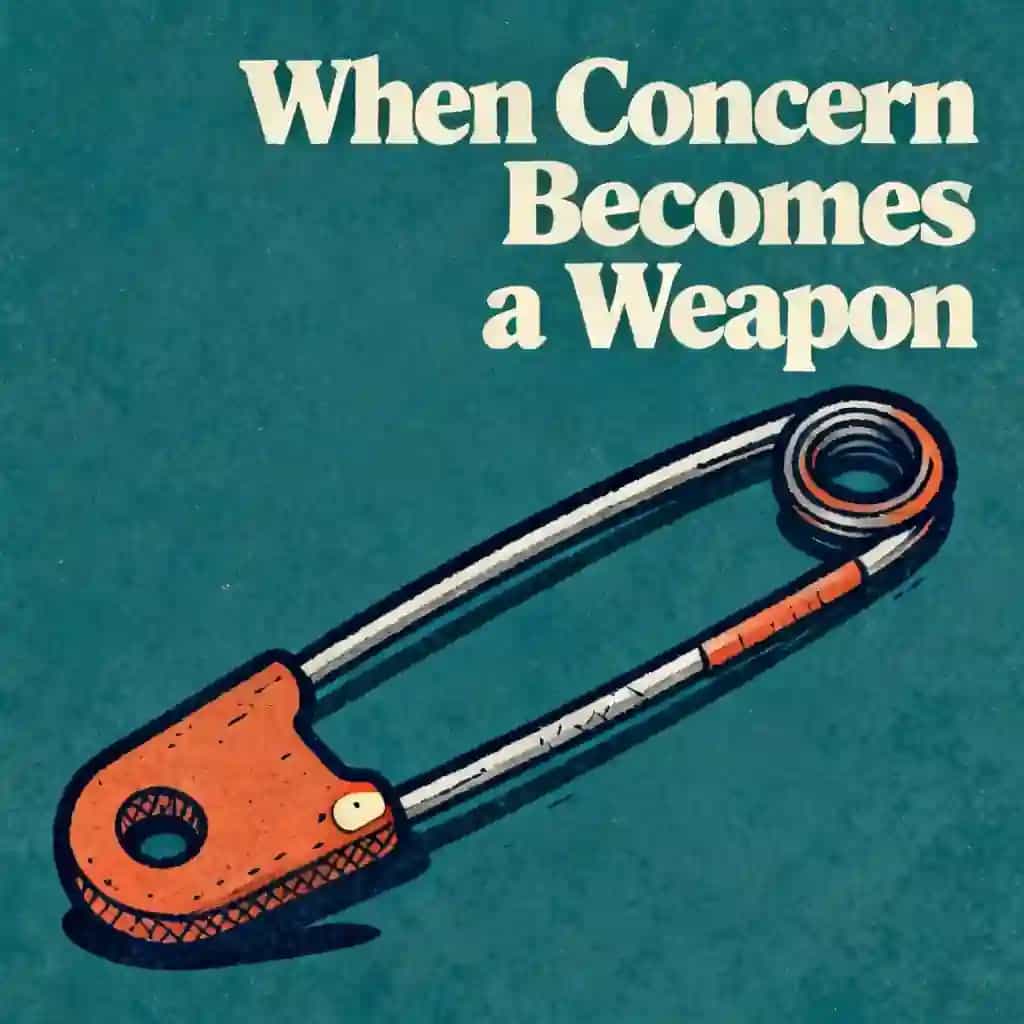
    Concern Trolling: When Care Becomes a Weapon
    Struggling with 'helpful' advice that feels like a trap? Learn to spot the markers of concern trolling and reclaim your peace from subtle manipulation.
    17 min
    Unrestricted Warfare: Inside the Digital Troll Farm 책 표지
    Unrestricted WarfareCOUNTERING THE “INFORMATION CONFRONTATION” STRATEGIES OF RUSSIA AND CHINAsource 3(PDF) The Russian "Firehose of Falsehood" Propaganda Model: Why It Might Work and Options to Counter It
    6 sources
    Unrestricted Warfare: Inside the Digital Troll Farm
    Modern battlefields have shifted from physical borders to your social feed. Learn how information warfare weaponizes doubt to control your beliefs.
    1458 min
    The Invisible Cage: Spotting Social Manipulation 책 표지
    Toolkit for Identifying & Countering Manipulation | CounterToolkit For Helping Your Loved OnesHow to Help a Friend in a Toxic Relationship, According to Therapists | SELFToolkit for Identifying & Countering Manipulation | Counter
    6 sources
    The Invisible Cage: Spotting Social Manipulation
    When a friend is being manipulated, pulling too hard can push them away. Learn the mechanics of control and how to plant seeds of doubt safely.
    869 min
    Toxic manipulation and how to protect your peace 책 표지
    Toxic ParentsPOWER: Surviving and Thriving After Narcissistic Abuse: A Collection of Essays on Malignant Narcissism and Recovery from Emotional AbuseGaslighting: Recognize Manipulative and Emotionally Abusive People--and Break FreeYou Can Thrive After Narcissistic Abuse
    22 sources
    Toxic manipulation and how to protect your peace
    When a manipulator invades your space, fear is a natural warning. Learn to spot patterns of coercion and set boundaries to reclaim your reality.
    30 min
    The Hidden Hand: Decoding the Psychology of Manipulation 책 표지
    The Art of SeductionFlipnosisInfluence is Your SuperpowerEmotional Blackmail
    27 sources
    The Hidden Hand: Decoding the Psychology of Manipulation
    Explore the thin line between healthy persuasion and psychological control. This episode uncovers the subtle tactics used to distort reality and provides tools to build your mental firewall.
    32 min
    Toxic People: Spot Them, Stop Them, Avoid Becoming One 책 표지
    41 Toxic Personality Traits To Spot in Yourself And OthersHow to Recognize Understand and Deal with Toxic Behavior?Why Toxic People Are So Harmfulsource 4
    6 sources
    Toxic People: Spot Them, Stop Them, Avoid Becoming One
    Deep dive into recognizing toxic traits like manipulation, victim-playing, and boundary violations. Learn practical strategies to protect yourself and ensure you're not the toxic one in relationships.
    29 min
    Manipulation is quieter than you think 책 표지
    In sheep's clothingEmotional BlackmailOutsmarting the Sociopath Next DoorThe Invisible Battlefield
    27 sources
    Manipulation is quieter than you think
    When care feels like control, it’s hard to trust your gut. Learn to spot subtle tactics like love bombing and reclaim your reality with clear boundaries.
    40 min
    The Hidden Rules of Online Safety 책 표지
    [06f3a47e-b281-4705-9c1e-258cc1ec6e30:c0000] Social Norm Vulnerability and its Consequences for Privacy and Safety in an Online Community p1-1[06f3a47e-b281-4705-9c1e-258cc1ec6e30:c0001] Social Norm Vulnerability and its Consequences for Privacy and Safety in an Online Community p1-1[06f3a47e-b281-4705-9c1e-258cc1ec6e30:c0002] Social Norm Vulnerability and its Consequences for Privacy and Safety in an Online Community p1-1[06f3a47e-b281-4705-9c1e-258cc1ec6e30:c0003] Social Norm Vulnerability and its Consequences for Privacy and Safety in an Online Community p1-1
    20 sources
    The Hidden Rules of Online Safety
    When platform tools fail, community norms become a lifeline. Explore how fandoms use unspoken rules to protect privacy and stay safe in digital spaces.
    874 min

    Recommended Learning Plans

    The Hidden Motives Toolkit
    학습 계획

    The Hidden Motives Toolkit

    In a world of hidden agendas, understanding what isn't being said is a critical survival skill. This toolkit is designed for professionals and leaders who need to navigate complex social dynamics, protect themselves from manipulation, and accurately read the intentions of others.

    2 h 18 m•3 섹션
    The Dark Psychology Observer
    학습 계획

    The Dark Psychology Observer

    In an era of complex social dynamics, understanding the mechanics of manipulation is essential for personal safety and professional integrity. This plan is designed for anyone seeking to protect their boundaries and navigate interactions with high-conflict or deceptive individuals effectively.

    1 h 36 m•4 섹션
    Neutralizing the Dark Tetrad
    학습 계획

    Neutralizing the Dark Tetrad

    In high-stakes social and professional environments, understanding predatory personality traits is essential for self-preservation. This plan is designed for individuals seeking to safeguard their mental well-being and physical safety from manipulative actors.

    1 h 45 m•3 섹션
    Mental Self-Defense and Manipulation Detection
    학습 계획

    Mental Self-Defense and Manipulation Detection

    In an era of increasing psychological influence, protecting your mental autonomy is essential for personal and professional safety. This guide is designed for professionals and digital citizens who want to sharpen their intuition and build robust defenses against predatory behavior.

    1 h 36 m•4 섹션
    The Counter-Manipulation Strategist
    학습 계획

    The Counter-Manipulation Strategist

    In an era of subtle influence, understanding the mechanics of psychological control is essential for maintaining personal autonomy. This plan is designed for professionals and individuals seeking to safeguard their mental space against predatory behavior and emotional tactics.

    1 h 45 m•3 섹션
    Psychological Defense and Digital Rhetoric
    학습 계획

    Psychological Defense and Digital Rhetoric

    In an increasingly polarized digital landscape, understanding the intersection of psychology and persuasion is essential for professional and personal resilience. This plan is ideal for communicators, community managers, and anyone looking to navigate online hostility with confidence and tactical precision.

    1 h 30 m•3 섹션
    Defeating Dark Psychology and Manipulation
    학습 계획

    Defeating Dark Psychology and Manipulation

    In an era of complex social dynamics, understanding the mechanics of covert influence is essential for maintaining mental sovereignty. This plan is ideal for individuals seeking to safeguard their emotional well-being and professionals navigating high-stakes interpersonal environments.

    1 h 30 m•3 섹션
    The Master Manipulator's Field Guide
    학습 계획

    The Master Manipulator's Field Guide

    In high-stakes environments, psychological safety is often threatened by calculated manipulators. This guide is essential for professionals seeking to identify toxic behaviors and build resilient defenses to protect their careers.

    1 h 30 m•3 섹션