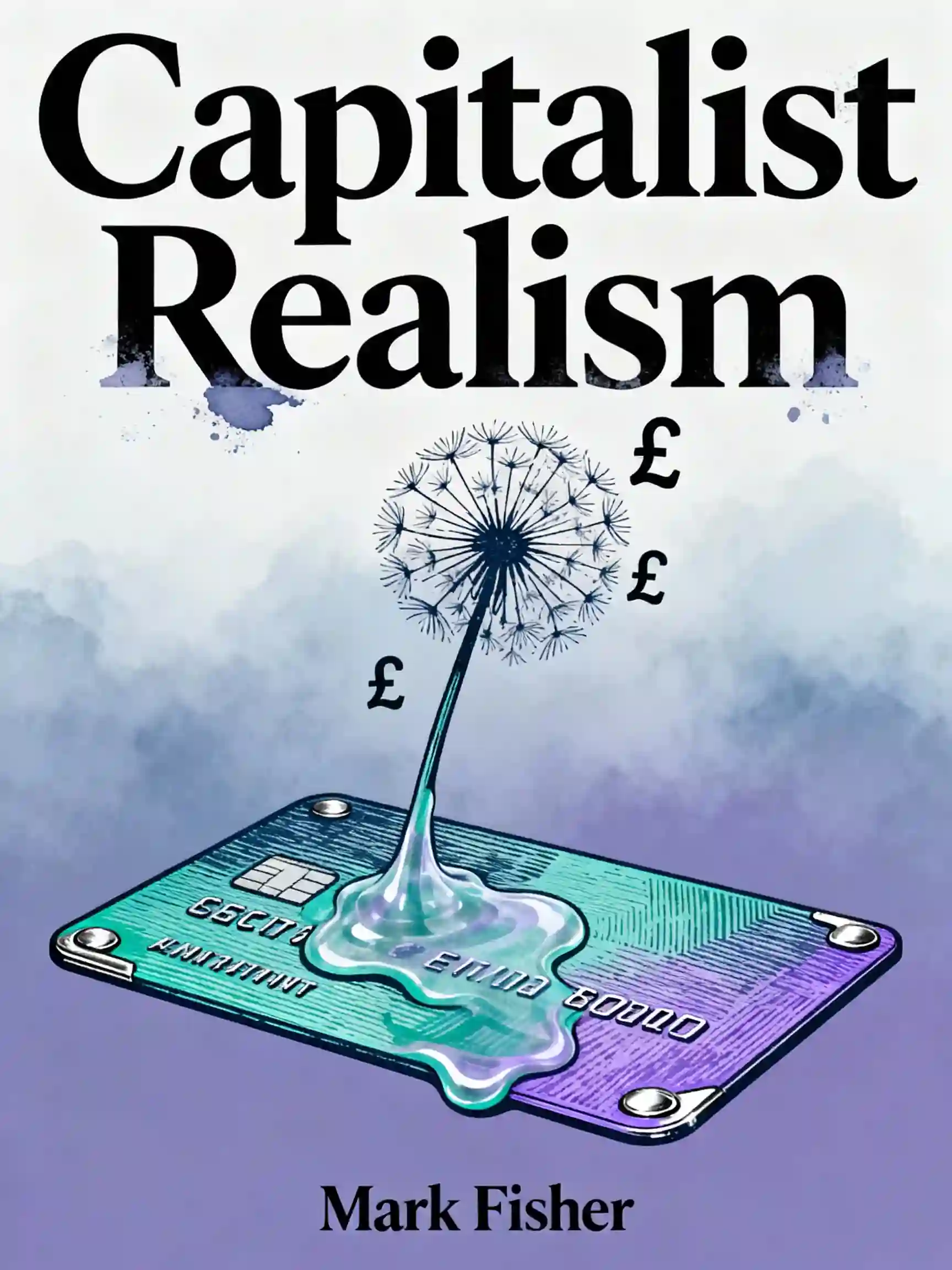
Lena: As we wrap up this deep dive into capitalist realism and the possibilities beyond it, I'm struck by how Fisher's analysis helps us understand both the depth of our current challenges and the potential pathways forward.
Nia: Absolutely. What I find most hopeful about Fisher's work is that he doesn't treat capitalist realism as permanent or inevitable. It's a historical formation that emerged under specific conditions, and it can be overcome under different conditions.
Lena: And we're already seeing some of those conditions developing, aren't we? The contradictions Fisher identified seem to be intensifying.
Nia: Definitely. Climate breakdown, mental health crises, massive inequality, the failure of neoliberal institutions to address basic human needs—all of these are making capitalist realism harder to maintain. People are starting to question assumptions that seemed unshakeable just a few years ago.
Lena: I'm thinking about movements like Democratic Socialists of America, Extinction Rebellion, the teacher strikes we've seen across the country. These seem like examples of people breaking through that sense of "there is no alternative."
Nia: Exactly! And what's interesting is how these movements combine immediate practical demands with broader visions of systemic change. They're not just asking for reforms within the existing system—they're questioning the system itself.
Lena: Fisher would probably be fascinated by how quickly things like Medicare for All or the Green New Deal have moved from "impossible" to mainstream political conversation.
Nia: Right! That's exactly the kind of shift in the "horizons of the possible" that he thought was necessary for breaking capitalist realism. When people can suddenly imagine alternatives, the spell starts to break.
Lena: And social media, for all its problems, has also created new possibilities for connection and organizing that didn't exist when Fisher was writing.
Nia: That's true. The same technologies that enable surveillance capitalism also create opportunities for coordination and solidarity that can challenge existing power structures. It's all about how we use them.
Lena: So what's the key takeaway for our listeners? If someone walks away from this conversation with one thing, what should it be?
Nia: I think it's that the feeling of helplessness so many people experience isn't a personal failing—it's a rational response to a system designed to make alternatives seem impossible. But recognizing that is the first step toward breaking free.
Lena: And that breaking free isn't something you do alone—it requires collective action and mutual support.
Nia: Absolutely. Fisher's great insight was that capitalist realism depends on isolation and individualization. The antidote is community, solidarity, and shared struggle for something better.
Lena: Well, this has been an incredible journey through some challenging but ultimately hopeful ideas. To everyone listening, we'd love to hear your thoughts on capitalist realism and your own experiences of imagining and building alternatives.
Nia: Yes! Send us your stories of collective action, cultural experimentation, or moments when you've glimpsed possibilities beyond capitalism. These conversations are how we build the consciousness and community we need for transformation.
Lena: Thanks for joining us on this exploration of Mark Fisher's work and its implications for our current moment. Keep questioning, keep organizing, and keep imagining the world we want to create together.
Nia: Until next time, remember that another world is possible—we just have to build it together. Take care, everyone!