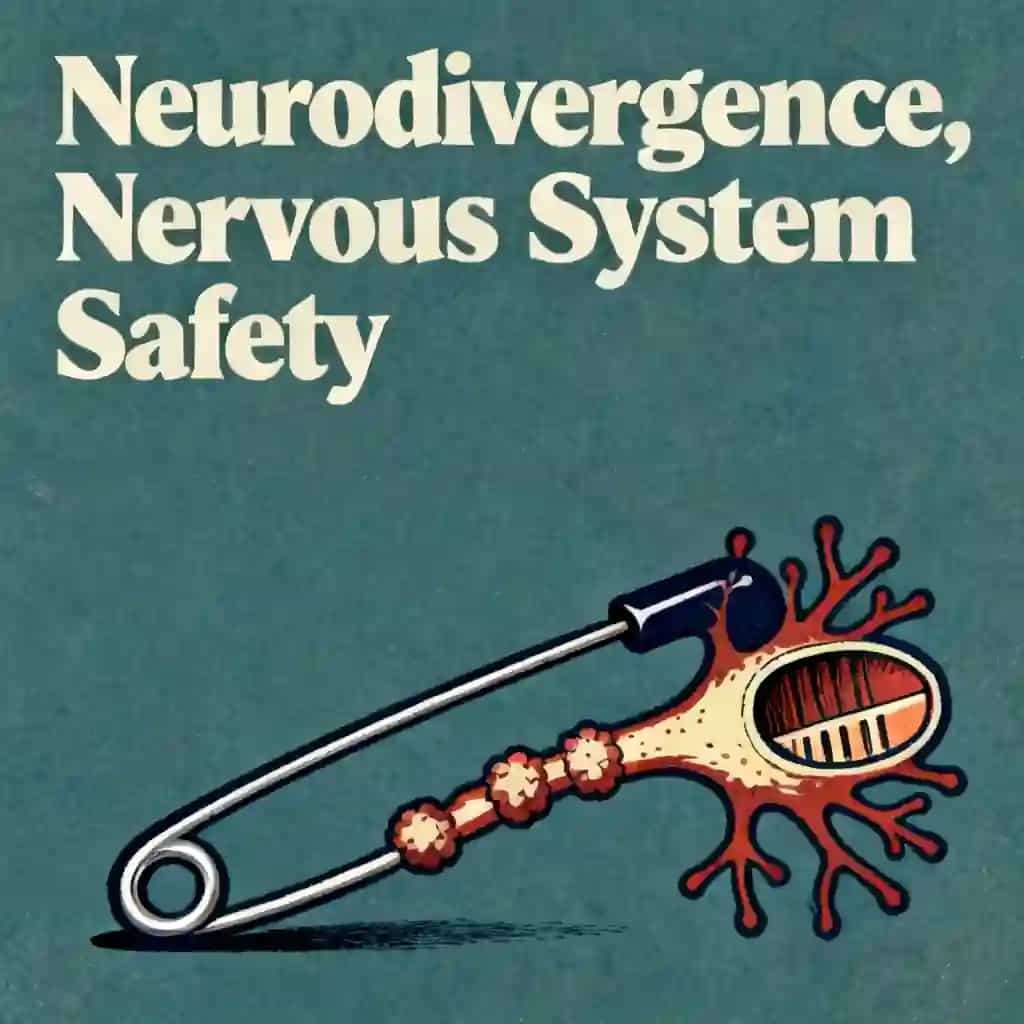
Bridging the Neurodiverse Communication Gap
Stop the cycle of misunderstanding by mastering the 'Double Empathy Problem.' Learn to translate different neurological blueprints into a shared language using practical frameworks and communication contracts.

Bridging the Neurodiverse Communication Gap 베스트 인용
Neurodiversity isn't a 'problem' to be solved; it’s a 'reality' to be navigated with curiosity and respect. When we move away from the 'Deficit Model' and toward the 'Intercultural Model,' we stop seeing 'flaws' and start seeing 'styles.'
Generated by Lloyd
Improving my communication to overcome problems in relationships caused autistic communication barriers


자주 묻는 질문
The Double Empathy Problem suggests that communication breakdowns in neurodiverse relationships are not caused by one person having a "deficit" or being "broken." Instead, it is a two-way gap that occurs when two people with different neurological blueprints or "operating systems" try to interact. It reframes the struggle from a solo failure to a mutual mismatch between two equally valid communication styles, such as an autistic partner’s literal style and a neurotypical partner’s implied style.
Meta-communication involves talking about how you talk before addressing the actual subject matter. By using specific scripts like "Do you want the detail version or the summary?" or "Do you need listening, empathy, or problem-solving?", couples can set clear operating parameters. This reduces the need for "mind-reading" and helps align expectations, which saves cognitive energy and prevents one partner from feeling overwhelmed while the other feels unheard.
A Translation Key is a practical exercise where couples identify phrases that cause confusion and rewrite them into literal, direct language. For example, a vague statement like "The trash is full" might be translated into a direct request: "Could you please take the trash out before dinner?" This tool helps bridge the gap between "High Context" (implied) and "Low Context" (literal) communication, removing the ambiguity that often triggers anxiety or resentment.
In neurodiverse relationships, conflict can lead to "sensory-emotional ruptures" where one partner may experience sensory overload while the other experiences rejection sensitivity. A predictable, agreed-upon 10-minute pause allows both partners to regulate their nervous systems using physiological grounding techniques. By including a specific "return time" in the script, the couple ensures that the break is viewed as a tool for regulation rather than an act of abandonment.
Executive-Function Scaffolding involves using external structures—like shared digital calendars, visual whiteboards, and automated alerts—to manage daily logistics instead of relying on memory or willpower. This approach treats challenges like "time-blindness" or forgetfulness as systems problems rather than personality flaws. By moving the "prompting" to a neutral system, it reduces the "Nag-Manage" dynamic and allows both individuals to interact as equal partners.
샌프란시스코에서 컬럼비아 대학교 동문들이 만들었습니다
"Instead of endless scrolling, I just hit play on BeFreed. It saves me so much time."


"I never knew where to start with nonfiction—BeFreed’s book lists turned into podcasts gave me a clear path."


"Perfect balance between learning and entertainment. Finished ‘Thinking, Fast and Slow’ on my commute this week."
"Crazy how much I learned while walking the dog. BeFreed = small habits → big gains."
"Reading used to feel like a chore. Now it’s just part of my lifestyle."

"Feels effortless compared to reading. I’ve finished 6 books this month already."
"BeFreed turned my guilty doomscrolling into something that feels productive and inspiring."

"BeFreed turned my commute into learning time. 20-min podcasts are perfect for finishing books I never had time for."
"BeFreed replaced my podcast queue. Imagine Spotify for books — that’s it. 🙌"

"It is great for me to learn something from the book without reading it."
"The themed book list podcasts help me connect ideas across authors—like a guided audio journey."
"Makes me feel smarter every time before going to work"
 Ask ChatGPT
 Ask Claude
샌프란시스코에서 컬럼비아 대학교 동문들이 만들었습니다
"Instead of endless scrolling, I just hit play on BeFreed. It saves me so much time."
"I never knew where to start with nonfiction—BeFreed’s book lists turned into podcasts gave me a clear path."
"Perfect balance between learning and entertainment. Finished ‘Thinking, Fast and Slow’ on my commute this week."
"Crazy how much I learned while walking the dog. BeFreed = small habits → big gains."
"Reading used to feel like a chore. Now it’s just part of my lifestyle."
"Feels effortless compared to reading. I’ve finished 6 books this month already."
"BeFreed turned my guilty doomscrolling into something that feels productive and inspiring."
"BeFreed turned my commute into learning time. 20-min podcasts are perfect for finishing books I never had time for."
"BeFreed replaced my podcast queue. Imagine Spotify for books — that’s it. 🙌"
"It is great for me to learn something from the book without reading it."
"The themed book list podcasts help me connect ideas across authors—like a guided audio journey."
"Makes me feel smarter every time before going to work"
"Instead of endless scrolling, I just hit play on BeFreed. It saves me so much time."
"I never knew where to start with nonfiction—BeFreed’s book lists turned into podcasts gave me a clear path."
"Perfect balance between learning and entertainment. Finished ‘Thinking, Fast and Slow’ on my commute this week."
"Crazy how much I learned while walking the dog. BeFreed = small habits → big gains."
"Reading used to feel like a chore. Now it’s just part of my lifestyle."
"Feels effortless compared to reading. I’ve finished 6 books this month already."
"BeFreed turned my guilty doomscrolling into something that feels productive and inspiring."
"BeFreed turned my commute into learning time. 20-min podcasts are perfect for finishing books I never had time for."
"BeFreed replaced my podcast queue. Imagine Spotify for books — that’s it. 🙌"
"It is great for me to learn something from the book without reading it."
"The themed book list podcasts help me connect ideas across authors—like a guided audio journey."
"Makes me feel smarter every time before going to work"
"Instead of endless scrolling, I just hit play on BeFreed. It saves me so much time."
"I never knew where to start with nonfiction—BeFreed’s book lists turned into podcasts gave me a clear path."
"Perfect balance between learning and entertainment. Finished ‘Thinking, Fast and Slow’ on my commute this week."
"Crazy how much I learned while walking the dog. BeFreed = small habits → big gains."
"Reading used to feel like a chore. Now it’s just part of my lifestyle."
"Feels effortless compared to reading. I’ve finished 6 books this month already."
"BeFreed turned my guilty doomscrolling into something that feels productive and inspiring."
"BeFreed turned my commute into learning time. 20-min podcasts are perfect for finishing books I never had time for."
"BeFreed replaced my podcast queue. Imagine Spotify for books — that’s it. 🙌"
"It is great for me to learn something from the book without reading it."
"The themed book list podcasts help me connect ideas across authors—like a guided audio journey."
"Makes me feel smarter every time before going to work"