BeFreed
    Categories>Communication>Body Language: The Silent Power Play

    Body Language: The Silent Power Play

    57분
    |
    |
    2026년 2월 8일
    • Communication
    • Psychology
    • Self-Growth

    Discover how nonverbal cues can be used to influence others and how to recognize when someone is using body language to control a situation—plus ethical techniques to project confidence.

    Body Language: The Silent Power Play
    0:00 / 0:00
    전달 방식을 선택하세요

    하나의 에피소드, 다양한 청취 방식.

    Body Language: The Silent Power Play의 같은 아이디어를 나에게 맞는 목소리, 깊이, 속도로 만나보세요. 언제든 바꿀 수 있습니다.

    전체 대본 및 챕터

    챕터 1

    The Hidden Power of Presence

    Lena: Hey Miles, have you ever noticed how some people just seem to command a room without saying a word? It's fascinating how body language can actually be used to influence and sometimes even control others.

    Miles: Absolutely, Lena. It's one of those hidden dimensions of communication that most people aren't consciously aware of. In fact, research suggests that nonverbal cues often speak louder than our actual words.

    Lena: Right! I read somewhere that when there's a mismatch between what someone says and their body language, people tend to believe the body language about 90% of the time. That's pretty powerful.

    Miles: Exactly. And what's interesting is how differently men and women tend to use body language. Men often employ more dominance cues—like maintaining intense eye contact, taking up more physical space, or using touch to establish control.

    Lena: I've definitely experienced that. You know, someone invading my personal space or using that staring technique to try to make me back down in a conversation. It feels really uncomfortable.

    Miles: That's because those are actual power moves. Things like staring someone down, mirroring their movements to build rapport, or even how you position yourself in relation to others—these aren't random behaviors. They're techniques that can be learned and applied.

    Lena: So you're saying we can actually develop these skills ourselves? Not to manipulate others, but to be more effective communicators?

    Miles: That's exactly it. Understanding body language gives you both defensive and offensive capabilities in social situations. Let's break down the specific techniques that can help you recognize when someone's trying to control a situation and how you can ethically use body language to project confidence and build genuine connection.

    챕터 2

    The Science of Silent Influence

    Miles: You know, Lena, what's really fascinating is that our brains are constantly processing body language cues without us even realizing it. There's this whole neurological system at work behind the scenes.

    Lena: Really? Like what kind of processing are we talking about?

    Miles: Well, researchers have found that we can judge whether someone is trustworthy in literally one second—sometimes even before we consciously perceive their face. It's all happening in the amygdala, this ancient part of our brain that's constantly scanning for social threats and opportunities.

    Lena: One second? That seems impossibly fast.

    Miles: I know, right? But think about it—this makes total evolutionary sense. Our ancestors needed to quickly assess whether a stranger was friend or foe. Those split-second judgments could mean the difference between survival and becoming someone's dinner.

    Lena: So when we talk about body language and control, we're really tapping into these primal response systems?

    Miles: Exactly. And here's where it gets really interesting for our listeners. Since most of this processing happens below conscious awareness, people who understand these patterns have a significant advantage. They can deliberately trigger positive responses or, unfortunately, manipulate negative ones.

    Lena: That's both exciting and a little scary. What are some of the key signals our brains are picking up on?

    Miles: Well, there are several major categories. First, there's what researchers call "power poses"—expansive postures that actually change your hormone levels. Standing tall with your shoulders back and feet slightly apart for just two minutes can increase testosterone by 20% and reduce stress hormones.

    Lena: Wait, so changing your posture literally changes your brain chemistry?

    Miles: Absolutely. It's called embodied cognition—the idea that our physical state influences our mental state. But here's the kicker: these poses don't just change how you feel, they change how others perceive you. When you adopt confident postures, people unconsciously read you as more competent and trustworthy.

    Lena: This reminds me of something I experienced at work. There was this colleague who always seemed to get his way in meetings, and I couldn't figure out why. His ideas weren't necessarily better than anyone else's.

    Miles: I bet if you think back, he was probably using some specific positioning techniques. Did he tend to sit or stand in particular ways?

    Lena: Actually, yes! He always chose seats where he could face the door, and he had this habit of leaning slightly forward when he spoke. Plus, he used his hands a lot when talking.

    Miles: Bingo. Those are textbook influence techniques. Facing the door is a dominance position—it signals control over the environment. The forward lean shows engagement and intensity, which draws people in. And purposeful hand gestures actually improve how people process and remember what you're saying.

    Lena: So he was basically hacking our unconscious responses?

    Miles: In a way, yes. But here's what's crucial for our listeners to understand—there's a big difference between using these techniques authentically versus manipulatively. When your body language aligns with genuine confidence and good intentions, it enhances communication. When it's used to deceive or dominate, that's where we cross ethical lines.

    Lena: How can someone tell the difference?

    Miles: Great question. Authentic body language tends to be consistent across different contexts and matches the person's verbal message. Manipulative body language often feels forced or changes dramatically depending on who the person is trying to influence. Plus, there's usually a mismatch between what they're saying and what their micro-expressions reveal.

    Lena: Speaking of micro-expressions, how much can we really read from someone's face?

    Miles: Faces are incredibly revealing, but they're also where people try hardest to control their signals. The key is looking for what researchers call "leakage"—brief, involuntary expressions that reveal true feelings. Things like a genuine smile versus a fake one, or subtle signs of stress like tension around the eyes.

    Lena: This is making me think about cultural differences too. Don't these signals vary across cultures?

    Miles: You're absolutely right to bring that up. While some expressions like happiness, sadness, and fear are universal, many body language cues are culturally specific. Direct eye contact, for instance, is seen as confidence and respect in Western cultures, but can be viewed as aggressive or disrespectful in others.

    Lena: So someone trying to use these influence techniques needs to be culturally aware?

    Miles: Definitely. And that's another reason why authentic communication beats manipulation every time. When you're genuinely trying to connect and understand others, you naturally adapt to cultural norms. When you're just trying to control, you're more likely to make offensive mistakes.

    이 에피소드로 더 깊이 배우기

    이 에피소드의 아이디어를 BeFreed의 가이드 학습 경험으로 더 깊이 탐구해 보세요.

    챕터 3

    The Anatomy of Persuasive Positioning

    Lena: Okay Miles, so we've talked about the science behind body language. Now I want to get practical. What specific positioning techniques can our listeners actually use?

    Miles: Perfect. Let's start with something everyone can try today—strategic space management. Most people don't realize how much their physical positioning affects their influence in any situation.

    Lena: You mean like where you sit in a meeting room?

    Miles: Exactly, but it goes way beyond that. Think about proximity first. There's this concept called the "intimacy gradient"—the closer you are to someone, the more influence you potentially have, but you have to respect cultural and personal boundaries.

    Lena: So there's like an optimal distance for different types of interactions?

    Miles: Right. For professional conversations, about 18 to 24 inches is the sweet spot. Close enough to create connection, far enough to avoid triggering discomfort. But here's a key technique—when you want to emphasize a point or build rapport, you can briefly move slightly closer, then return to the comfortable distance.

    Lena: That's interesting. I've noticed some people seem to naturally do this, and it does make their conversations feel more engaging.

    Miles: Those people have probably unconsciously learned what researchers call "mirroring." It's one of the most powerful influence techniques, but it has to be done subtly. When you mirror someone's posture, gestures, or even speaking pace, you trigger unconscious feelings of similarity and trust.

    Lena: But doesn't that feel manipulative if you're doing it on purpose?

    Miles: It can be, which is why intention matters so much. When you mirror someone because you're genuinely trying to understand their perspective and connect with them, it feels natural. When you're just trying to get something from them, people often sense that inauthenticity.

    Lena: How do you mirror without being obvious about it?

    Miles: The key is subtlety and delay. Don't immediately copy their exact posture—that's too obvious. Instead, wait a few moments, then adopt a similar overall stance. If they lean forward, you might lean forward too, but at a slightly different angle. If they use hand gestures, you can incorporate more hand movement into your own speaking, but with your own natural style.

    Lena: What about eye contact? I feel like that's where a lot of people struggle.

    Miles: Eye contact is huge, but most people get it wrong. They either avoid it completely or stare too intensely. The research shows an optimal pattern—maintain eye contact for about 50% of the time when you're speaking and 70% when you're listening.

    Lena: Those are pretty specific numbers. How do you actually track that in real conversation?

    Miles: You don't need to count, obviously. The key is developing a natural rhythm. When you're making a point, look at the person, then briefly look away to gather your thoughts, then back to them for emphasis. When they're talking, focus on them more consistently, but give yourself brief breaks to process what they're saying.

    Lena: I've heard that where you look when you break eye contact matters too?

    Miles: Absolutely. Looking up briefly can signal that you're thinking or remembering something. Looking to the side suggests you're considering what they've said. But looking down, especially repeatedly, can signal submission or discomfort, which undermines your influence.

    Lena: What about using physical objects or the environment to enhance your positioning?

    Miles: Great question. This is where things get really strategic. In meetings, for example, sitting at the head of a table or in a position where you can see everyone gives you a psychological advantage. But even subtler things matter—having a clear desk space in front of you, keeping your hands visible, or positioning yourself so natural light falls on your face rather than creating shadows.

    Lena: I never thought about lighting affecting influence.

    Miles: It's huge. When people can clearly see your facial expressions, especially your eyes, they're more likely to trust you and pay attention to what you're saying. It's one reason why video calls can be challenging—poor lighting or camera angles can undermine your presence even if your content is excellent.

    Lena: Speaking of video calls, do these positioning principles apply to virtual interactions too?

    Miles: They absolutely do, but they require adaptation. Camera height is crucial—you want it at eye level so you're not looking up or down at people. Your background should be clean but not sterile, and you want to position yourself so you're taking up about a third of the screen frame.

    Lena: What about the physical space around you during video calls?

    Miles: Even though people can only see part of your environment, your full physical state affects your presence. Sitting up straight, having your feet flat on the floor, and keeping your shoulders relaxed all contribute to how confident and engaging you appear on screen.

    Lena: This makes me think about handshakes too. That's positioning in a way, right?

    Miles: Definitely. Handshakes are fascinating because they involve multiple positioning elements simultaneously—proximity, touch, eye contact, and posture. The research shows that people are twice as likely to remember you if you shake hands with them, and they rate you as more open and friendly.

    Lena: What makes a handshake effective versus awkward?

    Miles: It's all about matching and timing. You want to match the other person's pressure—firm but not crushing—and maintain eye contact throughout the handshake. The duration should be about two to three seconds, and you want to make sure your body is facing them, not angled away.

    Lena: I've definitely experienced handshakes that felt like power plays—you know, where someone grips too hard or holds on too long.

    Miles: Those are classic dominance attempts, and they usually backfire. People remember uncomfortable handshakes, but not in a good way. The most influential handshake is one that makes the other person feel respected and acknowledged, not overpowered.

    챕터 4

    Reading the Room Like a Master

    Lena: Alright Miles, we've covered how to position ourselves for influence, but what about reading what other people are doing? How can our listeners become better at detecting when someone is trying to control or influence them?

    Miles: That's such a crucial skill, Lena. The first thing to understand is that people leak their true intentions through what researchers call "incongruence"—when their verbal and nonverbal messages don't match up.

    Lena: Can you give me a concrete example of what that looks like?

    Miles: Sure. Imagine someone saying "I'm really excited about this project" while their shoulders are slumped, their voice is flat, and they're avoiding eye contact. The words say excitement, but everything else screams disinterest or even resistance.

    Lena: I feel like I've encountered this at work, but I wasn't sure if I was reading too much into it.

    Miles: Trust those instincts. Your brain is picking up on micro-signals that your conscious mind might dismiss. Research shows that when there's a mismatch between verbal and nonverbal communication, people believe the nonverbal message about 93% of the time—and they're usually right to do so.

    Lena: So what specific signals should people watch for?

    Miles: Let's start with stress indicators, because they're often the first sign that someone isn't being completely honest or comfortable. Watch for increased fidgeting—playing with hair, tapping fingers, shifting positions frequently. These are called "self-soothing behaviors," and they spike when people are anxious or deceptive.

    Lena: What about facial expressions? I feel like people try to control their faces the most.

    Miles: Exactly, which is why you need to look for what researchers call "micro-expressions"—brief flashes of genuine emotion that leak through before someone can mask them. A genuine smile engages the whole face, especially around the eyes. A fake smile only moves the mouth muscles.

    Lena: I've heard about something called "duping delight"—is that real?

    Miles: Oh, absolutely. Duping delight is when someone gets a little thrill from successfully deceiving others, and it often shows up as inappropriate micro-expressions of satisfaction or smugness. You might catch a brief smirk when someone should be showing concern, or a flash of excitement when they're supposedly delivering bad news.

    Lena: That's kind of chilling when you think about it.

    Miles: It can be, but remember—understanding these patterns helps protect you and others. Now, let's talk about dominance displays, because these are often used to control conversations and decisions.

    Lena: What should I be watching for there?

    Miles: Classic dominance signals include taking up more physical space than necessary, interrupting others' personal space, prolonged staring, and what's called "steepling"—pressing fingertips together in a pyramid shape. People also use height advantages, like standing when others are sitting, or choosing elevated positions in a room.

    Lena: I've definitely noticed the staring thing. It feels really uncomfortable when someone won't break eye contact.

    Miles: That's because prolonged, unblinking eye contact triggers our threat detection systems. In normal conversation, people naturally break eye contact every few seconds. When someone maintains it continuously, especially with a hard expression, they're usually trying to intimidate or dominate.

    Lena: What about more subtle manipulation techniques?

    Miles: Great question. One of the most common is what I call "strategic mirroring." Remember how we talked about mirroring as a rapport-building technique? Well, skilled manipulators use it to create false intimacy. They'll mirror your posture, gestures, and even speech patterns to make you feel connected to them.

    Lena: How can you tell the difference between genuine mirroring and manipulative mirroring?

    Miles: Timing and consistency are key. Genuine mirroring happens naturally and varies based on the flow of conversation. Manipulative mirroring feels more mechanical and often starts immediately when someone wants something from you. Also, manipulative mirroring usually disappears once the person gets what they want.

    Lena: That makes sense. What about territorial behaviors?

    Miles: Territorial displays are huge power moves. Watch for people who spread their belongings across meeting tables, lean back in chairs with their arms behind their head, or position themselves to control access to resources or information. They're essentially claiming ownership of the space.

    Lena: I'm thinking about barriers too—like when people cross their arms or put objects between themselves and others.

    Miles: Exactly. Barrier behaviors can indicate defensiveness, disagreement, or discomfort. But here's what's interesting—they can also be deliberate intimidation tactics. Some people create barriers not because they feel threatened, but to signal that others should keep their distance.

    Lena: How do you read someone's feet? I've heard that's important.

    Miles: Feet are incredibly revealing because people rarely think to control them consciously. When someone's feet are pointing toward you, they're generally engaged and interested. When their feet point toward the exit, they mentally want to leave, even if they're still participating in the conversation.

    Lena: What about when people are trying to hide their true reactions?

    Miles: Look for what researchers call "leakage points"—areas of the body that are harder to control consciously. The feet are one, but also watch for tension in the jaw, changes in breathing patterns, or subtle shifts in vocal tone. People might control their facial expression, but their voice often betrays their true emotional state.

    Lena: This is making me more aware of my own body language too. Should people be concerned about what they're unconsciously communicating?

    Miles: It's good to be aware, but don't become overly self-conscious. The goal isn't to control every micro-expression—that actually makes you seem less authentic. Instead, focus on aligning your internal state with how you want to be perceived. When you genuinely feel confident and engaged, your body language naturally reflects that.

    Lena: What about reading groups of people? Does the dynamic change when there are multiple people involved?

    Miles: Group dynamics add layers of complexity. You'll see alliance formations through body language—people who agree tend to unconsciously mirror each other's postures. You can also identify the real decision-maker in a group by watching where people's eyes go when important questions are asked, even if that person isn't the official leader.

    이 에피소드로 더 깊이 배우기

    이 에피소드의 아이디어를 BeFreed의 가이드 학습 경험으로 더 깊이 탐구해 보세요.

    챕터 5

    The Ethical Framework for Influence

    Lena: Miles, as we're talking about all these powerful techniques, I keep coming back to the ethics of it all. When does body language influence cross the line into manipulation?

    Miles: That's the million-dollar question, Lena, and it's one that everyone learning these skills needs to grapple with seriously. I think the key distinction lies in intention and outcome—are you trying to create mutual benefit and understanding, or are you trying to get something at someone else's expense?

    Lena: Can you break that down more specifically? Because I imagine there are a lot of gray areas.

    Miles: Absolutely. Let's start with what I call the "Golden Rule Test." Before using any influence technique, ask yourself: "Would I be okay with someone using this same approach on me, and would I still feel good about the interaction if they told me exactly what they were doing?"

    Lena: That's a pretty high bar. Does that mean we can never be strategic about our body language?

    Miles: Not at all. Being strategic isn't the same as being manipulative. For example, choosing to sit where you can make good eye contact with everyone in a meeting isn't manipulation—it's good communication practice. The difference is whether you're trying to facilitate better understanding or gain unfair advantage.

    Lena: What about situations where the stakes are really high, like job interviews or important negotiations?

    Miles: Those are perfect examples of when ethical influence techniques are most valuable. In a job interview, using confident posture and engaged body language helps the interviewer see your true capabilities. You're not deceiving them—you're helping them make a better decision by presenting yourself authentically and effectively.

    Lena: But what if someone uses these techniques to get a job they're not actually qualified for?

    Miles: That's where we cross into manipulation territory. If your body language is creating a false impression of your abilities or character, you're essentially lying with your body instead of your words. The ethical approach is using body language to accurately convey your genuine strengths and enthusiasm.

    Lena: I'm thinking about sales situations too. There's got to be a lot of temptation to use these techniques to close deals.

    Miles: Sales is actually a great example of where ethical influence techniques shine. The best salespeople use body language to build genuine rapport and understand their clients' needs better. They're not trying to trick people into buying something they don't need—they're facilitating clearer communication so both parties can make good decisions.

    Lena: What are some red flags that someone might be crossing ethical lines with their body language?

    Miles: Watch for techniques that seem designed to bypass someone's conscious decision-making. Things like invading personal space to create discomfort, using intimidation tactics to pressure quick decisions, or deliberately creating false intimacy to manipulate emotions. These approaches treat people as targets rather than partners in communication.

    Lena: How do you handle it when someone is using unethical influence techniques on you?

    Miles: First, trust your gut. If an interaction feels manipulative or uncomfortable, it probably is. You can create physical and emotional distance, call attention to what's happening, or simply end the interaction. Remember, you always have the right to feel comfortable and respected in any communication.

    Lena: What about in professional settings where you might not be able to just walk away?

    Miles: That's tougher, but you still have options. You can mirror their techniques back to level the playing field, document the behavior if it's part of a pattern, or address it directly by saying something like, "I'd like to take a step back and focus on the actual issues we need to discuss."

    Lena: Are there situations where using influence techniques might be ethically justified even if the other person doesn't know you're using them?

    Miles: That's a nuanced question. I think there are cases—like helping someone overcome irrational fears or encouraging positive behavior change—where ethical influence techniques can be beneficial even without explicit consent. But the key is that the outcome genuinely serves the other person's interests, not just your own.

    Lena: What about parents using these techniques with children, or teachers with students?

    Miles: Those relationships involve natural power imbalances, so the ethical bar is even higher. The techniques should always serve the child's or student's development and wellbeing. Using confident body language to establish classroom authority? Ethical. Using intimidation tactics to force compliance? Not ethical.

    Lena: How can people develop their influence skills while maintaining their integrity?

    Miles: Start by focusing on authenticity and empathy. The most powerful influence techniques work because they enhance genuine human connection. Practice reading others' body language not to manipulate them, but to understand them better and respond more appropriately to their needs and comfort levels.

    Lena: What role does consent play in all this?

    Miles: Consent is complicated with body language because so much happens unconsciously. But I think there's an implicit consent when people engage in normal social interactions. The ethical boundary is crossed when you use techniques that would violate someone's consent if they were aware of them.

    Lena: Should people disclose when they're using influence techniques?

    Miles: In most cases, no—that would make normal social interaction impossible. But if you're in a professional context where you're specifically trying to influence behavior change, like coaching or therapy, transparency about your methods is often appropriate and builds trust.

    Lena: Any final thoughts on maintaining ethical standards while developing these skills?

    Miles: Remember that the most sustainable influence comes from genuine competence, integrity, and care for others. Techniques that rely on deception or manipulation might work short-term, but they damage relationships and your reputation over time. The goal should be to become someone who influences others naturally through their authentic presence and genuine value.

    챕터 6

    The Power Poses Revolution

    Lena: Miles, I want to dive deeper into something you mentioned earlier—these power poses that can actually change your brain chemistry. That sounds almost too good to be true.

    Miles: I know it sounds incredible, but the research is pretty solid. The pioneering work was done by Amy Cuddy at Harvard, and it's been replicated by other researchers. The basic finding is that holding expansive, confident postures for just two minutes can increase testosterone by up to 20% and decrease cortisol—your stress hormone—by about 25%.

    Lena: So you're telling me I can literally change my hormones just by standing differently?

    Miles: That's exactly what I'm saying. And here's what makes it even more powerful—these hormonal changes don't just make you feel more confident, they make you act more confident. People who do power poses before challenging situations perform better, take more risks, and are perceived as more competent by others.

    Lena: What do these poses actually look like? I'm imagining someone standing like Superman.

    Miles: The Superman pose is actually one of them! Standing with your feet shoulder-width apart, hands on your hips, chest open, and chin slightly raised. But there are others too—the "Victory V" where you raise both arms above your head like you've just won a race, or the "CEO" pose where you lean back in a chair with your hands behind your head and feet up on a desk.

    Lena: Okay, but I can't exactly do the Superman pose in the middle of a meeting. When and where are people supposed to use these?

    Miles: Great point. These are typically done in private, right before you need that confidence boost. Think bathroom stall before a job interview, your car before walking into a difficult conversation, or your office before giving a presentation. The effects last for about 15 to 20 minutes, so the timing works perfectly for most challenging situations.

    Lena: What's actually happening in the brain when you do this?

    Miles: It's fascinating. Your posture sends signals to your brain about your status and power level. When you adopt expansive postures, your brain interprets this as "I must be in a dominant position," and it adjusts your hormone levels accordingly. It's like you're tricking your own nervous system into a more confident state.

    Lena: Are there poses that have the opposite effect?

    Miles: Absolutely, and this is crucial for people to understand. Contractive postures—hunching your shoulders, crossing your arms tightly, making yourself small—can actually increase stress hormones and decrease confidence. If you're already feeling nervous, slouching or curling inward can make those feelings worse.

    Lena: I'm thinking about everyday situations where posture might be affecting us without realizing it.

    Miles: Exactly. Think about how you sit when you're working at a computer all day. If you're hunched forward with rounded shoulders, you might be unconsciously putting yourself in a low-power state. Making small adjustments—sitting up straight, opening your chest, keeping your shoulders back—can actually improve your mood and energy levels throughout the day.

    Lena: What about walking? Does how you walk affect your internal state too?

    Miles: Definitely. Research shows that people who walk with longer strides, upright posture, and a slight bounce in their step report feeling more positive and energetic. There's even evidence that changing your walking style can help combat depression and anxiety.

    Lena: This makes me wonder about cultural differences. Do power poses work the same way across different cultures?

    Miles: That's a really important question. The basic physiology seems to be universal—expansive postures trigger similar hormonal responses across cultures. But what's considered appropriate or powerful varies dramatically. In some cultures, taking up a lot of space might be seen as rude or aggressive rather than confident.

    Lena: So people need to adapt these techniques to their cultural context?

    Miles: Absolutely. The key is understanding the underlying principle—open, expansive postures generally increase confidence—and then finding culturally appropriate ways to apply that. Maybe it's sitting with good posture and open hand positions rather than standing with hands on hips.

    Lena: What about the timing? How long do you need to hold these poses to get the benefits?

    Miles: The original research used two minutes, but some studies suggest you can get benefits from even shorter periods—as little as 30 seconds to one minute. The key is really committing to the pose, not just going through the motions. You want to feel the expansion and strength in your body.

    Lena: Can you overdo it? Is there such a thing as too much power posing?

    Miles: Interesting question. I haven't seen research on negative effects from overdoing power poses, but I think the bigger risk is becoming dependent on them instead of building genuine confidence through competence and experience. They're a tool, not a replacement for actual skill development.

    Lena: What about combining power poses with other confidence-building techniques?

    Miles: That's where things get really powerful. Combining physical postures with visualization, positive self-talk, or breathing exercises can amplify the effects. Some people create entire pre-performance routines that include power posing along with other confidence boosters.

    Lena: I'm curious about the long-term effects. If someone does power poses regularly, do they build lasting confidence?

    Miles: The research on long-term effects is still developing, but there's some evidence that regular practice can help rewire your default posture and presence. If you consistently practice confident body language, it becomes more natural and automatic over time.

    Lena: What about people who feel silly doing these poses? Does that undermine the effectiveness?

    Miles: That's actually pretty common at first. The key is to push through that initial awkwardness. Most people report that the feeling of silliness fades quickly, especially once they start noticing the positive effects. Sometimes I tell people to think of it like taking medicine—it might feel strange, but it works.

    Lena: Are there any situations where power poses might backfire or be inappropriate?

    Miles: Good question. You want to be mindful of context. Power poses are about internal state change, not external display. If someone walked into a meeting and struck a Superman pose in front of everyone, that would probably backfire spectacularly. The power comes from doing them privately and then carrying that confident energy into your interactions.

    이 에피소드로 더 깊이 배우기

    이 에피소드의 아이디어를 BeFreed의 가이드 학습 경험으로 더 깊이 탐구해 보세요.

    챕터 7

    Micro-Expressions and the Art of Reading Minds

    Lena: Miles, let's talk about something that sounds almost like a superpower—reading micro-expressions. How much can we really tell from those split-second facial expressions that people can't control?

    Miles: It's pretty remarkable, Lena. Micro-expressions are these brief, involuntary facial expressions that leak our true emotions before we can consciously suppress them. They typically last between 1/25th to 1/5th of a second, so they're incredibly fast, but they're also incredibly revealing.

    Lena: That's amazingly fast. How is anyone supposed to catch something that brief?

    Miles: It takes practice, but most people can learn to spot at least the more obvious ones. The key is knowing what to look for. There are seven universal micro-expressions that appear across all cultures—happiness, sadness, anger, fear, surprise, disgust, and contempt. Each has specific muscle movements that are almost impossible to fake convincingly.

    Lena: Can you walk me through what these actually look like?

    Miles: Sure. Let's start with a genuine smile versus a fake one, since that's something everyone encounters. A genuine smile—called a Duchenne smile—engages both the mouth and the eyes. You'll see crow's feet wrinkles around the eyes and the cheeks lift. A fake smile only moves the mouth muscles, and the eyes stay relatively unchanged.

    Lena: I feel like I've definitely encountered fake smiles, especially in customer service situations.

    Miles: Exactly. And once you know what to look for, fake smiles become pretty obvious. Now, contempt is particularly interesting because it's the only asymmetrical micro-expression—one side of the mouth turns up in a slight sneer. It's often a sign that someone feels superior or is being condescending.

    Lena: What about fear? That seems like something people would really want to hide.

    Miles: Fear shows up in several ways. The eyebrows raise and draw together, the upper eyelids raise to show more white, and the lips stretch horizontally. Sometimes you'll also see the mouth fall open slightly. People experiencing fear might also show increased blinking or touching their face or neck.

    Lena: This is making me think about job interviews or negotiations where people are trying to hide their nervousness.

    Miles: Those are perfect examples. Someone might say they're confident about a proposal, but if you catch micro-expressions of fear or anxiety, you know they're actually worried about something. The question then becomes whether you address that directly or adjust your approach to help them feel more comfortable.

    Lena: What about anger? That seems like something that would be hard to completely suppress.

    Miles: Anger is tricky because there are different intensities. Mild irritation might just show up as a slight tightening around the eyes or a brief pressing together of the lips. Full anger involves lowered eyebrows, tightened eyelids, and pressed lips or an open mouth. Sometimes you'll see the nostrils flare slightly too.

    Lena: Are there situations where reading micro-expressions could get you into trouble?

    Miles: Absolutely. The biggest risk is over-interpreting or making assumptions based on limited information. A micro-expression tells you someone is feeling something, but it doesn't tell you why or what they're thinking about. Someone might show a flash of anger, but it could be about something completely unrelated to your conversation.

    Lena: So how do you use this information responsibly?

    Miles: Great question. I think of micro-expressions as early warning signals rather than definitive answers. If I notice someone showing signs of discomfort or disagreement, I might ask open-ended questions to understand what's really going on, rather than assuming I know what they're thinking.

    Lena: What about cultural variations? Do these expressions really appear the same way across all cultures?

    Miles: The basic muscle movements are universal, but the intensity and frequency can vary significantly between cultures. Some cultures encourage more emotional expression, while others value emotional restraint. Also, what triggers these emotions can be very different across cultures.

    Lena: Can people learn to control their micro-expressions with practice?

    Miles: To some extent, yes. Actors, politicians, and professional poker players often develop better control over their facial expressions. But it's incredibly difficult to suppress all micro-expressions completely, and the effort to do so often creates other tells—like increased tension or unnatural facial stillness.

    Lena: What about the opposite—can people fake micro-expressions convincingly?

    Miles: It's very difficult because micro-expressions involve specific muscle combinations that are hard to reproduce voluntarily. You might be able to fake the general shape of an expression, but the timing, intensity, and muscle coordination of genuine micro-expressions are nearly impossible to replicate perfectly.

    Lena: I'm thinking about everyday relationships too. Should people be analyzing their friends' and family members' micro-expressions?

    Miles: I'd be cautious about that. Using these skills to become more empathetic and understanding is great, but constantly analyzing loved ones can damage trust and spontaneity in relationships. It's better to use these insights to be more supportive rather than to feel like you're constantly detective work.

    Lena: What about in professional settings? Are there ethical considerations there?

    Miles: Definitely. In negotiations or sales, reading micro-expressions can help you understand when someone is uncomfortable or uncertain, which allows you to address their concerns more effectively. But using this information to manipulate or take advantage of someone crosses ethical lines.

    Lena: How can people practice developing this skill?

    Miles: Start by watching people in low-stakes situations—maybe observing conversations in public spaces or paying attention to news interviews. There are also online training programs and databases of facial expressions that can help you learn to recognize the different patterns. The key is practice without pressure.

    Lena: Are there any common mistakes people make when they're learning to read micro-expressions?

    Miles: The biggest mistake is confirmation bias—seeing what you expect to see rather than what's actually there. People also tend to focus too much on individual expressions rather than looking at patterns over time. One micro-expression is just a data point; consistent patterns are much more meaningful.

    챕터 8

    Building Authentic Presence

    Lena: Miles, we've talked a lot about specific techniques and how to read others, but I want to focus on something that feels more fundamental—how do you build genuine, authentic presence that naturally draws people to you?

    Miles: That's such an important distinction, Lena. Authentic presence isn't about performing or manipulating—it's about becoming the kind of person others naturally want to be around and listen to. And the fascinating thing is, when you develop genuine presence, many of the influence techniques we've discussed happen naturally.

    Lena: What do you mean by that? How does authenticity create influence?

    Miles: Well, think about people you know who have natural charisma. They're not usually trying to control or manipulate anyone. Instead, they're fully present in conversations, they listen genuinely, they're comfortable with themselves, and they make others feel valued and understood. That combination is incredibly magnetic.

    Lena: So it's less about what you do and more about who you are?

    Miles: Exactly. But here's what's encouraging—presence is something you can develop. It's not just an inborn trait that some people have and others don't. It's a set of skills and mindsets that anyone can cultivate with practice.

    Lena: What are the core components of authentic presence?

    Miles: I think there are four key elements. First is self-awareness—understanding your own emotions, triggers, and impact on others. Second is emotional regulation—being able to stay calm and centered even in challenging situations. Third is genuine curiosity about others—really wanting to understand their perspectives and experiences. And fourth is what I call "grounded confidence"—feeling secure in your own worth without needing to prove it or diminish others.

    Lena: Let's break those down. How does someone develop better self-awareness?

    Miles: Self-awareness starts with honest self-reflection. Pay attention to how you feel in different situations and how others respond to you. Notice your own body language patterns—do you tend to cross your arms when you're defensive? Do you avoid eye contact when you're nervous? Understanding your own patterns is the first step to changing them.

    Lena: What about emotional regulation? That sounds like something that would take years to master.

    Miles: It's definitely a long-term practice, but you can start seeing benefits quickly. Basic techniques like deep breathing, brief meditation, or even just pausing before reacting can make a huge difference. The goal isn't to suppress emotions, but to choose how you express and act on them.

    Lena: I love that you mentioned genuine curiosity about others. That seems like it would naturally improve your body language and presence.

    Miles: Absolutely. When you're genuinely interested in understanding someone, your body language automatically becomes more open and engaged. You lean in slightly, you make better eye contact, you nod and respond naturally. It's like your authentic interest creates authentic presence without any effort.

    Lena: But what if you're in a situation where you're not naturally interested in the other person or topic?

    Miles: That's a great challenge to bring up. I think there's almost always something interesting about every person if you dig deep enough. Maybe it's their perspective on something you've never considered, or their expertise in an area you know nothing about, or even just their communication style. Finding that spark of genuine curiosity makes every interaction more engaging.

    Lena: What about the confidence piece? How do you develop what you called "grounded confidence"?

    Miles: Grounded confidence comes from knowing your own value without needing constant external validation. It's built through competence—actually being good at things that matter to you—and through self-acceptance—being okay with your limitations and imperfections.

    Lena: That sounds like it would take a lot of personal work.

    Miles: It does, but it's incredibly worthwhile. People with grounded confidence don't need to dominate conversations or prove their worth. They can listen genuinely, admit when they don't know something, and celebrate others' successes. That kind of security is incredibly attractive and influential.

    Lena: How does body language change when someone has authentic presence versus when they're trying to fake it?

    Miles: Authentic presence creates what I call "congruent body language"—everything aligns. Your posture, gestures, facial expressions, and voice all match your internal state and intentions. When someone's faking it, there are usually subtle mismatches that people pick up on unconsciously.

    Lena: Can you give me an example of what that looks like?

    Miles: Sure. Someone with authentic confidence might speak more slowly and deliberately, make comfortable eye contact without staring, and use natural gestures that support their words. Someone faking confidence might speak too quickly, make aggressive eye contact, and use exaggerated gestures that feel forced. The difference is subtle but powerful.

    Lena: What about dealing with difficult people or challenging situations? How do you maintain authentic presence when you're under pressure?

    Miles: That's where the emotional regulation skills become crucial. The goal is to stay centered and respond from your values rather than reacting from your triggers. Sometimes that means taking a brief pause to breathe, sometimes it means acknowledging the difficulty of the situation out loud, and sometimes it means setting clear boundaries while remaining respectful.

    Lena: Are there daily practices that help build this kind of presence?

    Miles: Definitely. Meditation or mindfulness practice is incredibly valuable for developing self-awareness and emotional regulation. Regular reflection—maybe journaling about your interactions and what you learned—helps build insight. And practicing genuine curiosity in low-stakes situations helps develop that skill for when it really matters.

    Lena: What about physical practices? Does taking care of your body affect your presence?

    Miles: Absolutely. When you feel good physically—through exercise, good sleep, proper nutrition—it naturally enhances your confidence and energy. Plus, practices like yoga or martial arts can help you develop better body awareness and control, which translates into more authentic and powerful presence.

    Lena: How long does it typically take to see real changes in your presence and influence?

    Miles: Some changes happen immediately—like the effects of power posing or conscious breathing. But developing deep, authentic presence is more of a lifelong journey. Most people start noticing significant changes in how others respond to them within a few weeks or months of consistent practice.

    Lena: Any final thoughts on building authentic presence?

    Miles: Remember that the goal isn't to become someone else or to manipulate others. It's to become the most authentic, centered, and effective version of yourself. When you do that, influence happens naturally because people are drawn to authenticity, competence, and genuine care for others.

    이 에피소드로 더 깊이 배우기

    이 에피소드의 아이디어를 BeFreed의 가이드 학습 경험으로 더 깊이 탐구해 보세요.

    챕터 9

    The Playbook for Everyday Influence

    Lena: Alright Miles, let's get really practical here. I want to give our listeners a concrete action plan they can start using today. What are the most high-impact body language techniques someone can implement immediately?

    Miles: Perfect, Lena. Let's create what I call the "Daily Influence Toolkit"—simple techniques that work in common situations everyone faces. First up: the Two-Minute Morning Confidence Ritual.

    Lena: I like that it's only two minutes. What does this look like?

    Miles: Before any important interaction—whether it's a meeting, a difficult conversation, or even just starting your workday—find a private space and do a power pose for two minutes. I recommend the "Victory V"—stand with feet shoulder-width apart, raise both arms above your head like you've just won a race, tilt your chin up slightly, and breathe deeply.

    Lena: And this actually changes your brain chemistry?

    Miles: Exactly. Those two minutes increase your testosterone, reduce cortisol, and prime your nervous system for confident action. The effects last about 15-20 minutes, which is perfect timing for most situations.

    Lena: What's next in the toolkit?

    Miles: The "Eye Contact Formula." This is something you can practice in every conversation. When you're speaking, maintain eye contact for about 50% of the time. When you're listening, bump that up to 70%. And here's the key—when you break eye contact, look slightly up or to the side, never down.

    Lena: Why does the direction matter?

    Miles: Looking up signals that you're thinking or remembering something. Looking to the side suggests you're considering what they've said. But looking down repeatedly can signal submission or discomfort, which undermines your presence and influence.

    Lena: What about handshakes? I feel like people either overthink them or completely ignore them.

    Miles: Handshakes are huge opportunities. Here's the simple formula: match their pressure, maintain eye contact throughout, and hold for 2-3 seconds. Your body should be facing them directly, not angled away. And here's a pro tip—if you're nervous about a handshake, warm your hands first. Cold, clammy hands create negative impressions.

    Lena: I never thought about hand temperature! What about positioning in meetings or group settings?

    Miles: Great question. The "Strategic Seating System" can dramatically increase your influence. First choice: sit where you can see everyone and the door—this gives you a psychological advantage. Second choice: sit directly across from the most important decision-maker. Avoid sitting with your back to the door or in corners where you're partially hidden.

    Lena: What if you can't control where you sit?

    Miles: Then focus on the "Engagement Triangle." Position your body to face the speaker, lean forward slightly when making important points, and use the space in front of you effectively—keep it clear and open, with your hands visible and available for natural gestures.

    Lena: Speaking of gestures, what's the most effective way to use your hands?

    Miles: The "Gesture Guidelines" are simple but powerful. Keep your hands visible—hiding them behind your back or in your pockets can create distrust. Use open palm gestures when making points—this signals honesty and openness. And match your gesture size to your audience—smaller gestures for one-on-one conversations, larger ones for groups or presentations.

    Lena: What about reading the room? How can people quickly assess what's happening with others?

    Miles: The "SOLER Method" is perfect for this. S-O-L-E-R stands for: Square your shoulders to face them, Open posture, Lean in slightly, Eye contact, and Relax. When you adopt this stance, you naturally become more attuned to their signals, and they unconsciously feel more heard and valued.

    Lena: That's a great acronym. What about dealing with difficult people or pushback?

    Miles: The "Mirror and Redirect" technique is incredibly effective. First, briefly mirror their energy level to show you understand their intensity. Then gradually dial down your own energy and posture to guide them toward a calmer state. People unconsciously tend to match the energy of those they're interacting with.

    Lena: Can you walk me through what that looks like in practice?

    Miles: Sure. If someone is speaking loudly and gesturing aggressively, you might initially match their volume and energy to show you're engaged. Then you gradually lower your voice, slow your speech, and adopt a more relaxed posture. Most people will unconsciously follow your lead toward a calmer interaction.

    Lena: What about virtual meetings? Do these techniques translate to video calls?

    Miles: Absolutely, with some modifications. The "Video Presence Protocol" includes: camera at eye level to avoid looking up or down at people, sitting arm's length from the camera so you take up about 1/3 of the screen, and using slightly more animated facial expressions since video flattens emotional communication.

    Lena: Any special considerations for phone calls where there's no visual component?

    Miles: Voice becomes everything in phone calls. The "Vocal Influence Formula" is: stand or sit up straight even though they can't see you—it affects your voice quality, smile while speaking—people can hear smiles in your voice, and use slightly more vocal variety in pace and tone to maintain engagement.

    Lena: What about everyday situations like networking events or social gatherings?

    Miles: The "Approachability Algorithm" works wonders. Keep your arms uncrossed and hands visible, maintain an open stance with feet pointing toward the group rather than the exit, and use the "eyebrow flash"—a brief, subtle raising of your eyebrows when you make eye contact with someone new. It's a universal signal of recognition and friendliness.

    Lena: How do people practice these techniques without feeling awkward or artificial?

    Miles: Start with one technique at a time and practice it in low-stakes situations first. Maybe work on eye contact during casual conversations with friends before trying it in important meetings. The key is to focus on the intention behind the technique—genuine connection and communication—rather than just going through the motions.

    Lena: What's the biggest mistake people make when they start applying these techniques?

    Miles: Trying to do everything at once. It's better to master one or two techniques thoroughly than to attempt all of them poorly. Also, remember that the goal is enhanced authentic communication, not performance or manipulation. When your techniques align with genuine intentions, they feel natural to both you and others.

    Lena: Any final tips for maintaining these practices long-term?

    Miles: Make them part of your routine rather than something you have to remember to do. Link them to existing habits—do your power pose while your coffee is brewing, practice the SOLER method during your regular meetings, use the eye contact formula in conversations you're already having. When these become automatic, that's when you'll see the biggest impact on your influence and relationships.

    챕터 10

    Mastering the Art of Ethical Persuasion

    Lena: Miles, as we wrap up our exploration of body language and influence, I want to make sure our listeners understand how to use these powerful techniques responsibly. What's your framework for ethical persuasion?

    Miles: That's the perfect way to close, Lena. I think ethical persuasion comes down to what I call the "Triple Win Principle"—any influence technique should benefit you, the other person, and the relationship or situation you're both part of. If any of those three elements suffers, you're probably crossing into manipulation territory.

    Lena: Can you give me a concrete example of how that works in practice?

    Miles: Absolutely. Let's say you're trying to persuade a colleague to support your project proposal. Using confident body language, active listening, and genuine enthusiasm helps you present your ideas effectively—that's your win. If your project genuinely benefits the team or organization, and your colleague can see that clearly because of your effective communication, that's their win. And if the interaction builds trust and improves your working relationship, that's the relationship win.

    Lena: What would the manipulative version of that same situation look like?

    Miles: The manipulative approach might involve using intimidation tactics, creating false urgency, or deliberately withholding important information while using charm to get agreement. You might get what you want in the short term, but you'd damage trust, potentially harm your colleague's interests, and create a toxic dynamic that hurts everyone long-term.

    Lena: How can people check themselves to make sure they're staying on the ethical side?

    Miles: I recommend the "Transparency Test." Before using any influence technique, ask yourself: "Would I be comfortable explaining exactly what I'm doing and why I'm doing it?" If the answer is no, that's a red flag. Ethical influence techniques should enhance honest communication, not replace it.

    Lena: What about situations where you're competing with others—like job interviews or sales situations?

    Miles: Competition doesn't eliminate ethical obligations. In fact, ethical influence often gives you a sustainable competitive advantage. When you use body language to authentically convey your qualifications and enthusiasm, you help decision-makers make better choices. When you use manipulation tactics, you might win once, but you damage your reputation and relationships.

    Lena: Are there certain influence techniques that are inherently more ethical than others?

    Miles: I think techniques that enhance mutual understanding and communication are inherently more ethical—things like active listening postures, genuine mirroring, and confident but respectful body language. Techniques designed to bypass someone's conscious decision-making or create discomfort are more problematic—like invading personal space, intimidation staring, or creating false intimacy.

    Lena: What about using these techniques on people who might be vulnerable—like children, elderly people, or those in crisis?

    Miles: That's where the ethical bar gets even higher. With vulnerable populations, your influence should always serve their wellbeing first. A teacher using confident body language to maintain classroom authority is ethical. Using intimidation to force compliance is not. The power imbalance creates additional responsibility to use influence techniques carefully and compassionately.

    Lena: How do you handle it when someone is using unethical influence techniques on you?

    Miles: First, trust your instincts. If an interaction feels manipulative or uncomfortable, it probably is. You can create physical distance, call attention to what's happening, or simply end the interaction. Remember, recognizing these techniques protects not just you, but others who might be targeted by the same person.

    Lena: What role does cultural sensitivity play in ethical influence?

    Miles: Cultural sensitivity is crucial. What feels like confident eye contact in one culture might be perceived as aggressive staring in another. Ethical influence requires adapting your approach to respect cultural norms and individual comfort levels. When in doubt, err on the side of giving others more space and choice rather than pushing boundaries.

    Lena: How can people develop their influence skills while maintaining their integrity?

    Miles: Start with self-development. Work on becoming genuinely confident, competent, and empathetic. The most powerful and ethical influence comes from authentic personal growth. Then practice these techniques with the genuine intention of improving communication and understanding, not just getting what you want.

    Lena: What about teaching these skills to others? Are there ethical considerations there?

    Miles: Absolutely. If you're sharing these techniques with others, emphasize the ethical framework along with the practical skills. Help people understand not just how to influence others, but why they should do so responsibly. The goal should be creating more effective and authentic communicators, not more skilled manipulators.

    Lena: Any red flags that someone might be misusing these techniques?

    Miles: Watch for people who seem to turn their charm on and off depending on what they want, who use different personas with different people, or who consistently leave others feeling confused or pressured after interactions. Also be wary of anyone who talks about "controlling" or "dominating" others rather than communicating and connecting with them.

    Lena: What's your advice for people who worry they might accidentally manipulate someone?

    Miles: If you're worried about it, you're probably fine. People who genuinely care about others' wellbeing rarely cross into manipulation accidentally. The bigger risk is being so afraid of influence that you don't communicate effectively at all. Focus on your intentions—if they're genuinely good, and you're open to feedback and course-correction, you're on the right track.

    Lena: How do these ethical principles apply in high-stakes situations where a lot is on the line?

    Miles: High stakes actually make ethical behavior more important, not less. Short-term manipulation might seem tempting when a lot is at risk, but it almost always backfires eventually. Ethical influence builds the kind of trust and reputation that creates sustainable success, even when individual situations don't go your way.

    Lena: As we close, what's the most important thing you want our listeners to remember about using body language for influence?

    Miles: Remember that the most powerful influence comes from becoming someone others genuinely want to listen to and follow. Focus on developing authentic confidence, genuine empathy, and real competence. When you combine those qualities with skillful communication techniques, you become naturally influential in ways that benefit everyone around you. The goal isn't to control others—it's to connect with them more effectively and create positive outcomes for everyone involved.

    Lena: That's such a powerful way to think about it. Thanks for this incredible deep dive into body language and ethical influence, Miles. And thank you to everyone who joined us for this exploration. We'd love to hear about your experiences as you start applying these techniques—feel free to reach out and let us know how it goes. Until next time, keep learning and growing!

    Miles: Thanks, Lena, and thanks to all our listeners. Remember, these skills take practice, so be patient with yourself as you develop them. The investment in becoming a more effective and authentic communicator will pay dividends in every area of your life.

    ★★★★★

    Body Language: The Silent Power Play의 끝까지 도달했어요

    “23일째 매일 사용하고 있어요. 이제 제 일상의 한 부분이 되었습니다.”

    jayallen

    Body Language: The Silent Power Play 베스트 인용

    “

    The most powerful influence comes from becoming someone others genuinely want to listen to and follow. When your body language aligns with genuine confidence and good intentions, it enhances communication.

    ”
    S

    Generated by Shrejal

    질문 입력

    Body language and how to control people

    호스트 음성
    Lenaplay
    Milesplay
    지식 출처
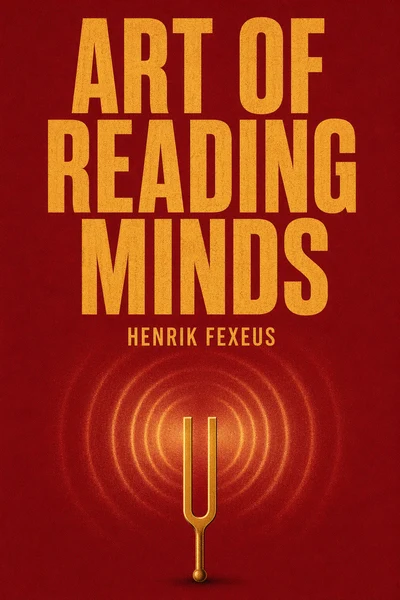
    Art of Reading Minds
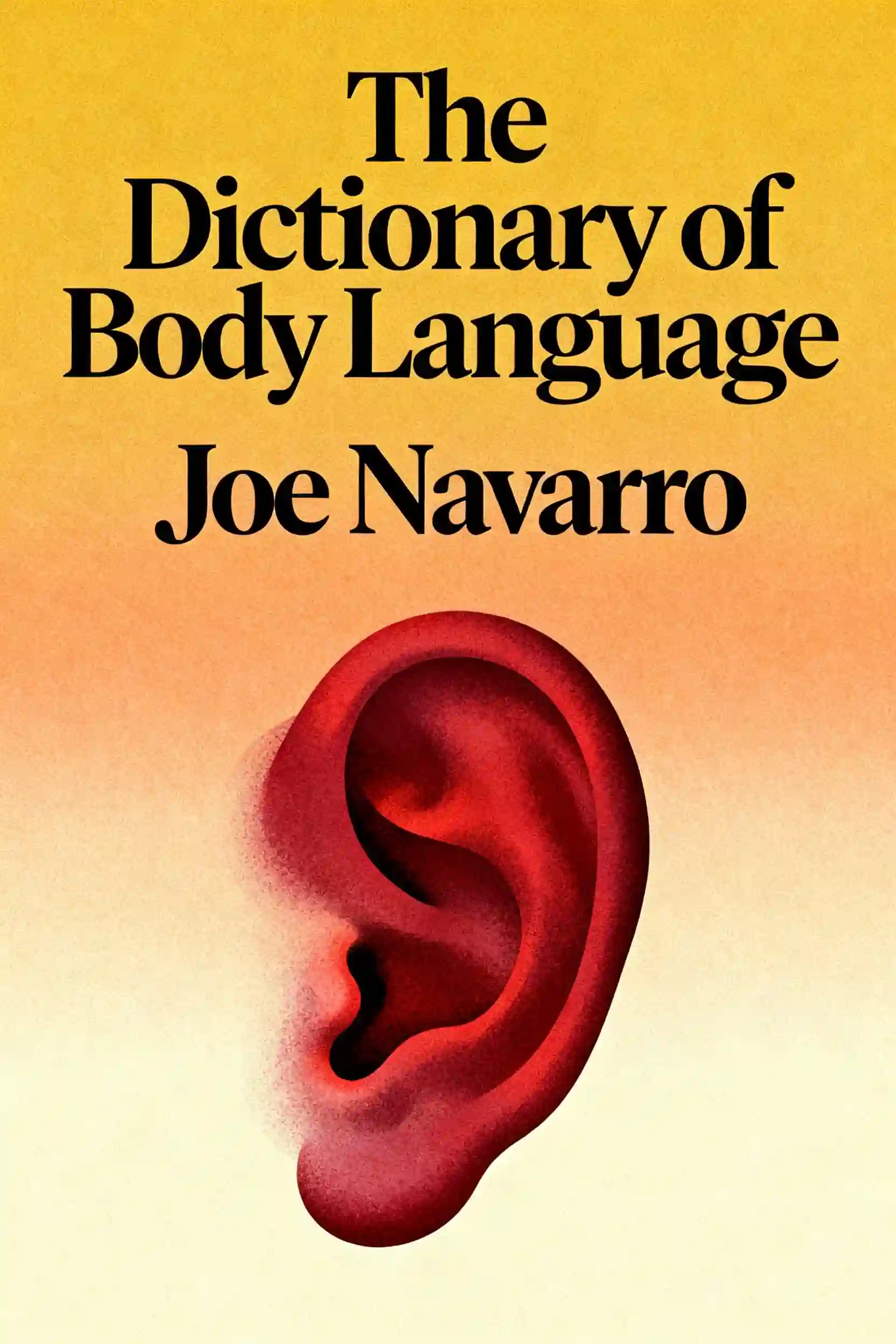
    Dictionary of Body Language
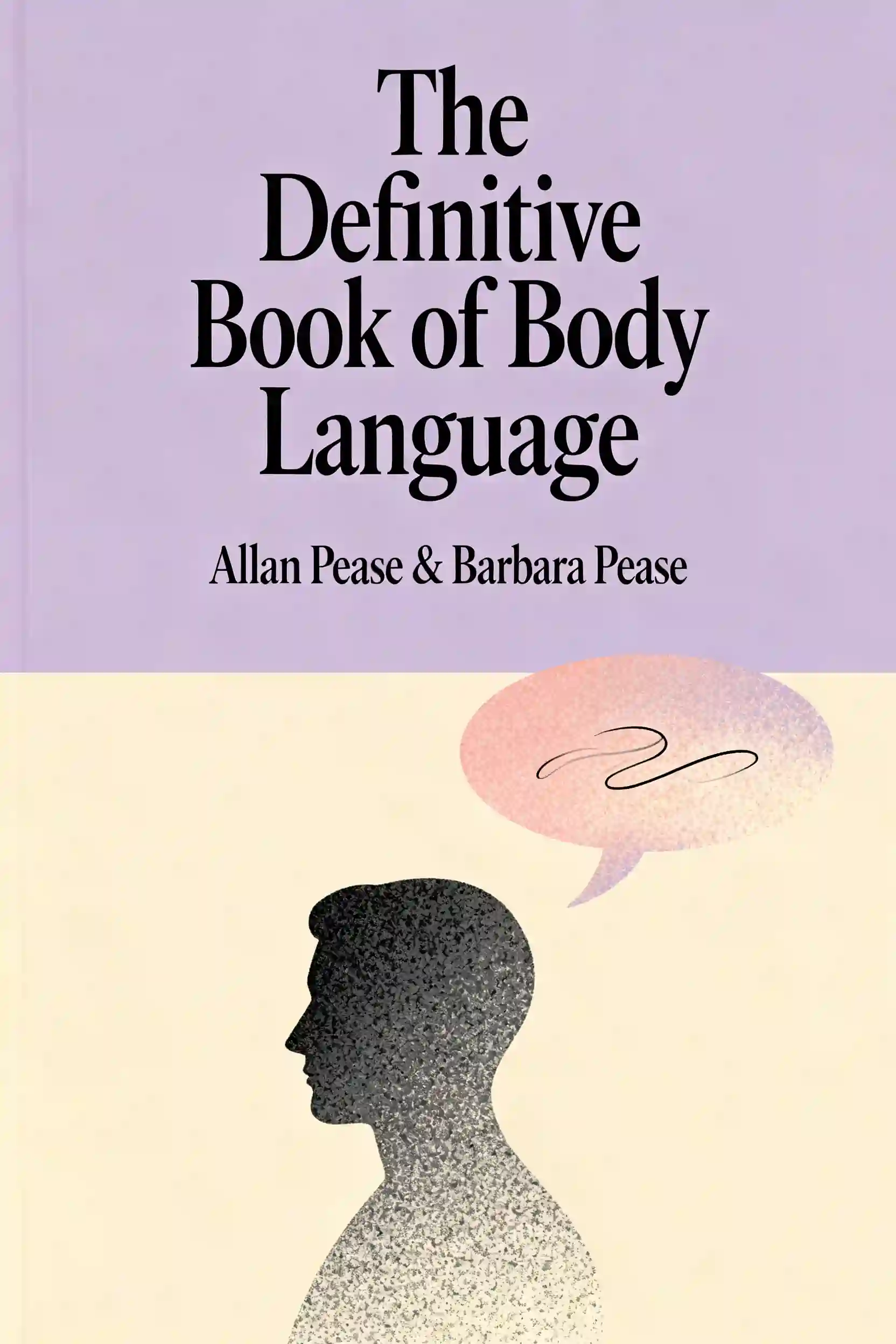
    The Definitive Book of Body Language
    How Highly Effective People Speak
    Influence Is Your Superpower
    Get anyone to do anything and never feel powerless again

    컬럼비아 대학교 동문들이 제작 | 샌프란시스코에서 개발

    BeFreed는 호기심 넘치는 글로벌 커뮤니티를 하나로 연결합니다

    4.7

    평균 평점

    앱 평가 7.84천 개 이상

    BeFreed 커뮤니티

    정말이지 아직 앱을 다 써 보지도 않았는데, 며칠 써 본 것만으로도 깊은 인상을 받았어요… BeFreed는 제가 써 본 어떤 학습 앱과도 차원이 달라요. 몰입감이 엄청나고 집중력도 실제로 좋아져서, 스마트폰을 하염없이 스크롤하는 분들께 딱이에요!

    @ladyInfinity

    정확히 23일 전에 BeFreed를 구입했는데, 그날부터 하루도 빠짐없이 쓰고 있어요. 제 일상 업무 흐름과 학습 습관에 완전히 자리 잡았어요.

    @jayallen

    솔직히 이 앱은 제 기대를 전부 뛰어넘었어요. 어떤 주제든 오디오로 만들어 달라고 할 수 있고, 결과물이 놀라워요. 제 전문 분야는 심리치료 쪽이고 여러 학문이 얽혀 있는데도 답변이 아주 정확해요.

    @Raguipa

    제일 고마운 건 스크롤하는 시간이 확 줄었다는 거예요. 검색하는 시간은 줄고 흡수하는 시간은 늘었어요. 오디오북 전권, 팟캐스트, 학습 플랜의 조합이 정말 훌륭해요.

    @colonyofcreatorsNGO

    저는 24년째 PhotoReading 속진 학습 강사로 일하고 있어요… 책과 독서, 배움이 제 전문인데, BeFreed는 정보를 소화하기 쉽게 전달하는 혁신적인 방식을 정말 잘 구현했어요.

    @BeFreed user

    단순한 책 요약 앱이 아니에요. '재미' 스타일을 써 봤는데, 전통적인 방식보다 훨씬 나은 요약이고 아이디어를 이해하기도 쉬워요. 이것만으로도 값어치를 해요.

    @austinakon

    이 앱이 정말 좋아요. 며칠 써 봤는데 듣는 걸 멈출 수가 없어요. 시작하기에 이보다 좋을 수 없어요.

    @jcrules328

    정말 마음에 들어요. 한 달 정도 써 봤는데 숨은 보석을 찾은 기분이에요. BeFreed로 제가 원하는 주제를 직접 만들 수 있어서 좋고, 목소리도 훌륭한 데다 내레이션 선택지가 무궁무진해요.

    @DanielCZ

    정말이지 아직 앱을 다 써 보지도 않았는데, 며칠 써 본 것만으로도 깊은 인상을 받았어요… BeFreed는 제가 써 본 어떤 학습 앱과도 차원이 달라요. 몰입감이 엄청나고 집중력도 실제로 좋아져서, 스마트폰을 하염없이 스크롤하는 분들께 딱이에요!

    @ladyInfinity

    정확히 23일 전에 BeFreed를 구입했는데, 그날부터 하루도 빠짐없이 쓰고 있어요. 제 일상 업무 흐름과 학습 습관에 완전히 자리 잡았어요.

    @jayallen

    솔직히 이 앱은 제 기대를 전부 뛰어넘었어요. 어떤 주제든 오디오로 만들어 달라고 할 수 있고, 결과물이 놀라워요. 제 전문 분야는 심리치료 쪽이고 여러 학문이 얽혀 있는데도 답변이 아주 정확해요.

    @Raguipa

    제일 고마운 건 스크롤하는 시간이 확 줄었다는 거예요. 검색하는 시간은 줄고 흡수하는 시간은 늘었어요. 오디오북 전권, 팟캐스트, 학습 플랜의 조합이 정말 훌륭해요.

    @colonyofcreatorsNGO

    저는 24년째 PhotoReading 속진 학습 강사로 일하고 있어요… 책과 독서, 배움이 제 전문인데, BeFreed는 정보를 소화하기 쉽게 전달하는 혁신적인 방식을 정말 잘 구현했어요.

    @BeFreed user

    단순한 책 요약 앱이 아니에요. '재미' 스타일을 써 봤는데, 전통적인 방식보다 훨씬 나은 요약이고 아이디어를 이해하기도 쉬워요. 이것만으로도 값어치를 해요.

    @austinakon

    이 앱이 정말 좋아요. 며칠 써 봤는데 듣는 걸 멈출 수가 없어요. 시작하기에 이보다 좋을 수 없어요.

    @jcrules328

    정말 마음에 들어요. 한 달 정도 써 봤는데 숨은 보석을 찾은 기분이에요. BeFreed로 제가 원하는 주제를 직접 만들 수 있어서 좋고, 목소리도 훌륭한 데다 내레이션 선택지가 무궁무진해요.

    @DanielCZ

    유용한 정보와 아이디어를 8~15분짜리 팟캐스트 스타일 오디오로 압축해서 들을 수 있다는 게 정말 좋아요. 원래 팟캐스트는 군더더기가 많아서 안 좋아했는데, 여기는 그걸 싹 걷어냈어요.

    @BeFreed user

    박사 과정을 마무리하는 중이라 낯선 자료를 많이 읽어야 해요… BeFreed에서는 프롬프트만 입력하면 앱이 자료를 찾아서 오디오 팟캐스트로 만들어 줘요. BeFreed의 과정이 NotebookLM보다 더 매끄럽게 느껴져요.

    @Brad

    아침을 준비하거나 산책하거나 출퇴근할 때 들을 것을 YouTube에서 자주 찾곤 했는데, BeFreed는 광고도 군더더기도 없이 훨씬 더 딱 맞는 걸 들려줘요!

    @BeFreed user

    이 플랫폼의 가장 큰 장점은 활용도예요. 다루지 못하는 주제가 말 그대로 하나도 없어요. 무엇을 던져도 다 소화해요… 제한이 전혀 없으면서 약속을 실제로 지키는 학습 도구는 정말 드물어요.

    @jayallen

    BeFreed는 환상적이에요. 디자인이 편해서 헤매는 시간은 줄고 배우는 시간은 늘었어요. 오디오북, 팟캐스트, 학습 플랜의 조합은 천재적이에요. 제 하루가 완전히 달라졌어요.

    @BeFreed user

    처음엔 이탈리아어로 팟캐스트를 만드는 방법을 이해하는 데 시간이 좀 걸렸는데, 알고 나니까 — 와! 정말 대단해요! 어떤 주제든 설명해 달라고 하면 정말 똑똑하게 잘 설명해 줘요!

    @matteo77

    BeFreed는 제가 매일 쓰는 오디오북 앱이 됐어요… 제일 마음에 드는 건 텍스트를 넣으면 이동 중에도 들을 수 있는 오디오로 만들어 준다는 점이에요.

    @kotanzu1

    유용한 정보와 아이디어를 8~15분짜리 팟캐스트 스타일 오디오로 압축해서 들을 수 있다는 게 정말 좋아요. 원래 팟캐스트는 군더더기가 많아서 안 좋아했는데, 여기는 그걸 싹 걷어냈어요.

    @BeFreed user

    박사 과정을 마무리하는 중이라 낯선 자료를 많이 읽어야 해요… BeFreed에서는 프롬프트만 입력하면 앱이 자료를 찾아서 오디오 팟캐스트로 만들어 줘요. BeFreed의 과정이 NotebookLM보다 더 매끄럽게 느껴져요.

    @Brad

    아침을 준비하거나 산책하거나 출퇴근할 때 들을 것을 YouTube에서 자주 찾곤 했는데, BeFreed는 광고도 군더더기도 없이 훨씬 더 딱 맞는 걸 들려줘요!

    @BeFreed user

    이 플랫폼의 가장 큰 장점은 활용도예요. 다루지 못하는 주제가 말 그대로 하나도 없어요. 무엇을 던져도 다 소화해요… 제한이 전혀 없으면서 약속을 실제로 지키는 학습 도구는 정말 드물어요.

    @jayallen

    BeFreed는 환상적이에요. 디자인이 편해서 헤매는 시간은 줄고 배우는 시간은 늘었어요. 오디오북, 팟캐스트, 학습 플랜의 조합은 천재적이에요. 제 하루가 완전히 달라졌어요.

    @BeFreed user

    처음엔 이탈리아어로 팟캐스트를 만드는 방법을 이해하는 데 시간이 좀 걸렸는데, 알고 나니까 — 와! 정말 대단해요! 어떤 주제든 설명해 달라고 하면 정말 똑똑하게 잘 설명해 줘요!

    @matteo77

    BeFreed는 제가 매일 쓰는 오디오북 앱이 됐어요… 제일 마음에 드는 건 텍스트를 넣으면 이동 중에도 들을 수 있는 오디오로 만들어 준다는 점이에요.

    @kotanzu1

    웹에서 BeFreed가 어떻게 논의되고 있는지 더 보기
    129.7K19.5K
    55.2K19.2K
    154.2K10827355
    48.1K2.5K
    81.2K6.6K
    82.3K1.8K
    지금 바로 학습 여정을 시작하세요
    BeFreed 앱
    BeFreed

    무엇이든 개인화된 학습

    DiscordLinkedIn
    추천 도서 요약
    Crucial ConversationsThe Perfect MarriageInto the WildNever Split the DifferenceAttachedGood to GreatSay Nothing
    인기 카테고리
    Self HelpCommunication SkillRelationshipMindfulnessPhilosophyInspirationProductivity
    유명인 추천 도서
    Elon MuskCharlie KirkBill GatesSteve JobsAndrew HubermanJoe RoganJordan Peterson
    수상작 컬렉션
    Pulitzer PrizeNational Book AwardGoodreads Choice AwardsNobel Prize in LiteratureNew York TimesCaldecott MedalNebula Award
    추천 주제
    ManagementAmerican HistoryWarTradingStoicismAnxietySex
    연도별 베스트 도서
    2025 Best Non Fiction Books2024 Best Non Fiction Books2023 Best Non Fiction Books
    추천 저자
    Chimamanda Ngozi AdichieGeorge OrwellO. J. SimpsonBarbara O'NeillWinston ChurchillCharlie Kirk
    BeFreed vs 다른 앱
    BeFreed vs. Other Book Summary AppsBeFreed vs. ElevenReaderBeFreed vs. ReadwiseBeFreed vs. Anki
    학습 도구
    Knowledge VisualizerAI Podcast Generator
    정보
    회사 소개arrow
    가격arrow
    FAQarrow
    블로그arrow
    채용arrow
    파트너십arrow
    앰배서더 프로그램arrow
    디렉토리arrow
    BeFreed
    Try now
    © 2026 BeFreed
    이용 약관개인정보 처리방침
    BeFreed

    무엇이든 개인화된 학습

    DiscordLinkedIn
    추천 도서 요약
    Crucial ConversationsThe Perfect MarriageInto the WildNever Split the DifferenceAttachedGood to GreatSay Nothing
    인기 카테고리
    Self HelpCommunication SkillRelationshipMindfulnessPhilosophyInspirationProductivity
    유명인 추천 도서
    Elon MuskCharlie KirkBill GatesSteve JobsAndrew HubermanJoe RoganJordan Peterson
    수상작 컬렉션
    Pulitzer PrizeNational Book AwardGoodreads Choice AwardsNobel Prize in LiteratureNew York TimesCaldecott MedalNebula Award
    추천 주제
    ManagementAmerican HistoryWarTradingStoicismAnxietySex
    연도별 베스트 도서
    2025 Best Non Fiction Books2024 Best Non Fiction Books2023 Best Non Fiction Books
    학습 도구
    Knowledge VisualizerAI Podcast Generator
    추천 저자
    Chimamanda Ngozi AdichieGeorge OrwellO. J. SimpsonBarbara O'NeillWinston ChurchillCharlie Kirk
    BeFreed vs 다른 앱
    BeFreed vs. Other Book Summary AppsBeFreed vs. ElevenReaderBeFreed vs. ReadwiseBeFreed vs. Anki
    정보
    회사 소개arrow
    가격arrow
    FAQarrow
    블로그arrow
    채용arrow
    파트너십arrow
    앰배서더 프로그램arrow
    디렉토리arrow
    BeFreed
    Try now
    © 2026 BeFreed
    이용 약관개인정보 처리방침

    비슷한 콘텐츠

    The Silent Power of Body Language 책 표지
    The Dictionary of Body LanguageThe Art of Reading MindsThe Definitive Book of Body LanguageUnmasking the Face
    18 sources
    The Silent Power of Body Language
    Explore how nonverbal cues reveal our true feelings despite our words. Learn to read facial expressions, gestures, and posture while mastering your own nonverbal communication in different cultural contexts.
    45 min
    The Silent Language: Mastering Body Language 책 표지
    The Dictionary of Body LanguageUnmasking the FaceWhat Every BODY is SayingThe Art of Reading Minds
    23 sources
    The Silent Language: Mastering Body Language
    Explore the hidden world of nonverbal communication, from universal micro-expressions to power plays, and learn how to decode the silent signals people send every day.
    22 min
    Body Language: Command Any Room 책 표지
    PresenceThe Definitive Book of Body LanguageThe Art of Reading MindsThe Dictionary of Body Language
    18 sources
    Body Language: Command Any Room
    Discover how to project dominance through non-verbal cues, as our hosts break down the science of powerful body language and provide practical techniques to transform your presence in any situation.
    16 min
    Decoding Silent Power: Body Language and Dark Psychology 책 표지
    Influence is Your SuperpowerThe 48 Laws of PowerThe Daily LawsThe Laws of Human Nature
    26 sources
    Decoding Silent Power: Body Language and Dark Psychology
    Master the hidden cues of dominance and deception. Learn to simplify the 48 Laws of Power and use body language to defend against psychological manipulation in everyday life.
    29 min
    Body Language Secrets for Instant Confidence 책 표지
    PresenceThe Definitive Book of Body LanguageThe Dictionary of Body LanguageQuick Confidence
    24 sources
    Body Language Secrets for Instant Confidence
    Discover practical techniques to project confidence through posture, gestures, and movement. Learn how 55% of communication is nonverbal and master specific body language skills that work immediately.
    25 min
    The Silent Language: Mastering Body Language Decoding 책 표지
    The Dictionary of Body LanguageWhat Every BODY is SayingUnmasking the FaceRead People Like a Book
    20 sources
    The Silent Language: Mastering Body Language Decoding
    Learn to read subconscious signals and micro-expressions in milliseconds. This guide explores the limbic brain's role in communication and provides a practical playbook for high-stakes social navigation.
    22 min
    The Silent Language: Mastering Body Language 책 표지
    The Dictionary of Body LanguageWhat Every BODY is SayingUnmasking the FaceRead People Like a Book
    27 sources
    The Silent Language: Mastering Body Language
    Learn to decode the hidden signals people send before they even speak. This episode explores the science of non-verbal cues, from microexpressions to the 'honest' movements of the feet.
    25 min
    Mastering the Silent Language: Body Language Decoded 책 표지
    source 1source 2source 3source 4
    6 sources
    Mastering the Silent Language: Body Language Decoded
    Unlock the 93% of communication you've been missing! Learn to read microexpressions, detect deception, and build deeper connections through the fascinating science of nonverbal cues and social dynamics.
    9 min

    Recommended Learning Plans

    Read Body Language to Understand People
    학습 계획

    Read Body Language to Understand People

    In an era where much is left unsaid, mastering nonverbal cues provides a significant competitive advantage in both personal and professional settings. This plan is ideal for leaders, negotiators, and anyone looking to enhance their emotional intelligence and detect hidden social dynamics.

    6 h 28 m•4 섹션
    Develop strong body language
    학습 계획

    Develop strong body language

    Body language accounts for over 50% of communication, yet most people remain unaware of the signals they send and receive daily. This learning plan helps professionals, leaders, and anyone seeking to improve their social intelligence decode nonverbal cues and strategically use body language to enhance their presence and influence.

    4 h 3 m•4 섹션
    The Hidden Language of Human Interaction
    학습 계획

    The Hidden Language of Human Interaction

    In an era of digital noise, the ability to interpret subtle social signals is a critical competitive advantage. This plan is designed for leaders and collaborators who want to master non-verbal communication and the psychological mechanics of influence.

    2 h•4 섹션
    Strategic Self-Improvement & Body Language
    학습 계획

    Strategic Self-Improvement & Body Language

    This plan is designed for professionals and individuals seeking to bridge the gap between internal self-mastery and external social influence. It is ideal for leaders, negotiators, and anyone looking to enhance their interpersonal impact through a blend of behavioral psychology and nonverbal communication.

    7 h 54 m•5 섹션
    Master Charisma, Body Language & Confidence
    학습 계획

    Master Charisma, Body Language & Confidence

    In today's competitive landscape, technical skill is often secondary to how you project yourself and influence others. This plan is designed for professionals and aspiring leaders who want to bridge the gap between their inner potential and their external impact through psychological mastery and nonverbal communication.

    5 h 13 m•4 섹션
    Mastering Presence Through Posture
    학습 계획

    Mastering Presence Through Posture

    Physical presence is a silent but powerful driver of career advancement and influence. This plan is designed for aspiring leaders and professionals who want to align their body language with their expertise to command respect and manage high-pressure situations with ease.

    1 h 30 m•3 섹션
    Learn Psychology, Body Language & Attraction
    학습 계획

    Learn Psychology, Body Language & Attraction

    This plan is essential for anyone looking to master the unspoken rules of social interaction and human connection. It is ideal for professionals, leaders, and individuals seeking to enhance their influence, read people accurately, and build authentic charisma.

    6 h 21 m•4 섹션
    Read the Room Like a Pro
    학습 계획

    Read the Room Like a Pro

    In an era of digital noise, the ability to interpret subtle non-verbal cues and navigate social dynamics is a critical competitive advantage. This plan is designed for leaders, negotiators, and professionals who want to master high-stakes interactions by understanding the science of human connection.

    1 h 30 m•3 섹션