BeFreed
    Categories>Technology>Ballard's Misunderstood Technological Nightmare

    Ballard's Misunderstood Technological Nightmare

    31분
    |
    |
    2026년 1월 21일
    TechnologyHistory & SocietyPhilosophy & Spirituality

    An exploration of J.G. Ballard's controversial novel 'Crash' and why its cautionary message about our relationship with technology continues to be misinterpreted as celebration rather than critique.

    Ballard's Misunderstood Technological Nightmare
    전달 방식을 선택하세요

    하나의 에피소드, 다양한 청취 방식.

    Ballard's Misunderstood Technological Nightmare의 같은 아이디어를 나에게 맞는 목소리, 깊이, 속도로 만나보세요. 언제든 바꿀 수 있습니다.

    전체 대본 및 챕터

    챕터 1

    Misreading Ballard's Technological Nightmare

    Lena: Hey there, welcome to another episode of Literary Depths! I'm Lena, and today we're tackling one of the most controversial novels of the 20th century.

    Nia: And I'm Nia. We're diving into J.G. Ballard's "Crash" - a book so disturbing that one publisher's reader reportedly wrote, "The author is beyond psychiatric help."

    Lena: God, I remember hearing about that! Wasn't it rejected with that note saying "Do not publish"? Talk about a scathing review.

    Nia: Exactly. And what's fascinating is how this novel has been consistently misunderstood since its publication in 1973. Ballard himself called it "the first pornographic novel based on technology," but critics and readers have interpreted it in wildly different ways.

    Lena: Right, and that's what makes it so interesting. Baudrillard saw it as this hyperreal world beyond moral judgment, while Ballard insisted it was actually cautionary - a warning about our relationship with technology.

    Nia: That's the thing - people keep missing Ballard's point. The novel isn't celebrating this fusion of sexuality and car crashes; it's exposing something deeply disturbing about modern society and our relationship with machines.

    Lena: You know what's weird? How something so deliberately uncomfortable and even boring in parts can stick with readers for months or years after they've finished it. It's like it plants this unsettling seed in your mind.

    Nia: That's exactly its power. Let's explore how Ballard created this "psychopathic hymn" that continues to haunt readers while revealing uncomfortable truths about our technological landscape.

    챕터 2

    The Surgeon's Eye on Civilization's Pathology

    Nia: So let's start with something that really struck me about Ballard's approach—he wasn't writing as a novelist in the traditional sense. He was writing as a diagnostician, almost like a surgeon examining a diseased society.

    Lena: That's such a perfect way to put it. I mean, Ballard actually studied medicine at Cambridge before becoming a writer, right? And you can feel that clinical detachment throughout the entire novel.

    Nia: Absolutely. He once said that "novelists should be like scientists, dissecting the cadaver." And in Crash, the cadaver is modern civilization itself. The prose is so deliberately flat and affectless—it reads like a medical report documenting symptoms of some collective psychosis.

    Lena: It's unsettling how matter-of-fact the descriptions are. Like when the narrator describes Vaughan's scarred body in purely technical terms—"These apparently meaningless notches on his skin, like the gouges of a chisel, marked the sharp embrace of a collapsing passenger compartment." There's no emotion, just clinical observation.

    Nia: Right, and that's where so many readers go wrong. They think Ballard is being gratuitously shocking or pornographic, but he's actually using that medical detachment to make us see our own pathology clearly. It's like he's holding up a mirror to show us what we've become.

    Lena: You know what's brilliant about this approach? By stripping away all the emotional language we usually use to describe human relationships and sexuality, he forces us to see the mechanical nature of how we actually behave.

    Nia: Exactly! And this connects to something Zadie Smith pointed out in her essay on the novel. She talks about how Ballard takes what seems "natural"—our everyday relationship with cars, with technology, with celebrity culture—and reveals its underlying psychopathology.

    Lena: That's so true. I mean, we accept it as completely normal that thousands of people die in car crashes every year, that we slow down to gawk at accidents, that we fetishize speed and power through automobiles. But when Ballard presents these same impulses in stark, clinical terms, suddenly it all seems deeply perverse.

    Nia: And that's the genius of his method. He's not inventing some dystopian future—he's showing us the dystopia we're already living in. The novel takes place in contemporary 1970s London, using real people like Elizabeth Taylor and real locations. It's our world, just seen with absolute clarity.

    Lena: Which brings us to something really important that gets lost in all the controversy. Ballard wasn't some sick fantasist dreaming up bizarre sexual scenarios. He was responding to actual cultural trends he was observing around him.

    Nia: Right, like the way celebrity deaths in car crashes had become almost mythologized—James Dean, Jayne Mansfield, later Princess Diana. Ballard saw this convergence of death, celebrity, and automobiles decades before it became obvious to everyone else.

    Lena: It's like he had this uncanny ability to see the logical endpoint of cultural trends that were just beginning to emerge. The novel was written twenty-five years before Diana's death, but his fictional description of Elizabeth Taylor in a crashed car reads like prophecy.

    Nia: And that's what makes the medical metaphor so apt. A good diagnostician doesn't just treat symptoms—they identify underlying conditions that will manifest as future problems. Ballard was diagnosing pathologies in 1970s society that we're still dealing with today.

    Lena: So when readers get disturbed by the novel's content, they're actually responding to the accuracy of his diagnosis, not to some fictional perversion. They're recognizing themselves in that clinical mirror, and it's deeply uncomfortable.

    Nia: Exactly. The horror isn't in the imagination—it's in the recognition.

    이 에피소드로 더 깊이 배우기

    이 에피소드의 아이디어를 BeFreed의 가이드 학습 경험으로 더 깊이 탐구해 보세요.

    챕터 3

    When Fiction Becomes Documentary

    Lena: This is what's so eerie about reading Crash today—so many of Ballard's "fictional" scenarios have basically come true. I mean, he was writing about people having sex in cars in public spaces, and now we have an actual term for it: dogging.

    Nia: Oh my god, yes! And it became a major scandal in Britain with television celebrities, just like Ballard predicted. It's like the novel was less science fiction and more investigative journalism from the future.

    Lena: What gets me is how he understood that technology wouldn't just change what we do—it would change who we are at the most fundamental level. The characters in Crash aren't using cars; they're being shaped by them, transformed by them.

    Nia: Right, and this connects to something Marshall McLuhan was exploring around the same time—the idea that we shape our tools, and then they shape us. But Ballard took it to its logical extreme, showing how intimate that shaping could become.

    Lena: I love how he puts it in the novel: "What I noticed about these affairs was the presence in each one of the automobile. All had taken place within a motor-car... as if the presence of the car mediated an element which alone made sense of the sexual act."

    Nia: That's such a key passage because it shows how technology isn't just facilitating human desires—it's actually creating new forms of desire. The car isn't just a location; it's become necessary for the sexual experience itself.

    Lena: And when you think about it, that's exactly what happened with social media and dating apps, isn't it? Technology didn't just make dating more convenient—it fundamentally altered how we form relationships, what we find attractive, even how we think about love.

    Nia: Absolutely. Ballard was seeing this pattern of technological mediation decades before anyone else. He understood that once we integrate technology deeply enough into our lives, the boundary between human and machine starts to dissolve.

    Lena: Which is why the cyborg imagery in the novel is so powerful. It's not about literal human-machine hybrids—it's about how we're already cyborgs, psychologically and emotionally fused with our technologies.

    Nia: And that fusion isn't necessarily liberating, which is another way the novel gets misread. Some critics see it as celebrating this posthuman future, but Ballard is showing how that fusion can be deeply dehumanizing.

    Lena: Right, because when you become dependent on technology for basic human experiences like intimacy or meaning, you lose something essential about your autonomy. You become programmable in a sense.

    Nia: That's such an important point. The characters in Crash aren't free—they're compelled. They're following scripts written by the logic of the machine, the logic of the crash, the logic of consumer culture.

    Lena: And isn't that exactly what we see today with social media addiction, with people unable to experience events without documenting them, with algorithms shaping our preferences and desires?

    Nia: Completely. Ballard was diagnosing the early stages of what we now call the attention economy, the surveillance economy, the algorithmic manipulation of human behavior. He saw it all coming.

    Lena: So when people call the novel prophetic, they're not just talking about specific predictions. They're talking about his ability to see the deeper patterns, the underlying logic of technological society.

    Nia: Exactly. He wasn't predicting flying cars or space colonies—he was predicting the psychological transformation of humanity itself.

    챕터 4

    The Pornography of Everything

    Lena: Let's talk about something that really bothers me about how Crash gets discussed. People focus so much on the explicit sexual content that they miss Ballard's broader point about pornography as a organizing principle of modern life.

    Nia: Oh, this is so important. When Ballard called it "the first pornographic novel based on technology," he wasn't just talking about sexual content. He was talking about pornography as a way of seeing, a way of relating to the world.

    Lena: Right, because what is pornography, really? It's the reduction of complex human experiences to pure functionality. It strips away personality, emotion, context—everything that makes us human—and focuses only on mechanical interactions.

    Nia: And that's exactly what consumer culture does, isn't it? It reduces us to demographics, to purchasing behaviors, to data points. We become functions rather than people.

    Lena: Yes! And in Crash, Ballard shows how this pornographic logic has infected everything. The way the characters look at each other, at cars, at accidents—it's all through this lens of "what can this be used for?"

    Nia: There's that chilling moment where Vaughan looks at the narrator and the text says: "Vaughan's interest in myself was clearly minimal; what concerned him was not the behavior of a 40-year-old producer of television commercials but the interaction between an anonymous individual and his car."

    Lena: That gives me chills every time. He's not seeing a person—he's seeing a user interface, basically. A way for a human body to interact with automotive technology.

    Nia: And that's become our reality, hasn't it? We're constantly being reduced to our functions, our utility, our data profiles. Dating apps reduce us to swipeable images, social media reduces us to engagement metrics, employers reduce us to productivity units.

    Lena: What's really disturbing is how we've internalized this logic. We present ourselves pornographically—curating our images, optimizing our profiles, marketing ourselves like products.

    Nia: Exactly. And Ballard saw this coming in the 1970s, before personal computers, before the internet, before social media. He understood that once you introduce pornographic logic into a system, it tends to spread and colonize everything.

    Lena: It's like a virus, in a way. Once you start seeing people as functions, as objects to be used, it becomes harder and harder to see them as full human beings with inner lives and autonomy.

    Nia: And this connects to something Slavoj Žižek talks about—how perversion isn't really about weird sexual practices. It's about claiming direct access to truth, about bypassing the ambiguity and complexity of human communication.

    Lena: That's so insightful. The perverted position is thinking you can read people like machines, that you can understand their desires and motivations through simple formulas.

    Nia: Right, and that's exactly what consumer culture promises us—that human behavior is predictable, that desires can be manufactured and manipulated, that people are basically sophisticated input-output systems.

    Lena: Which brings us back to why the novel is so uncomfortable to read. It's not the car crashes or the explicit sex—it's the recognition that this pornographic way of seeing has become our default mode.

    Nia: We're all Vaughan now, in a sense. We've all learned to see the world through this instrumental, functional lens. And Ballard is forcing us to confront what that's done to us.

    이 에피소드로 더 깊이 배우기

    이 에피소드의 아이디어를 BeFreed의 가이드 학습 경험으로 더 깊이 탐구해 보세요.

    챕터 5

    The Death Drive Disguised as Progress

    Nia: Here's something that really struck me about the novel—underneath all the technology and modernity, there's this deep fascination with death. Not just individual death, but something like civilizational death.

    Lena: Oh absolutely. The car crash becomes this perfect symbol because it represents the collision between our technological ambitions and our fundamental mortality. We build these machines to extend our power, our reach, our speed—but they also become instruments of our destruction.

    Nia: And what's so unsettling is how the characters in the novel are drawn to that destructive potential. They're not trying to avoid crashes—they're actively seeking them out, eroticizing them.

    Lena: Right, because Ballard understood something that Freud called the death drive—this unconscious impulse toward self-destruction that exists alongside our survival instincts. But in Crash, it's not unconscious anymore. It's become explicit, celebrated even.

    Nia: And isn't that exactly what we see in contemporary culture? This weird fascination with apocalypse, with disaster, with the end of the world? We make blockbuster movies about civilization collapsing, we binge-watch shows about zombies and pandemics.

    Lena: It's like we're collectively rehearsing our own destruction. And social media amplifies this—every crisis becomes entertainment, every tragedy becomes content to be consumed.

    Nia: Ballard saw this coming. He understood that advanced technological societies would develop this strange relationship with their own mortality. The more powerful our technologies become, the more we're fascinated by their potential to destroy us.

    Lena: And there's something almost relieving about that destruction, isn't there? Like it would solve the problem of having to figure out what to do with all this power, all this complexity.

    Nia: Yes! It's like the death drive disguised as progress. We tell ourselves we're building toward some glorious future, but actually we're building toward some kind of spectacular ending.

    Lena: Which explains why the car crash is such a perfect metaphor. It's the moment when all our technological sophistication—the engineering, the design, the manufacturing—gets reduced to twisted metal and broken bodies.

    Nia: And in that moment of destruction, there's a kind of truth revealed. All the advertising, all the marketing, all the promises of freedom and power—it all gets stripped away to reveal something much more primitive and destructive.

    Lena: That's why Vaughan is such a compelling character, even though he's clearly disturbed. He's the only one who's honest about what's really driving this whole system. He's not pretending that cars are about transportation or convenience—he sees them for what they really are.

    Nia: Right, instruments of a collective death wish. And by making that explicit, by eroticizing it, he's actually being more honest than all the car commercials and safety campaigns.

    Lena: It reminds me of something Thomas Ligotti wrote about how horror is the most honest genre because it acknowledges that existence itself might be fundamentally malevolent or meaningless.

    Nia: That's such a perfect connection. Ballard is writing horror, but he's disguising it as literary fiction. He's showing us the horror of ordinary life, the horror of technological progress, the horror of consumer culture.

    Lena: And the most horrifying thing is how normal it all seems. These aren't monsters or supernatural threats—these are just people living in the world we've built.

    Nia: Exactly. The real horror is the realization that we've created a civilization that's fundamentally oriented toward destruction, and we've made that orientation invisible to ourselves.

    챕터 6

    The Myth of Individual Agency

    Lena: One thing that really gets lost in discussions of Crash is how it completely dismantles the idea of individual choice and agency. The characters aren't really making decisions—they're being programmed by larger systems.

    Nia: That's such a crucial point. When people criticize the novel for having flat, unemotional characters, they're missing the point entirely. The flatness is the message. These aren't fully autonomous individuals—they're nodes in a network.

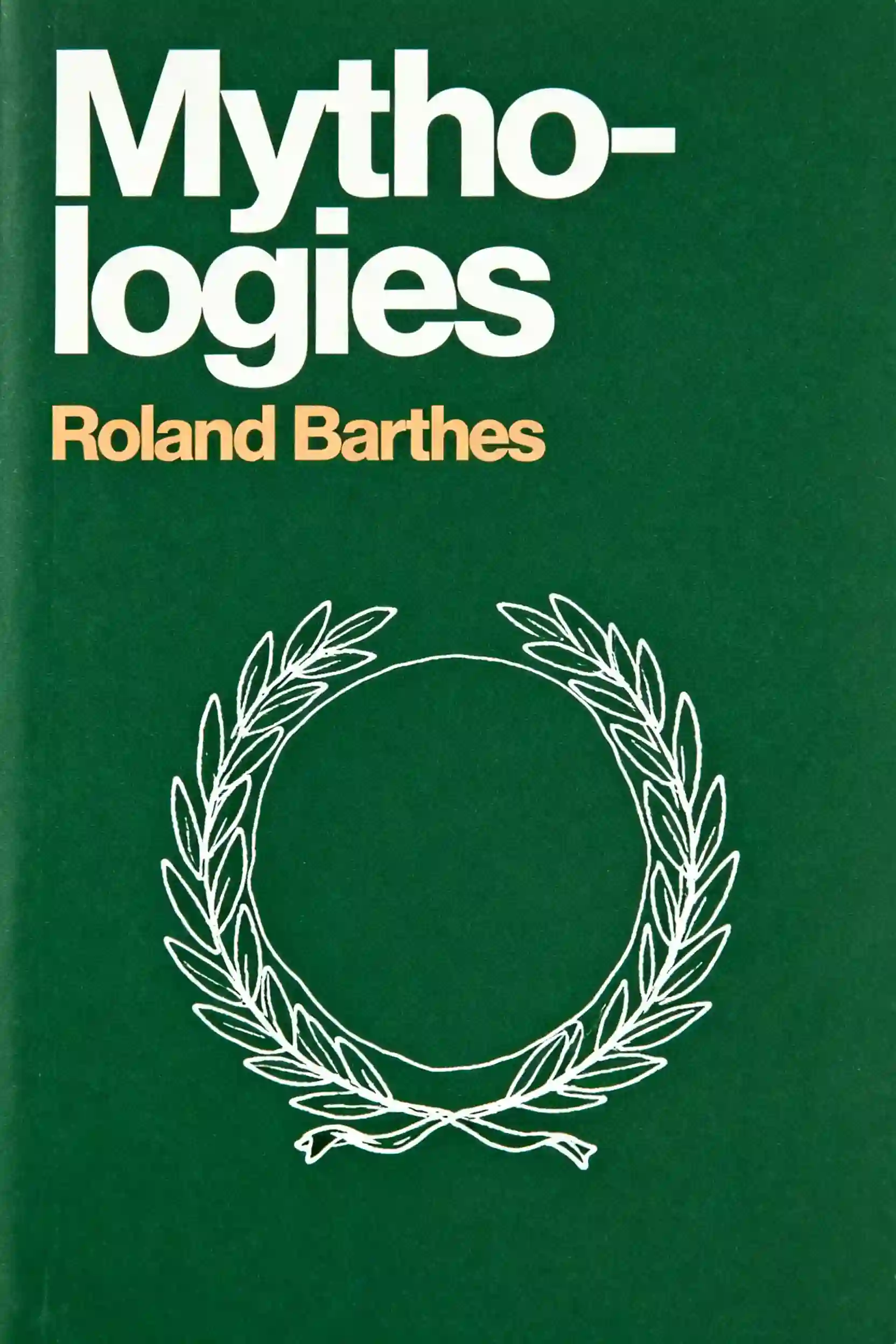
    Lena: Right, and this connects to something Roland Barthes was exploring around the same time in Mythologies. He showed how consumer culture creates these powerful mythological systems that shape our desires and behaviors without us even realizing it.

    Nia: Exactly. The myth of the automobile isn't just about transportation—it's about freedom, sexuality, power, status. And once you buy into that myth, your choices become predictable, programmable.

    Lena: It's like the characters in Crash are living out the logical conclusion of automotive mythology. They've internalized it so completely that they can't imagine desire or meaning outside of it.

    Nia: And what's so prescient about this is how it anticipates our current situation with digital technology. We think we're making individual choices when we scroll through social media or shop online, but we're actually following scripts written by algorithms.

    Lena: The illusion of choice while being completely determined—that's the essence of consumer culture, isn't it? You can choose any car you want, as long as you choose a car.

    Nia: And Ballard shows how this extends into the most intimate areas of human experience. Even sexuality becomes programmable once it gets mediated through technological systems.

    Lena: That's why the novel feels so claustrophobic. There's no outside, no alternative, no escape from this logic. Every character is trapped within the same mythological framework.

    Nia: Right, and this is where the novel becomes genuinely political, even though it's not overtly political. It's showing how power operates in advanced consumer societies—not through force or coercion, but through the manufacture of desire itself.

    Lena: You don't need to control people if you can control what they want. And the automobile industry was one of the first to really perfect this technique.

    Nia: Absolutely. They didn't just sell cars—they sold identities, lifestyles, fantasies. They made the car central to people's sense of self.

    Lena: And once that happens, once your identity becomes tied to a product, you lose the ability to think critically about that product. Criticism becomes literally unthinkable because it would threaten your sense of self.

    Nia: Which explains why Crash was so controversial. It wasn't just attacking cars—it was attacking a fundamental myth that people had built their identities around.

    Lena: And by extension, it was attacking the whole system of consumer capitalism that depends on people identifying with products, with brands, with technological systems.

    Nia: The novel shows us what we look like when we're completely absorbed into that system—and it's not pretty. We become these hollow, programmed beings acting out scripts we didn't write.

    Lena: But here's what's really disturbing—Ballard isn't presenting this as some dystopian future. He's saying this is what we already are. We just don't want to see it.

    이 에피소드로 더 깊이 배우기

    이 에피소드의 아이디어를 BeFreed의 가이드 학습 경험으로 더 깊이 탐구해 보세요.

    챕터 7

    The Failure of Moral Categories

    Nia: You know what's really fascinating about how Crash gets misunderstood? People keep trying to apply traditional moral categories to it—they want to know if it's good or evil, whether it's condemning or celebrating its subject matter.

    Lena: Right, and that's exactly the wrong framework. Ballard is showing us a world where those moral categories have become obsolete, where they literally don't apply anymore.

    Nia: It's like trying to judge a cancer cell as moral or immoral. The cancer cell isn't evil—it's just following its programming. And in Ballard's world, that's what we've all become: cells in a larger organism that's following its own inexorable logic.

    Lena: That's such a powerful way to think about it. And it explains why the novel feels so alien, so difficult to process emotionally. We're used to stories where we can identify heroes and villains, where moral judgment is possible.

    Nia: But in Crash, everyone is both victim and perpetrator. They're all trapped in the same system, all following the same programming. There's no moral high ground to retreat to.

    Lena: And this is where Baudrillard's reading becomes relevant, even if Ballard disagreed with it. Baudrillard saw the novel as existing beyond moral judgment, in a realm of pure simulation where traditional ethical categories no longer function.

    Nia: Right, because once you enter the realm of hyperreality—where images and simulations become more real than reality itself—moral categories become meaningless. You can't judge a simulation as moral or immoral.

    Lena: But here's where I think Ballard was more subtle than Baudrillard gave him credit for. The novel isn't celebrating this post-moral condition—it's showing us how terrifying it is.

    Nia: Exactly. The horror of the novel isn't that people are doing immoral things—it's that they're living in a world where morality itself has become impossible.

    Lena: It's like they're sleepwalking through these destructive behaviors because they literally can't see them as destructive anymore. The system has made its own logic invisible.

    Nia: And that's what makes it so much more disturbing than traditional horror or transgressive literature. At least with something like American Psycho, you can say "this character is a monster." But with Crash, there are no monsters—just people following the logic of the world they've been given.

    Lena: Which brings us back to why the medical metaphor is so apt. You don't morally judge a disease—you diagnose it, you understand its mechanism, you try to find a cure.

    Nia: Right, and Ballard is functioning as a diagnostician of civilization. He's showing us the symptoms of a collective pathology that we've become so adapted to that we can't even see it anymore.

    Lena: The real moral dimension of the novel, then, isn't in the behavior of the characters—it's in Ballard's decision to make this pathology visible, to force us to confront what we've become.

    Nia: That's why it's ultimately a moral book, even though it exists beyond conventional morality. The act of diagnosis itself is a moral act—it's saying "this is not normal, this is not healthy, this needs to be seen."

    Lena: And the fact that so many readers find it disturbing suggests that some part of us still retains the capacity for moral judgment, even if we've largely suppressed it in daily life.

    Nia: The novel works like a kind of moral defibrillator—it shocks us back into awareness of what we've lost, what we've given up in exchange for technological convenience and consumer comfort.

    챕터 8

    Reclaiming Human Agency in a Posthuman World

    Lena: So we've talked about how Crash diagnoses this collective pathology, but what about solutions? Is Ballard offering any way out of this technological trap, or is he just documenting our inevitable descent?

    Nia: That's such an important question, and I think it gets to the heart of why the novel remains relevant. On the surface, it seems completely pessimistic—there's no escape, no redemption, no hope for change.

    Lena: Right, the characters are completely absorbed into the system. They can't imagine alternatives because their capacity for imagination has been colonized by automotive mythology.

    Nia: But I think there's a more subtle form of resistance happening in the novel itself—in the act of making this pathology visible, of forcing us to see what we've become.

    Lena: That's interesting. So the novel functions as a kind of consciousness-raising exercise, even though it doesn't explicitly offer solutions?

    Nia: Exactly. It's like that old saying: "The first step in solving a problem is recognizing that you have one." And most people living in consumer culture don't even recognize that there is a problem.

    Lena: We've naturalized so many aspects of technological control that we can't see them as forms of control at all. We think we're free because we have choices, even though our choices are being manufactured for us.

    Nia: Right, and this connects to something the Frankfurt School theorists were exploring—how advanced capitalist societies control people not through overt repression but through the manipulation of consciousness itself.

    Lena: So by reading Crash, by experiencing that discomfort and alienation, we're potentially breaking free from that manufactured consciousness, at least temporarily?

    Nia: I think so. The novel works like a kind of cognitive shock therapy. It forces us to see familiar things—cars, sexuality, celebrity culture—from a completely different angle.

    Lena: And once you've seen things from that angle, it's hard to go back to unconscious participation. You start noticing the manipulation, the programming, the ways your desires are being shaped by forces outside your control.

    Nia: Exactly. And that's the beginning of genuine agency—not the illusion of choice that consumer culture provides, but the ability to step outside the system and see it clearly.

    Lena: It reminds me of something John Berger wrote in Ways of Seeing about how once you understand the mechanics of visual manipulation, you become less susceptible to it.

    Nia: That's a perfect parallel. Crash functions as a kind of literacy education for technological society. It teaches us to read the hidden messages, to see the underlying programming.

    Lena: But it's not enough just to see the problem, is it? We also need to develop alternative ways of being, alternative forms of desire and meaning that aren't colonized by technological systems.

    Nia: Absolutely. And I think that's where the novel's limitations become apparent. It's brilliant at diagnosis, but it doesn't offer much in terms of treatment or alternative vision.

    Lena: Which might be why it needs to be read alongside other thinkers and writers who are more explicitly focused on resistance and alternatives.

    Nia: Right, people like the Situationists, who were developing techniques for disrupting the spectacle of consumer culture, or contemporary writers who are imagining post-capitalist futures.

    Lena: The key insight from Crash is that we can't just reform the system—we need to fundamentally reimagine our relationship with technology, with each other, with the environment.

    Nia: And that reimagining has to start with honest recognition of where we are now, how we got here, and what it's costing us in terms of our humanity.

    Lena: So in that sense, Crash is ultimately a hopeful book, even though it doesn't feel hopeful. It's creating the conditions for a different kind of consciousness to emerge.

    이 에피소드로 더 깊이 배우기

    이 에피소드의 아이디어를 BeFreed의 가이드 학습 경험으로 더 깊이 탐구해 보세요.

    챕터 9

    The Mirror We Don't Want to Look Into

    Lena: As we wrap up our exploration of Crash, I keep coming back to this idea that the novel functions as a mirror—but it's a mirror that shows us things we desperately don't want to see about ourselves and our society.

    Nia: That's such a perfect metaphor, and it explains why the novel has been so consistently misunderstood and misinterpreted. People look into that mirror and they see something that challenges their fundamental assumptions about freedom, choice, and human nature.

    Lena: Right, because we want to believe that we're autonomous individuals making rational decisions based on our authentic desires. But Ballard shows us that our desires themselves are manufactured, that our choices are programmed, that our sense of self is largely constructed by technological and commercial systems.

    Nia: And what's really unsettling is how accurate his diagnosis has proven to be. When you look at contemporary culture—the way we interact with social media, the way we relate to our devices, the way we've integrated technology into the most intimate aspects of our lives—it's like we're living in the world Ballard imagined.

    Lena: Exactly. We carry around devices that track our movements, monitor our conversations, and shape our thoughts and desires through algorithmic manipulation. We've become cyborgs in exactly the way Ballard predicted, but we don't want to acknowledge it.

    Nia: Because acknowledging it would mean confronting some really uncomfortable questions about agency, autonomy, and what it means to be human in a technological society.

    Lena: And I think that's why the novel remains so relevant and so necessary. It forces us to confront these questions, even though—or maybe especially because—we don't want to.

    Nia: The tragedy is that so many readers get distracted by the surface content—the car crashes, the explicit sexuality—and miss the deeper critique. They focus on the symptoms instead of the underlying condition.

    Lena: But maybe that's inevitable. Maybe the novel has to be disturbing and uncomfortable in order to break through our defenses, to get past all the ways we've learned to rationalize and normalize our technological dependence.

    Nia: That's a really important point. If Ballard had written a conventional social critique, it would have been easy to dismiss or ignore. But by making it visceral and unsettling, he ensures that it stays with you, that it continues to work on your consciousness long after you've finished reading.

    Lena: And ultimately, that's what great literature does, isn't it? It changes the way you see the world, makes you aware of things you hadn't noticed before, forces you to question assumptions you didn't even know you had.

    Nia: Absolutely. And in our current moment, when technological systems are becoming increasingly sophisticated at manipulating human behavior and consciousness, we need that kind of critical awareness more than ever.

    Lena: So for our listeners who might be feeling overwhelmed by all this—and I get it, it's heavy stuff—what would you say is the most important takeaway from our discussion today?

    Nia: I think it's this: pay attention to the ways technology is shaping your desires, your relationships, your sense of self. Don't just accept the stories that tech companies and advertisers tell you about freedom and convenience and connection. Look deeper. Ask harder questions.

    Lena: And remember that awareness is the first step toward agency. You can't change what you can't see, and Crash—for all its darkness and difficulty—helps us see things we might otherwise miss.

    Nia: Thanks so much for joining us on this deep dive into one of literature's most challenging and misunderstood novels. We'd love to hear your thoughts on Crash and how it relates to your own experience of living in a technological society.

    Lena: Absolutely. Send us your reflections, your questions, your disagreements—we learn as much from our listeners as we hope you learn from us. Until next time, keep reading critically and questioning everything.

    ★★★★★

    Ballard's Misunderstood Technological Nightmare의 끝까지 도달했어요

    “23일째 매일 사용하고 있어요. 이제 제 일상의 한 부분이 되었습니다.”

    jayallen

    Ballard's Misunderstood Technological Nightmare 베스트 인용

    “

    The horror isn't in the imagination—it's in the recognition. Ballard was diagnosing pathologies in 1970s society that we're still dealing with today, showing us the dystopia we're already living in.

    ”
    J

    Generated by Julio

    질문 입력

    Interprettion of Crash by Ballard and how it is constantly misunderstood

    호스트 음성
    Lenaplay
    Niaplay
    지식 출처
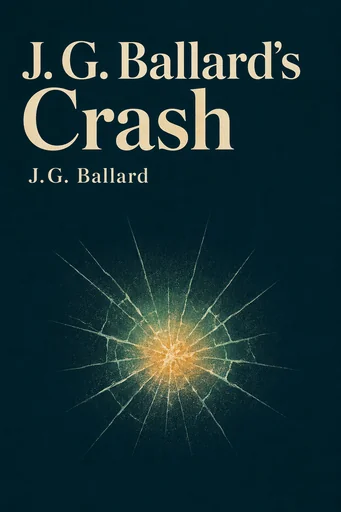
    J. G. Ballard's Crash
    Mythologies
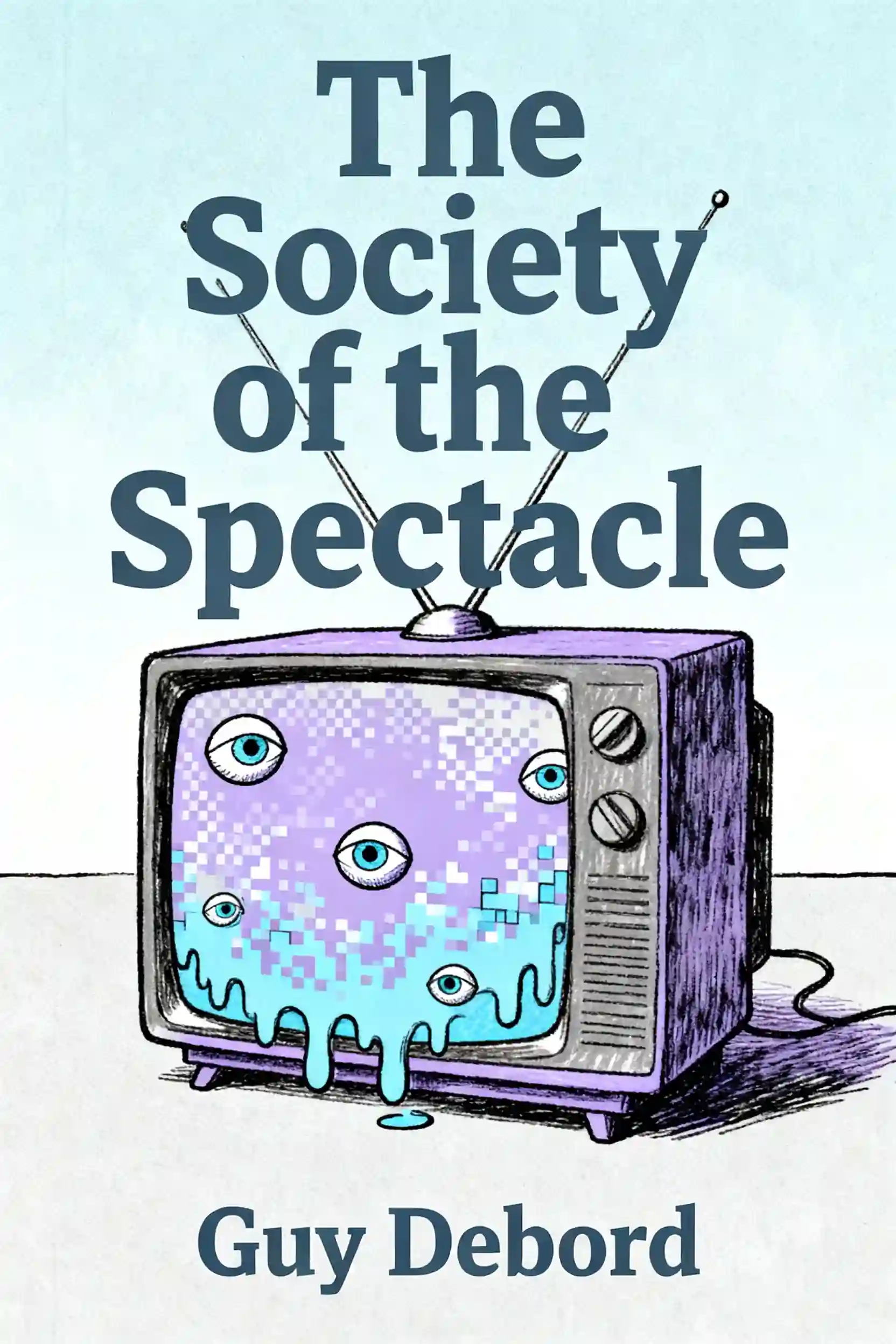
    The society of the spectacle
    Ways of seeing
    How to read Lacan
    The sublime object of ideology

    컬럼비아 대학교 동문들이 제작 | 샌프란시스코에서 개발

    BeFreed는 호기심 넘치는 글로벌 커뮤니티를 하나로 연결합니다

    4.7

    평균 평점

    앱 평가 7.84천 개 이상

    BeFreed 커뮤니티

    정말이지 아직 앱을 다 써 보지도 않았는데, 며칠 써 본 것만으로도 깊은 인상을 받았어요… BeFreed는 제가 써 본 어떤 학습 앱과도 차원이 달라요. 몰입감이 엄청나고 집중력도 실제로 좋아져서, 스마트폰을 하염없이 스크롤하는 분들께 딱이에요!

    @ladyInfinity

    정확히 23일 전에 BeFreed를 구입했는데, 그날부터 하루도 빠짐없이 쓰고 있어요. 제 일상 업무 흐름과 학습 습관에 완전히 자리 잡았어요.

    @jayallen

    솔직히 이 앱은 제 기대를 전부 뛰어넘었어요. 어떤 주제든 오디오로 만들어 달라고 할 수 있고, 결과물이 놀라워요. 제 전문 분야는 심리치료 쪽이고 여러 학문이 얽혀 있는데도 답변이 아주 정확해요.

    @Raguipa

    제일 고마운 건 스크롤하는 시간이 확 줄었다는 거예요. 검색하는 시간은 줄고 흡수하는 시간은 늘었어요. 오디오북 전권, 팟캐스트, 학습 플랜의 조합이 정말 훌륭해요.

    @colonyofcreatorsNGO

    저는 24년째 PhotoReading 속진 학습 강사로 일하고 있어요… 책과 독서, 배움이 제 전문인데, BeFreed는 정보를 소화하기 쉽게 전달하는 혁신적인 방식을 정말 잘 구현했어요.

    @BeFreed user

    단순한 책 요약 앱이 아니에요. '재미' 스타일을 써 봤는데, 전통적인 방식보다 훨씬 나은 요약이고 아이디어를 이해하기도 쉬워요. 이것만으로도 값어치를 해요.

    @austinakon

    이 앱이 정말 좋아요. 며칠 써 봤는데 듣는 걸 멈출 수가 없어요. 시작하기에 이보다 좋을 수 없어요.

    @jcrules328

    정말 마음에 들어요. 한 달 정도 써 봤는데 숨은 보석을 찾은 기분이에요. BeFreed로 제가 원하는 주제를 직접 만들 수 있어서 좋고, 목소리도 훌륭한 데다 내레이션 선택지가 무궁무진해요.

    @DanielCZ

    정말이지 아직 앱을 다 써 보지도 않았는데, 며칠 써 본 것만으로도 깊은 인상을 받았어요… BeFreed는 제가 써 본 어떤 학습 앱과도 차원이 달라요. 몰입감이 엄청나고 집중력도 실제로 좋아져서, 스마트폰을 하염없이 스크롤하는 분들께 딱이에요!

    @ladyInfinity

    정확히 23일 전에 BeFreed를 구입했는데, 그날부터 하루도 빠짐없이 쓰고 있어요. 제 일상 업무 흐름과 학습 습관에 완전히 자리 잡았어요.

    @jayallen

    솔직히 이 앱은 제 기대를 전부 뛰어넘었어요. 어떤 주제든 오디오로 만들어 달라고 할 수 있고, 결과물이 놀라워요. 제 전문 분야는 심리치료 쪽이고 여러 학문이 얽혀 있는데도 답변이 아주 정확해요.

    @Raguipa

    제일 고마운 건 스크롤하는 시간이 확 줄었다는 거예요. 검색하는 시간은 줄고 흡수하는 시간은 늘었어요. 오디오북 전권, 팟캐스트, 학습 플랜의 조합이 정말 훌륭해요.

    @colonyofcreatorsNGO

    저는 24년째 PhotoReading 속진 학습 강사로 일하고 있어요… 책과 독서, 배움이 제 전문인데, BeFreed는 정보를 소화하기 쉽게 전달하는 혁신적인 방식을 정말 잘 구현했어요.

    @BeFreed user

    단순한 책 요약 앱이 아니에요. '재미' 스타일을 써 봤는데, 전통적인 방식보다 훨씬 나은 요약이고 아이디어를 이해하기도 쉬워요. 이것만으로도 값어치를 해요.

    @austinakon

    이 앱이 정말 좋아요. 며칠 써 봤는데 듣는 걸 멈출 수가 없어요. 시작하기에 이보다 좋을 수 없어요.

    @jcrules328

    정말 마음에 들어요. 한 달 정도 써 봤는데 숨은 보석을 찾은 기분이에요. BeFreed로 제가 원하는 주제를 직접 만들 수 있어서 좋고, 목소리도 훌륭한 데다 내레이션 선택지가 무궁무진해요.

    @DanielCZ

    유용한 정보와 아이디어를 8~15분짜리 팟캐스트 스타일 오디오로 압축해서 들을 수 있다는 게 정말 좋아요. 원래 팟캐스트는 군더더기가 많아서 안 좋아했는데, 여기는 그걸 싹 걷어냈어요.

    @BeFreed user

    박사 과정을 마무리하는 중이라 낯선 자료를 많이 읽어야 해요… BeFreed에서는 프롬프트만 입력하면 앱이 자료를 찾아서 오디오 팟캐스트로 만들어 줘요. BeFreed의 과정이 NotebookLM보다 더 매끄럽게 느껴져요.

    @Brad

    아침을 준비하거나 산책하거나 출퇴근할 때 들을 것을 YouTube에서 자주 찾곤 했는데, BeFreed는 광고도 군더더기도 없이 훨씬 더 딱 맞는 걸 들려줘요!

    @BeFreed user

    이 플랫폼의 가장 큰 장점은 활용도예요. 다루지 못하는 주제가 말 그대로 하나도 없어요. 무엇을 던져도 다 소화해요… 제한이 전혀 없으면서 약속을 실제로 지키는 학습 도구는 정말 드물어요.

    @jayallen

    BeFreed는 환상적이에요. 디자인이 편해서 헤매는 시간은 줄고 배우는 시간은 늘었어요. 오디오북, 팟캐스트, 학습 플랜의 조합은 천재적이에요. 제 하루가 완전히 달라졌어요.

    @BeFreed user

    처음엔 이탈리아어로 팟캐스트를 만드는 방법을 이해하는 데 시간이 좀 걸렸는데, 알고 나니까 — 와! 정말 대단해요! 어떤 주제든 설명해 달라고 하면 정말 똑똑하게 잘 설명해 줘요!

    @matteo77

    BeFreed는 제가 매일 쓰는 오디오북 앱이 됐어요… 제일 마음에 드는 건 텍스트를 넣으면 이동 중에도 들을 수 있는 오디오로 만들어 준다는 점이에요.

    @kotanzu1

    유용한 정보와 아이디어를 8~15분짜리 팟캐스트 스타일 오디오로 압축해서 들을 수 있다는 게 정말 좋아요. 원래 팟캐스트는 군더더기가 많아서 안 좋아했는데, 여기는 그걸 싹 걷어냈어요.

    @BeFreed user

    박사 과정을 마무리하는 중이라 낯선 자료를 많이 읽어야 해요… BeFreed에서는 프롬프트만 입력하면 앱이 자료를 찾아서 오디오 팟캐스트로 만들어 줘요. BeFreed의 과정이 NotebookLM보다 더 매끄럽게 느껴져요.

    @Brad

    아침을 준비하거나 산책하거나 출퇴근할 때 들을 것을 YouTube에서 자주 찾곤 했는데, BeFreed는 광고도 군더더기도 없이 훨씬 더 딱 맞는 걸 들려줘요!

    @BeFreed user

    이 플랫폼의 가장 큰 장점은 활용도예요. 다루지 못하는 주제가 말 그대로 하나도 없어요. 무엇을 던져도 다 소화해요… 제한이 전혀 없으면서 약속을 실제로 지키는 학습 도구는 정말 드물어요.

    @jayallen

    BeFreed는 환상적이에요. 디자인이 편해서 헤매는 시간은 줄고 배우는 시간은 늘었어요. 오디오북, 팟캐스트, 학습 플랜의 조합은 천재적이에요. 제 하루가 완전히 달라졌어요.

    @BeFreed user

    처음엔 이탈리아어로 팟캐스트를 만드는 방법을 이해하는 데 시간이 좀 걸렸는데, 알고 나니까 — 와! 정말 대단해요! 어떤 주제든 설명해 달라고 하면 정말 똑똑하게 잘 설명해 줘요!

    @matteo77

    BeFreed는 제가 매일 쓰는 오디오북 앱이 됐어요… 제일 마음에 드는 건 텍스트를 넣으면 이동 중에도 들을 수 있는 오디오로 만들어 준다는 점이에요.

    @kotanzu1

    웹에서 BeFreed가 어떻게 논의되고 있는지 더 보기
    129.7K19.5K
    55.2K19.2K
    154.2K10827355
    48.1K2.5K
    81.2K6.6K
    82.3K1.8K
    지금 바로 학습 여정을 시작하세요
    BeFreed 앱
    BeFreed

    무엇이든 개인화된 학습

    DiscordLinkedIn
    추천 도서 요약
    Crucial ConversationsThe Perfect MarriageInto the WildNever Split the DifferenceAttachedGood to GreatSay Nothing
    인기 카테고리
    Self HelpCommunication SkillRelationshipMindfulnessPhilosophyInspirationProductivity
    유명인 추천 도서
    Elon MuskCharlie KirkBill GatesSteve JobsAndrew HubermanJoe RoganJordan Peterson
    수상작 컬렉션
    Pulitzer PrizeNational Book AwardGoodreads Choice AwardsNobel Prize in LiteratureNew York TimesCaldecott MedalNebula Award
    추천 주제
    ManagementAmerican HistoryWarTradingStoicismAnxietySex
    연도별 베스트 도서
    2025 Best Non Fiction Books2024 Best Non Fiction Books2023 Best Non Fiction Books
    추천 저자
    Chimamanda Ngozi AdichieGeorge OrwellO. J. SimpsonBarbara O'NeillWinston ChurchillCharlie Kirk
    BeFreed vs 다른 앱
    BeFreed vs. Other Book Summary AppsBeFreed vs. ElevenReaderBeFreed vs. ReadwiseBeFreed vs. Anki
    학습 도구
    Knowledge VisualizerAI Podcast Generator
    정보
    회사 소개arrow
    가격arrow
    FAQarrow
    블로그arrow
    채용arrow
    파트너십arrow
    앰배서더 프로그램arrow
    디렉토리arrow
    BeFreed
    Try now
    © 2026 BeFreed
    이용 약관개인정보 처리방침
    BeFreed

    무엇이든 개인화된 학습

    DiscordLinkedIn
    추천 도서 요약
    Crucial ConversationsThe Perfect MarriageInto the WildNever Split the DifferenceAttachedGood to GreatSay Nothing
    인기 카테고리
    Self HelpCommunication SkillRelationshipMindfulnessPhilosophyInspirationProductivity
    유명인 추천 도서
    Elon MuskCharlie KirkBill GatesSteve JobsAndrew HubermanJoe RoganJordan Peterson
    수상작 컬렉션
    Pulitzer PrizeNational Book AwardGoodreads Choice AwardsNobel Prize in LiteratureNew York TimesCaldecott MedalNebula Award
    추천 주제
    ManagementAmerican HistoryWarTradingStoicismAnxietySex
    연도별 베스트 도서
    2025 Best Non Fiction Books2024 Best Non Fiction Books2023 Best Non Fiction Books
    학습 도구
    Knowledge VisualizerAI Podcast Generator
    추천 저자
    Chimamanda Ngozi AdichieGeorge OrwellO. J. SimpsonBarbara O'NeillWinston ChurchillCharlie Kirk
    BeFreed vs 다른 앱
    BeFreed vs. Other Book Summary AppsBeFreed vs. ElevenReaderBeFreed vs. ReadwiseBeFreed vs. Anki
    정보
    회사 소개arrow
    가격arrow
    FAQarrow
    블로그arrow
    채용arrow
    파트너십arrow
    앰배서더 프로그램arrow
    디렉토리arrow
    BeFreed
    Try now
    © 2026 BeFreed
    이용 약관개인정보 처리방침

    비슷한 콘텐츠

    Snow crash 책 표지
    Snow crash
    Neal Stephenson
    28 min
    1984: Big Brother's Nightmare World Explained Simply 책 표지
    1984Nineteen Eighty-Four (1984)1984 by George Orwell - Summary and Themes | History HitNineteen Eighty-four | Summary, Characters, Analysis, & Facts
    6 sources
    1984: Big Brother's Nightmare World Explained Simply
    Miles and Eli break down Orwell's chilling masterpiece in everyday terms, exploring how a totalitarian government controls every thought, word, and emotion through surveillance, language manipulation, and psychological warfare.
    8 min
    Neuromancer 책 표지
    Neuromancer
    William Gibson
    Groundbreaking cyberpunk thriller that predicted our digital dystopia
    23 min
    Johnny Mnemonic: Cyberpunk Philosophy and Posthuman Identity 책 표지
    A Summary and Analysis of William Gibson's 'Johnny Mnemonic'source 2Gibson's Johnny Mnemonic: On human empowerment and controlJohnny Mnemonic | Encyclopedia.com
    6 sources
    Johnny Mnemonic: Cyberpunk Philosophy and Posthuman Identity
    University-level analysis exploring Gibson's prophetic 1981 story through themes of digital consciousness, corporate dystopia, commodified memory, and technological resistance. Deep dive into cyberpunk's philosophical architecture.
    11 min
    Simulacra and Simulation 책 표지
    Simulacra and Simulation
    Jean Baudrillard
    A philosophical exploration of how media and technology create hyperreality, blurring the lines between simulation and reality.
    24 min
    The Sirens of Titan: Vonnegut’s Nightmare Ages 책 표지
    The Sirens of Titan Chapter 1: Between Timid and Timbuktu Summary & Analysis | LitChartsKurt Vonnegut, The Sirens of Titan: Page by Page, Chapter by Chapter Review: Chapter 1, Between Timid and Timbuktu | Fred LybrandThe Sirens of Titan Chapters 1-2 Summary & Analysis | SuperSummaryThe Sirens of Titan Literary Devices | LitCharts
    4 sources
    The Sirens of Titan: Vonnegut’s Nightmare Ages
    Struggling to find meaning in a high-tech world? Explore Chapter 1’s critique of material success to discover why the real journey is always inward.
    894 min
    The Promethean Cycle: A History of Tech Panic 책 표지
    source 1| Marginal Revolution UniversityAbundance, Authority, and the Fear of RepetitionResistance to Early Mass Media
    9 sources
    The Promethean Cycle: A History of Tech Panic
    From the printing press to AI, innovation sparks dread. Discover why our fears rarely come true and how to navigate today's technological shifts.
    19 min
    Oryx and Crake 책 표지
    Oryx and Crake
    Margaret Atwood
    25 min

    Recommended Learning Plans

    The Rise and Fall of Glass Tires
    학습 계획

    The Rise and Fall of Glass Tires

    This exploration into Goodyear's mid-century innovation is essential for automotive enthusiasts and material scientists interested in the intersection of design and safety. It provides a unique case study on why some revolutionary engineering concepts fail to transition from the lab to the open road.

    45 m•2 섹션
    The Machinery of Global Crashes
    학습 계획

    The Machinery of Global Crashes

    Understanding the structural vulnerabilities of the global economy is essential for navigating today's volatile financial landscape. This plan is ideal for investors, policy enthusiasts, and professionals seeking to grasp how interconnected market forces and government levers precipitate large-scale crashes.

    1 h 36 m•4 섹션
    Read high-concept sci-fi exploring extremes
    학습 계획

    Read high-concept sci-fi exploring extremes

    High-concept science fiction pushes the boundaries of imagination, challenging readers to confront radical ideas about humanity's future and the nature of reality itself. This learning plan is ideal for readers seeking to move beyond conventional sci-fi narratives into more intellectually demanding works that explore consciousness, technological transcendence, and the outer limits of speculative thought.

    5 h 22 m•4 섹션
    The Culture: AI Minds and Human Purpose
    학습 계획

    The Culture: AI Minds and Human Purpose

    This plan explores the intersection of advanced technology and social philosophy through the lens of Iain M. Banks's universe. It is ideal for sci-fi enthusiasts, futurists, and ethicists interested in the long-term implications of AI governance.

    2 h•4 섹션
    The Architecture of Coded Reality
    학습 계획

    The Architecture of Coded Reality

    This plan is essential for thinkers who feel the world is a construct and seek to understand the mechanics behind it. It benefits those interested in the intersection of Gnosticism, psychology, and simulation theory who want to reclaim their agency.

    3 h•5 섹션
    Batman's Legal and Domestic Downfall
    학습 계획

    Batman's Legal and Domestic Downfall

    This plan is essential for those analyzing the intersection of extralegal justice and modern governance. It serves legal scholars, tech innovators, and public policy experts looking to replace volatile human vigilantism with stable, automated systems.

    1 h 15 m•3 섹션
    The Logic of Simulated Realities
    학습 계획

    The Logic of Simulated Realities

    As we approach the threshold of artificial superintelligence, understanding the structural logic of our reality becomes essential for future-proofing our ethics. This plan is designed for technologists, philosophers, and futurists who want to explore the profound implications of living in a world defined by bits rather than biology.

    2 h•4 섹션
    The Sumerian Takeoff and Collapse
    학습 계획

    The Sumerian Takeoff and Collapse

    This plan offers a deep dive into the foundational mechanics of the world's first civilization, examining the intersection of technology, environment, and governance. It is ideal for history enthusiasts, archaeology students, and systems thinkers interested in the rise and fall of complex societies.

    1 h 12 m•3 섹션