Are you being manipulated? Dr. Braiker's groundbreaking guide reveals the invisible strings controlling your life. Therapists worldwide recommend this psychological defense manual that transforms victims into empowered decision-makers. Discover why this New York Times bestselling author's approach has helped thousands reclaim their autonomy.
Harriet B. Braiker (1948–2004) was a bestselling author, clinical psychologist, and pioneering expert on stress management and interpersonal dynamics.
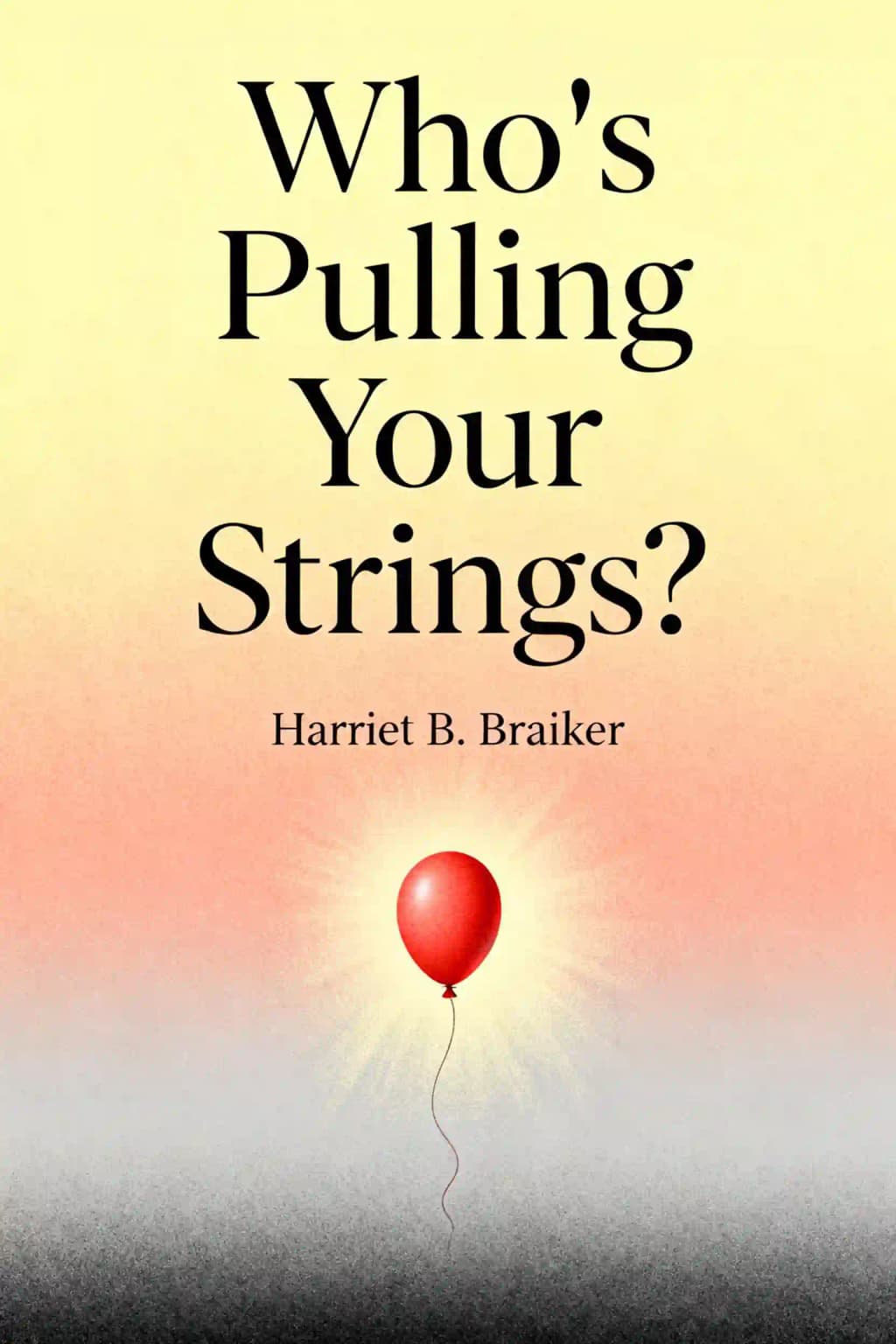
Her book Who’s Pulling Your Strings? How to Break the Cycle of Manipulation and Regain Control of Your Life draws from her 25-year career counseling patients in Los Angeles and her research on manipulation tactics. A UCLA-trained psychologist with a PhD in social and clinical psychology, Braiker became nationally recognized for her work on women’s stress, coining the term “Type E Woman” in her 1986 bestselling book The Type E Woman, which highlighted the unique pressures faced by women balancing careers and home life.
She frequently appeared on major media platforms like The Oprah Winfrey Show and The Today Show to discuss psychological wellness. Braiker’s other influential works include The Disease to Please and Lethal Lovers & Poisonous People, which explore similar themes of emotional health and boundary-setting.
Her books remain widely cited in psychology circles, with Who’s Pulling Your Strings? praised for its actionable strategies to combat manipulation. Braiker’s sudden passing in 2004 cut short a prolific career, but her insights on stress and interpersonal relationships continue to resonate in self-help literature.
Who's Pulling Your Strings? explores manipulation tactics in personal and professional relationships, teaching readers to identify controllers and reclaim autonomy. Dr. Braiker reveals how manipulators exploit vulnerabilities like people-pleasing tendencies, offering a three-step plan to break free using cognitive-behavioral techniques. The book combines psychological research with practical strategies to build boundaries and self-trust.
This book suits individuals struggling with codependency, workplace manipulation, or toxic relationships. It’s particularly valuable for chronic people-pleasers, those recovering from narcissistic partners, or professionals navigating office politics. Braiker’s insights also benefit therapists seeking frameworks to help clients assert boundaries.
Yes, the book provides actionable tools to dismantle manipulation cycles, backed by Braiker’s 25+ years as a clinical psychologist. Readers praise its clarity in diagnosing control tactics like guilt-tripping and gaslighting, with Goodreads reviewers calling it “eye-opening for recovering doormats”.
Key concepts include:
Both address people-pleasing, but Strings focuses on external manipulators, while Disease examines internal drivers. Braiker’s earlier work (Disease) diagnoses the problem; Strings offers combat strategies against those exploiting it.
Yes, it analyzes power dynamics in offices, teaching readers to neutralize tactics like sabotage or gaslighting. Braiker’s case studies include managers using false deadlines to pressure employees, with scripts to deflect such maneuvers.
Some reviewers argue Braiker oversimplifies manipulation as solely external, underestimating self-inflicted people-pleasing. Others note the EMPOWER method requires consistent practice—not a quick fix.
The book’s principles help combat modern manipulation like ghosting, social media guilt trips, or AI-driven phishing scams. Braiker’s emphasis on self-trust remains critical amid rising misinformation.
Drawing from clinical practice and corporate consulting, Braiker blends therapeutic rigor with real-world relevance. Her earlier work on Type-E stress (The Type E Woman) laid groundwork for analyzing societal pressures enabling manipulation.
Yes, the book includes self-assessments to identify manipulation susceptibility, journal prompts to track triggers, and role-play scenarios to practice assertive responses.
저자의 목소리로 책을 느껴보세요
지식을 흥미롭고 예시가 풍부한 인사이트로 전환
핵심 아이디어를 빠르게 캡처하여 신속하게 학습
재미있고 매력적인 방식으로 책을 즐기세요
Manipulation persists because it works.
Victims unwittingly participate in their own control.
Manipulation is about control-specifically, controlling someone through artful, unfair, or insidious means.
Anyone can become both manipulator and manipulated.
Who's pulling your strings?의 핵심 아이디어를 이해하기 쉬운 포인트로 분해하여 혁신적인 팀이 어떻게 창조하고, 협력하고, 성장하는지 이해합니다.
Who's pulling your strings?을 빠른 기억 단서로 압축하여 솔직함, 팀워크, 창의적 회복력의 핵심 원칙을 강조합니다.

생생한 스토리텔링을 통해 Who's pulling your strings?을 경험하고, 혁신 교훈을 기억에 남고 적용할 수 있는 순간으로 바꿉니다.
무엇이든 물어보고, 목소리를 선택하고, 진정으로 공감되는 인사이트를 함께 만들어보세요.

샌프란시스코에서 컬럼비아 대학교 동문들이 만들었습니다
"Instead of endless scrolling, I just hit play on BeFreed. It saves me so much time."
"I never knew where to start with nonfiction—BeFreed’s book lists turned into podcasts gave me a clear path."
"Perfect balance between learning and entertainment. Finished ‘Thinking, Fast and Slow’ on my commute this week."
"Crazy how much I learned while walking the dog. BeFreed = small habits → big gains."
"Reading used to feel like a chore. Now it’s just part of my lifestyle."
"Feels effortless compared to reading. I’ve finished 6 books this month already."
"BeFreed turned my guilty doomscrolling into something that feels productive and inspiring."
"BeFreed turned my commute into learning time. 20-min podcasts are perfect for finishing books I never had time for."
"BeFreed replaced my podcast queue. Imagine Spotify for books — that’s it. 🙌"
"It is great for me to learn something from the book without reading it."
"The themed book list podcasts help me connect ideas across authors—like a guided audio journey."
"Makes me feel smarter every time before going to work"
샌프란시스코에서 컬럼비아 대학교 동문들이 만들었습니다

Who's pulling your strings? 요약을 무료 PDF 또는 EPUB으로 받으세요. 인쇄하거나 오프라인에서 언제든 읽을 수 있습니다.
Ever felt that uncomfortable tug on your emotions? That subtle pressure to comply with someone's wishes against your better judgment? Manipulation exists in nearly every sphere of human interaction-from intimate relationships to workplaces, from family dynamics to friendships. What makes psychological manipulation particularly insidious is that victims unwittingly participate in their own control. Every compliance reinforces the toxic cycle, compromising self-esteem and emotional well-being. This creates a confusing internal state: you feel resentful and angry, yet simultaneously guilty for having these negative emotions. Harriet Braiker's groundbreaking work illuminates this shadowy world with compassionate precision, offering not just understanding, but practical tools to reclaim your autonomy.