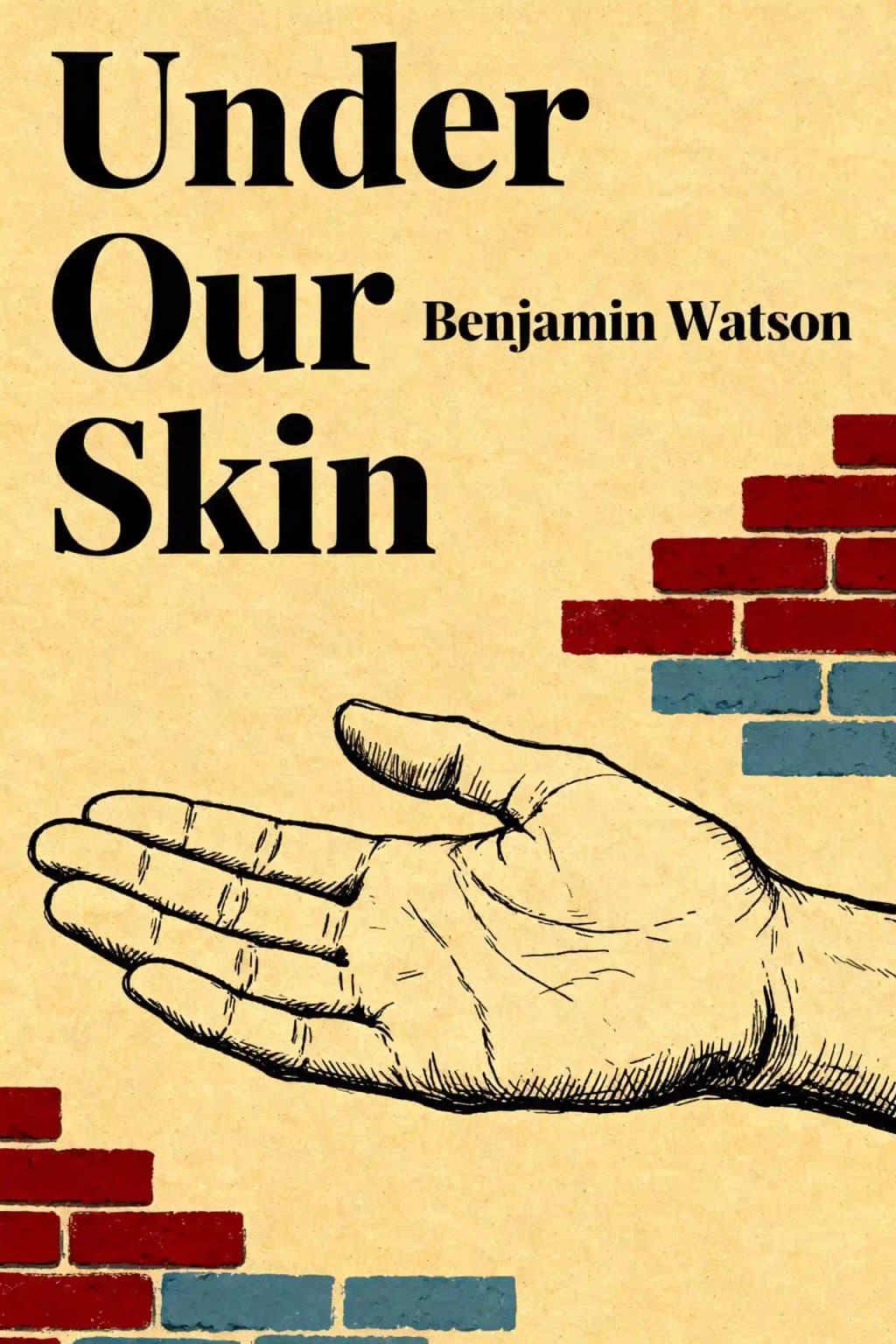
NFL star Benjamin Watson's raw examination of racial tensions sparked a national conversation across political divides. His faith-centered perspective on reconciliation earned praise from Tim Challies for being "measured, balanced, and downright helpful" in addressing America's most persistent social challenge.
Benjamin Seth Watson, author of Under Our Skin: Getting Real About Race—and Getting Free from the Fears and Frustrations That Divide Us, is a former NFL tight end, Super Bowl champion, and influential advocate for racial justice and faith-driven dialogue. A first-round draft pick who played 16 seasons with teams like the New England Patriots and Baltimore Ravens, Watson brings a unique perspective to discussions on race, drawing from his experiences as a Black athlete and Christian leader. His book blends memoir, cultural analysis, and biblical principles to address systemic inequities and personal responsibility.
A two-time Walter Payton NFL Man of the Year nominee and SEC Network analyst, Watson has expanded his impact through The New Fight for Life, his work as VP of Human Coalition, and the Watson 7 Foundation, which promotes family and community empowerment.
He frequently shares insights on platforms like the Sports Spectrum podcast and has been featured in outlets including The New York Times and ESPN. Under Our Skin became a trusted resource for faith-based conversations on race, reflecting Watson’s commitment to bridging divides through empathy and action.
Under Our Skin explores race, faith, and redemption through Benjamin Watson’s personal experiences and Christian perspective. It argues that racial strife stems from humanity’s inherent sinfulness, not superficial differences, and calls for introspection, empathy, and spiritual transformation to overcome divides. The book expands on Watson’s viral Facebook post about the 2014 Ferguson protests, blending raw emotions with hope rooted in biblical teachings.
This book is ideal for readers seeking a faith-based approach to racial reconciliation, Christians interested in social justice, and anyone grappling with systemic inequality. It resonates with those valuing personal storytelling and actionable insights for bridging racial divides through spiritual growth.
Yes, particularly for its candid exploration of race through a Christian lens. Watson’s blend of vulnerability, theological insight, and practical wisdom offers a unique perspective on addressing systemic issues. Critics praise its balance of personal narrative and call to collective action.
Watson frames race as a “heart issue,” emphasizing personal accountability over blame. He shares experiences as a Black man in America—from facing the N-word to systemic inequities—while urging unity through gospel-based love. The book avoids partisan rhetoric, focusing on mutual understanding and grace.
Watson’s Christian faith anchors his approach, viewing racial healing as inseparable from spiritual redemption. He argues that only by addressing shared sinfulness can society achieve lasting change, advocating for prayer, forgiveness, and church-led reconciliation efforts.
Some argue the book oversimplifies systemic racism by focusing on individual sin, potentially minimizing structural reforms. Others note its heavy reliance on Christian frameworks may limit appeal to secular audiences.
Watson’s themes remain relevant amid ongoing debates about police reform, affirmative action, and hate crimes. The book provides a blueprint for addressing tensions through empathy rather than polarization, aligning with 2025 discussions on faith-based activism.
As a former NFL player and outspoken advocate, Watson draws from his athletic career, parenthood, and activism. His unique position as a public figure bridges sports, faith, and social justice, lending credibility to his calls for dialogue.
Unlike academic works (Between the World and Me) or secular manifestos (How to Be an Antiracist), Watson’s book uniquely merges evangelical theology with racial justice. It complements titles like Jemar Tisby’s The Color of Compromise but emphasizes individual spiritual transformation over historical analysis.
저자의 목소리로 책을 느껴보세요
지식을 흥미롭고 예시가 풍부한 인사이트로 전환
핵심 아이디어를 빠르게 캡처하여 신속하게 학습
재미있고 매력적인 방식으로 책을 즐기세요
'There's always a ceiling.'
Black and white didn't matter.
Katie would like you if you were white.
Segregation persists in schools.
Destroying property confirms the worst stereotypes.
Under Our Skin의 핵심 아이디어를 이해하기 쉬운 포인트로 분해하여 혁신적인 팀이 어떻게 창조하고, 협력하고, 성장하는지 이해합니다.
Under Our Skin을 빠른 기억 단서로 압축하여 솔직함, 팀워크, 창의적 회복력의 핵심 원칙을 강조합니다.

생생한 스토리텔링을 통해 Under Our Skin을 경험하고, 혁신 교훈을 기억에 남고 적용할 수 있는 순간으로 바꿉니다.
무엇이든 물어보고, 목소리를 선택하고, 진정으로 공감되는 인사이트를 함께 만들어보세요.

샌프란시스코에서 컬럼비아 대학교 동문들이 만들었습니다
"Instead of endless scrolling, I just hit play on BeFreed. It saves me so much time."
"I never knew where to start with nonfiction—BeFreed’s book lists turned into podcasts gave me a clear path."
"Perfect balance between learning and entertainment. Finished ‘Thinking, Fast and Slow’ on my commute this week."
"Crazy how much I learned while walking the dog. BeFreed = small habits → big gains."
"Reading used to feel like a chore. Now it’s just part of my lifestyle."
"Feels effortless compared to reading. I’ve finished 6 books this month already."
"BeFreed turned my guilty doomscrolling into something that feels productive and inspiring."
"BeFreed turned my commute into learning time. 20-min podcasts are perfect for finishing books I never had time for."
"BeFreed replaced my podcast queue. Imagine Spotify for books — that’s it. 🙌"
"It is great for me to learn something from the book without reading it."
"The themed book list podcasts help me connect ideas across authors—like a guided audio journey."
"Makes me feel smarter every time before going to work"
샌프란시스코에서 컬럼비아 대학교 동문들이 만들었습니다

Under Our Skin 요약을 무료 PDF 또는 EPUB으로 받으세요. 인쇄하거나 오프라인에서 언제든 읽을 수 있습니다.
When New Orleans Saints tight end Benjamin Watson posted his raw, emotional thoughts about the Ferguson decision on Facebook in November 2014, he never expected to reach 800,000 people. His honest reflections-expressing anger, frustration, fear, sadness, and hope-resonated because they articulated what many Americans felt but couldn't express. Watson's perspective as a Black NFL player, father, and Christian offers a unique window into America's persistent racial challenges. His viral post evolved into "Under Our Skin," a book that explores how Americans with different skin tones relate to each other in a nation where racial tensions continue to simmer beneath the surface. What makes Watson's voice so compelling isn't that he has all the answers, but that he acknowledges the messy complexity of race in America while still seeking understanding and reconciliation. His journey takes us through personal experiences that reveal how deeply race is woven into the American fabric-and how we might begin to unravel its tangled threads.