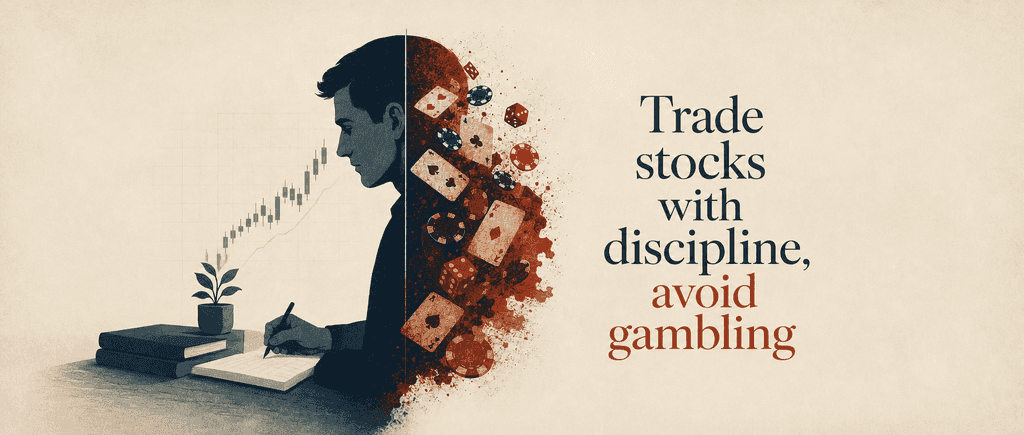
1장
Trading Psychology's Hidden Power: Mindfulness as the Ultimate Edge
Ever felt like you're your own worst enemy in the trading arena? You're not alone. In "Trade Mindfully," renowned trading psychologist Dr. Gary Dayton reveals why conventional wisdom about controlling emotions fails traders spectacularly. The book has become something of an underground classic among professional traders, with hedge fund managers and proprietary trading firms quietly recommending it to their teams. What makes this approach revolutionary is its counterintuitive premise: instead of trying to eliminate emotions, successful traders learn to work with them while maintaining focus on high-value actions. Drawing from cutting-edge neuroscience and performance psychology, Dayton offers a framework that transforms how traders interact with markets-and themselves. As legendary trader Paul Tudor Jones noted in a similar context, "The most important skill in trading isn't technical analysis-it's mastering your psychology."
2장
The Mental Battlefield: Why Traders Struggle Despite Knowledge
Trading presents a unique psychological challenge unlike any other profession. While many traders possess solid technical skills and market knowledge, they still fall prey to self-sabotaging behaviors-cutting winners short, holding losers too long, chasing trades, or freezing at critical moments. These aren't just technical mistakes but manifestations of deeper psychological patterns that can persist even after years of market experience.
The root of these issues lies in cognitive biases-mental blind spots that distort decision-making. Our brains operate with two distinct thinking systems: the intuitive mind (fast, automatic, effortless) and the deliberative mind (slow, analytical, effortful). Trading requires probability assessment and complex decision-making-tasks our intuitive mind handles poorly. Yet under pressure, we default to mental shortcuts that lead to predictable errors. This dual-system conflict becomes particularly acute during periods of market volatility or when personal stakes are high.
Consider the representativeness heuristic, where traders judge probability based on how closely a situation resembles a mental prototype. Zoe, an experienced trader, spotted a bullish engulfing candle pattern and immediately went long without checking the monthly chart, which showed a bearish Dark Cloud Cover pattern. By focusing solely on pattern recognition rather than comprehensive probability assessment, she substituted appearance for probability and suffered a loss. Another trader, Marcus, repeatedly bought breakouts in a ranging market because they "looked like" previous successful breakout trades, ignoring crucial differences in market context and volume patterns.
The recency effect causes traders to overweight recent events in their decision-making process. After a winning streak, traders often increase position size dangerously; after losses, they may withdraw from good opportunities. For instance, a fund manager who successfully predicted three market corrections might become overly bearish, missing substantial upside moves. Confirmation bias leads traders to seek information supporting their existing views while ignoring contradictory evidence - like focusing only on bullish news while holding a long position. The hindsight bias-the "I-knew-it-all-along effect"-prevents learning by making market movements seem more predictable than they were, leading to overconfidence in future predictions.
Perhaps most damaging is the endowment effect, where traders overvalue positions they already own. This explains why traders transform losing day trades into unwanted long-term investments, refusing to sell at reasonable prices because ownership dramatically affects perceived value. A day trader might enter a position planning to exit within hours but, when faced with a loss, suddenly "discover" fundamental reasons to hold the position for weeks or months.
These biases operate largely unconsciously, making them particularly difficult to overcome. Successful traders develop expertise through deliberate practice-structured training with clear feedback that gradually builds knowledge and skills. They learn to engage their deliberative mind rather than accepting the first intuitive solution, asking disconfirming questions and testing alternative hypotheses before committing capital. This might involve maintaining detailed trading journals, reviewing trades with mentors, and developing systematic processes to challenge their own assumptions before entering positions.
The most effective traders create decision frameworks that acknowledge these psychological challenges. They implement strict risk management rules, use position sizing formulas that account for recent performance without being overly influenced by it, and develop pre-trade checklists that force consideration of contrary evidence. Some even incorporate "cooling off" periods after significant losses or gains to ensure emotional equilibrium before returning to active trading.
3장
Fear: The Trader's Most Formidable Opponent
While cognitive biases create significant challenges, emotions-particularly fear-represent the most formidable obstacle for traders. In an SFO Magazine poll, fear was cited twice as frequently as greed or hope as the most difficult emotion to control. Even successful traders with decades of experience never become completely comfortable with uncertainty. Notable traders like Paul Tudor Jones and Stanley Druckenmiller have openly discussed their ongoing battles with fear, emphasizing that mastering emotions is a continuous journey rather than a destination.
Fear manifests in various forms, each presenting unique challenges to trading performance. Fear of being wrong challenges our ego and self-image, often leading traders to avoid taking necessary positions or to defend losing trades too long. Fear of losing money triggers loss aversion, causing traders to cut winning positions too early while holding onto losers. Fear of missing out (FOMO) drives impulsive entries, particularly during strong market moves or trending conditions. Fear of leaving money on the table causes traders to overstay positions, transforming winning trades into losses. These fears activate the fight-flight response through the amygdala-the brain's "panic button"-triggering physiological changes like racing heart, increased breathing, and muscle tension.
When this ancient survival mechanism activates during trading, our focus narrows to the perceived threat, making it difficult to think clearly or evaluate options. The brain doesn't distinguish between a charging tiger and a trading loss-both trigger the same biological cascade of neurochemicals, including cortisol, which blocks access to memories (including trading plans) while recording the stressful event for faster future responses. Research has shown that traders experiencing high stress levels show a 50% decrease in their ability to process market information effectively.
Emotional hijackings occur when emotions completely dominate decision-making, characterized by high arousal, intense feelings, and narrowed focus. During these episodes, traders become rigid in their responses, unable to take appropriate actions. Warren, a fundamentals-based fund manager who normally held positions for years, found himself day-trading futures during a market downturn. "Something came over me," he explained, describing how fear gripped him until he realized he'd abandoned his proven process. Similar experiences are reported by traders across all experience levels, with studies showing that even institutional traders can fall prey to emotional decision-making during periods of market stress.
Developing emotional intelligence-recognizing emotions in oneself and others, integrating emotional information in decision-making, understanding what emotions mean, and practicing self-management-helps traders navigate these challenges. Successful traders often implement specific protocols for managing fear, such as position sizing rules, pre-defined exit points, and regular meditation practices. The goal isn't eliminating fear and anxiety (which is impossible) but developing techniques to work effectively despite them. Research indicates that traders who acknowledge and work with their fears, rather than trying to suppress them, typically achieve better long-term results.
4장
The Control Paradox: Why Fighting Emotions Backfires
Traders naturally attempt to control unwanted emotions like fear and anxiety, believing this approach reasonable and necessary for success. However, these conventional coping mechanisms-improving technical trading skills, avoiding losses, and exercising psychological control-often backfire spectacularly, creating a self-reinforcing cycle of struggle and disappointment.
Many traders seek more information to reduce anxiety, mistakenly believing additional data will improve outcomes and provide certainty. A landmark study with horse race handicappers demonstrated that while accuracy remained unchanged with increased information (from 5 to 40 data points), confidence grew substantially - from 17% to 31%. This false confidence can lead to overtrading and confirmation bias, where traders selectively interpret data to support existing positions. Complex trading systems frequently create "analysis paralysis" with conflicting signals, ultimately undermining confidence rather than building it. For example, a trader might layer multiple technical indicators, only to find that moving averages, RSI, and MACD provide contradictory signals, leading to decision paralysis.
Loss aversion-our tendency to feel losses more intensely than equivalent gains-creates rigid behaviors that paradoxically reduce profits and increase losses. Research shows that the psychological impact of a loss is approximately twice as powerful as the pleasure from an equivalent gain. The disposition effect-cutting winners short and letting losers run-is so pervasive it's legendary in behavioral finance. Terrance Odean's comprehensive study of 10,000 trading accounts showed investors were 50% more likely to realize gains than losses, with the average investor holding losing stocks 124% longer than winning ones. This affects all trader types across multiple cultures, though experienced traders show reduced tendencies through deliberate practice and awareness.
Perhaps most damaging is the "control agenda"-our culturally reinforced belief that we must eliminate uncomfortable thoughts and feelings before we can succeed. This approach is counterproductive, creating an "ironic psychological process" where suppression causes unwanted thoughts to intrude more frequently - often at crucial decision points. Studies show that attempting to suppress thoughts can increase their frequency by up to 600%. Having strong emotions isn't weakness-even heroes like Captain Chesley Sullenberger, who landed Flight 1549 in the Hudson River, experienced intense fear. The difference was that instead of fighting his emotions, he focused on the high-value actions needed to land safely while having those feelings, demonstrating that peak performance can coexist with strong emotions.
When we inventory our control strategies, we typically find they provide temporary emotional relief but come at tremendous costs: missed trades, forfeited profits, diminished self-confidence, and stalled development as traders. Common counterproductive control strategies include excessive paper trading, over-optimization of trading systems, and refusing to take trades after losses. This creates a double-edged sword of both emotional discomfort and the pain of watching opportunities slip away while caught in the struggle for emotional control. Research indicates that traders who accept rather than suppress their emotions make better decisions and show improved long-term performance, with studies showing up to 30% better risk-adjusted returns among traders who practice emotional acceptance versus suppression.
5장
The Necessity of Emotions in Trading
Contrary to popular trading wisdom, emotions are essential to effective trading. The remarkable case of Phineas Gage from 1848 demonstrates why emotions are crucial for decision-making. After surviving an accident where an iron rod shot through his skull, Gage retained his intelligence but lost all self-control, becoming impulsive and unable to function normally. His injury had damaged his prefrontal cortex, the brain region that processes emotions for decision-making. Without emotional processing, he couldn't make rational personal decisions-demonstrating that emotions are vital to sound judgment.
Antonio Damasio developed the somatic marker hypothesis, explaining how emotions manifest as bodily states that "mark" certain choices as preferable in decision-making. Our brain stores associations between events and their emotional impact, creating preferences that guide future decisions without requiring conscious analysis. Research shows that without emotional input, decision-making becomes chaotic and ineffective.
Studies by Edmund Rolls reveal emotions are crucial for decision-making, especially regarding reward and punishment behaviors. Without emotions, traders would be unable to adapt to changing market conditions, continuing failed strategies despite mounting losses. The Iowa Gambling Task experiments demonstrated this further-participants with intact emotional processing avoided high-risk decks and showed anticipatory skin conductance responses before making risky selections, while brain-damaged participants continued selecting disadvantageous decks despite severe penalties.
Research with professional traders by Lo and Repin found emotional responses are significant in processing financial risks, with experienced traders showing moderated but still present emotional reactions, especially during market volatility. London trader studies revealed successful traders didn't eliminate emotions but used them as information, while less accomplished traders tried avoiding emotions entirely.
Pfister and Bohm's research demonstrates emotions aren't signs of irrationality but integral components of rational decision-making. They serve four essential functions in trading: providing information for evaluating options, enabling rapid decision processing when time is critical, focusing attention on relevant data, and helping traders commit to decisions once made.
While emotions serve positive functions, strong emotions can overwhelm traders and negatively impact performance. The key is becoming more accepting of our emotions rather than fighting them, which only gives unpleasant emotions additional strength. Regular exercise proves remarkably effective against strong feelings, elevating serotonin (creating calm), increasing GABA and ATP (restraining the fight-flight response), reducing muscle tension, lowering blood pressure, and resetting our stress threshold.
6장
Mindfulness: The Trader's Psychological Edge
Effective trading requires confronting significant psychological challenges that our minds, biology, and genes aren't naturally suited for. Simple solutions like trying to eliminate emotions don't work and often compound our troubles. We need a fundamentally different approach to trading psychology.
Mindfulness-present moment awareness with an open, unbiased, accepting attitude-offers this different kind of thinking. It teaches traders defusion-seeing thoughts and feelings as passing events rather than demands for response. When not mindful, we easily get "hooked" by thoughts and emotions, following mental paths disconnected from reality. Mindfulness helps us recognize these as mere internal events, typically reflecting past experiences or future projections rather than present truth.
This creates space between having a thought/feeling and reacting to it-a mental space where traders can let go of performance-disrupting internal events while broadening their response options. Like Captain Sullenberger landing Flight 1549, mindful traders can experience fear without being derailed from taking necessary actions.
The science supporting mindfulness is compelling. Research across 163 high-quality studies found substantial positive effects in healthy people across 21 psychological indicators. The largest benefits were in reducing anxiety and negative emotions, with significant positive impacts on interpersonal relationships, perception, stress, and attention. These effects were comparable to proven psychotherapeutic treatments and extended "far beyond" simple relaxation techniques.
Neuroscience research shows that mindfulness meditation physically changes the brain. Studies revealed that meditation practice results in emotion regulation through actual physical and chemical changes in brain structures. Just 27 minutes of daily mindfulness practice over eight weeks significantly increased gray matter in brain regions involved in memory formation, awareness, perception, emotion regulation, and stress modulation. Mindfulness meditation actually reduced gray matter in the amygdala as stress decreased-critical for traders since the amygdala drives fear responses and loss aversion.
Experienced meditators show significantly less activity in brain areas associated with mind wandering. They develop stronger connections between brain regions associated with self-monitoring and cognitive control, enabling them to notice when thoughts drift off-task and quickly return attention. Remarkably, mindfulness meditation can even alter genetic expression, with measurable epigenetic changes that improve cortisol recovery after stress-molecular evidence that mindfulness directly influences how our genes respond to stressful situations.
7장
Practical Mindfulness for Traders
The basic mindfulness practice involves sitting comfortably, focusing on your breath, and gently returning attention to breathing whenever your mind wanders. This develops the mental muscle to maintain focus on trading tasks rather than getting trapped in fabricated mental stories.
For effective practice, start with 5-10 minutes daily in an undisturbed space, gradually building to 30 minutes. Early morning before trading often works well. The goal isn't controlling thoughts but developing awareness of them, allowing you to respond more deliberately to market conditions rather than reacting to mental projections.
Various mindfulness exercises can help develop your practice based on personal preference. Mindful listening directs attention to sounds in your environment without labeling or judging them. The "Leaves On a Stream" exercise helps traders shift from identifying with thoughts to observing them by visualizing placing each thought on a leaf and watching it drift downstream. "Who Is Noticing Your Noticing?" develops both focused concentration and broader awareness while strengthening your "observer self."
After learning mindfulness techniques, traders should begin incorporating them into their trading practice gradually. Start with less challenging situations like pre-trade checklists, where you can center yourself, take a few breaths, and mindfully evaluate how the market meets your trade criteria. Notice when your mind wanders into the future or past, and gently bring focus back to qualifying the current trade against your established criteria.
Defusion-creating distance from our thoughts and seeing them as temporary mental events rather than absolute truth-is an advanced mindfulness skill particularly valuable for traders. When fused with thoughts like "I could have a loss on this trade," traders abandon their trading plans to escape emotional discomfort rather than responding to what the trade objectively requires.
Defusion techniques include tracking feelings and thoughts throughout the day to recognize their temporary nature, holding thoughts at a distance (visualized by moving interlocked fingers from close to your face to arm's length), labeling thoughts as they arise ("Ah, a thought"), adding the phrase "I am having the thought that..." before any thought, and visualizing troublesome thoughts as words on a screen with a bouncing ball highlighting each syllable.
8장
The Trading Psychology Process: Before-During-After
Mindfulness alone isn't enough-traders need a structured process to systematically improve performance. The Before-During-After framework provides this structure, dividing trading activities into three distinct timeframes: High-Quality Preparation (Before), Effective Execution (During), and Constructive Self-Assessment (After).
High-Quality Preparation encompasses four mental skills: Perspective (balancing trading with other life roles and maintaining a probabilistic mindset), Personal Awareness (understanding your current strengths and limitations), Self-Motivation (committing to process-oriented SMART goals), and Mental Discipline (adhering to your trading plan and process).
The Daily Mission concept-a brief statement about your performance goal for the day-supports mental discipline. Examples include "Take every trade that meets my plan" or "Stay focused; no distractions." These simple directives should focus on process rather than results and be limited to one or two per day.
Effective Execution centers on four psychological domains: Self-Confidence (derived from acquired knowledge, developed skills, and application ability rather than outcomes), Emotional Intensity (trading at an optimal level of emotional energy), Focus of Attention (maintaining attention on high-value actions and quickly regaining it when lost), and Poise (acting in accordance with goals and values despite uncomfortable thoughts and feelings).
When traders lose poise, they can use specific mental routines to regain composure, such as the five-step routine: (1) What's important? - recall your values; (2) What are my choices? - consider your options; (3) Can I accept my feelings? - make room for emotions while engaging critical thinking; (4) Can I respond, not react? - choose deliberate action over emotional reaction; (5) How will I feel later? - consider future perspective.
Constructive Self-Assessment completes the cycle, requiring traders to honestly evaluate their performance after trading concludes. This involves maintaining healthy self-esteem (remaining positive yet humble regardless of outcomes), taking performance accountability (tracking adherence to trading plans and processes), persevering through adversity (working tirelessly toward goals despite setbacks), and committing to continuous improvement (systematically transforming limitations into strengths).
The Trader's Performance Assessment tool examines four key questions: identifying strong points and why they were strengths; recognizing limitations and why they were limitations; articulating what was learned; and determining steps to take based on these lessons. This structured approach helps traders develop SMART process goals focusing on one or two developmental needs at a time.
9장
The Mindful Trader's Path to Excellence
The integration of mindfulness with the Before-During-After trading psychology process creates a powerful framework for trading excellence. Mindfulness trains the mind to be aware of thoughts and emotions, showing us we have choices in how we respond to market conditions. This awareness becomes particularly crucial during high-stress market events, where emotional reactions can override logical decision-making. The trading psychology process provides structure for continuous improvement, helping traders systematically develop high-value mental skills and actions through consistent practice and reflection.
Unlike professional athletes who have structured improvement programs with coaches and support staff, most traders must create their own development framework. The Before-During-After cycle provides this essential structure, guiding traders through identifying developmental needs, creating SMART process goals, implementing changes during trading, evaluating results, and refining strategies accordingly. For example, a trader might identify emotional reactivity to losses as an area for improvement, set specific goals for maintaining composure during drawdowns, implement breathing techniques during trading sessions, and evaluate their effectiveness through detailed journaling.
The epitome of perseverance is deliberate practice-highly focused training that pushes you beyond your comfort zone. This "deep practice" involves working alone, receiving immediate feedback, and repeatedly attempting to improve specific skills. Research shows this is the single most important factor in developing mastery in performance-based activities like trading. Successful traders often spend hours reviewing charts, analyzing past trades, and practicing their execution in simulation accounts before risking real capital.
Trading success ultimately comes from deeply knowing a trade setup-understanding favorable market conditions, price action patterns, indicator behavior, and potential profit targets. While early exploration of different technical methods is necessary, continuously jumping between indicators becomes counterproductive. A master trader might spend years perfecting their understanding of just a few key setups, learning to recognize subtle nuances that others miss. Intensity of effort is crucial-maintaining focused attention during practice periods without distraction, often using techniques like time-blocking and environmental controls to enhance concentration.
The mindful trader recognizes that unwanted emotions don't necessarily predict losing trades and that thoughts don't always reflect reality. For instance, anxiety before entering a well-planned trade might actually indicate heightened awareness rather than a warning sign. By pulling back from thoughts rather than buying into them and engaging the deliberative mind rather than allowing the intuitive mind to operate through heuristics and cognitive biases, traders can achieve a level of performance that was previously unattainable. This might involve practices like maintaining a pre-trade checklist, recording emotional states during trading, and regular meditation sessions.
Start with small, incremental steps that quickly add up - perhaps beginning with just five minutes of mindfulness practice before each trading session. Keep an open mind to learn new things about yourself and your trading, treating each day as a fresh opportunity for growth. Have compassion when things don't go as planned, understanding that setbacks are natural parts of the learning process. Keep your values as your beacon, whether they're focused on consistent profitability, work-life balance, or contributing to a larger purpose. Practice mindfulness regularly through techniques like breathing exercises, body scans, and present-moment awareness, and trade mindfully by maintaining emotional equilibrium and strategic focus to achieve optimum trading performance and excellence.