1장
Nurturing the Whole Brain: The Science of Raising Resilient Children
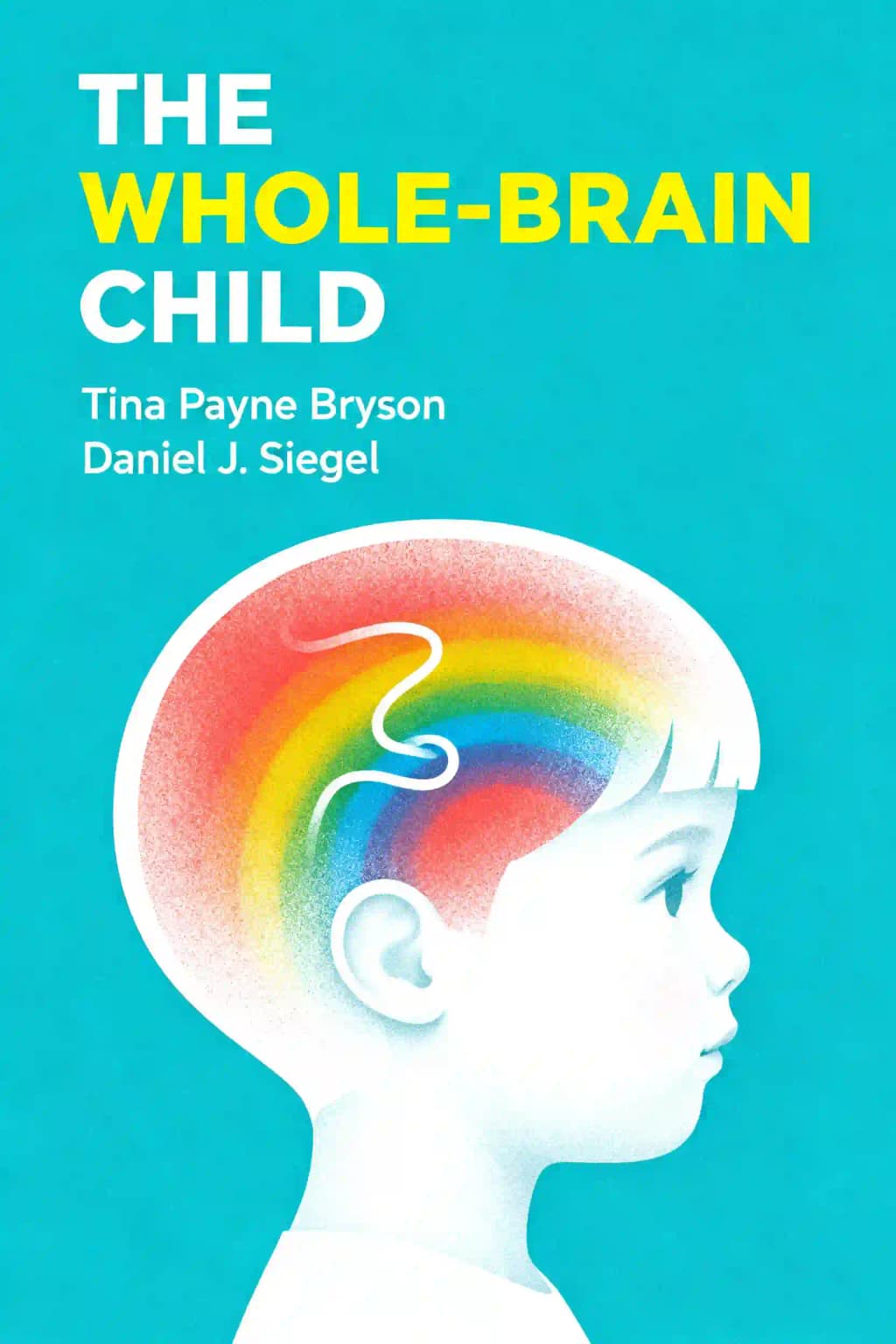
Ever found yourself in a parenting moment where you're just trying to survive? When your sleep-deprived brain is counting the minutes until bedtime while your children bicker over who gets the last cookie? What if those challenging moments weren't just obstacles to endure but opportunities to help your children thrive? This groundbreaking approach to parenting has transformed millions of families worldwide, including those of celebrities like Jennifer Garner and Pink, who have publicly endorsed these methods. Since its publication in 2011, "The Whole-Brain Child" has been translated into 26 languages and spent over 120 weeks on bestseller lists, revolutionizing how we understand children's developing minds. Authors Daniel J. Siegel and Tina Payne Bryson offer a refreshing alternative to achievement-obsessed parenting, focusing instead on nurturing children's natural resilience and authentic selves through understanding how their brains actually work.
2장
The Brain's Architecture: Understanding Your Child's Mind
Our children's brains are incredibly complex, yet most parents know surprisingly little about how they function-despite the brain's central role in virtually everything our children do, think, and feel. Understanding basic brain architecture can transform how we respond to challenging behaviors and help our children develop resilience. This knowledge becomes particularly crucial during key developmental stages, from infancy through adolescence.
Think of the brain as having two distinct but interconnected parts. The "downstairs brain" includes primitive structures like the brain stem and limbic regions that handle basic functions, instinctual reactions, and strong emotions. This is where fight-or-flight responses originate, along with basic survival functions like breathing, hunger, and sleep cycles. The "upstairs brain"-particularly the middle prefrontal cortex-is where sophisticated thinking happens: decision-making, emotional control, empathy, self-understanding, and morality. This region also controls executive functions like planning, impulse control, and problem-solving.
Here's what makes parenting so challenging: while the downstairs brain is well-developed at birth, the upstairs brain remains under construction until the mid-twenties. It's like having a house with a fully furnished first floor but an incomplete second floor with patches of sky visible through the unfinished roof. This biological reality explains why children struggle with skills like decision-making and emotional regulation-they're dependent on brain structures still being built. For instance, a six-year-old might understand that hitting is wrong but still lash out when frustrated because their impulse control centers aren't fully developed.
Additionally, the amygdala-an almond-shaped structure in the downstairs brain-acts as a watchdog that can completely hijack the upstairs brain when it senses danger. When your three-year-old erupts because there are no orange popsicles, his primitive brain receives an energy surge that makes rational thought impossible. The same process occurs during other emotional triggers: separation anxiety, fear of the dark, or conflicts with siblings. During these moments, stress hormones flood the system, making it physically impossible for children to access their rational thinking skills.
This knowledge transforms how we respond to children's behavior. Rather than seeing tantrums as manipulation requiring punishment, we can recognize when a child's upstairs brain has been hijacked by their downstairs brain. When this happens, we need to help them regain emotional balance before attempting any teaching or discipline. Only when the upstairs brain comes back online can learning occur. This might involve techniques like deep breathing, physical comfort, or simply waiting out the storm while maintaining a calm presence. Understanding brain development also helps us set realistic expectations: we wouldn't expect a toddler to regulate emotions like a teenager, just as we wouldn't expect a seven-year-old to drive a car.
The brain's architecture continues to evolve throughout childhood, with different regions maturing at different rates. The teenage years bring another significant period of brain reorganization, explaining why adolescents might seem emotionally volatile while simultaneously developing sophisticated reasoning abilities. By understanding these developmental patterns, parents can better support their children's growing minds and emotional well-being.
3장
Integration: The Key to Emotional Health and Resilience
Integration is the foundation of emotional health and the key concept for understanding how to help children thrive. Simply put, integration means linking different parts of the brain - such as the logical left hemisphere with the emotional right hemisphere, or the primitive lower brain with the sophisticated upper brain - to work together as a coordinated whole. When children's brains aren't integrated, they become overwhelmed by their emotions and can't respond capably to situations, leading to meltdowns, withdrawal, or aggressive behavior.
Think of mental health as staying in a "river of well-being." When we're in this river, we have clear understanding of ourselves and others, can be flexible in our responses, and feel at peace with our experiences. But we can veer toward two problematic banks: chaos (feeling out of control, overwhelmed by emotions) or rigidity (becoming inflexible, imposing too much control, unable to adapt). These banks represent the extremes that can derail healthy development and learning.
Many parenting challenges occur when kids aren't in the flow-they're either too chaotic or too rigid. A three-year-old refusing to share a toy shows rigidity; erupting into crying and throwing sand demonstrates chaos. Older children can zigzag between both states, like a fifth-grader crying hysterically over not getting a solo while stubbornly refusing to acknowledge others' talents. Teenagers might swing from complete emotional shutdown to explosive outbursts within minutes.
The brain's "plasticity" means it's constantly being rewired through experience, forming new neural connections based on daily interactions and experiences. Parents can actively shape their child's developing brain through the experiences they provide and how they help children process these experiences. Integration helps children use their whole brain in coordinated ways, resulting in improved decision-making, better emotional control, fuller self-understanding, stronger relationships, and school success. This process is particularly crucial during periods of stress or significant change.
For example, when two-year-old Marco experienced a car accident with his babysitter who had a seizure, his mother Marianna helped him process the trauma by allowing him to repeatedly retell the story. Rather than distracting him with ice cream or telling him to forget about it, she validated his experience and helped him understand what happened. By acknowledging his fears about his babysitter ("Eea") being taken away in an ambulance ("woo woo"), Marianna helped Marco process the frightening experience until it became just another life experience rather than an overwhelming trauma. She also used drawing and play to help him express his feelings and make sense of the event.
This integration process doesn't mean frantically filling every experience with significance, but being present to help children connect different parts of their brain during everyday moments. Simple activities like discussing emotions during storytime, playing games that require both thinking and feeling, or helping children name their experiences while they're happening all contribute to integration. Parents can create "integration moments" during regular activities like meal times, bedtime routines, or car rides, helping children develop a more cohesive sense of self and their experiences.
The goal is to help children develop the neural pathways that allow them to access both their emotional and rational capacities, leading to more balanced responses to life's challenges. When children achieve this integration, they're better equipped to navigate social relationships, academic challenges, and emotional upheavals with resilience and wisdom.
4장
Left Brain, Right Brain: Creating Balance in Your Child's Mind
The brain's two hemispheres function very differently, and helping them work together creates balance in children's lives. The left brain loves order and is logical, literal, linguistic, and linear-it processes information sequentially and loves lists and words. The right brain is holistic and nonverbal, specializing in interpreting facial expressions, eye contact, tone of voice, posture, and gestures. It focuses on the big picture, images, emotions, and personal memories, giving us "gut feelings."
Very young children are right-hemisphere dominant, especially during their first three years. They live completely in the moment and haven't mastered using logic and words to express feelings. When toddlers begin constantly asking "Why?" it signals the left brain beginning to develop, as it seeks to understand cause-effect relationships and express logic through language.
For balanced, meaningful lives with connected relationships, both hemispheres must work together. The corpus callosum connects the right and left hemispheres, allowing them to function as a team. "Horizontal integration" enables children to value both logic and emotions, understanding themselves and the world more completely.
Problems arise when we operate primarily from one side. Using only the right brain creates an "emotional flood" where feelings overwhelm logic, like four-year-old Katie's separation anxiety at preschool. Conversely, relying solely on the left brain creates an "emotional desert" where feelings are ignored, as seen in twelve-year-old Amanda who intellectualized a painful friendship breakup while her body language revealed her true emotions.
When children are upset and irrational, logical responses often fail. The "connect and redirect" approach involves first connecting with the emotional right brain before engaging the logical left brain. When Tina's seven-year-old erupted with illogical complaints about notes, birthdays, and homework, she resisted the urge to defend herself logically. Instead, she connected right-brain to right-brain by holding him close, rubbing his back, and acknowledging his feelings with a nurturing tone. Only after he felt understood did she redirect with left-brain logic to address his concerns.
This approach works because when a child experiences a right-brain emotional flood, logic won't work until emotional needs are met. "Attunement" creates this deep connection, allowing the child to "feel felt." This isn't permissiveness-boundaries still matter-but discipline becomes more effective once the child is calmer and both hemispheres are engaged.
5장
The Power of Storytelling: How Narrative Heals the Brain
When children experience difficult events, storytelling helps them process emotions by engaging both brain hemispheres. The right brain processes emotions and memories, while the left brain makes sense of these feelings through words and logic. Research shows that simply naming feelings actually calms emotional circuitry in the right hemisphere.
This explains why Marco's mother helped him tell the story of his frightening experience with his babysitter's seizure. By repeatedly narrating what happened, Marco's brain integrated the emotional experience with logical understanding, transforming a potentially traumatic event into a manageable memory.
Thomas used this approach with his preschooler Katie, who feared school after getting sick there. By helping her tell the story of what happened-from wearing red pants and eating waffles to getting sick and being cared for-he helped her integrate both sides of her brain. Similarly, Laura helped her ten-year-old son Jack process his bike accident by drawing out his story, letting him take an active role in recounting the experience.
Parents should strategically time these conversations-children often share more while engaged in activities rather than in face-to-face talks. Drawing or writing can help reluctant talkers. The storytelling process helps children understand why things happen, putting events in order and assigning words to feelings.
This narrative approach works because memory isn't a mental file cabinet where experiences are stored intact. Instead, memory works through associations-the brain processes current experiences by linking them with similar past experiences. When neurons fire together during an experience, they "wire together," creating associations that influence how we perceive and respond to situations.
Every time we retrieve a memory, we alter it. What we recall may approximate what happened, but the very act of recollection changes the memory, sometimes significantly. Our state of mind when encoding and recalling memories influences how we remember events, which is why siblings often disagree about how something happened.
By helping children transform implicit memories (unconscious emotional reactions) into explicit memories (conscious recollections), parents enable them to understand their experiences, gain control over their responses, and become active authors of their own life stories. This integration process is crucial for healing and growth, allowing children to overcome the lingering effects of difficult past experiences.
6장
Exercising the Upstairs Brain: Building Essential Life Skills
The upstairs brain develops like a muscle-it strengthens with use and weakens when ignored. Parents should intentionally provide opportunities for children to exercise different upstairs brain functions through daily interactions and structured activities. For sound decision-making, let children make age-appropriate choices rather than always deciding for them. Simple options for young children ("blue shoes or white shoes?" or "apple slices or orange segments for snack?") can progress to more complex dilemmas for older kids, like choosing between conflicting activities, managing an allowance, or deciding how to divide their homework time between subjects.
When disciplining children, consider which part of their brain you're appealing to. Engaging the upstairs brain rather than triggering the downstairs brain can transform challenging parenting moments into opportunities for growth. Tina shares how she handled her defiant four-year-old making faces at a restaurant: instead of issuing threats that would activate his reactive reptilian brain, she connected with his emotions ("You look angry") and encouraged problem-solving by suggesting he negotiate with his father about how much quesadilla to eat before dessert. The boy's counteroffer of "ten bites" actually exceeded the original requirement of eating half, and the situation resolved peacefully. Similar approaches can work in various situations, from bedtime battles to sibling conflicts.
This approach doesn't mean abandoning parental authority-sometimes "no" simply means "no," particularly in matters of safety or non-negotiable family values. But by engaging the upstairs brain through questions, negotiation, and problem-solving, we help children develop crucial skills for life. When parents ask "Convince me" or "Come up with a solution that works for both of us," children practice decision-making and considering others' perspectives, strengthening their upstairs brain rather than triggering downstairs reactions. Parents can create regular opportunities for such problem-solving, like family meetings where children help establish household rules or resolve conflicts.
For emotional control, teach specific techniques like deep breathing exercises, counting to ten, using "pause buttons," or expressing feelings through "I statements." Create a calm-down corner with tools like stress balls, drawing materials, or emotion cards. Foster self-understanding by asking reflective questions: "Why do you think you made that choice?" "How will you handle homesickness at camp?" or "What could you do differently next time?" Journaling, drawing, or creating emotion maps can help children explore their internal landscape and track their emotional patterns over time.
Develop empathy by encouraging children to consider others' feelings during everyday encounters: "Why do you think that baby is crying?" "How might that character be feeling?" or "What could we do to help your friend who's having a hard day?" Use real-world situations, books, and movies as springboards for discussions about emotions and perspective-taking. Finally, build morality through ethical discussions and hypothetical situations that challenge children to think about right and wrong beyond their own needs. Present age-appropriate ethical dilemmas, discuss current events from multiple perspectives, and encourage children to consider the broader impact of their choices. All these practices strengthen the upstairs brain, laying the foundation for emotional intelligence, sound decision-making, and strong interpersonal relationships throughout life.
7장
The Mind's Remote Control: Teaching Children to Manage Emotions
Children need to understand that emotions are temporary states, not permanent traits-like weather patterns that eventually pass. This concept can be difficult for kids who, when hurting or scared, struggle to imagine they won't always feel that way.
Parents should help children recognize that emotions typically last only about ninety seconds. By understanding the fleeting nature of feelings, children develop the ability to say "I'm not dumb; I just feel dumb right now." This awareness helps them avoid getting stuck in negative emotional states and make decisions from a calmer mental place.
Mindsight involves understanding our own mind and others' minds. The wheel of awareness model pictures the mind as a bicycle wheel-the rim represents everything we can pay attention to (thoughts, feelings, memories, perceptions), while the hub is our awareness center (the prefrontal cortex).
This model helped eleven-year-old Josh, a perfectionist who excelled at everything yet struggled with self-worth after his father's abandonment. By recognizing that his anxious thoughts were just points on the rim of his wheel, not his entire identity, Josh could return to his hub and choose to focus on other aspects of himself, like enjoying music for pleasure rather than perfection.
Children who aren't working from an integrated wheel of awareness become "stuck on the rim," confusing temporary feelings with permanent identity. Instead of saying "I feel sad," they say "I am sad," turning a temporary state into a defining trait. When children struggle with homework, they might declare "I'm stupid" rather than recognizing frustration as just one point on their wheel.
The brain physically changes in response to where we direct our attention. When we focus on something specific, neurons activate and form new connections through neuroplasticity. This explains why violinists develop expanded brain regions for their left hands and taxi drivers have enlarged hippocampi for spatial memory.
This principle helped six-year-old Jason overcome his irrational fear that his ceiling fan would crash down on him. Using the wheel of awareness, his parents taught him to recognize when he was stuck on the rim of fear and shift his attention to other points-like his parents' protection or happy memories of fishing with his dad. By practicing this redirection, Jason not only overcame his immediate fear but physically rewired his brain to better handle future anxieties.
8장
The Social Brain: Building Relationship Skills
Our brains are fundamentally social organs, designed for relationship rather than isolation. The "single skull perspective" fails to recognize that brains are hardwired to connect with others. What happens between brains significantly influences what happens within each individual brain. Self and community are interrelated, with studies showing that well-being comes from devoting attention to benefiting others rather than focusing solely on private concerns.
Mirror neurons, discovered when scientists observed a monkey's brain activating the same way whether it ate a peanut or watched someone else eat one, help explain our capacity for empathy. These neurons respond to intentional actions with predictable purposes, allowing us to understand others' intentions before they complete them. Beyond mimicking behaviors (explaining why we yawn when others yawn), mirror neurons enable us to resonate with others' emotional states-functioning like "sponge neurons" that absorb others' internal conditions.
Children's early relationships establish the foundation for all future connections. Through interactions with caregivers, children develop crucial skills like communication, interpreting expressions, and sharing. More importantly, they form mental models about how relationships work and their place within them. A child learns whether others can be trusted to meet their needs and whether relationships provide security or leave them feeling alone.
While children are born with brains designed for connection, they need to learn relationship skills through practice. Toddlers naturally begin with egocentric language ("mine," "me," "no") and must develop mindsight skills like sharing and listening. Seven-year-old Colin represents normal development-still mastering the skills needed to be part of a family "we." Similarly, shy children like Ian can develop social confidence through repeated opportunities for interaction with gentle parental support.
"Playful parenting" is one of the most effective ways to prepare children for healthy relationships. When families play games, tell jokes, and engage in activities children enjoy, it creates positive reinforcement about what relationships mean. These enjoyable experiences trigger dopamine-the brain's reward chemical-strengthening family bonds and teaching that relationships are fulfilling. For siblings, research shows the best predictor of good adult relationships is how much fun they have together as children-the enjoyment they share should outweigh their conflicts.
While we can't shield children from conflict, we can teach them mindsight skills to manage disagreements in healthy ways. Three essential skills include: seeing through others' eyes (recognizing different perspectives), listening to what's not being said (understanding nonverbal communication), and making repairs after conflicts (taking specific steps to right wrongs beyond just saying "sorry"). When parents transform moments of conflict into opportunities for teaching rather than punishment, children develop the ability to see others' perspectives, attune to feelings, and maintain connection even during disagreements.
9장
The Legacy of Integration: Parenting for Generations to Come
The most important relationship is between parent and child. Research shows that children thrive when parents offer repeated, predictable experiences where they sensitively respond to their children's emotions. What most powerfully influences this connection isn't parenting books but how well parents have made sense of their own childhood experiences. By developing a coherent life narrative-understanding how past experiences shaped who we are-parents can break cycles of pain rather than passing them down. Even those with difficult childhoods can parent effectively once they've examined their past.
Even good parents have "downstairs moments" when they lose control and say or do things they regret. These parenting crises offer opportunities to model self-regulation for watching children. When you feel yourself losing control: first, do no harm-close your mouth to avoid saying something regrettable and keep your hands to yourself; second, remove yourself from the situation to collect yourself; third, use physical movement techniques like jumping jacks, yoga stretches, or deep breathing to regain control.
Finally, repair quickly by reconnecting with your child as soon as you're calm. Deal with emotional harm through apology and taking responsibility for your actions. The sooner you repair the connection, the sooner you both regain emotional balance and return to enjoying your relationship.
Whole-brain parenting transforms daily challenges into opportunities for connection and deeper understanding. By encouraging integration and developing children's upstairs brain, we prepare them not just for the present but for future relationships as friends, spouses, and parents. Children who learn to use their whole brain develop remarkable self-awareness, becoming active authors of their own life stories rather than passive scribes.
The impact extends beyond individual children to future generations-by raising whole-brain children, parents offer their grandchildren and beyond a continuing legacy of joy and well-being. While perfection isn't the goal, intentional parenting with an understanding that even mistakes provide opportunities for growth allows families to thrive rather than merely survive. By remaining present with children through life's ups and downs, parents create opportunities for growth and learning even during difficult times, helping children feel seen, heard, and cared for while strengthening the parent-child bond.