The Skills-Powered Organization: The Journey to the Next-Generation Enterprise

The Skills-Powered Organization 개요
Revolutionize your workforce with "The Skills-Powered Organization," the 2024 Goody Award finalist that's reshaping 140-year-old job models. What if skills - not titles - were your company's currency? Discover how AI-powered skill matching has slashed attrition while boosting inclusion and productivity.
- Shift from job-centric hierarchies to skills-powered operating models for enterprise agility
- Future-proof organizations by treating skills as the new currency of work
- Adopt three work models: fixed roles, flexible deployment, and agile flow systems
- Replace static job descriptions with dynamic skill inventories for workforce adaptability
- Leverage AI-driven talent marketplaces to align skills with real-time work demands
- Build organizational resilience through continuous skills mapping and micro-learning opportunities
- Transition from rigid job architectures to fluid skills-based team formations
- Integrate workforce planning with skills analytics to anticipate future capability gaps
- Redesign HR systems around skill validation rather than traditional competency frameworks
- Enable just-in-case skill development over just-in-time training for volatility readiness
- Combine human-centric work design with machine learning for optimal talent deployment
- Measure productivity through skill utilization rates rather than role-based performance metrics
The Skills-Powered Organization의 저자 소개
Ravin Jesuthasan and Tanuj Kapilashrami, authors of The Skillpowered Organization, are globally recognized authorities on workforce transformation and future-of-work strategies.
Jesuthasan, a Wall Street Journal bestselling author and Mercer’s Global Leader of Transformation Services, brings decades of research on AI-driven work redesign, shaped by his ground-breaking studies for the World Economic Forum and advisory role in PBS’s Future of Work documentary.
Kapilashrami, Standard Chartered’s Chief Human Resources Officer and Sainsbury’s PLC board member, combines 25+ years of HR leadership at global financial institutions with advocacy for inclusive, skills-based organizational cultures.
Their collaboration merges Jesuthasan’s data-backed frameworks for human-machine collaboration with Kapilashrami’s expertise in scaling agile talent strategies across 60+ markets. Jesuthasan’s prior works, including Reinventing Jobs, established his reputation for actionable automation frameworks, while Kapilashrami’s thought leadership on psychological safety and purpose-driven workplaces has been featured in the Economic Times and HR tech conferences worldwide.
Together, their insights have guided Fortune 500 companies and policymakers, with Jesuthasan named to the Thinkers 50 Radar list and Kapilashrami honored among Asia’s most influential HR innovators.
The Skills-Powered Organization에 대한 자주 묻는 질문
What is The Skills-Powered Organization by Ravin Jesuthasan about?
The Skills-Powered Organization provides a roadmap for businesses to replace outdated job-centric models with skills-based frameworks, enabling agility in an era of AI, climate change, and geopolitical shifts. Authors Ravin Jesuthasan and Tanuj Kapilashrami explain how to redesign work systems, deploy AI-driven talent marketplaces, and build organizational resilience by treating skills—not jobs—as the core currency of work.
Who should read The Skills-Powered Organization?
HR leaders, C-suite executives, and managers seeking to future-proof their organizations will benefit most. It’s also valuable for workforce strategists interested in AI integration, talent mobility, and reinventing legacy systems like job hierarchies. Case studies from companies like Standard Chartered offer actionable insights for large-scale transformation.
Is The Skills-Powered Organization worth reading?
Yes—the book combines rigorous research with practical examples, such as designing dynamic talent marketplaces and metrics for skill-based productivity. Its step-by-step guide to dismantling 140-year-old job structures makes it essential for leaders navigating AI-driven disruption.
What are the main ideas in The Skills-Powered Organization?
- Skills as currency: Prioritize skill deployment over rigid job roles
- AI-driven resourcing: Use technology to match talent with tasks in real time
- Talent marketplaces: Create internal platforms for gig-like work assignments
- Leadership reinvention: Shift from hierarchical control to skills-enabled agility
How does The Skills-Powered Organization address AI’s impact?
The book argues AI accelerates the shift to skills-based models by automating routine tasks and democratizing access to complex work. For example, generative AI can elevate lower-skilled workers’ productivity, similar to industrial automation’s historical impact.
What frameworks does The Skills-Powered Organization propose?
- Work design: Deconstruct jobs into skill-based tasks
- Talent deployment: Use AI to dynamically assign projects
- Metrics: Track skill utilization rates instead of job tenure
How does The Skills-Powered Organization compare to other future-of-work books?
Unlike books focusing solely on gig economies or individual upskilling, this title offers a systemic approach to organizational change. It blends academic theory (e.g., skills taxonomy design) with real-world examples like Standard Chartered’s internal talent platform.
What critiques exist about The Skills-Powered Organization?
Some may find its reliance on corporate case studies less applicable to small businesses. Additionally, the rapid pace of AI advancement could outdate specific technical recommendations, though core principles remain relevant.
Can The Skills-Powered Organization help with career transitions?
Yes—its emphasis on skill visibility helps individuals identify transferable competencies. The authors also discuss how talent marketplaces enable employees to pursue internal “gigs” aligned with emerging skills.
Why is The Skills-Powered Organization relevant in 2025?
With AI reshaping industries like finance and tech, the book’s strategies for combining human skills with automation are critical. Its focus on geopolitical and climate-related disruptions also aligns with current enterprise risk priorities.
What quotes define The Skills-Powered Organization?
- “Jobs are giving way to skills as the currency of work” – Highlights the core thesis.
- “AI elevates the productivity of talent with lesser skills” – Explains technology’s democratizing role.
How does The Skills-Powered Organization suggest measuring success?
Key metrics include reduced time-to-fill skill gaps, increased internal talent mobility rates, and higher ROI from AI-augmented workflows. Standard Chartered reported productivity gains by tracking skill deployment efficiency.
저자의 목소리로 책을 느껴보세요
지식을 흥미롭고 예시가 풍부한 인사이트로 전환
핵심 아이디어를 빠르게 캡처하여 신속하게 학습
재미있고 매력적인 방식으로 책을 즐기세요
The Skills-Powered Organization의 등장인물
- Ravin JesuthasanCo-author and expert on the future of work
- Tanuj KapilashramiCo-author and HR leader
- Ginni RomettyFormer IBM CEO who championed new collar jobs
- Ryan RoslanskyLinkedIn CEO who endorsed the book's principles
The Skills-Powered Organization의 핵심 주제
- skills-based talent management
- workforce agility
- deconstructed job roles
- skills-first hiring
- internal talent marketplaces
The Skills-Powered Organization의 명언
Jobs, rather than skills, should be the primary currency of work.
Traditional boxes are disintegrating under multiple pressures.
Skills, not jobs, serve as the fundamental currency of work.
Each team formation becomes an opportunity to enhance DEI.
Organization-level leaders set strategic missions and standards.
나만의 학습 방법 탐색하기
 빠른 요약 모드
The Skills-Powered Organization 요약을 10분 만에 읽거나 듣기
The Skills-Powered Organization의 핵심 아이디어를 이해하기 쉬운 포인트로 분해하여 혁신적인 팀이 어떻게 창조하고, 협력하고, 성장하는지 이해합니다.

 재미있게 모드
The Skills-Powered Organization의 교훈을 25분 스토리로
생생한 스토리텔링을 통해 The Skills-Powered Organization을 경험하고, 혁신 교훈을 기억에 남고 적용할 수 있는 순간으로 바꿉니다.
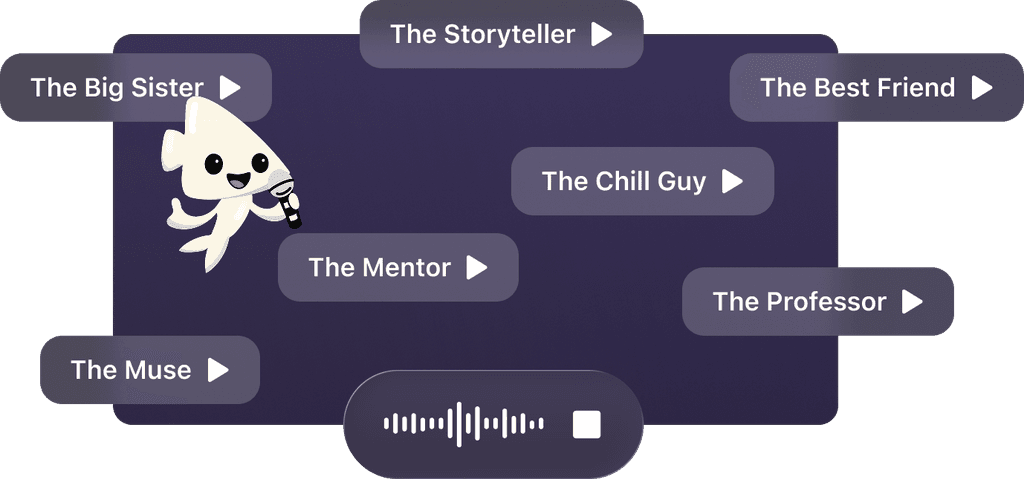
 개인화 모드
The Skills-Powered Organization을 나만의 학습 스타일로 경험하기
무엇이든 묻고, 학습 스타일을 선택하고, 나에게 맞는 인사이트를 함께 만들어보세요.
샌프란시스코에서 컬럼비아 대학교 동문들이 만들었습니다
"Instead of endless scrolling, I just hit play on BeFreed. It saves me so much time."


"I never knew where to start with nonfiction—BeFreed’s book lists turned into podcasts gave me a clear path."


"Perfect balance between learning and entertainment. Finished ‘Thinking, Fast and Slow’ on my commute this week."
"Crazy how much I learned while walking the dog. BeFreed = small habits → big gains."
"Reading used to feel like a chore. Now it’s just part of my lifestyle."

"Feels effortless compared to reading. I’ve finished 6 books this month already."
"BeFreed turned my guilty doomscrolling into something that feels productive and inspiring."

"BeFreed turned my commute into learning time. 20-min podcasts are perfect for finishing books I never had time for."
"BeFreed replaced my podcast queue. Imagine Spotify for books — that’s it. 🙌"

"It is great for me to learn something from the book without reading it."
"The themed book list podcasts help me connect ideas across authors—like a guided audio journey."
"Makes me feel smarter every time before going to work"
샌프란시스코에서 컬럼비아 대학교 동문들이 만들었습니다
"Instead of endless scrolling, I just hit play on BeFreed. It saves me so much time."
"I never knew where to start with nonfiction—BeFreed’s book lists turned into podcasts gave me a clear path."
"Perfect balance between learning and entertainment. Finished ‘Thinking, Fast and Slow’ on my commute this week."
"Crazy how much I learned while walking the dog. BeFreed = small habits → big gains."
"Reading used to feel like a chore. Now it’s just part of my lifestyle."
"Feels effortless compared to reading. I’ve finished 6 books this month already."
"BeFreed turned my guilty doomscrolling into something that feels productive and inspiring."
"BeFreed turned my commute into learning time. 20-min podcasts are perfect for finishing books I never had time for."
"BeFreed replaced my podcast queue. Imagine Spotify for books — that’s it. 🙌"
"It is great for me to learn something from the book without reading it."
"The themed book list podcasts help me connect ideas across authors—like a guided audio journey."
"Makes me feel smarter every time before going to work"
"Instead of endless scrolling, I just hit play on BeFreed. It saves me so much time."
"I never knew where to start with nonfiction—BeFreed’s book lists turned into podcasts gave me a clear path."
"Perfect balance between learning and entertainment. Finished ‘Thinking, Fast and Slow’ on my commute this week."
"Crazy how much I learned while walking the dog. BeFreed = small habits → big gains."
"Reading used to feel like a chore. Now it’s just part of my lifestyle."
"Feels effortless compared to reading. I’ve finished 6 books this month already."
"BeFreed turned my guilty doomscrolling into something that feels productive and inspiring."
"BeFreed turned my commute into learning time. 20-min podcasts are perfect for finishing books I never had time for."
"BeFreed replaced my podcast queue. Imagine Spotify for books — that’s it. 🙌"
"It is great for me to learn something from the book without reading it."
"The themed book list podcasts help me connect ideas across authors—like a guided audio journey."
"Makes me feel smarter every time before going to work"
"Instead of endless scrolling, I just hit play on BeFreed. It saves me so much time."
"I never knew where to start with nonfiction—BeFreed’s book lists turned into podcasts gave me a clear path."
"Perfect balance between learning and entertainment. Finished ‘Thinking, Fast and Slow’ on my commute this week."
"Crazy how much I learned while walking the dog. BeFreed = small habits → big gains."
"Reading used to feel like a chore. Now it’s just part of my lifestyle."
"Feels effortless compared to reading. I’ve finished 6 books this month already."
"BeFreed turned my guilty doomscrolling into something that feels productive and inspiring."
"BeFreed turned my commute into learning time. 20-min podcasts are perfect for finishing books I never had time for."
"BeFreed replaced my podcast queue. Imagine Spotify for books — that’s it. 🙌"
"It is great for me to learn something from the book without reading it."
"The themed book list podcasts help me connect ideas across authors—like a guided audio journey."
"Makes me feel smarter every time before going to work"

The Skills-Powered Organization 요약 다운로드
The Skills-Powered Organization 요약을 무료 PDF 또는 EPUB으로 받으세요. 인쇄하거나 오프라인에서 언제든 읽을 수 있습니다.