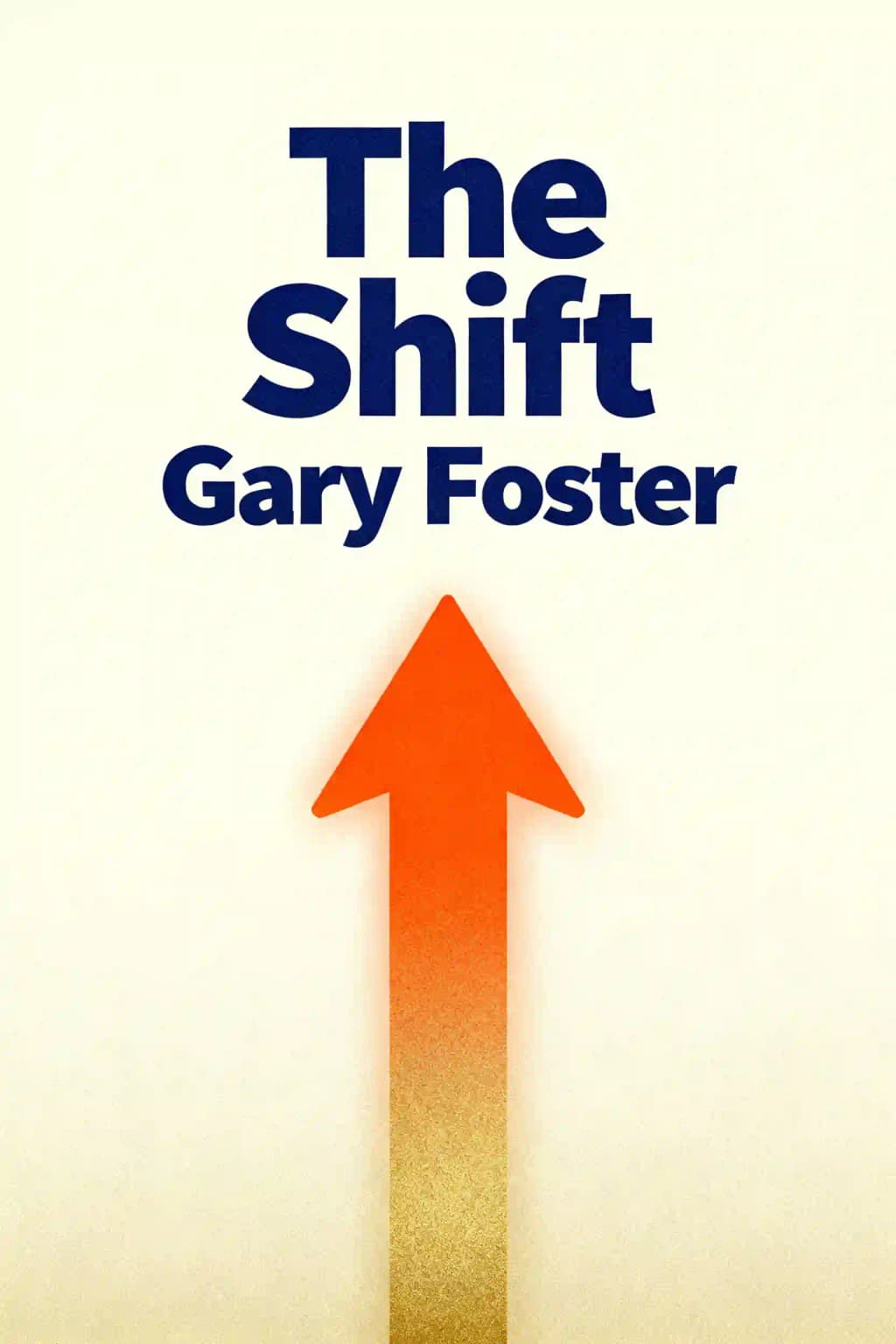
Forget diets - "The Shift" revolutionizes weight loss by targeting mindset, not meals. WW's Chief Scientific Officer Dr. Foster's bestseller reveals why self-compassion outperforms self-criticism. What if hating your body actually prevents lasting change? Discover the psychology that transformed thousands.
Gary D. Foster, Ph.D., is the acclaimed author of The Shift: 7 Powerful Mindset Changes for Lasting Weight Loss and a leading behavioral psychologist specializing in sustainable health transformations. As Chief Science Officer at WW (formerly Weight Watchers) and Adjunct Professor of Psychology in Psychiatry at the Perelman School of Medicine, Foster bridges clinical research with practical strategies for lasting weight management. His work emphasizes mindset shifts over restrictive diets, rooted in 25+ years studying motivation, self-compassion, and habit formation.
Foster’s expertise extends to his thought-provoking book Desire, Love, and Identity: Philosophy of Sex and Love, which explores human relationships through psychological and philosophical lenses. A frequent speaker at medical conferences, he translates complex behavioral science into actionable frameworks used by healthcare providers and wellness coaches worldwide.
The Shift has garnered over 1,200 ratings on Goodreads, with readers praising its evidence-based approach to reframing weight-loss challenges. Foster’s insights continue to shape modern wellness strategies, making him a trusted authority in the field of psychological health optimization.
The Shift by Gary Foster presents seven mindset changes to achieve lasting weight loss by focusing on self-compassion, positive thinking, and habit formation instead of restrictive diets. It combines cognitive behavioral therapy and positive psychology to help readers reframe their relationship with food, body image, and self-worth, emphasizing mental shifts over physical restrictions.
This book is ideal for anyone struggling with yo-yo dieting, individuals seeking sustainable weight loss strategies, or those aiming to improve self-esteem and body image. It’s also valuable for caregivers or loved ones supporting someone on a health journey.
Yes—The Shift offers evidence-based, psychology-driven strategies that prioritize mental well-being alongside physical health. Unlike traditional diet books, it fosters long-term habit changes and self-acceptance, making it a standout resource for holistic weight management.
The seven shifts include:
Gary Foster’s approach rejects calorie counting and rigid rules, focusing instead on mindset changes rooted in cognitive behavioral therapy. It emphasizes self-compassion, habit formation, and non-scale victories, making it a sustainable alternative to short-term diets.
Self-compassion replaces harsh self-judgment, reducing the guilt associated with setbacks. Foster argues that kindness boosts motivation and resilience, creating a healthier mental environment for lasting weight loss.
The book encourages readers to appreciate their bodies for their functionality and inherent worth, rather than tying self-esteem to weight. This shift reduces shame and promotes healthier behaviors rooted in self-respect.
Yes—Foster advocates for “small steps” (e.g., 1% daily improvements) to build sustainable habits. This method reduces overwhelm and aligns with research on incremental behavior change.
This concept focuses on refining how you approach challenges (e.g., “How can I move more today?”) instead of fixating on outcomes. It fosters problem-solving and adaptability, key traits for long-term success.
Yes—Foster highlights the importance of community and accountability. Whether through friends, family, or groups like WW (Weight Watchers), support systems enhance adherence and motivation.
The book ties gratitude to emotional well-being, showing that appreciating present-moment joys reduces stress-driven eating. Foster suggests practices like daily gratitude journaling to reinforce positivity.
While praised for its compassionate approach, some reviewers note the book lacks detailed meal plans or exercise routines. However, this omission aligns with its focus on mindset over prescriptive tactics.
저자의 목소리로 책을 느껴보세요
지식을 흥미롭고 예시가 풍부한 인사이트로 전환
핵심 아이디어를 빠르게 캡처하여 신속하게 학습
재미있고 매력적인 방식으로 책을 즐기세요
Your thoughts, not just your food choices, determine your weight loss success.
Mindset matters enormously—it's the single biggest influencer.
Self-compassion: treating yourself with the same kindness you'd offer a friend.
You can't be cruel to yourself and expect to stay motivated.
What you think determines what you do.
Shift의 핵심 아이디어를 이해하기 쉬운 포인트로 분해하여 혁신적인 팀이 어떻게 창조하고, 협력하고, 성장하는지 이해합니다.
Shift을 빠른 기억 단서로 압축하여 솔직함, 팀워크, 창의적 회복력의 핵심 원칙을 강조합니다.

생생한 스토리텔링을 통해 Shift을 경험하고, 혁신 교훈을 기억에 남고 적용할 수 있는 순간으로 바꿉니다.
무엇이든 물어보고, 목소리를 선택하고, 진정으로 공감되는 인사이트를 함께 만들어보세요.

샌프란시스코에서 컬럼비아 대학교 동문들이 만들었습니다
"Instead of endless scrolling, I just hit play on BeFreed. It saves me so much time."
"I never knew where to start with nonfiction—BeFreed’s book lists turned into podcasts gave me a clear path."
"Perfect balance between learning and entertainment. Finished ‘Thinking, Fast and Slow’ on my commute this week."
"Crazy how much I learned while walking the dog. BeFreed = small habits → big gains."
"Reading used to feel like a chore. Now it’s just part of my lifestyle."
"Feels effortless compared to reading. I’ve finished 6 books this month already."
"BeFreed turned my guilty doomscrolling into something that feels productive and inspiring."
"BeFreed turned my commute into learning time. 20-min podcasts are perfect for finishing books I never had time for."
"BeFreed replaced my podcast queue. Imagine Spotify for books — that’s it. 🙌"
"It is great for me to learn something from the book without reading it."
"The themed book list podcasts help me connect ideas across authors—like a guided audio journey."
"Makes me feel smarter every time before going to work"
샌프란시스코에서 컬럼비아 대학교 동문들이 만들었습니다

Shift 요약을 무료 PDF 또는 EPUB으로 받으세요. 인쇄하거나 오프라인에서 언제든 읽을 수 있습니다.
Here's a truth that might sting: you already know what to eat. You know vegetables are healthier than donuts, that water beats soda, that walking beats sitting. Yet despite this knowledge, millions of people cycle through diet after diet, losing weight only to regain it, beating themselves up with each "failure." The problem isn't ignorance-it's that we've been asking the wrong question. Instead of "What should I eat?" we should be asking "Why do I think the way I do about eating?" This fundamental shift in perspective has quietly revolutionized weight management, moving from what's on your plate to what's in your mind. After decades working with thousands of people struggling with weight-from research labs to clinical practice-one pattern emerges with stunning clarity: those who succeed long-term don't follow plans perfectly. They develop a different relationship with themselves, one built on understanding rather than punishment. Your thoughts shape your feelings, your feelings drive your actions, and your actions determine your results. Change the first domino, and everything else follows.