1장
Awakening the Hero Within: Robin Sharma's Blueprint for Greatness
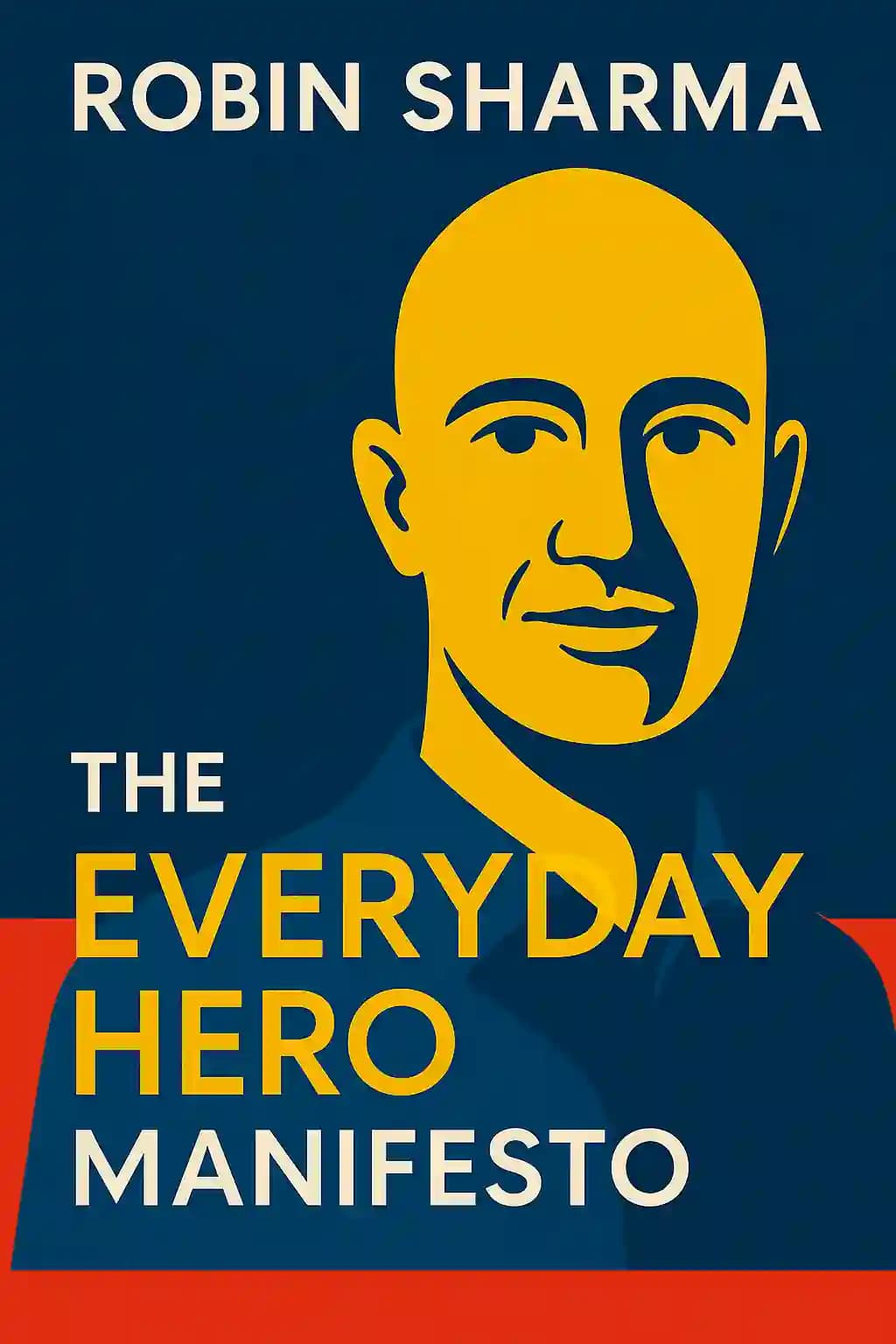
What if the key to an extraordinary life isn't acquiring more possessions or achievements, but rather awakening the dormant hero that already exists within you? Robin Sharma's "The Everyday Hero Manifesto" has become a cultural phenomenon, embraced by celebrities like Will Smith and business titans alike for its transformative approach to personal mastery. Drawing from Sharma's three decades of advising Fortune 500 CEOs, elite athletes, and world leaders, this manifesto isn't just another self-help book-it's a comprehensive philosophy for activating your highest potential while navigating life's inevitable challenges. As Sharma himself revealed in a rare interview, "I wrote this as if it were my final work, pouring everything I know about productivity, performance, and spiritual freedom into one manual." With over 20 million books sold worldwide in 92 languages, Sharma has distilled his most profound insights into this magnum opus that promises to awaken the slumbering genius within every human heart.
2장
The Everyday Hero's Journey: From Ordinary to Extraordinary
We all harbor a magnificent force within us-a primal power capable of extraordinary achievements and profound contributions to humanity. Yet most people live far below their potential, allowing past circumstances to dictate their future possibilities. The everyday hero, however, refuses this narrative.
Robin Sharma's journey exemplifies this transformation. Growing up in a small blue-collar town with immigrant parents, he was once told by his principal that he showed no promise. Despite these limiting beliefs, one teacher-Cora Greenaway, who Sharma later discovered had rescued children from Nazi death camps-saw his potential and encouraged him to stay true to himself.
This belief helped Sharma transcend expectations and become a successful lawyer. Yet material success without self-respect felt hollow. Determined to remake himself, he embarked on a three-year transformation-rising early to study historical figures, attend conferences, learn meditation, and work with coaches. This painful but electrifying process culminated in his self-published book, "The Monk Who Sold His Ferrari."
The path wasn't easy. A famous author advised him to stick with law rather than risk his career. An editor sent a devastating critique of his manuscript. But Sharma persisted, trusting his intuition over his fears. Months later, in a bookstore with his four-year-old son, he met Edward Carson, President of HarperCollins Publishers, who bought the world rights to his book-which has since become one of the bestselling books of all time.
This journey illustrates a fundamental truth: when no one believes in you is precisely when you most need to believe in yourself. Self-faith and staying true to your mission-especially when facing ridicule and adversity-is the gateway to legendary status. The universe supports those unwilling to surrender to fear and self-doubt. As Sharma learned, life favors the obsessed.
3장
Embracing Life's Challenges: The Power of Emotional Resilience
Our culture sells us the idea that something's wrong with us if we're not constantly happy. But an intensely lived life requires getting into the arena, taking risks, and navigating treacherous seas. As George Bernard Shaw said, "All progress depends on the unreasonable man."
When we're not feeling okay, we're likely advancing spiritual productivity. A difficult day for the ego can be a splendid day for the soul. Setbacks and struggles are necessary pit stops on life's journey, never to be judged as "bad" or "wrong." Pain makes us more humble and loving by degrading our ego and fortifying our private heroism.
This perspective transforms how we view life's inevitable challenges. Every seemingly terrible situation inevitably ends well. Looking back, we connect the dots and see how everything that happened was for our highest good. What initially appears as a burden often becomes a blessing that makes our lives vastly better.
Adversity shows up to test how much we desire our dreams. When destiny sends a curveball, remember that a problem only becomes a problem when seen as a problem. As Napoleon Hill observed: "Every adversity, every failure, every heartache carries with it the seed of an equal or greater benefit."
Heroes aren't made during stability but during discomfort. Mandela became Mandela on Robben Island. Rosa Parks became a legend facing mistreatment. Martin Luther King, Jr. evolved while fighting racism. Gandhi grew while battling an empire. What tries to break you offers the chance to discover unseen strengths.
Even trauma can be a powerful teacher. Contrary to popular belief, everyone experiences trauma-it's an inevitable part of life's journey. Some face "macrotrauma" like war or abuse, while others experience "microtrauma" like angry confrontations or business losses. Processing buried hurts magnifies prosperity, maximizes performance, and amplifies optimism. Deep emotional clearing enhances creativity by optimizing brain function, as trauma deforms the brain and blocks neurotransmitters essential for peak artistry.
4장
The Victim-to-Hero Transformation: Five Essential Shifts
Every day presents an opportunity to shift from victimhood into everyday heroism. To materialize your mastery and lead your finest life, these five essential leaps serve as transformative guideposts on your journey to excellence.
First, shift from a mindset of "can't" to "can." Victims are prisoners of "can't," using language that reveals deep-seated fears of failing, not being good enough, or facing criticism. They say things like "I could never do that" or "That's impossible for someone like me." World-builders, in contrast, use the language of hope and execution: "How can I make this work?" or "What's the first step I need to take?" The words you deploy are thoughts made verbal - creating a masterwork requires the positive energy of "can." Even in challenging situations, they focus on possibilities rather than limitations.
Second, shift from making excuses to delivering results. You can make excuses or change the world, but you cannot do both simultaneously. Victims instantly explain why their life isn't working, attributing failures to external circumstances, bad luck, or other people's actions - never their fault. Assuming absolute personal responsibility gives you the sovereignty to make improvements. This means acknowledging when things go wrong and asking, "What could I have done differently?" or "How can I improve next time?" Success leaves clues, and taking ownership of both victories and setbacks creates a clear path forward.
Third, shift from living in the past to creating a brighter future. See your history as an academy to learn from, not a jail to remain chained in. Use selective amnesia to remember only the good, letting go of resentments while exploiting the growth that hard events have brought. Instead of saying "This always happens to me," ask "What can I learn from this?" Transform past struggles into future wisdom. Each setback contains a lesson that can fuel future success if properly understood and applied.
Fourth, shift from being busy to becoming productive. Don't confuse movement with progress or activity with achievement. Busyness becomes an addictive drug that fills hours with superficiality to avoid the discomfort of creating towering work. Block digital distractions, honor your brilliance, and focus on high-impact activities that truly move the needle. Create designated deep work periods where you can concentrate without interruption on your most important projects. Quality always trumps quantity in meaningful achievement.
Fifth, shift from taking from the world to giving to it. Rather than living in scarcity, embrace that "the one who enriches the most people wins." Let generosity and ongoing service guide your life. Look for ways to add value in every interaction, whether through sharing knowledge, offering support, or creating solutions to others' problems. True wealth comes from contribution, not accumulation. Building a legacy means focusing on how you can serve rather than what you can gain.
This transformation isn't always easy, but pursuits that don't push you never improve you. The activities hardest to do are generally the most valuable, requiring courage to face discomfort and persistence to maintain momentum. Remember that fear always screams loudest when your magic is closest - when you feel most resistant, you're often on the verge of a breakthrough. Embrace these challenges as signs of growth rather than signals to retreat.
5장
The Peak Productivity Pyramid: How Legends Create Masterworks
In today's era of crushing digital addiction and superficial interruption, understanding how industry titans shield their virtuosity to consistently produce masterworks is essential. The Peak Productivity Pyramid offers a comprehensive system for extraordinary achievement.
At its foundation are three core principles: First, cognitive bandwidth deserves a fortress around it. Princeton psychologist Eldar Shafir describes "cognitive bandwidth" as the limited attention available to our brains each day. Digital escapism drains this bandwidth, leaving less focus for accomplishing amazing feats.
Second, attention residue must be managed for mastery. Professor Sophie Leroy's research shows that every time we shift activities, we leave valuable cognitive bandwidth behind. People constantly checking devices develop "Fragmented Attention Disorder," making it impossible to accomplish anything sensational.
Third, productive exhaustion requires scheduled renewal. As Carl Jung wrote, "A special ability means a heavy expenditure of energy in a particular direction, with a consequent drain from some other side of life." When showing up with incendiary passion to produce masterwork, you'll often be depleted from fully using your capacities. The solution is regularly scheduled rest and refueling cycles.
Building on these principles are nine powerful strategies:
The Lifetime Big 5 focuses your energy on your top five lifetime priorities. Clarity breeds mastery-you'll never hit high-value targets you don't know about.
The Deep 5 Values identifies your most cherished values, preventing an "integrity gap" that absorbs energy that could fuel world-class results.
The Heavyweight 6 implements six daily habits of absolute world-class performers: joining The 5 AM Club with a Victory Hour, writing in a gratitude journal, doing The Second Wind Workout in nature, running The 60 Minute Student Regime of daily learning, following The 90/90/1 Rule (first 90 minutes of 90 days on your finest opportunity), and using The Weekly Design System.
The Expert Support Team assembles professionals who help you reach mastery-level performance-personal trainers, massage therapists, psychotherapists, functional medicine experts, and spiritual counselors.
The Forced Optimization Strategy creates structures that make it impossible not to execute your intentions, like hiring a trainer who shows up at your door.
The Tight Bubble of Total Focus Concept builds a metaphorical wall around "The 5 Assets of Genius": mental focus, physical energy, personal willpower, daily time, and primal gifts.
The 5 Great Hours Promise recognizes that elite performers work with supreme intensity for focused periods (ideally five hours daily), then properly renew.
The World-Class Executive Assistant + Personal Aide Foundation frees immense bandwidth by delegating tasks that drain your energy.
The Weekly Sabbatical ensures you take time off-at least one day each week, one week each month, and eventually two months yearly-allowing your best ideas to emerge when not working.
6장
Guarding Health and Optimizing Performance: The Trinity of Radiant Vitality
Health is the crown only the ill can see - a profound truth that often becomes apparent only when wellness begins to slip away. To transform performance, we must optimize "Healthset" alongside three other interior empires: Mindset (our thinking), Heartset (our emotions), and Soulset (our spirituality). These four domains work in concert to create peak human performance.
The Trinity of Radiant Vitality encompasses three core pillars: daily exercise, proper nutrition, and recovery practices. Each element requires careful attention and strategic implementation. For exercise, research shows that even 20-30 minutes of moderate activity can dramatically improve cognitive function and creative output. The key is consistency rather than intensity - daily movement, whether through strength training, cardiovascular exercise, or mobility work, creates compound benefits over time.
Regarding nutrition, strategic fasting during intense work periods keeps you focused and energized. Research shows fasting increases BDNF (Brain-Derived Neurotrophic Factor), boosting brain function, reducing neurodegradation, and enhancing neuroplasticity. Studies indicate it can increase human growth hormone by over 300%. Perhaps most importantly, fasting triggers autophagy, where the body conducts cellular cleanup, removing damaged components and recycling cellular material. This process is crucial for longevity and optimal brain function.
Physical strength serves as a foundation for mental performance. It enhances concentration, extends creative stamina, and toughens your body to maximize your ability to generate big ideas that solve enormous problems. Elite performers across fields, from writers to executives, consistently report that their best work emerges when they're in peak physical condition. There's an undeniable relationship between your physical condition and the quality of your craft. When in superb condition - training hard, eating well, fasting strategically, maintaining proper hydration, and resting intelligently - you consistently produce your highest quality work.
Recovery, often overlooked in achievement-focused cultures, isn't a luxury but a necessity for sustaining productivity over decades. This includes not just quality sleep (7-9 hours for most adults) but also active recovery away from work through activities like walking in nature, gentle movement, and practices like meditation or breathwork. Research shows that proper recovery can increase productivity by 20-30% while reducing stress-related health issues. Guarding your health extends your productive years, allowing compounding to work its magic in your career and finances.
However, balance remains essential. Aristotle's Golden Mean Doctrine advocates finding the middle path between asceticism and indulgence. The phrase "restriction promotes addiction" highlights how superhuman strictness can produce cortisol that undermines wellbeing. Studies suggest that the positive neurochemistry generated by occasional indulgence - whether through food, rest, or leisure - might actually be healthier than rigid perfectionism. The key is developing sustainable habits that can be maintained for decades rather than extreme measures that lead to burnout.
7장
The Billionaire's Mindset: 13 Traits of Extraordinary Success
After years of advising ethical billionaires, Sharma has observed they share common traits that separate them from the 95% of people unwilling to do what they do. These aren't gifted or otherworldly individuals-they simply think and operate differently than most.
They maintain unwavering self-faith despite being doubted, mocked, rejected and opposed. They possess "The Visionary's Gift"-seeing magnificent possibilities where others see only what has already happened. They're path-blazers and revolutionaries with consistent disregard for rules.
Unlike most adults who've lost their inquisitiveness, they protect their curiosity, reading constantly, investing in coaches, taking courses, and relentlessly upgrading their skills. They understand that better skills create more value-and more value creates more money.
They're indifferent to critics' opinions, maintaining tunnel vision around their mission. They display unusual consistency and persistence-knock them down and they get back up. To them, failure is merely a gateway to higher success.
They adore winning and being the best in the world. They possess otherworldly personal discipline and self-control, practicing "sustained incrementalism"-playing the long game while delaying easy pleasures for steady, compounding rewards over time.
While most people are consumers who buy things to fill emotional holes, prosperity heroes are creators who make things others buy. They make their money work for them through smart investments while avoiding unserviceable debt.
They armor-plate their optimistic energy, avoiding excuse-makers and complainers like the plague. They own their power to execute around aspirations, understanding their true power comes from within, not outside forces.
They invest only in opportunities where the potential upside exponentially outweighs any downside. And they operate with a "maverick investing calculus"-a rare ability to spot hidden value where others see losers.
8장
The Eight Forms of Wealth: Building a Truly Rich Life
Our culture trains us to believe wealth only comes in one form: money. But there are eight major dimensions of wealth for a genuinely abundant life. JPF (joy, peace and freedom) are far more valuable than FFA (fame, fortune and applause).
Self-Mastery + Sincere Heroism represents your progress in knowing and expressing your heroic nature. It involves calibrating your Mindset, purifying your Heartset, optimizing your Healthset and escalating your Soulset. You'll never build an exterior life that's higher than the one you build within.
Physical Fitness + Longevity relates to all aspects of physical status-brain health, energy, stamina, recovery ability, immunity, sleep hygiene and longevity. While investing in health costs time and resources, disease costs more.
Family + Friendships recognizes that no one at life's end wishes they'd spent more time with lawyers or golf partners. If this priority matters at the end, wisdom says make it essential now-especially with children.
Craft + Career acknowledges that every human can experience soaring joy, meaning and peace from becoming splendidly skilled at their work. Few pursuits provide as much satisfaction as mastering your craft and becoming Best in World at what you do.
Money + Net Worth acknowledges that income and net worth (which are very different) are indeed forms of wealth. Having enough money to create fantastic memories for your family and handle needs easily is fundamental. But avoid the common mistake of upgrading lifestyle with each income increase.
Mentors + Influencers recognizes that we rise to the level of our conversations, associations and relationships. If you're serious about world-class performance, regularly spend time with people operating at such amazing levels that you'll never catch up.
Adventure + Lifestyle acknowledges that humans are happiest when progressing, exploring and venturing into vivid blue oceans of previously imagined places. Inject "institutionalized adventure" into your weeks, whether visiting art galleries or trying new cuisines.
Impact + Contribution ensures that when you exit the world, you'll know the honor and dignity of having lived for something much greater than yourself. A life that doesn't improve others' lives is terribly empty.
9장
Living Without Regrets: Lessons from the End of Life
Care workers who help dying people have shared the most common regrets they hear during their patients' final days. These poignant lessons can transform how we live now.
The first deathbed regret is wishing they had kept greater perspective. We spend too much time worrying about things that never happen, forgetting that difficulties always end.
The second regret is worrying too much about what others think. Oscar Wilde said "Be yourself. Everyone else is taken." The freedom to be authentically yourself is one of life's greatest treasures.
The third regret is wasting time. Seneca noted that people are extravagant with time when they should be miserly. Our days are numbered, yet we often live as if they were infinite.
The fourth regret is not enjoying life's journey more. Having fun is actually highly productive, and making time for awe and beauty is wisdom, not indulgence.
The fifth regret is not being more kind and loving. Mistreating others corrodes our conscience and betrays our heroic nature. As Jimi Hendrix observed, "When the power of love overcomes the love of power, the world will know peace."
These regrets reveal a simple truth: what truly matters isn't how you'll be remembered but how you decide to live while alive. Were you cheerful in good times and graceful in defeat? Considerate to all and forgiving of those who hurt you? Did you treat your profession with respect? Did you have the conviction to be yourself? Did you grow in humility and learn to tread lightly?
The good we do has lasting value, though we often doubt it matters. Small acts of kindness can create enduring impact. As basketball legend Pau Gasol said when asked why he made time for every fan seeking an autograph: "It takes so little to make someone happy."
10장
A Philosophy for Returning to Human
In our increasingly disconnected world, perhaps the most revolutionary act is simply returning to our full humanity. This means embracing the world with heroism while acknowledging that some seasons will bring difficulty. The modern age of digital connections and virtual relationships has created a paradox where we are more connected yet feel more isolated than ever before.
It means appreciating the good in daily life-supportive neighbors, enlivening friends, and adoring family. These connections form the bedrock of our human experience, from the neighbor who collects your mail while you're away to the friend who calls just when you need it most. For those who wish less than your visions for you, respond with patience and forgiveness. This includes colleagues who may doubt your dreams, family members who question your choices, or critics who misunderstand your intentions.
Work with dignity, giving more than you receive. This means approaching every task, whether mundane or momentous, with full presence and dedication. Keep life simple, avoiding addiction to acquisition - focus on experiences rather than possessions, relationships rather than status symbols. Give more than you take through acts of service, mentorship, and random kindness. Enjoy wise companions and inspiring books that challenge your thinking and expand your horizons, and maintain a healthy relationship with yourself through regular reflection, self-care, and personal growth practices.
Stay true to your path when crowds try to make you conform. In a world of increasing pressure to follow predetermined routes to success, authentic living requires courage and conviction. Remember that terror is closer to triumph than complacency, and fear becomes faith when confronted. Each time you face your fears - whether speaking in public, starting a business, or having a difficult conversation - you strengthen your capacity for courage.
The path of the everyday hero isn't about achieving perfection-it's about embracing your humanity while striving for excellence. It's about recognizing that you already possess everything you need to live an extraordinary life, not through grandiose achievements but through consistent, intentional living. The hero's journey isn't about becoming someone new-it's about remembering who you were before a cold culture encouraged you to cover your light. This means rediscovering your natural curiosity, creativity, and compassion.
As Sharma writes in his personal message: "I would die fighting for the truth of your greatness." This manifesto stands as a powerful reminder that within each of us lies the capacity for heroism, not through grand gestures or global fame, but through daily acts of courage, kindness, and unwavering commitment to our highest values. The everyday hero's path is available to anyone willing to awaken the slumbering genius within and contribute their unique gifts to a world desperately in need of authentic heroism. This might manifest as being an exceptional parent, a dedicated teacher, an ethical business leader, or simply a person who consistently chooses to do what's right over what's easy.