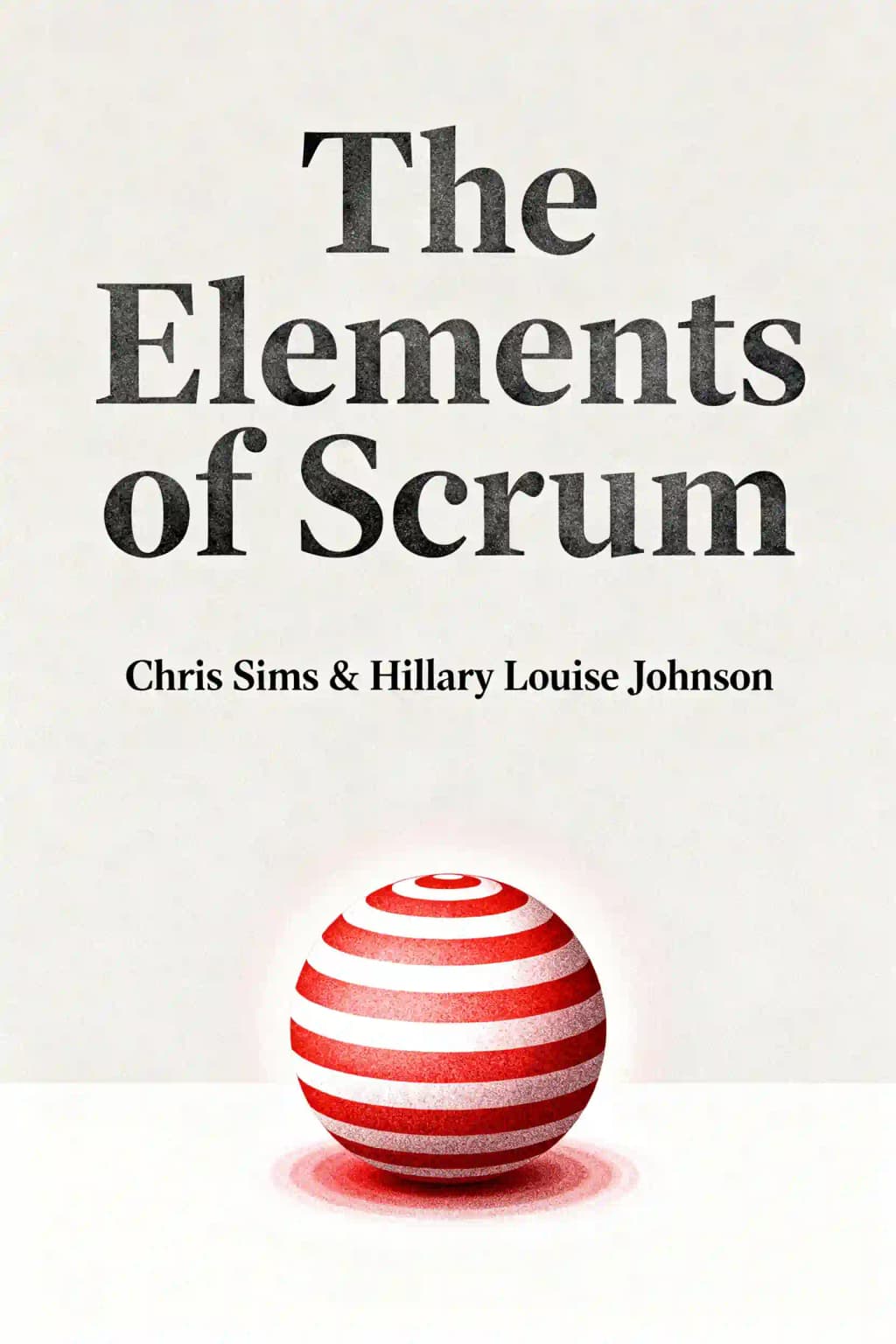
Revolutionize project management with "The Elements of Scrum," the globally adopted guide taught in universities worldwide. Through engaging storytelling, Sims and Johnson transform complex agile principles into practical wisdom. What if your team's greatest productivity breakthrough was just 40 pages away?
저자의 목소리로 책을 느껴보세요
지식을 흥미롭고 예시가 풍부한 인사이트로 전환
핵심 아이디어를 빠르게 캡처하여 신속하게 학습
재미있고 매력적인 방식으로 책을 즐기세요
Software development was in crisis. In 1993, Jeff Sutherland faced impossible deadlines at Easel Corporation when he discovered a Harvard Business Review article comparing high-performing teams to rugby formations - teams that "move as one unit, passing the ball back and forth." This metaphor sparked what would become Scrum, now practiced by over 16 million professionals worldwide. Even tech giants like Google, Amazon, and Microsoft credit their agility to Scrum principles. When Jeff Bezos mandated "two-pizza teams" at Amazon, he was essentially implementing Scrum's small, cross-functional team approach. The framework's influence has been so profound that Harvard Business Review named it one of the most important management ideas of the century. But why was this revolution necessary? And how did a simple framework transform not just software development, but organizations across industries? The waterfall method dominated software development for decades despite a peculiar irony: its creator, Winston Royce, presented it in 1970 as an example of how *not* to develop software. Yet organizations embraced this sequential approach - requirements, design, implementation, verification, maintenance - because it aligned with familiar budgeting processes and promised to catch errors early through "big design up front." But software systems are fundamentally different from physical manufacturing. They're complex and unpredictable. No matter how detailed your initial specifications, unintended consequences inevitably emerge during implementation. The evidence against waterfall became overwhelming: a 1995 Standish Group report revealed only 16% of traditionally-run software projects finished on time and within budget, while 31% were canceled outright.
The Elements of Scrum의 핵심 아이디어를 이해하기 쉬운 포인트로 분해하여 혁신적인 팀이 어떻게 창조하고, 협력하고, 성장하는지 이해합니다.
The Elements of Scrum을 빠른 기억 단서로 압축하여 솔직함, 팀워크, 창의적 회복력의 핵심 원칙을 강조합니다.

생생한 스토리텔링을 통해 The Elements of Scrum을 경험하고, 혁신 교훈을 기억에 남고 적용할 수 있는 순간으로 바꿉니다.
무엇이든 물어보고, 목소리를 선택하고, 진정으로 공감되는 인사이트를 함께 만들어보세요.

샌프란시스코에서 컬럼비아 대학교 동문들이 만들었습니다
"Instead of endless scrolling, I just hit play on BeFreed. It saves me so much time."
"I never knew where to start with nonfiction—BeFreed’s book lists turned into podcasts gave me a clear path."
"Perfect balance between learning and entertainment. Finished ‘Thinking, Fast and Slow’ on my commute this week."
"Crazy how much I learned while walking the dog. BeFreed = small habits → big gains."
"Reading used to feel like a chore. Now it’s just part of my lifestyle."
"Feels effortless compared to reading. I’ve finished 6 books this month already."
"BeFreed turned my guilty doomscrolling into something that feels productive and inspiring."
"BeFreed turned my commute into learning time. 20-min podcasts are perfect for finishing books I never had time for."
"BeFreed replaced my podcast queue. Imagine Spotify for books — that’s it. 🙌"
"It is great for me to learn something from the book without reading it."
"The themed book list podcasts help me connect ideas across authors—like a guided audio journey."
"Makes me feel smarter every time before going to work"
샌프란시스코에서 컬럼비아 대학교 동문들이 만들었습니다

The Elements of Scrum 요약을 무료 PDF 또는 EPUB으로 받으세요. 인쇄하거나 오프라인에서 언제든 읽을 수 있습니다.