Melody Beattie's revolutionary guide untangles the web of codependency that traps millions. Named one of the four essential self-help books by Newsweek, this phenomenon has thrown "best-selling lifelines to those still adrift," as TIME magazine perfectly put it. What relationship patterns are silently controlling your life?
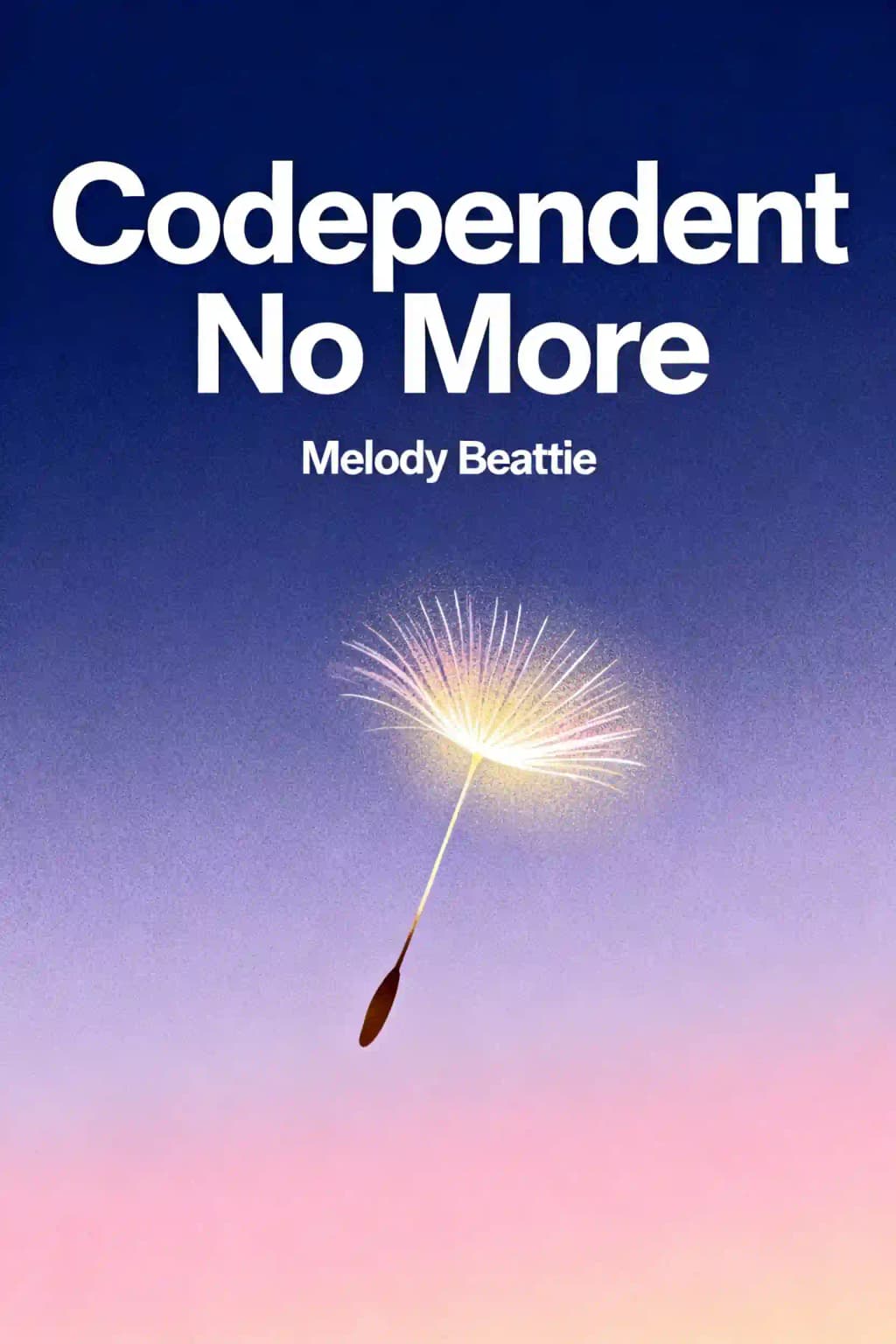
Melody Lynn Beattie (1948–2025) was the bestselling author of Codependent No More: How to Stop Controlling Others and Start Caring for Yourself, a groundbreaking self-help classic that established her as a leading voice on codependency and addiction recovery.
A Minnesota native and former addiction counselor, Beattie drew from her personal struggles with alcoholism, abusive relationships, and the tragic loss of her son to craft transformative works blending therapeutic insight with raw vulnerability. Her 1986 debut—published through addiction treatment pioneer Hazelden—sold over 8 million copies worldwide and became required reading in recovery programs, translated into 20+ languages.
Beattie’s influential bibliography includes Beyond Codependency, The Language of Letting Go (a daily meditation guide), and The Grief Club, which explores loss through her lived experience. Her 1988 appearance on The Phil Donahue Show propelled codependency into mainstream discourse, while her compassionate, conversational style made complex psychological concepts accessible to millions. A trusted resource for mental health professionals and families impacted by addiction, her works remain clinical staples decades after publication.
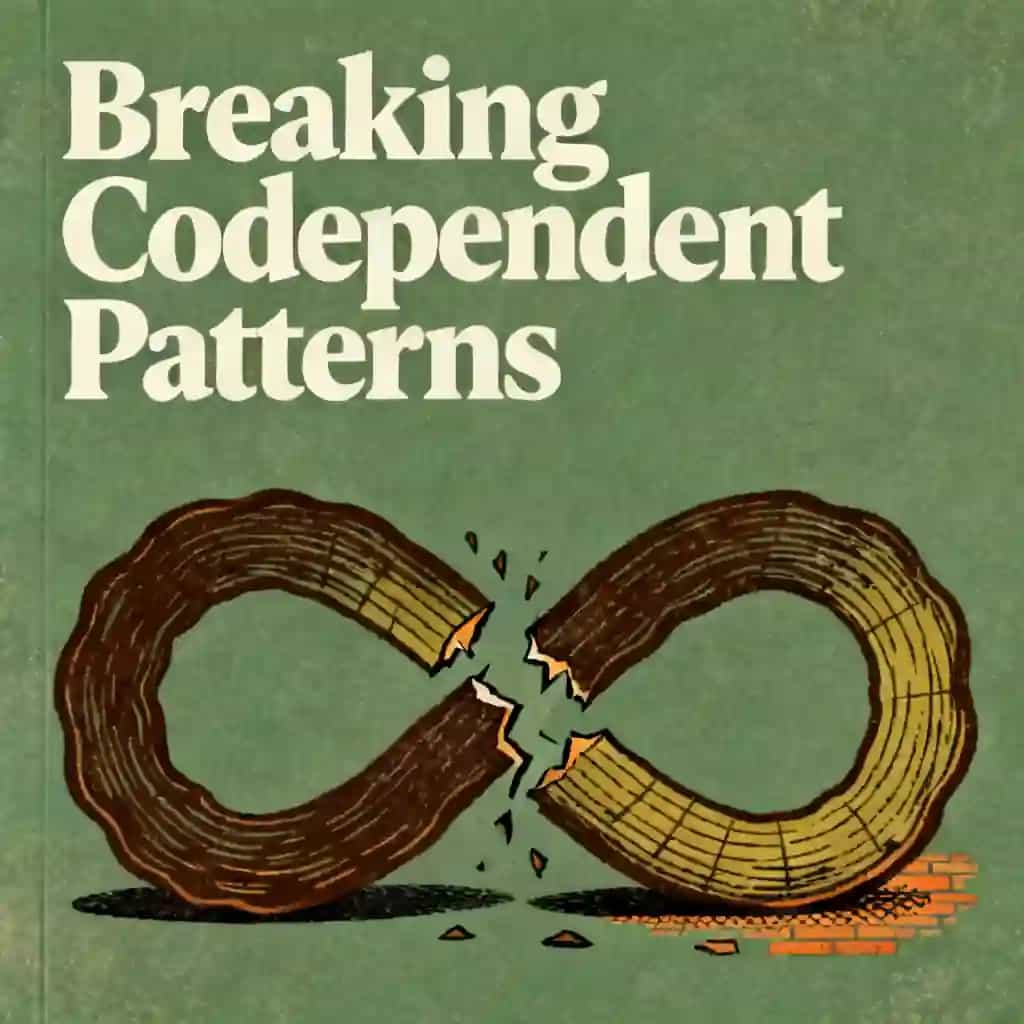
Codependent No More explores codependency, a pattern of prioritizing others’ needs over one’s own, often seen in relationships with addiction or self-destructive behavior. Melody Beattie emphasizes self-care, setting boundaries, and detaching from unhealthy dynamics through personal stories, exercises, and actionable strategies. The revised edition includes a new chapter on trauma and anxiety, updated resources, and fresh insights for modern readers.
This book is ideal for individuals struggling to maintain healthy relationships, particularly those entangled with loved ones’ addictions or destructive habits. It’s also valuable for anyone seeking to overcome people-pleasing tendencies, establish emotional boundaries, or prioritize self-healing. Therapists and support groups often recommend it as a foundational resource for understanding codependency.
Yes, it’s widely regarded as a landmark guide for codependency recovery, with over 7 million copies sold. Readers praise its relatable anecdotes, practical exercises, and transformative advice on self-empowerment. However, some note its early focus on alcoholism may feel dated, and suggest pairing it with newer trauma-informed resources.
Key ideas include:
Beattie reinforces these through reflective questions and real-life examples.
The 2022 revised edition adds a chapter linking codependency to trauma responses and anxiety disorders. Beattie explores how childhood experiences or chaotic relationships fuel codependent behaviors, offering updated strategies for managing triggers and fostering resilience. This update aligns the classic text with modern mental health frameworks.
Some readers find its emphasis on 12-step programs and alcoholism overly narrow, arguing it underaddresses codependency in non-addiction contexts (e.g., parenting, workplaces). Others critique repetitive sections or the lack of diverse cultural perspectives. Despite this, most agree its core principles remain universally applicable.
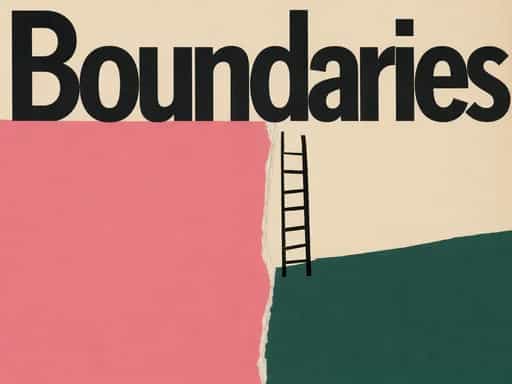
Unlike clinical guides, Beattie’s book blends memoir-style storytelling with pragmatic tools, making complex psychological concepts accessible. It’s often paired with Boundaries by Cloud/Townsend for relationship-specific advice or The Body Keeps the Score for deeper trauma exploration. Fans describe it as more empathetic than academic alternatives.
The book features self-tests, journal prompts, and boundary-setting practices like:
These tools help readers apply concepts tangibly.
Notable lines include:
These quotes encapsulate the book’s focus on self-agency.
Despite its 1986 debut, the book’s themes resonate amid modern crises like pandemic-induced isolation and rising mental health struggles. Its updated edition connects codependency to digital-age issues like social media comparison and burnout, ensuring ongoing relevance.
The book’s boundary-setting strategies apply to professional settings, teaching readers to avoid overcommitting, manage toxic colleagues, and prioritize work-life balance. Its detachment principles help reduce stress from uncontrollable situations, fostering healthier team dynamics.
The revised edition includes updated lists for therapy, support groups (e.g., Co-Dependents Anonymous), and further reading on trauma recovery. Beattie also emphasizes spiritual practices like meditation and gratitude journaling as complementary tools.
저자의 목소리로 책을 느껴보세요
지식을 흥미롭고 예시가 풍부한 인사이트로 전환
핵심 아이디어를 빠르게 캡처하여 신속하게 학습
재미있고 매력적인 방식으로 책을 즐기세요
It's when I've lost myself in someone else's problems.
It's being surrounded by chaos and thinking it's normal.
They don't believe they deserve happiness, so they settle for being needed rather than loved.
What began as caring for others becomes a prison that threatens to destroy the caregiver.
Lies become commonplace-to protect others, to protect themselves, or simply because truth feels too dangerous.
Codependent No More의 핵심 아이디어를 이해하기 쉬운 포인트로 분해하여 혁신적인 팀이 어떻게 창조하고, 협력하고, 성장하는지 이해합니다.
Codependent No More을 빠른 기억 단서로 압축하여 솔직함, 팀워크, 창의적 회복력의 핵심 원칙을 강조합니다.

생생한 스토리텔링을 통해 Codependent No More을 경험하고, 혁신 교훈을 기억에 남고 적용할 수 있는 순간으로 바꿉니다.
무엇이든 물어보고, 목소리를 선택하고, 진정으로 공감되는 인사이트를 함께 만들어보세요.

샌프란시스코에서 컬럼비아 대학교 동문들이 만들었습니다
"Instead of endless scrolling, I just hit play on BeFreed. It saves me so much time."
"I never knew where to start with nonfiction—BeFreed’s book lists turned into podcasts gave me a clear path."
"Perfect balance between learning and entertainment. Finished ‘Thinking, Fast and Slow’ on my commute this week."
"Crazy how much I learned while walking the dog. BeFreed = small habits → big gains."
"Reading used to feel like a chore. Now it’s just part of my lifestyle."
"Feels effortless compared to reading. I’ve finished 6 books this month already."
"BeFreed turned my guilty doomscrolling into something that feels productive and inspiring."
"BeFreed turned my commute into learning time. 20-min podcasts are perfect for finishing books I never had time for."
"BeFreed replaced my podcast queue. Imagine Spotify for books — that’s it. 🙌"
"It is great for me to learn something from the book without reading it."
"The themed book list podcasts help me connect ideas across authors—like a guided audio journey."
"Makes me feel smarter every time before going to work"
샌프란시스코에서 컬럼비아 대학교 동문들이 만들었습니다

Codependent No More 요약을 무료 PDF 또는 EPUB으로 받으세요. 인쇄하거나 오프라인에서 언제든 읽을 수 있습니다.
Picture a woman who knows her husband's schedule better than her own. She can recite his moods, predict his needs, and anticipate his next move-yet she can't remember the last time she asked herself what she wanted for dinner. This isn't devotion; it's disappearance. Since 1986, millions have discovered their reflection in these pages, recognizing a pattern so normalized it went unnamed for decades: codependency. What began as observations in Minnesota treatment centers-counselors noticing that family members of addicts developed their own constellation of symptoms-has become a roadmap for anyone who's ever lost themselves in someone else's chaos. The revelation is both simple and shattering: caring for others shouldn't require erasing yourself.