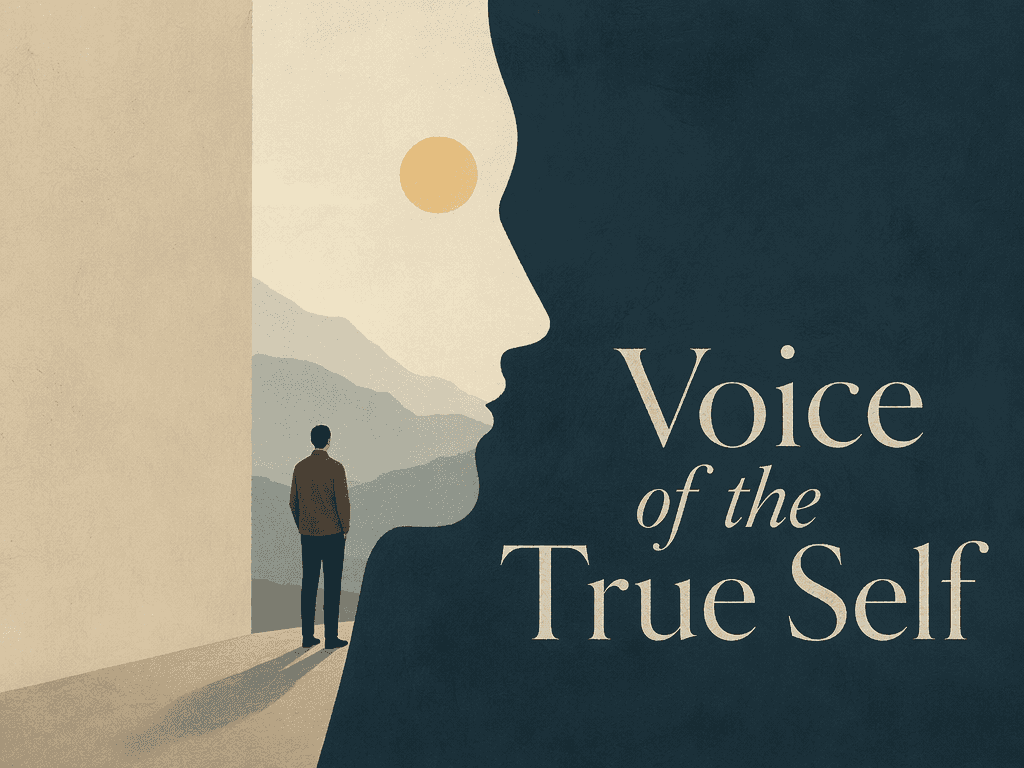
Beyond effectiveness lies greatness. "The 8th Habit" expands Covey's legendary framework, challenging Industrial Age leadership models. Tony Robbins champions its philosophy of "finding your voice" - a counterintuitive approach transforming organizations worldwide. What voice are you silencing that could change everything?
Stephen R. Covey, bestselling author of The 8th Habit and globally renowned leadership expert, revolutionized organizational effectiveness and personal development through his principle-centered philosophy. A Harvard MBA graduate and founder of the Covey Leadership Center (later merged into FranklinCovey), Covey built his career bridging timeless ethics with modern management practices.
His seminal work The 7 Habits of Highly Effective People – a New York Times bestseller for nearly five years – established his reputation for translating complex human behavior concepts into actionable frameworks used by Fortune 500 companies and educational institutions worldwide.
The 8th Habit expands Covey’s iconic seven-habit model, addressing leadership challenges in the knowledge worker era through themes of voice, vision, and purpose. As an adjunct professor at Brigham Young University and architect of the Leader in Me school program implemented in 50+ countries, Covey’s work blends academic rigor with real-world organizational impact. His principles continue driving FranklinCovey’s leadership training programs, trusted by millions to cultivate trust-based cultures.
Covey’s books have sold over 40 million copies globally, with The 7 Habits remaining one of the most influential business books of the 20th century, translated into 50 languages.
The 8th Habit builds on Covey’s 7 Habits of Highly Effective People, focusing on achieving personal and organizational greatness in the knowledge-worker age. It introduces the concept of “finding your voice” (unique purpose) and inspiring others to find theirs through four innate intelligences: mental, physical, emotional, and spiritual. Covey emphasizes principles like trust, collaboration, and conscience-driven leadership to overcome modern workplace frustrations.
Leaders, managers, and individuals seeking purpose in personal or professional transitions will benefit most. It’s ideal for those navigating team dynamics, organizational change, or self-leadership challenges. Covey’s frameworks are particularly relevant for professionals aiming to foster trust, accountability, and innovation in hybrid or remote work environments.
Yes, for readers familiar with Covey’s 7 Habits seeking deeper insights into collective leadership. It addresses modern struggles like disengagement and siloed workplaces, offering actionable strategies to align personal values with organizational goals. Critics note some overlap with his earlier work, but its focus on “voice” and whole-person paradigms remains impactful.
Key concepts include:
While 7 Habits focuses on personal effectiveness, The 8th Habit expands to leadership in the information age. It shifts from “private victory” to inspiring teams through trust and shared vision. Covey introduces new frameworks like the “whole-person paradigm” to address systemic workplace disengagement.
Some argue its abstract concepts (e.g., “voice”) lack tactical steps for implementation. Others find its principles repetitive if familiar with Covey’s earlier work. However, its structured models, like the 4 intelligences, provide clarity for applying theory to leadership practice.
It teaches leaders to empower teams by aligning individual “voices” with organizational missions. Methods include fostering trust, encouraging creative collaboration, and replacing control-based management with conscience-driven accountability. Covey’s “4 Roles of Leadership” (modeling, pathfinding, aligning, empowering) are particularly actionable.
Its focus on adaptive leadership aligns with trends like AI-driven workplaces, employee well-being prioritization, and decentralized team structures. Covey’s emphasis on ethical agility and emotional resilience helps organizations navigate rapid technological and cultural shifts.
Unlike tactical guides (e.g., Atomic Habits), Covey’s work prioritizes foundational principles over quick fixes. It complements Start with Why by Simon Sinek but adds a stronger ethical framework through concepts like “spiritual intelligence”.
Covey rejects industrial-era reductionism, advocating for workplaces that nurture all four intelligences. For example, companies might pair skill training (mental) with wellness programs (physical), empathy-building workshops (emotional), and purpose-driven goals (spiritual).
Covey’s website originally offered supplemental videos and workbooks. The book’s concepts are further explored in his Speed of Trust and Principle-Centered Leadership, which detail trust-building and ethical decision-making.
저자의 목소리로 책을 느껴보세요
지식을 흥미롭고 예시가 풍부한 인사이트로 전환
핵심 아이디어를 빠르게 캡처하여 신속하게 학습
재미있고 매력적인 방식으로 책을 즐기세요
The world has changed; we're now in the Knowledge Worker Age.
We are not human doings; we are human beings.
The Information Age demands more than effectiveness-it requires greatness.
Without conscience, leadership ultimately fails.
The 8th Habit의 핵심 아이디어를 이해하기 쉬운 포인트로 분해하여 혁신적인 팀이 어떻게 창조하고, 협력하고, 성장하는지 이해합니다.
The 8th Habit을 빠른 기억 단서로 압축하여 솔직함, 팀워크, 창의적 회복력의 핵심 원칙을 강조합니다.

생생한 스토리텔링을 통해 The 8th Habit을 경험하고, 혁신 교훈을 기억에 남고 적용할 수 있는 순간으로 바꿉니다.
무엇이든 물어보고, 목소리를 선택하고, 진정으로 공감되는 인사이트를 함께 만들어보세요.

샌프란시스코에서 컬럼비아 대학교 동문들이 만들었습니다
"Instead of endless scrolling, I just hit play on BeFreed. It saves me so much time."
"I never knew where to start with nonfiction—BeFreed’s book lists turned into podcasts gave me a clear path."
"Perfect balance between learning and entertainment. Finished ‘Thinking, Fast and Slow’ on my commute this week."
"Crazy how much I learned while walking the dog. BeFreed = small habits → big gains."
"Reading used to feel like a chore. Now it’s just part of my lifestyle."
"Feels effortless compared to reading. I’ve finished 6 books this month already."
"BeFreed turned my guilty doomscrolling into something that feels productive and inspiring."
"BeFreed turned my commute into learning time. 20-min podcasts are perfect for finishing books I never had time for."
"BeFreed replaced my podcast queue. Imagine Spotify for books — that’s it. 🙌"
"It is great for me to learn something from the book without reading it."
"The themed book list podcasts help me connect ideas across authors—like a guided audio journey."
"Makes me feel smarter every time before going to work"
샌프란시스코에서 컬럼비아 대학교 동문들이 만들었습니다

The 8th Habit 요약을 무료 PDF 또는 EPUB으로 받으세요. 인쇄하거나 오프라인에서 언제든 읽을 수 있습니다.
What if the key to transforming your life isn't about working harder, but reconnecting with something you've had all along? This is the promise at the heart of "The 8th Habit." While Covey's original seven habits taught us effectiveness, this new dimension addresses a painful reality of modern work: despite unprecedented technological advancement, most people feel unfulfilled. Studies show only 37% of workers understand their organization's goals, and just 1 in 5 feel enthusiastic about them. We're caught in a profound transition - living in a Knowledge Worker Age while still managed by Industrial Age practices that treat humans like replaceable parts. Have you ever felt like a cog in a machine at work? There's a reason. While we've moved into a knowledge economy, our management practices remain trapped in outdated paradigms that value control over contribution. This creates what Covey calls "the downward spiral of codependency" - when people are managed like things, they stop seeing themselves as leaders and wait for direction. Remember the film example of "Max & Max," where an enthusiastic new employee has his spirit broken by micromanagement until he becomes like Max the dog - just waiting for commands? The fundamental problem is viewing humans incompletely. We aren't merely bodies needing control but four-dimensional beings - body, mind, heart and spirit - with corresponding needs to live, love, learn and leave a legacy.