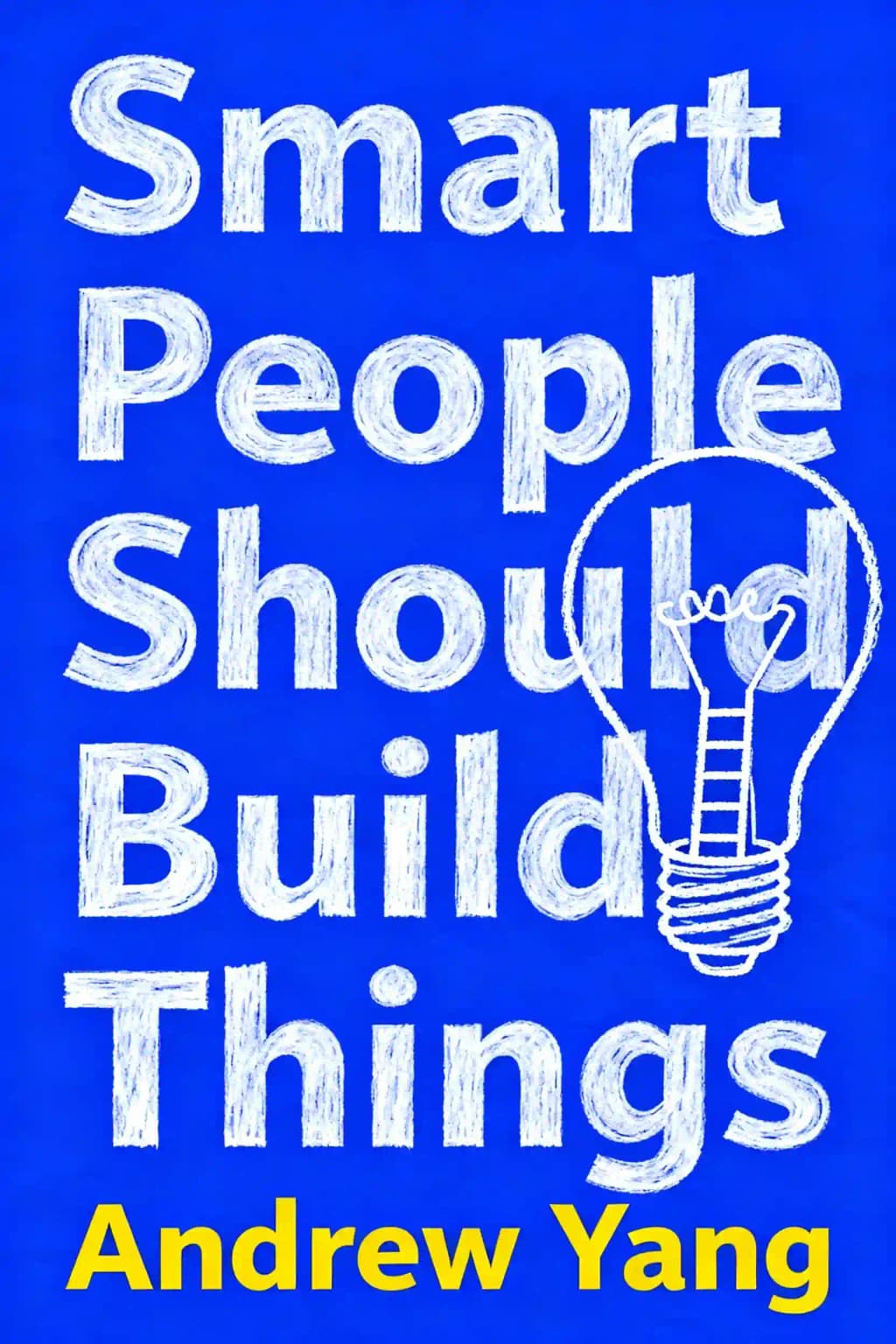
Andrew Yang challenges America's talent pipeline, arguing elite graduates should build startups, not join finance or consulting. Named a White House "Champion of Change," Yang's manifesto reveals why entrepreneurship - not traditional careers - drives economic growth and creates meaningful innovation.
저자의 목소리로 책을 느껴보세요
지식을 흥미롭고 예시가 풍부한 인사이트로 전환
핵심 아이디어를 빠르게 캡처하여 신속하게 학습
재미있고 매력적인 방식으로 책을 즐기세요
Every spring, America's elite universities witness a peculiar ritual. Brilliant students who once dreamed of curing diseases, revolutionizing education, or building revolutionary technologies line up in business casual attire, clutching polished resumes, waiting to interview with Goldman Sachs and McKinsey. The numbers are staggering: 29% of Harvard graduates funnel into finance or consulting, while another 37% pursue law or medical school. Meanwhile, the small companies that could drive real innovation struggle to attract even a single top graduate. Something has gone profoundly wrong with how we deploy our brightest minds-and it's costing us far more than we realize. Why do our smartest graduates abandon their ambitious dreams for spreadsheets and PowerPoint decks? The answer lies in a recruitment machine so sophisticated it makes college admissions look amateur. Investment banks and consulting firms invest millions creating what feels like a natural next step-structured interviews, clear deadlines, defined benchmarks. For students who've spent their lives mastering formal processes, it's irresistible. Dylan Matthews, a 2012 Harvard graduate, captures this perfectly: "Applying to Wall Street is much closer to college applications than applying anywhere else. Harvard students are really good at formal processes like that, and less good at sorting through thousands of job listings from companies whose reputations they don't know." These firms begin courting sophomores through networking events and summer internships, offering something intoxicating: $100,000+ salaries, signing bonuses, prestige, and the promise that "you can do anything after two years here." Meanwhile, a promising startup in Detroit can't compete. No campus presence, no structured training program, no brand recognition. They might offer exciting work and equity, but to a 22-year-old with $100,000 in student debt, that sounds like risk. The consulting firm sounds like security.
Smart People Should Build Things의 핵심 아이디어를 이해하기 쉬운 포인트로 분해하여 혁신적인 팀이 어떻게 창조하고, 협력하고, 성장하는지 이해합니다.
Smart People Should Build Things을 빠른 기억 단서로 압축하여 솔직함, 팀워크, 창의적 회복력의 핵심 원칙을 강조합니다.

생생한 스토리텔링을 통해 Smart People Should Build Things을 경험하고, 혁신 교훈을 기억에 남고 적용할 수 있는 순간으로 바꿉니다.
무엇이든 물어보고, 목소리를 선택하고, 진정으로 공감되는 인사이트를 함께 만들어보세요.

샌프란시스코에서 컬럼비아 대학교 동문들이 만들었습니다
"Instead of endless scrolling, I just hit play on BeFreed. It saves me so much time."
"I never knew where to start with nonfiction—BeFreed’s book lists turned into podcasts gave me a clear path."
"Perfect balance between learning and entertainment. Finished ‘Thinking, Fast and Slow’ on my commute this week."
"Crazy how much I learned while walking the dog. BeFreed = small habits → big gains."
"Reading used to feel like a chore. Now it’s just part of my lifestyle."
"Feels effortless compared to reading. I’ve finished 6 books this month already."
"BeFreed turned my guilty doomscrolling into something that feels productive and inspiring."
"BeFreed turned my commute into learning time. 20-min podcasts are perfect for finishing books I never had time for."
"BeFreed replaced my podcast queue. Imagine Spotify for books — that’s it. 🙌"
"It is great for me to learn something from the book without reading it."
"The themed book list podcasts help me connect ideas across authors—like a guided audio journey."
"Makes me feel smarter every time before going to work"
샌프란시스코에서 컬럼비아 대학교 동문들이 만들었습니다

Smart People Should Build Things 요약을 무료 PDF 또는 EPUB으로 받으세요. 인쇄하거나 오프라인에서 언제든 읽을 수 있습니다.
