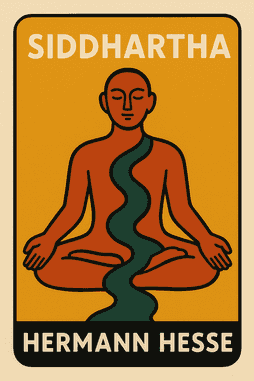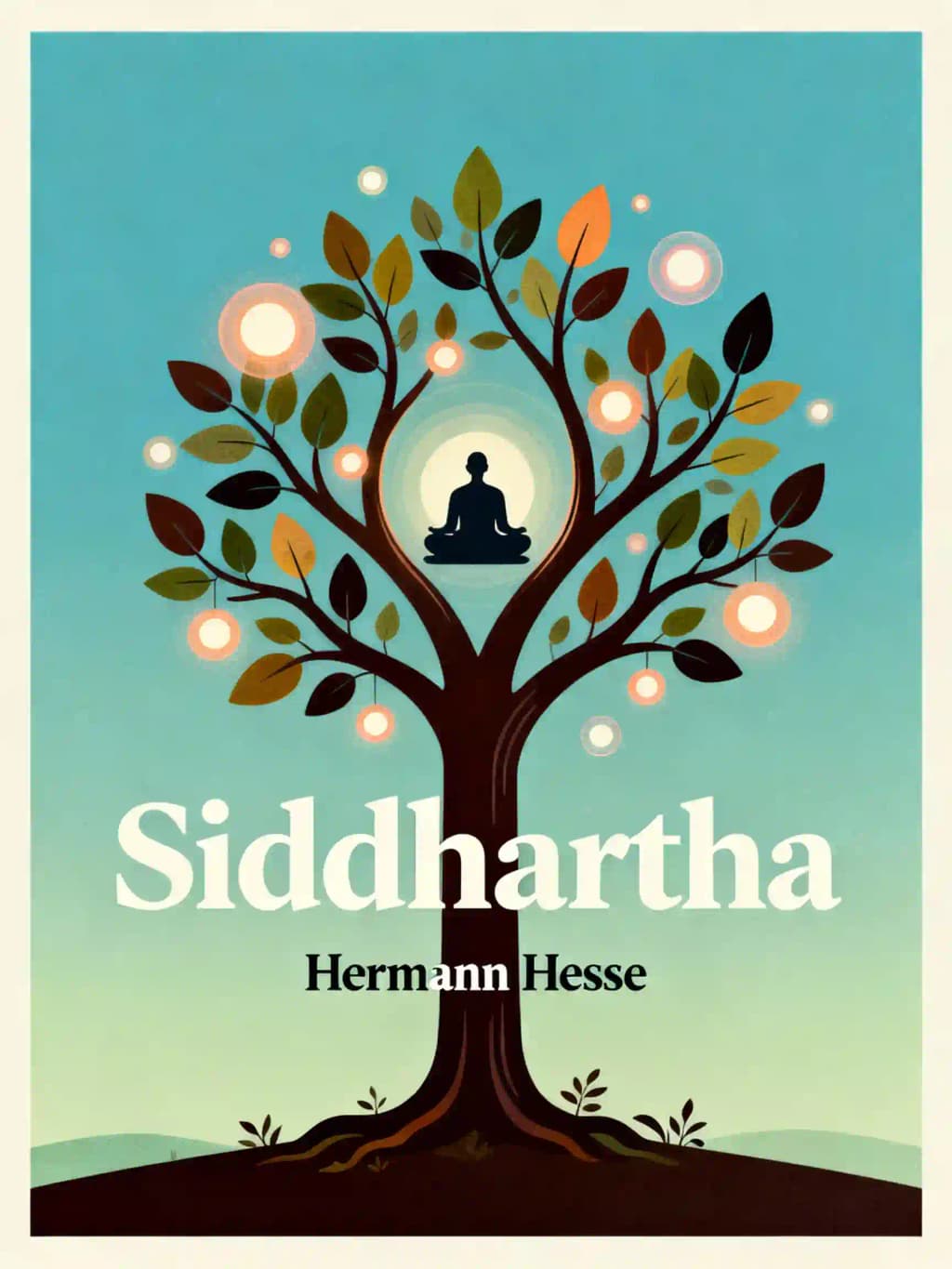
Journey through Siddhartha's quest for enlightenment in Hesse's 1922 masterpiece that fueled the 1960s counterculture revolution. What spiritual wisdom captivated Nobel Prize-winner Hesse, Jim Morrison, and Paulo Coelho alike? Experience the 152 pages that transformed Western understanding of Eastern philosophy.
저자의 목소리로 책을 느껴보세요
지식을 흥미롭고 예시가 풍부한 인사이트로 전환
핵심 아이디어를 빠르게 캡처하여 신속하게 학습
재미있고 매력적인 방식으로 책을 즐기세요
A young man stands motionless through the night, locked in silent confrontation with his father. Not a word passes between them, yet the air trembles with unspoken tension. By dawn, the father relents-his brilliant son will leave their Brahmin home to wander as an ascetic. This isn't rebellion. It's something far more dangerous: a refusal to inherit wisdom secondhand. Hermann Hesse's *Siddhartha* begins with this quiet revolution, and what unfolds is a journey that has haunted readers for a century-not because it offers answers, but because it dares to question whether answers can ever be given at all. The novel's genius lies in its radical premise: enlightenment cannot be taught, only lived. Siddhartha throws himself into ascetic practice with terrifying intensity. He stands under the scorching sun until pain evaporates into numbness. He crouches in thorny bushes until blood becomes irrelevant. Under the guidance of wandering Samanas, he masters breath control so completely that his heartbeat nearly stops. In meditation, his consciousness slips into other forms-a heron soaring, a jackal dying, dust scattering-experiencing the endless wheel of death and rebirth. Think of the most extreme diets or fitness regimes people pursue today, convinced that punishing the body will liberate the spirit. Siddhartha perfects this logic, yet arrives at a disturbing insight: "We're just like drunkards numbing ourselves with rice wine," he tells his devoted friend Govinda. The techniques work-temporarily. But when the meditation ends, the self returns, thirsty as ever. After years of self-denial, Siddhartha recognizes the trap: you cannot escape yourself by running from yourself. The shadow follows wherever you go.
Siddhartha의 핵심 아이디어를 이해하기 쉬운 포인트로 분해하여 혁신적인 팀이 어떻게 창조하고, 협력하고, 성장하는지 이해합니다.
Siddhartha을 빠른 기억 단서로 압축하여 솔직함, 팀워크, 창의적 회복력의 핵심 원칙을 강조합니다.

생생한 스토리텔링을 통해 Siddhartha을 경험하고, 혁신 교훈을 기억에 남고 적용할 수 있는 순간으로 바꿉니다.
무엇이든 물어보고, 목소리를 선택하고, 진정으로 공감되는 인사이트를 함께 만들어보세요.

샌프란시스코에서 컬럼비아 대학교 동문들이 만들었습니다
"Instead of endless scrolling, I just hit play on BeFreed. It saves me so much time."
"I never knew where to start with nonfiction—BeFreed’s book lists turned into podcasts gave me a clear path."
"Perfect balance between learning and entertainment. Finished ‘Thinking, Fast and Slow’ on my commute this week."
"Crazy how much I learned while walking the dog. BeFreed = small habits → big gains."
"Reading used to feel like a chore. Now it’s just part of my lifestyle."
"Feels effortless compared to reading. I’ve finished 6 books this month already."
"BeFreed turned my guilty doomscrolling into something that feels productive and inspiring."
"BeFreed turned my commute into learning time. 20-min podcasts are perfect for finishing books I never had time for."
"BeFreed replaced my podcast queue. Imagine Spotify for books — that’s it. 🙌"
"It is great for me to learn something from the book without reading it."
"The themed book list podcasts help me connect ideas across authors—like a guided audio journey."
"Makes me feel smarter every time before going to work"
샌프란시스코에서 컬럼비아 대학교 동문들이 만들었습니다

Siddhartha 요약을 무료 PDF 또는 EPUB으로 받으세요. 인쇄하거나 오프라인에서 언제든 읽을 수 있습니다.