Seeking Wisdom 개요
In "Seeking Wisdom," creativity guru Julia Cameron offers a six-week spiritual journey that transforms creative blocks into divine inspiration. Endorsed by Russell Brand, this follow-up to her multimillion-selling "The Artist's Way" reveals how prayer becomes a powerful catalyst for artistic breakthrough. What's blocking your creative potential?
- Morning Pages unlock creativity through daily handwritten stream-of-consciousness journaling
- Artist Dates nurture your inner child with weekly solo adventures in wonder
- Creative prayer bridges spirituality and artistry through petitions, gratitude, and praise practices
- The six-week program structure provides a spiritual path to dismantle creative blocks
- "Asking instead of telling" shifts artists from ego-driven to guidance-based creation
- Walking meditation becomes active prayer that sparks clarity and divine inspiration
- Sobriety metaphors reframe creativity as sacred service rather than personal brilliance
- Dylan Thomas' "green fuse" concept redefines spirituality as life-force energy for makers
- Colloquial prayer practices dissolve religious barriers to accessing creative guidance
- Three prayer types: petition (ask), gratitude (thank), praise (wonder) fuel artistic flow
- The "Wow God" technique transforms daily observations into spiritual creative fuel
- Childhood curiosity reactivation through play becomes sacred creative practice
Seeking Wisdom의 저자 소개
Julia Cameron, bestselling author of Seeking Wisdom and internationally renowned creativity expert, has shaped global conversations about artistic empowerment for over three decades. A pivotal figure in personal growth literature, her work intertwines spiritual practice with pragmatic tools for unlocking creative potential.
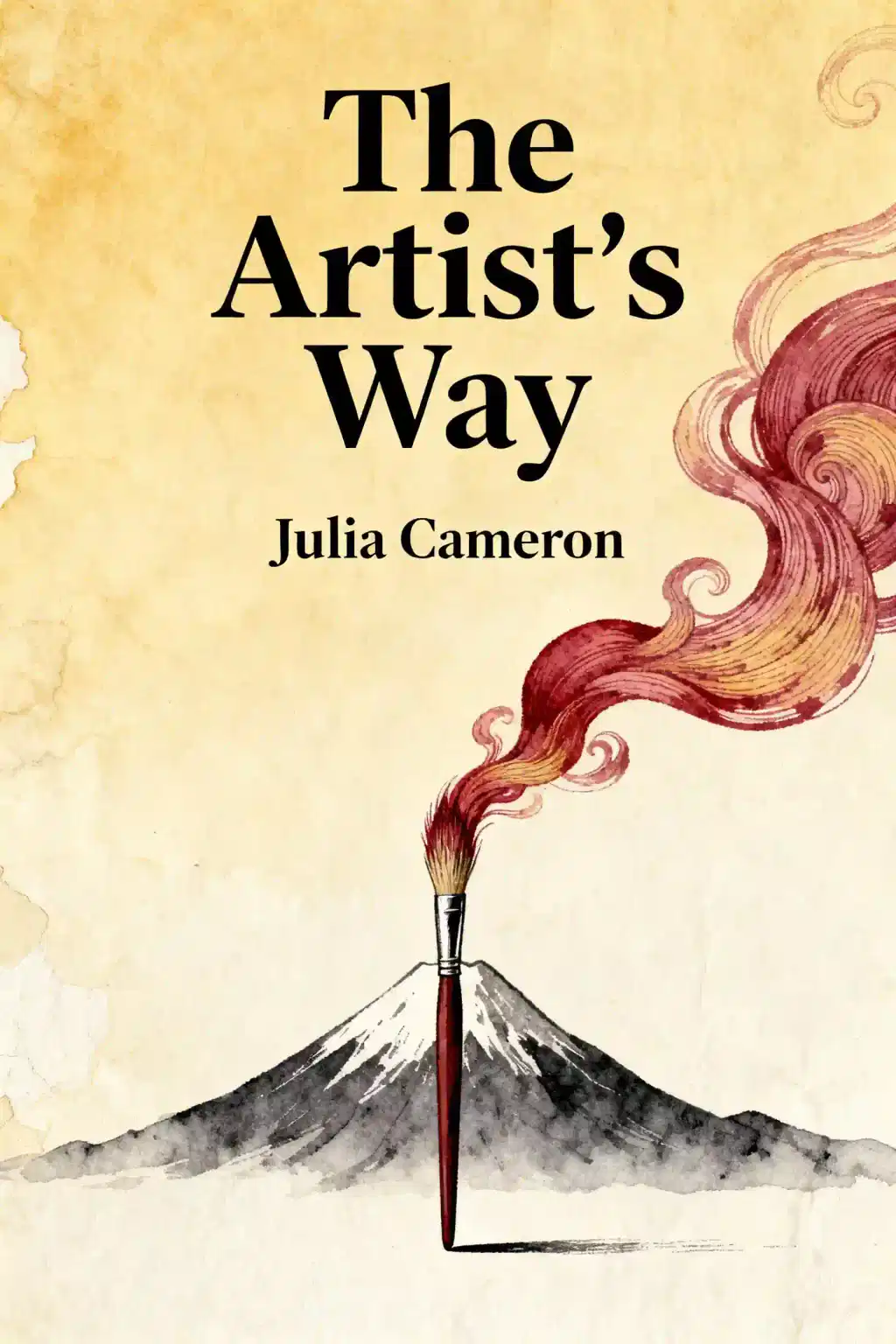
Cameron’s groundbreaking The Artist’s Way—a 12-week program for overcoming creative blocks—has sold over 5 million copies and been translated into 40 languages, establishing her as "The Queen of Change" (The New York Times). Her insights stem from diverse experience as a novelist, playwright, and filmmaker, including collaborations on Martin Scorsese’s Taxi Driver and New York, New York.
A Northwestern University writer-in-residence and educator at institutions like Esalen and Omega Institute, Cameron’s methodology is taught in Fortune 500 companies, rehab centers, and universities worldwide. Her memoir Floor Sample chronicles her journey through addiction recovery while maintaining artistic productivity, reinforcing her philosophy that creativity thrives alongside vulnerability.
Followers of her work on creative unblocking will recognize themes from companion books like The Right to Write and Finding Water, which expand on her signature "Morning Pages" practice. Over 4 million artists attribute their breakthroughs to Cameron’s methods, now standard curriculum in writing programs and corporate innovation workshops.
Seeking Wisdom에 대한 자주 묻는 질문
What is Seeking Wisdom by Julia Cameron about?
Seeking Wisdom explores the intersection of creativity and spirituality through prayer practices, offering a six-week program with reflective exercises like Morning Pages, Artist’s Dates, and walks. Julia Cameron emphasizes spirituality as the foundation for unlocking creativity, blending personal anecdotes with practical “Try This” activities rather than rigid religious frameworks. The book encourages readers to cultivate a dialogue with a Higher Power to overcome creative blocks.
Who should read Seeking Wisdom by Julia Cameron?
This book suits creatives seeking spiritual grounding, individuals facing creative blocks, and fans of Cameron’s The Artist’s Way. It’s ideal for those open to non-denominational spiritual practices or anyone interested in integrating mindfulness into artistic pursuits. Critics note its ambiguous spiritual language may frustrate readers preferring structured religious guidance.
Is Seeking Wisdom worth reading?
Yes, for its actionable exercises linking spirituality to creativity, like the Morning Pages ritual and reflective check-ins. While some find its abstract language limiting, it offers valuable tools for artists and writers seeking inspiration through prayerful introspection. Cameron’s emphasis on personal spiritual exploration over dogma makes it accessible to diverse readers.
How does Seeking Wisdom connect creativity and spirituality?
Cameron argues creativity flows from a divine source, urging readers to nurture spiritual connections through daily prayer and mindfulness. She frames prayer as a tool to dissolve creative blocks, with practices like “listening walks” and gratitude journals fostering artistic inspiration. The book positions creativity as a sacred act, requiring humility and openness to guidance.
What prayer practices does Seeking Wisdom recommend?
Key exercises include:
- Morning Pages: Daily journaling to clear mental clutter.
- Artist’s Dates: Solo excursions to spark creativity.
- Prayer Walks: Mindful walks to reconnect with nature and intuition.
- Check-Ins: Weekly reflections to assess spiritual growth.
How does Seeking Wisdom compare to The Artist’s Way?
While both focus on creative unblocking, Seeking Wisdom prioritizes spirituality over structured artistic exercises. It expands on prayer’s role in creativity, whereas The Artist’s Way emphasizes habit-building through tools like Morning Pages. Fans of Cameron’s earlier work will find deeper exploration of her spiritual philosophy here.
What are the main criticisms of Seeking Wisdom?
Critics argue its abstract spirituality lacks practical direction, with vague terms like “Higher Power” leaving some readers confused. Others note the self-centered focus on personal manifestation contrasts with relational prayer traditions. However, supporters praise its inclusive, non-dogmatic approach to spiritual creativity.
How relevant is Seeking Wisdom in 2025?
Its themes remain timely amid growing interest in mindfulness and holistic creativity. The book’s flexible spirituality aligns with secularized wellness trends, while its anti-perfectionism message resonates in high-pressure creative industries. Updated editions or companion workbooks could address critiques about ambiguity.
What key quotes define Seeking Wisdom?
- “Creativity is a spiritual path” – Central thesis linking art to divinity.
- “Prayer is listening as well as speaking” – Emphasizes reflective spirituality.
- “Walk as if your feet are kissing the earth” – Encourages mindful movement.
Can Seeking Wisdom help with anxiety or burnout?
Yes—its rituals promote mental clarity and stress relief through structured reflection. Morning Pages act as emotional catharsis, while prayer walks reduce overstimulation. However, those seeking clinical anxiety solutions should pair it with professional support.
What spiritual traditions influence Seeking Wisdom?
Cameron blends Christian prayer, Buddhist mindfulness, and New Age spirituality without allegiance to one tradition. The book’s universalist approach avoids dogma, focusing instead on personal experiences of gratitude, surrender, and creative flow.
How long does the Seeking Wisdom program take?
The core curriculum spans six weeks, with weekly themes like “Prayer as Petition” and “Prayer as Surrender”. Daily practices (10–30 minutes) include journaling and meditation, while check-ins provide progress tracking. Readers can extend or adapt timelines for deeper exploration.
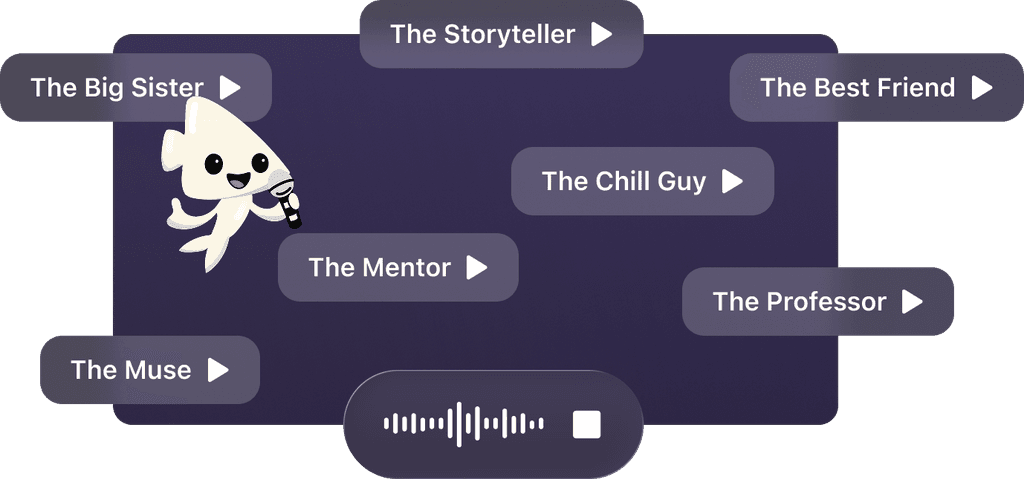
저자의 목소리로 책을 느껴보세요
지식을 흥미롭고 예시가 풍부한 인사이트로 전환
핵심 아이디어를 빠르게 캡처하여 신속하게 학습
재미있고 매력적인 방식으로 책을 즐기세요
Seeking Wisdom의 등장인물
- Julia CameronAuthor and teacher of creative spiritual practice
- BarbaraPainter and recovering alcoholic
- LauraTeacher who practices a running conversation
- VictoriaActor and equestrienne
- MirandaWaitress who maintains a dialogue with the divine
Seeking Wisdom의 핵심 주제
- spiritual creative practice
- reimagining divine connection
- conversational prayer
- overcoming religious trauma
- intuitive guidance
Seeking Wisdom의 명언
Prayer is "energy focused for good" and "an act of humility".
Prayer evolves into a practice of connection rather than isolation.
Prayer is both universal in its reach and deeply individual.
Prayer emerges from our childhood questions of "why" that have no answers.
The journey toward a supportive God concept often means reclaiming that childlike directness.
나만의 학습 방법 탐색하기
 빠른 요약 모드
Seeking Wisdom 요약을 9분 만에 읽거나 듣기
Seeking Wisdom의 핵심 아이디어를 이해하기 쉬운 포인트로 분해하여 혁신적인 팀이 어떻게 창조하고, 협력하고, 성장하는지 이해합니다.

 재미있게 모드
Seeking Wisdom의 교훈을 22분 스토리로
생생한 스토리텔링을 통해 Seeking Wisdom을 경험하고, 혁신 교훈을 기억에 남고 적용할 수 있는 순간으로 바꿉니다.
 개인화 모드
Seeking Wisdom을 나만의 학습 스타일로 경험하기
무엇이든 묻고, 학습 스타일을 선택하고, 나에게 맞는 인사이트를 함께 만들어보세요.
샌프란시스코에서 컬럼비아 대학교 동문들이 만들었습니다
"Instead of endless scrolling, I just hit play on BeFreed. It saves me so much time."


"I never knew where to start with nonfiction—BeFreed’s book lists turned into podcasts gave me a clear path."


"Perfect balance between learning and entertainment. Finished ‘Thinking, Fast and Slow’ on my commute this week."
"Crazy how much I learned while walking the dog. BeFreed = small habits → big gains."
"Reading used to feel like a chore. Now it’s just part of my lifestyle."

"Feels effortless compared to reading. I’ve finished 6 books this month already."
"BeFreed turned my guilty doomscrolling into something that feels productive and inspiring."

"BeFreed turned my commute into learning time. 20-min podcasts are perfect for finishing books I never had time for."
"BeFreed replaced my podcast queue. Imagine Spotify for books — that’s it. 🙌"

"It is great for me to learn something from the book without reading it."
"The themed book list podcasts help me connect ideas across authors—like a guided audio journey."
"Makes me feel smarter every time before going to work"
샌프란시스코에서 컬럼비아 대학교 동문들이 만들었습니다
"Instead of endless scrolling, I just hit play on BeFreed. It saves me so much time."
"I never knew where to start with nonfiction—BeFreed’s book lists turned into podcasts gave me a clear path."
"Perfect balance between learning and entertainment. Finished ‘Thinking, Fast and Slow’ on my commute this week."
"Crazy how much I learned while walking the dog. BeFreed = small habits → big gains."
"Reading used to feel like a chore. Now it’s just part of my lifestyle."
"Feels effortless compared to reading. I’ve finished 6 books this month already."
"BeFreed turned my guilty doomscrolling into something that feels productive and inspiring."
"BeFreed turned my commute into learning time. 20-min podcasts are perfect for finishing books I never had time for."
"BeFreed replaced my podcast queue. Imagine Spotify for books — that’s it. 🙌"
"It is great for me to learn something from the book without reading it."
"The themed book list podcasts help me connect ideas across authors—like a guided audio journey."
"Makes me feel smarter every time before going to work"
"Instead of endless scrolling, I just hit play on BeFreed. It saves me so much time."
"I never knew where to start with nonfiction—BeFreed’s book lists turned into podcasts gave me a clear path."
"Perfect balance between learning and entertainment. Finished ‘Thinking, Fast and Slow’ on my commute this week."
"Crazy how much I learned while walking the dog. BeFreed = small habits → big gains."
"Reading used to feel like a chore. Now it’s just part of my lifestyle."
"Feels effortless compared to reading. I’ve finished 6 books this month already."
"BeFreed turned my guilty doomscrolling into something that feels productive and inspiring."
"BeFreed turned my commute into learning time. 20-min podcasts are perfect for finishing books I never had time for."
"BeFreed replaced my podcast queue. Imagine Spotify for books — that’s it. 🙌"
"It is great for me to learn something from the book without reading it."
"The themed book list podcasts help me connect ideas across authors—like a guided audio journey."
"Makes me feel smarter every time before going to work"
"Instead of endless scrolling, I just hit play on BeFreed. It saves me so much time."
"I never knew where to start with nonfiction—BeFreed’s book lists turned into podcasts gave me a clear path."
"Perfect balance between learning and entertainment. Finished ‘Thinking, Fast and Slow’ on my commute this week."
"Crazy how much I learned while walking the dog. BeFreed = small habits → big gains."
"Reading used to feel like a chore. Now it’s just part of my lifestyle."
"Feels effortless compared to reading. I’ve finished 6 books this month already."
"BeFreed turned my guilty doomscrolling into something that feels productive and inspiring."
"BeFreed turned my commute into learning time. 20-min podcasts are perfect for finishing books I never had time for."
"BeFreed replaced my podcast queue. Imagine Spotify for books — that’s it. 🙌"
"It is great for me to learn something from the book without reading it."
"The themed book list podcasts help me connect ideas across authors—like a guided audio journey."
"Makes me feel smarter every time before going to work"

Seeking Wisdom 요약 다운로드
Seeking Wisdom 요약을 무료 PDF 또는 EPUB으로 받으세요. 인쇄하거나 오프라인에서 언제든 읽을 수 있습니다.