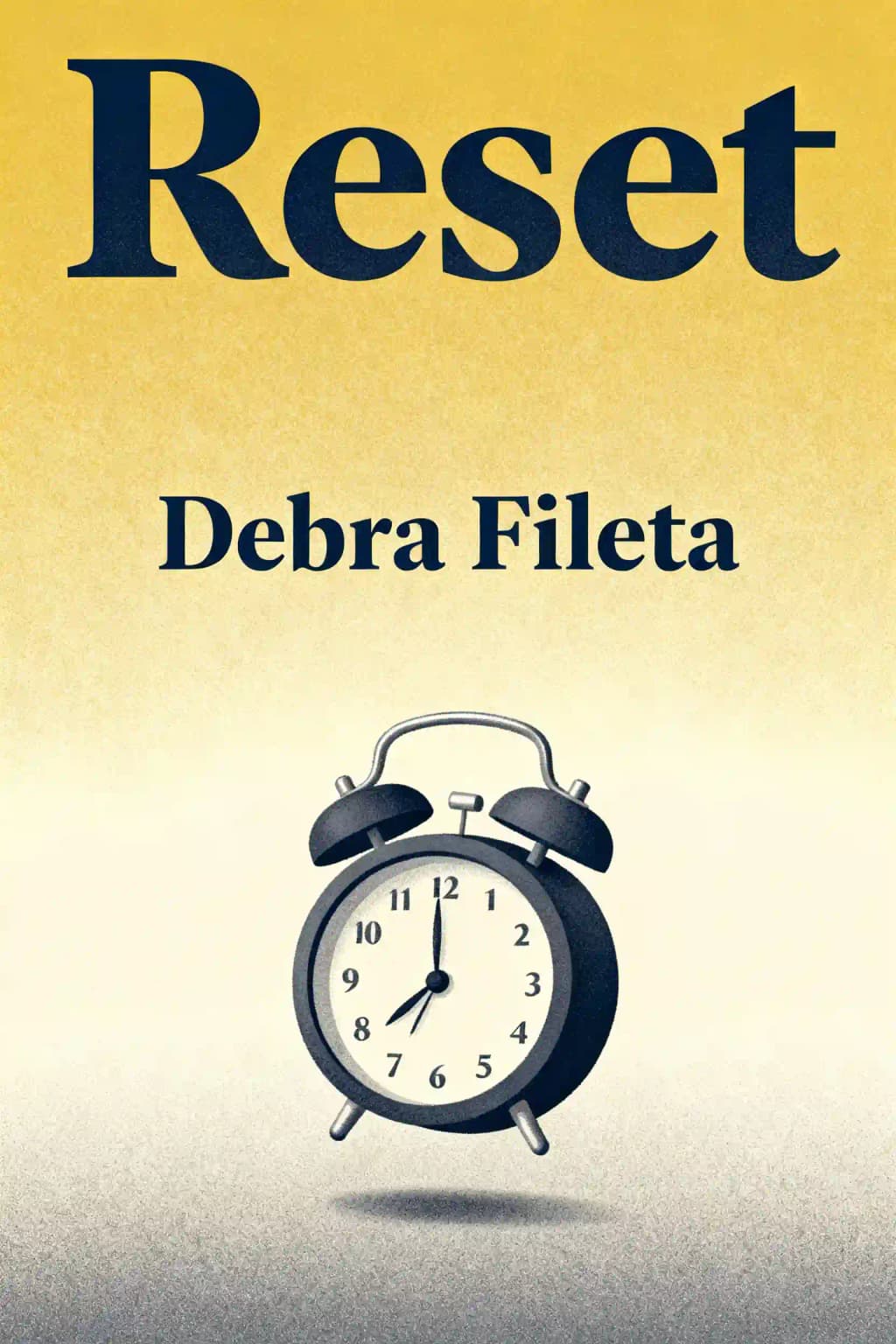
Trauma-informed counselor Debra Fileta offers a revolutionary blueprint for rewiring your mind. "Reset" bridges psychology and faith, guiding readers through healing childhood wounds while building sustainable habits. What if understanding your past emotions could transform your future? Discover the holistic approach reshaping mental health conversations.
Debra K. Fileta is a Licensed Professional Counselor and bestselling author known for blending psychological insights with faith-based wisdom, as showcased in her book, Reset: Powerful Habits to Own Your Thoughts, Understand Your Feelings, and Change Your Life.
Specializing in relationships and mental health, Fileta utilizes her clinical expertise and Christian perspective to tackle personal growth, emotional healing, and lasting behavioral changes.
As a respected figure in both self-help and Christian living, she established the Debra Fileta Counselors Network and hosts the Talk to Me podcast, providing counseling-style advice to her audience. Her widely read blog, TrueLoveDates.com, attracts millions of readers each year, further expanding on the themes explored in her books, including Choosing Marriage, True Love Dates, and Are You Really OK?, all of which delve into relational health and spiritual wellness.
Fileta’s insights have been highlighted by prominent platforms such as Focus on the Family, The 700 Club, and Relevant Magazine, solidifying her reputation as a reliable source for integrating faith with practical psychological principles. Published by Harvest House, Reset reflects her ongoing commitment to empowering individuals through actionable, biblically informed strategies.
Reset provides a 31-day roadmap to transform thoughts, emotions, and behaviors through psychology-based exercises rooted in Christian faith. It addresses cognitive distortions, self-awareness, and sustainable habit change by combining biblical principles with therapeutic strategies like mindfulness and introspection.
This book suits Christians seeking faith-aligned personal growth, individuals tackling cyclical negative habits, or anyone interested in merging psychological insights with spiritual practices. Counselors and small groups may also use it as a resource for mental health and spiritual development.
Yes, Reset offers actionable, structured practices for lasting change, making it valuable for readers tired of superficial self-help. Its blend of scripture, cognitive-behavioral techniques, and relatable examples provides a balanced approach to emotional and spiritual growth.
Key ideas include:
Debra Fileta merges Bible-based teachings (e.g., Matthew 7:3-5’s “plank in your eye” analogy) with therapeutic methods like mindfulness and self-assessment exercises. This dual approach aims to foster holistic healing by aligning mental health practices with spiritual truths.
The book features 31 daily habits, such as:
While praised for its actionable strategies, some readers may find its strong Christian focus less applicable to secular audiences. However, the psychological principles remain broadly relevant, and the faith elements are presented as complementary rather than restrictive.
Fileta emphasizes “rewiring” neural pathways through incremental changes, advocating for consistency over intensity. The book teaches readers to replace unhealthy patterns with life-giving habits by aligning thoughts, feelings, and actions.
Unlike generic habit guides, Reset targets the intersection of mental health and spirituality, offering faith-driven readers tools to address both internal thought processes and external behaviors. Its 31-day structure also provides a clear, manageable framework.
Yes, the book’s daily exercises and discussion-friendly topics (e.g., vulnerability, self-awareness) make it ideal for church groups, counseling sessions, or book clubs. Many chapters include reflection questions to facilitate group dialogue.
Fileta is a Licensed Professional Counselor with 15+ years of clinical experience specializing in relationships and mental health. She’s authored multiple bestselling books and hosts a podcast blending faith and psychology, lending authority to her methods.
The book prioritizes identifying the “why” behind emotions through introspection, scripture, and cognitive reframing. Fileta argues that lasting healing requires addressing root causes like unresolved trauma or distorted thinking patterns.
저자의 목소리로 책을 느껴보세요
지식을 흥미롭고 예시가 풍부한 인사이트로 전환
핵심 아이디어를 빠르게 캡처하여 신속하게 학습
재미있고 매력적인 방식으로 책을 즐기세요
Thought change leads to life change.
Pausing is a prerequisite to change.
We can't start if we've never taken time to stop.
Reset의 핵심 아이디어를 이해하기 쉬운 포인트로 분해하여 혁신적인 팀이 어떻게 창조하고, 협력하고, 성장하는지 이해합니다.
생생한 스토리텔링을 통해 Reset을 경험하고, 혁신 교훈을 기억에 남고 적용할 수 있는 순간으로 바꿉니다.
무엇이든 묻고, 학습 스타일을 선택하고, 나에게 맞는 인사이트를 함께 만들어보세요.

샌프란시스코에서 컬럼비아 대학교 동문들이 만들었습니다
"Instead of endless scrolling, I just hit play on BeFreed. It saves me so much time."
"I never knew where to start with nonfiction—BeFreed’s book lists turned into podcasts gave me a clear path."
"Perfect balance between learning and entertainment. Finished ‘Thinking, Fast and Slow’ on my commute this week."
"Crazy how much I learned while walking the dog. BeFreed = small habits → big gains."
"Reading used to feel like a chore. Now it’s just part of my lifestyle."
"Feels effortless compared to reading. I’ve finished 6 books this month already."
"BeFreed turned my guilty doomscrolling into something that feels productive and inspiring."
"BeFreed turned my commute into learning time. 20-min podcasts are perfect for finishing books I never had time for."
"BeFreed replaced my podcast queue. Imagine Spotify for books — that’s it. 🙌"
"It is great for me to learn something from the book without reading it."
"The themed book list podcasts help me connect ideas across authors—like a guided audio journey."
"Makes me feel smarter every time before going to work"
샌프란시스코에서 컬럼비아 대학교 동문들이 만들었습니다

Reset 요약을 무료 PDF 또는 EPUB으로 받으세요. 인쇄하거나 오프라인에서 언제든 읽을 수 있습니다.
Why do we keep doing things that don't serve us? You know the pattern - reaching for your phone when you're anxious, snapping at the people you love most, or filling your calendar so full there's no room to breathe. We tell ourselves we'll change tomorrow, next week, after the holidays. But tomorrow comes and we're running the same program, stuck in the same loops. Here's the uncomfortable truth: most of us are living on autopilot, operating from factory settings we never consciously chose. Those settings were installed by childhood experiences, cultural messages, past wounds, and fear. Real transformation doesn't come from trying harder at the surface level - it requires going beneath to examine the wiring itself. Picture a car with crossed electrical wires. The windows roll down randomly, the alarm blares for no reason, the locks malfunction. You could spend years treating each symptom separately, or you could trace everything back to the source. Our lives work the same way. We focus obsessively on changing behaviors - eating better, managing time, controlling our temper - without addressing what's happening underneath. But here's what actually drives human experience: thoughts create feelings, and feelings drive behaviors. When you constantly think "I'm not good enough," you'll feel anxious and insecure, leading to self-sabotaging behaviors like procrastination or people-pleasing. Consider someone struggling with overspending. The surface issue looks financial, but dig deeper and you might find beliefs about self-worth tied to possessions, or shopping as a temporary escape from loneliness. Someone who overworks might not be naturally ambitious - they might carry deep-seated beliefs that their value depends on productivity. This inside-out approach explains why New Year's resolutions collapse by February and why willpower alone rarely creates lasting change. You're starting at the end of the process instead of the beginning.
Before you can start, you must stop. This sounds counterintuitive in a hustle-obsessed culture, but pausing isn't weakness-it's the foundation of meaningful change. Think about background noise while you sleep. You grow accustomed to it, barely noticing, yet it still drains energy and robs you of deep rest. Our lives contain similar noise: external distractions like notifications and ambient sounds, plus internal noise-racing thoughts, endless to-do lists, mental wandering. Both psychology and spirituality recognize the power of pause. When God told Job to "pause a moment and listen," it wasn't a gentle suggestion but a command. Your nervous system needs stillness to regain balance. "Be still, and know that I am God" isn't compassionate advice-it's a direct order to stop striving. Try this: Find a quiet space, turn off your phone, sit with your feet flat on the ground, close your eyes, and breathe deeply for ten minutes. Your mind will wander. That's normal. Make this a weekly or daily routine, even for just three to five minutes. The biggest obstacle to your transformation is you-not because you want to be stuck, but because humans see themselves through rose-colored glasses. Research shows roughly 80% of people rate themselves above average in qualities like driving ability, which is statistically impossible. Jesus addressed this when He spoke about removing the plank from your own eye before addressing the speck in another's-a powerful metaphor about how we magnify others' faults while minimizing our own. To overcome these blind spots, learn to see yourself from the outside in. Think of a recent conflict and imagine watching it unfold like a movie. What did your voice sound like-sharp, defensive? Did you cross your arms? How did others react? This objective observation reveals patterns we're otherwise blind to.
Past disappointments lower our expectations, especially of God. After unanswered prayers, we unconsciously stop expecting miracles, protecting ourselves by expecting less. When a mother felt prompted to pray for her five-year-old's healing despite medical evidence, she obeyed. Forty minutes into surgery, the surgeon emerged astonished-the problem visible on multiple scans had vanished. Psychology calls this a self-fulfilling prophecy: our beliefs shape actions that create expected realities. Expect a terrible day and you'll withdraw, focus on negatives, and interpret events pessimistically-creating that very experience. Expect good and you'll smile more, show kindness, and notice beauty-creating that reality instead. When you genuinely expect God to be good and mighty, you'll experience Him that way because you're actively looking for His goodness. James writes, "Confess your sins to each other and pray for each other so that you may be healed." Verbal acknowledgment reduces struggles' power. While tempting to focus on changing others, you can only transform yourself. Real change begins with Jesus's question: "Do you want to be healed?" This requires examining not just actions but underlying motivations-avoiding vulnerability, maintaining control, protecting from threats. Lasting change occurs when transformation's benefits outweigh staying the same.
Our relationship with emotions resembles swimming - some people are comfortable in the deep end of emotional expression, while others prefer the shallow end of facts and ideas. Conversations happen at three levels: facts (shallow), opinions (middle), and feelings (deep). Our comfort with emotions stems from accumulated life experiences, not personality or gender. Many learn to suppress emotions because childhood experiences taught them that emotional expression led to punishment or rejection. Phrases like "Stop crying or I'll give you something to cry about" taught that suppressing feelings was the path to acceptance. Ignoring emotions doesn't eliminate them - they surface in unexpected, destructive ways through physical ailments, relationship difficulties, or sudden outbursts. There's a vital difference between reacting to feelings (acting quickly to make discomfort disappear) versus responding to them (taking time to understand what they signal). While emotions are real and valid signals, they aren't always reliable truth-tellers. Jesus in Gethsemane experienced intense distress yet chose to trust God's plan rather than be led solely by feelings. Modern culture promotes trigger avoidance - eliminating anything causing discomfort. But triggers reveal emotional wounds needing attention. Rather than avoiding triggers, recognize them as invitations for deeper healing. Your feelings are messengers, not masters - learning to listen without being controlled by them is one of the most powerful skills you can develop.
Your body stores emotions through neurochemicals-positive feelings release serotonin, dopamine, and oxytocin, while negative ones flood you with cortisol and adrenaline. Anxiety creates stomach knots, anger raises blood pressure, sadness triggers stress hormones. People maintaining positive emotional states live seven to ten years longer. The mind-body feedback loop is powerful-thoughts shape emotions, which influence physical health. Regular movement fundamentally alters brain chemistry, increasing BDNF, boosting endorphins, and reducing cortisol. Clinical trials show consistent exercise can match pharmaceutical antidepressants for mild to moderate depression. Without proper outlets, emotional pressure accumulates into unhealthy coping mechanisms: excessive social media, substance abuse, emotional eating, isolation. Healthier alternatives require conscious cultivation: exercise, social connections, counseling, proper nutrition, mindfulness, healthy boundaries. Your body speaks through physical symptoms. The question is whether you're listening and responding with the care it deserves.
Change requires proper preparation - neither overplanning nor underplanning. You need a detailed plan while trusting God with the outcome. Preparation is the crucial third stage of change, following awareness and contemplation. Without it, failure is inevitable. Get specific: What triggers derail you? What support systems do you need? What small steps can you take today? Vague intentions produce vague results, but concrete plans create pathways for transformation. Healing isn't linear but cyclical - a pattern of trying, failing, and trying again. Each attempt strengthens you as you choose healing over shame. When old issues resurface, it's not a setback but an opportunity for deeper healing. Relapse isn't proof of brokenness but part of the messy process of becoming whole. God never expected perfection. He sent Jesus to bridge the gap, offering His perfection so we can focus on the process. The goal isn't arriving at some perfect state but continually turning toward health, one thought, one feeling, one behavior at a time. You're not aiming for flawless execution but faithful direction. Each small choice toward health matters, even when surrounded by missteps.
Real change happens beneath the surface. Your behaviors are symptoms, not causes. Your emotions are signals, not enemies. Your body is speaking - are you listening? Stop running the same program expecting different results. Pause to examine the wiring. Own your story with courage. Feel your feelings without being controlled by them. Reset means choosing growth over comfort, healing over numbness, abundant life over mere existence. True transformation means examining those crossed wires - misconstrued beliefs, misunderstood feelings, misdirected actions that keep you stuck. Raise your expectations to match God's character rather than past disappointments. See yourself clearly, without self-deception or shame. Dive into the deep end of emotion, learning to respond rather than react. This isn't positive thinking divorced from reality - it's aligning expectations with truth, with God's goodness, with your capacity for change when you address root issues. Start today. Your reset begins now - not with perfection, but with one honest moment, one brave choice, one step toward the wholeness waiting for you.