1장
Into the Mist: A Tale of Magic, Monsters, and Forbidden Power
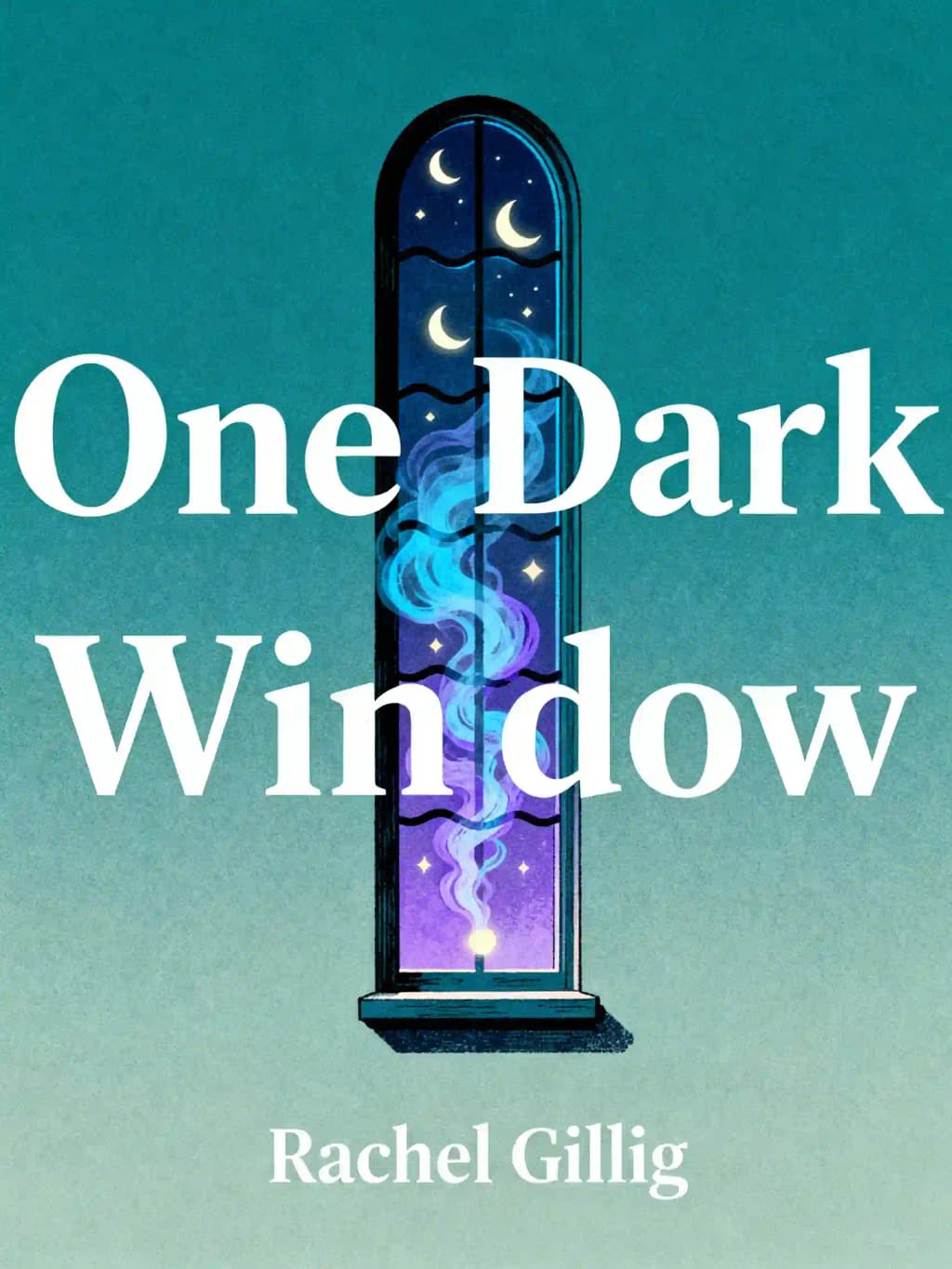
"One Dark Window" has captivated readers with its unique blend of gothic fantasy and psychological horror since its 2022 release. This dark fantasy novel by Rachel Gillig quickly became a BookTok sensation, with readers drawn to its atmospheric world-building and complex protagonist. The book's exploration of forbidden magic resonated deeply with fantasy fans seeking something beyond traditional tropes, earning comparisons to works by Naomi Novik and Leigh Bardugo. What makes this story particularly compelling is how it weaves together elements of fairy tale darkness with a uniquely constructed magic system based on tarot-like cards. As Gillig's debut novel, it announced her as a formidable new voice in fantasy literature, one who isn't afraid to explore the shadows that lurk within us all.
2장
A Kingdom Shrouded in Magic and Mist
The kingdom of Blunder exists in perpetual twilight, shrouded by an ever-expanding magical mist that threatens to consume everything in its path. This mist, shimmering with an otherworldly purple-gray hue, creeps through forests and over city walls, leaving behind a landscape of twisted vegetation and abandoned settlements. This supernatural fog is no natural phenomenon but the vengeful creation of the Spirit of the Wood, an ancient entity who once protected the realm's magical balance. The Spirit was enraged when the legendary Shepherd King attempted to democratize magic through twelve Providence Cards, each imbued with extraordinary powers - from combat mastery that turns ordinary farmers into legendary warriors, to mind-speaking that allows communication across vast distances, to invisibility that renders the user completely undetectable to both magical and mundane means.
However, these Cards exact a terrible price when overused. Their powers leave physical marks on their wielders: combat masters develop metallic skin that spreads like armor, mind-speakers begin to lose their own thoughts to the chorus of others' voices, and those who abuse invisibility slowly fade from existence entirely. These visible manifestations of power make it impossible for Card-wielders to hide their abilities, marking them as both privileged and cursed.
The mist brings with it a deadly fever that primarily targets children, infecting them with dangerous, uncontrolled magic that manifests in unpredictable ways - from spontaneous combustion to inadvertent shapeshifting. Survivors of this fever face an impossible choice: hide their infection and risk execution if discovered, or succumb to degeneration - a horrifying process where their powers slowly consume them from within, twisting both body and mind until they become something barely human. The kingdom's ruling Rowan family established two powerful institutions: the Physicians, white-robed healers who can identify the infected through special crystals that glow in the presence of forbidden magic, and the Destriers, elite mounted warriors who hunt down and eliminate those who show signs of infection.
Within this oppressive system, an ancient prophecy recorded in the Chronicles of the First Mist offers the only hope for salvation. The prophecy states that if all twelve Providence Cards can be united with "the black blood of salt" at "the King's namesake tree" during the Midnight Sun, the mist might finally be lifted and the Spirit of the Wood appeased. Yet the Twin Alders Card - the most powerful of all, capable of duplicating any other Card's abilities - has been lost for centuries, hidden by the Shepherd King himself before his mysterious disappearance into the mist. The current King Rowan, watching his kingdom slowly suffocate under the expanding fog, desperately seeks this final Card, willing to sacrifice anything and anyone to complete the Deck and save his realm.
The intricate world-building creates a claustrophobic atmosphere where danger lurks both in the supernatural mist and within the kingdom's own walls. The Providence Cards themselves become characters, each with distinct personalities and dangers, forming a magic system that feels both ancient and fresh. Their powers interact in unexpected ways - the Sword Card's combat enhancement can be amplified by the Mirror Card's reflection abilities, while the Crow Card's flight powers can be combined with the Shadow Card's stealth to create perfect aerial assassins.
3장
The Girl with the Monster Inside
Elspeth Spindle carries a deadly secret. At nine years old, she survived the magical fever that infects children of Blunder, but emerged with something monstrous living inside her mind-a presence she calls the Nightmare. This entity is no mere hallucination but the trapped soul of the ancient Shepherd King himself, absorbed when young Elspeth touched the Nightmare Providence Card in her uncle's library.
For eleven years, Elspeth has maintained a careful facade of normalcy, perfecting a blank expression to hide her secret while living with her aunt and uncle after her father abandoned her. The Nightmare grants her supernatural abilities-enhanced strength, the power to see Providence Cards even through walls, and resistance to certain magics-but each use of these powers strengthens his control over her. Unlike other infected individuals whose degeneration manifests as physical weakness, Elspeth's degeneration is the gradual loss of herself to the ancient king who shares her consciousness.
Her carefully constructed life begins to unravel when she encounters Captain Ravyn Yew, the kingdom's head Destrier, who should be her natural enemy but instead harbors secrets of his own. When Ravyn discovers Elspeth can see and identify Providence Cards-a unique ability that could help locate the missing Twin Alders-he recruits her into a dangerous plot to collect the Deck and save his degenerating brother Emory.
Elspeth's character journey is particularly compelling because she must constantly negotiate not just with external threats but with the Nightmare inside her-a being who is both protector and predator, savior and usurper. Their internal dialogue creates a fascinating dynamic where Elspeth must determine how much of her own agency she's willing to sacrifice for power and protection. The Nightmare speaks in riddles and cryptic statements, gradually revealing his true nature and intentions as the story progresses.
4장
Cards of Fate and Fortune
The Providence Cards form the backbone of the novel's magic system, each one a double-edged sword of power and peril. Created by the Shepherd King to share magic with his people, these twelve Cards have become tools of control in the hands of the Rowan dynasty. Each Card grants a specific ability but exacts a terrible cost when overused:
The Black Horse bestows combat mastery but leaves the user physically weakened. The Golden Egg brings wealth at the cost of growing greed. The Prophet offers glimpses of the future but instills debilitating fear. The White Eagle grants courage but renders the user helpless in other situations. The Maiden provides beauty while poisoning the heart. The Chalice turns any liquid into truth serum but chills the user's heart against compassion. The Well reveals enemies but breeds paranoia and betrayal. The Iron Gate offers serenity while shortening life. The Scythe controls others but causes physical pain to the user. The Mirror grants invisibility but forces the user to confront ghosts of the past. The Nightmare allows mind-speaking but reveals one's deepest fears.
The final Card-the Twin Alders-supposedly allows communion with the Spirit of the Wood itself, but its cost remains unknown as no record exists of anyone using it for extended periods.
What makes this system particularly fascinating is how the Cards interact with infected individuals. Ravyn, for instance, gradually loses the ability to use most Cards due to his infection, while Elspeth can see the Cards' distinctive colored glows even when hidden. The Cards themselves seem semi-sentient, calling to one another and to those who might wield them, creating a web of magical influence that extends throughout the kingdom.
The Cards serve as both literal plot devices-objects to be collected-and metaphorical representations of power's corrupting influence. Each Card's rhyming warning emphasizes the central theme that all magic demands payment, whether sanctioned by the kingdom or born of forbidden infection.
5장
A Dance of Deception and Desire
The relationship between Elspeth and Ravyn forms the emotional core of the novel, beginning as mutual suspicion before evolving into reluctant alliance and eventually passionate connection. Their first meeting occurs when Ravyn, disguised as a highwayman, attempts to rob Elspeth on a forest road. She defends herself with the Nightmare's strength, leaving Ravyn both injured and intrigued by her mysterious abilities.
When they later meet at Stone Castle during the Equinox celebration, Ravyn recognizes Elspeth but keeps her secret, proposing instead that she help his clandestine group locate and collect Providence Cards. Their arrangement begins as purely transactional-she'll identify Cards with her unique vision, and he'll protect her family from discovery-but quickly becomes complicated by growing attraction and shared secrets.
The fake courtship they undertake as cover for their alliance adds delicious tension to their interactions. What begins as performance gradually becomes genuine, though both remain wary of fully trusting the other. Ravyn's promise never to use his Nightmare Card on Elspeth without permission establishes boundaries that reflect their mutual respect, making his eventual breaking of that promise all the more significant.
Their relationship develops through shared dangers and quiet moments alike-dancing at the Equinox feast, discussing their infections in the castle gardens, stealing Cards from powerful nobles, and eventually surrendering to their desires in Ravyn's chambers. What makes their connection compelling is how they see and accept each other's monstrous aspects while society would condemn them both to death for the same qualities.
The romance subplot never overwhelms the main narrative but instead enhances it, raising the emotional stakes as both characters must eventually choose between personal happiness and larger responsibilities. Their relationship serves as a counterpoint to the novel's darker themes of control and manipulation, offering a vision of connection based on acceptance rather than domination.
6장
Family Ties and Betrayals
Family relationships-both blood and chosen-form a complex web throughout the narrative. Elspeth's family history is marked by abandonment and divided loyalties. Her father rejected her after her infection, sending her to live with her aunt and uncle while keeping her half-sisters in his household. Her aunt shows genuine love and protection, while her uncle sees her primarily as a potential source of profit. Her cousin Ione begins as her closest friend but grows distant after accepting a Maiden Card and betrothal to Prince Hauth.
Ravyn's family presents a different dynamic centered around protection and sacrifice. His parents, Fenir and Morette Yew, lead a secret council working against King Rowan's more oppressive policies. His sister Jespyr serves as the only female Destrier, maintaining a prickly exterior that hides deep loyalty. Most significant is Ravyn's relationship with his brother Emory, whose advanced degeneration drives Ravyn's desperate search for the Twin Alders Card and a cure.
Prince Elm Rowan occupies a unique position as a Rowan by blood but aligned with the Yews by choice. Rejected by his own family and taken in by Ravyn, he maintains a complex relationship with his royal heritage, wielding a Scythe Card like his brother Hauth but using it to protect rather than control.
The novel explores how family can be both sanctuary and prison. Elspeth's father ultimately redeems himself partially by gifting her the Well Card, while Ione's transformation through the Maiden Card represents how power can corrupt even the closest bonds. The Yew family's united front against royal tyranny contrasts sharply with the Rowans' internal power struggles, suggesting that chosen loyalty ultimately proves stronger than inherited position.
These family dynamics extend to the Providence Cards themselves, which are described as "calling to each other" like siblings separated across the kingdom, creating a metaphorical family that must be reunited to heal the land.
7장
The Price of Power
"Nothing comes for free, especially magic." This central theme echoes throughout the novel, examining the various costs of power and the willingness to pay them. Every magical element in the story exacts a price, whether physical, emotional, or moral.
The Providence Cards represent the most structured form of this exchange-clearly defined powers with equally clear consequences for overuse. The Scythe grants control over others but causes physical pain; the Maiden bestows beauty but poisons the heart; the Mirror provides invisibility but forces confrontation with painful memories. These costs are codified in rhyming warnings that emphasize the inevitable balance between power gained and price paid.
Infection magic presents a more chaotic version of this exchange. Those infected gain extraordinary abilities but face degeneration-the gradual deterioration of body or mind. Emory's infection grants prophetic visions but leaves him physically wasted and coughing blood. Ravyn can neutralize certain Cards but loses the ability to use them himself over time. Elspeth's power comes with the most insidious cost-each time she draws on the Nightmare's strength, she surrenders more control to him, risking complete possession.
Even political power demands sacrifice. King Rowan maintains control through the four red Scythe Cards but lives in constant fear of rebellion. Hauth pursues power through cruelty and manipulation but creates enemies at every turn. Ione trades her authentic self for beauty and royal connection through the Maiden Card, becoming cold and calculating in the process.
The novel asks profound questions about what prices are worth paying and who should bear the cost. Is Ravyn justified in risking everything to save his brother? Is Elspeth's gradual surrender to the Nightmare warranted if it protects those she loves? The characters' varying answers to these questions define their moral positions within the story.
8장
Rebellion Against Tyranny
Beneath the personal struggles runs a deep current of political resistance against an increasingly oppressive regime. King Rowan's rule has grown more tyrannical as the mist expands, with Destriers and Physicians enforcing harsh penalties against anyone infected with magic. Public executions have become theatrical displays of royal power, where families of infected children are forced into the mist without protective charms, their deaths serving as warnings to others who might harbor magic users. These demonstrations occur weekly in Castle Square, drawing mandatory attendance from the nobility to ensure their continued loyalty.
The resistance movement, led by Ravyn Yew from the ancient stronghold of Castle Yew, operates through a complex network of sympathizers, including merchants, lower-ranking nobles, and even some reformed Destriers. Their stated mission to collect the Providence Cards to cure Emory and lift the mist masks a broader agenda of systemic change. Their activities - from creating safe houses for infected children to maintaining underground escape routes through the old castle tunnels - directly challenge royal authority. The movement's methods include sophisticated operations like forging travel papers, intercepting royal communications, and orchestrating diversions to rescue condemned families.
Prince Elm's involvement adds layers of political intrigue, representing not just family discord but a fundamental split in the kingdom's power structure. His position as second heir allows him to move freely between court circles while gathering intelligence for the resistance, though his actions put him at constant risk of discovery. Several noble houses quietly support his stance, creating a shadow court that parallels the official power structure.
The rebellion operates in moral gray areas, using theft, deception, and occasionally violence while opposing greater evils. Their use of Providence Cards raises ethical questions about fighting corruption with its own tools. This moral complexity manifests in specific incidents, such as when Ravyn breaks Hauth's hand in "balance" for Elspeth's injury, or when resistance members must choose between protecting individuals and maintaining their cover. The movement's internal debates about acceptable tactics mirror larger questions about the nature of justified resistance.
Historical context reveals deeper patterns of power and resistance. The current Rowan dynasty began through betrayal when Brutus Rowan, the Shepherd King's trusted Captain of the Guard, orchestrated a coup during the first mist crisis. This usurpation established systematic persecution of those with infection magic, including the creation of the Physician's Order and the Destrier corps as tools of control. Written records from this period, carefully preserved by resistance archivists, document how the Rowan family gradually transformed protective measures into instruments of oppression.
The revelation that the Nightmare in Elspeth's head is actually the deposed Shepherd King himself adds historical weight to her personal struggle. His presence serves as a living link to the kingdom's last legitimate ruler and transforms Elspeth's battle for control of her mind into a symbolic recreation of the original power struggle. This connection between past and present strengthens the resistance's claim to legitimate authority while highlighting the cyclical nature of political conflict in the realm.
9장
The Monster We Become
Perhaps the most haunting theme is the exploration of monstrosity-how we define it, how we become it, and whether we can resist it. The novel repeatedly blurs the line between heroes and monsters, suggesting that monstrosity often lies in choices rather than nature.
The Nightmare's cryptic rhyme-"The girl, the King... and the monster they became"-captures this ambiguity perfectly. Is the monster the Shepherd King himself, corrupted by centuries of rage? Is it Elspeth when she surrenders to his power? Or is it the hybrid entity they create together, neither fully one nor the other? This question becomes literal when Elspeth looks in the mirror and sees yellow eyes staring back, unsure "whose soul I'm seeing-the Nightmare's or my own."
External monsters abound as well. Hauth Rowan represents institutionalized cruelty, using his Scythe Card to force parents into the mist while their child watches. Orithe Willow, the head Physician, embodies clinical detachment that enables atrocity, drawing infected blood with metal claws while pronouncing judgment. Even seemingly benign characters like Ione become monstrous through their choices, her Maiden Card transforming her into a beautiful but heartless version of herself.
The novel suggests that monstrosity often begins with good intentions. The Shepherd King created the Providence Cards to share magic but inadvertently brought the mist's curse upon his kingdom. Ravyn becomes Captain of the Destriers-hunters of the infected-to protect his own infected brother. Elspeth accepts the Nightmare's power to defend herself and those she loves, each time losing more of herself in the process.
This theme culminates in the novel's final confrontation, where Elspeth fully surrenders to the Nightmare to save Ravyn, killing Orithe and attacking Hauth with supernatural strength. Her final words-merging with the Nightmare's voice-complete the transformation hinted at throughout: "The girl, the King... and the monster they became." Yet even this monstrous act stems from love and sacrifice, complicating any simple moral judgment.
10장
When the Mist Finally Clears
As "One Dark Window" concludes, Elspeth makes the ultimate sacrifice by surrendering control to the Shepherd King, presenting King Rowan with a chilling bargain: her blood and autonomy in exchange for Emory's freedom and assistance in locating the Twin Alders Card. This moment crystallizes the novel's central theme of sacrifice, as Elspeth chooses to give up her own freedom to save the man she loves. The revelation that she-or rather, the Shepherd King within her-knows the final Card is hidden "in a place with no time" transforms our understanding of the entire quest, suggesting that the Shepherd King's possession of her was perhaps inevitable, even necessary, from the start.
Ravyn's silent vow becomes the thread of hope running through the darkness, as he pledges to collect the final Card, lift the mist, save Emory, and free Elspeth from the darkness consuming her. His determination takes on added weight given his complex history with both the Crown and the Providence Cards, making him uniquely positioned to understand the true cost of magic. This resolution masterfully balances hope with dread-hope that the mist might finally be lifted from Blunder, dread at what further prices the magic might demand from those who seek to control it.
The epilogue's preview of the sequel deepens the narrative complexity by revealing the Shepherd King's true motivations through his daughter's ghost. We learn that the Rowans not only murdered his family but systematically erased their existence from history, transforming his possession of Elspeth from a simple act of monstrosity into a calculated move for justice. His quest for "balance" suggests a moral ambiguity that forces readers to question their assumptions about heroes and villains. The revelation that his children were slaughtered adds layers of tragedy and justification to his actions, complicating our understanding of the Nightmare as merely a monster.
Rachel Gillig has constructed a world of intricate moral complexity, where magic operates as both salvation and curse. The Providence Cards serve as powerful metaphors for the choices that define us, each one representing a different aspect of human desire and its cost. The Hanged Man card, for instance, symbolizes sacrifice and suspension between worlds, much like Elspeth's own position between humanity and monstrosity. The Twin Alders Card, with its mysterious power over time itself, represents the ultimate price of trying to change fate.
The novel's conclusion leaves readers grappling with profound questions about the nature of justice, revenge, and redemption. Through Elspeth's transformation and Ravyn's determination, we're forced to consider what truly makes a monster - is it the darkness we carry within, or the choices we make in response to trauma and loss? The book's final pages challenge readers to examine their own moral boundaries: what price would they be willing to pay for what they most desire? And in the pursuit of justice or vengeance, at what point does the seeker become indistinguishable from what they fight against?