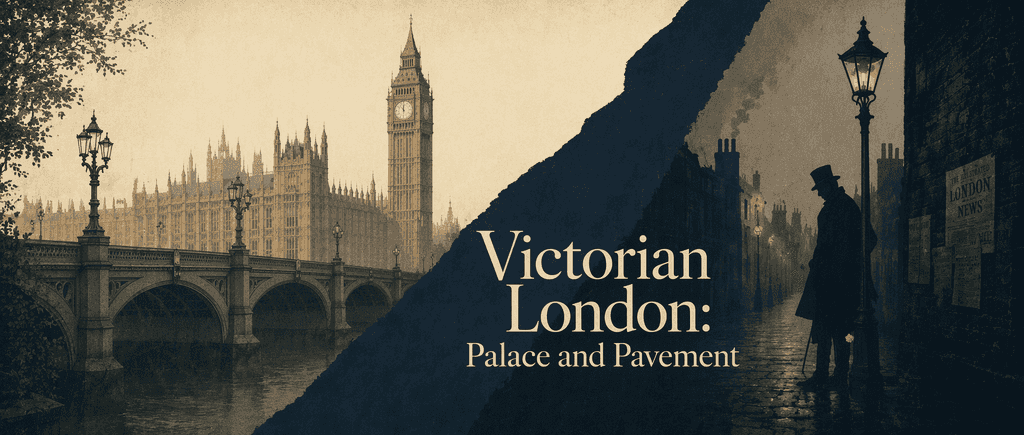
Step into a single day with Clarissa Dalloway, where Woolf's revolutionary stream-of-consciousness technique changed literature forever. This 1925 masterpiece exploring mental illness, post-war trauma, and women's identity remains a cornerstone of feminist thought and modernist storytelling.
Adeline Virginia Woolf (1882–1941), the pioneering modernist author of Mrs. Dalloway, redefined 20th-century literature with her stream-of-consciousness narratives and feminist perspectives. A central figure in London’s Bloomsbury Group, Woolf explored themes of consciousness, time, and societal constraints in her 1925 novel, mirroring her own critiques of gender roles and mental health struggles.
Her groundbreaking works like To the Lighthouse (1927) and Orlando (1928) further solidified her legacy in literary modernism, while the feminist manifesto A Room of One’s Own (1929) remains a cornerstone of gender studies.
Co-founding Hogarth Press with her husband Leonard Woolf, she championed experimental writing and published contemporaries like T.S. Eliot. Mrs. Dalloway has inspired numerous adaptations, including a 1997 film and a 2022 stage production, and Woolf’s works are translated into over 50 languages, attesting to their enduring global influence.
Mrs. Dalloway follows wealthy London hostess Clarissa Dalloway and traumatized veteran Septimus Warren Smith over a single day in post-WWI England. Through stream-of-consciousness narration, Woolf explores themes of time, mental health, and societal constraints, interweaving memories and present experiences to critique rigid class structures and the fragility of human connection.
Fans of modernist literature, psychological depth, and experimental narrative styles will appreciate Woolf’s layered storytelling. It’s ideal for readers interested in themes like post-war trauma, feminism, and the tension between public personas and inner lives.
Yes. Woolf’s pioneering stream-of-consciousness technique and nuanced exploration of identity, time, and societal pressures make it a timeless classic. Its fragmented structure mirrors the chaos of human thought, offering profound insights into mental health and social hierarchies.
Big Ben represents chronological time and societal order, contrasting with characters’ fluid internal experiences. Its relentless chiming anchors the narrative in reality, forcing Clarissa and others to confront mortality and the passage of time.
Septimus Smith’s PTSD and eventual suicide starkly depict post-war trauma and societal neglect. Woolf critiques medical paternalism through his dismissive doctors, highlighting early 20th-century misunderstandings of mental illness.
Flowers reflect social stratification, identity, and repressed desires. Clarissa’s decision to “buy the flowers herself” symbolizes her need for control, while vibrant blooms in shops mirror class disparities.
The compressed timeline emphasizes how fleeting moments contain entire lifetimes of memory and emotion. This structure mirrors Woolf’s belief in “moments of being”—sudden clarity that reveals life’s deeper patterns.
The solitary figure embodies the privacy of the soul and inevitable loneliness of aging. Clarissa sees her as a mirror of her future self, yet admires her serene independence.
Shakespearean references, like lines from Cymbeline, underscore themes of mortality. Septimus’s pre-war aspiration to be a poet contrasts with his postwar despair, linking artistic ideals to human fragility.
Some argue its lack of traditional plot and dense introspection may challenge casual readers. Others note its elite-centric perspective overlooks working-class experiences.
Its exploration of mental health, societal alienation, and the search for meaning resonates in modern contexts like post-pandemic isolation. Woolf’s critique of rigid social roles parallels contemporary discussions on gender and class.
Like To the Lighthouse, it employs stream-of-consciousness and existential themes, but Mrs. Dalloway’s urban setting and focus on a single day distinguish its structure and pacing.
저자의 목소리로 책을 느껴보세요
지식을 흥미롭고 예시가 풍부한 인사이트로 전환
핵심 아이디어를 빠르게 캡처하여 신속하게 학습
재미있고 매력적인 방식으로 책을 즐기세요
She had the oddest sense of being invisible; unseen; unknown; there being no more marrying, no more having of children now, but only this astonishing and rather solemn progress with the rest of them, up Bond Street.
What a lark! What a plunge!
Did it matter then, she asked herself, walking towards Bond Street, did it matter that she must inevitably cease completely; all this must go on without her; did she resent it; or did it not become consoling to believe that death ended absolutely?
Fear no more, says the heart.
Mrs. Dalloway의 핵심 아이디어를 이해하기 쉬운 포인트로 분해하여 혁신적인 팀이 어떻게 창조하고, 협력하고, 성장하는지 이해합니다.
Mrs. Dalloway을 빠른 기억 단서로 압축하여 솔직함, 팀워크, 창의적 회복력의 핵심 원칙을 강조합니다.

생생한 스토리텔링을 통해 Mrs. Dalloway을 경험하고, 혁신 교훈을 기억에 남고 적용할 수 있는 순간으로 바꿉니다.
무엇이든 물어보고, 목소리를 선택하고, 진정으로 공감되는 인사이트를 함께 만들어보세요.

샌프란시스코에서 컬럼비아 대학교 동문들이 만들었습니다
"Instead of endless scrolling, I just hit play on BeFreed. It saves me so much time."
"I never knew where to start with nonfiction—BeFreed’s book lists turned into podcasts gave me a clear path."
"Perfect balance between learning and entertainment. Finished ‘Thinking, Fast and Slow’ on my commute this week."
"Crazy how much I learned while walking the dog. BeFreed = small habits → big gains."
"Reading used to feel like a chore. Now it’s just part of my lifestyle."
"Feels effortless compared to reading. I’ve finished 6 books this month already."
"BeFreed turned my guilty doomscrolling into something that feels productive and inspiring."
"BeFreed turned my commute into learning time. 20-min podcasts are perfect for finishing books I never had time for."
"BeFreed replaced my podcast queue. Imagine Spotify for books — that’s it. 🙌"
"It is great for me to learn something from the book without reading it."
"The themed book list podcasts help me connect ideas across authors—like a guided audio journey."
"Makes me feel smarter every time before going to work"
샌프란시스코에서 컬럼비아 대학교 동문들이 만들었습니다

Mrs. Dalloway 요약을 무료 PDF 또는 EPUB으로 받으세요. 인쇄하거나 오프라인에서 언제든 읽을 수 있습니다.
On a bright June morning in 1923, Clarissa Dalloway steps into the London streets to buy flowers for her party. This simple errand launches us into the intricate web of her consciousness, where present sensations constantly intertwine with memories of her youth at Bourton. As Big Ben strikes the hours throughout the day, its sound reverberates through the minds of characters moving through post-war London - a city vibrant yet haunted by recent trauma. The novel unfolds entirely on this single day, yet contains within it entire lifetimes of love, regret, joy, and suffering. Through Clarissa's party preparations, we experience her appreciation for life's sensory pleasures alongside her awareness of mortality: "In people's eyes, in the swing, tramp, and trudge... was what she loved; life; London; this moment of June." This intensity of perception isn't merely aesthetic but existential - having recently recovered from illness, Clarissa moves through her day with heightened awareness of life's preciousness and brevity.