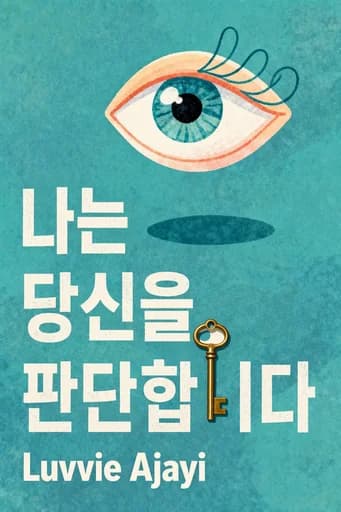
Luvvie Ajayi's NYT bestseller delivers razor-sharp cultural critique with laugh-out-loud humor. Compared to Joan Rivers and Whoopi Goldberg, this Audie Award winner forces uncomfortable conversations about racism and privilege that sparked both controversy and change. Ready to do better?
Luvvie Ajayi Jones is a Nigerian-American bestselling author, celebrated cultural critic, and advocate for ethical living. She is best known for her book, I’m Judging You: The Do-Better Manual.
Blending humor with sharp social commentary, Ajayi Jones's debut book became a New York Times bestseller, peaking at #5. The book examines modern ethics through essays on race, pop culture, and personal accountability, drawing inspiration from her experience with plagiarism as a blogger.
Ajayi Jones is also the founder of the influential platform AwesomelyLuvvie.com. Her reach has expanded through her viral TED Talk, “Get Comfortable with Being Uncomfortable,” which has garnered over 9 million views and has been translated into 23 languages. Additionally, she co-hosts the Jesus and Jollof podcast.
A four-time New York Times bestselling author, her other works include Professional Troublemaker: The Fear-Fighter Manual and the children’s book Little Troublemaker Makes a Mess. Recognized by Oprah’s SuperSoul100 list, she is a frequent speaker at venues such as Google, TED, and the Obama White House. Her debut book is currently being adapted into a comedy series by Shonda Rhimes’s Shondaland.
I'm Judging You is a collection of humorous yet incisive essays tackling cultural obsessions like social media misuse, systemic racism, and performative feminism. Luvvie Ajayi blends sharp wit with Nigerian slang and AAVE to critique modern behavior while advocating for personal accountability and societal improvement.
This book suits readers seeking candid cultural commentary infused with humor. It’s ideal for those interested in social justice, pop culture analysis, or improving their digital etiquette. Fans of authors like Jenny Lawson or Roxane Gay will appreciate Ajayi’s unapologetic voice.
Key themes include racial inequality, feminism’s inclusivity gaps, social media’s impact on empathy, and the normalization of toxic behavior. Ajayi also addresses religion, rape culture, and the ethics of viral content, urging readers to “do better” in their personal and public lives.
Ajayi dedicates a chapter to social media’s role in fostering judgment and cyberbullying. She highlights absurd trends (e.g., oversharing, virtue signaling) and offers guidelines for positive online engagement, emphasizing accountability over anonymity.
The tone balances laugh-out-loud humor (e.g., mocking “Truck Nutz” enthusiasts) with hard-hitting critiques of systemic issues. Ajayi’s style merges colloquial Nigerian phrases, AAVE, and pop culture references, making complex topics accessible.
Some readers found the essays uneven, with the later chapters leaning heavily into serious topics, which contrasts with the lighter early sections. A few critiques note the humor fades as the book progresses, making it challenging to finish.
Both books blend self-help with cultural critique, but Ajayi’s work focuses more on collective responsibility than individual mindset shifts. While Mark Manson uses profanity liberally, Ajayi adopts a “ladylike” tone with occasional cuss words for emphasis.
Ajayi provides guidelines for ethical behavior, such as avoiding gossip, fact-checking before sharing news, and confronting microaggressions. She also advises curating social media feeds to prioritize positivity and unfollowing toxic accounts.
Notable lines include:
The book’s insights on digital behavior, racial equity, and media integrity remain urgent amid ongoing debates about cancel culture, AI-generated content, and online activism. Its emphasis on accountability resonates in an era of viral misinformation.
Ajayi critiques mainstream feminism for excluding marginalized voices, advocating for intersectionality. She challenges readers to support policies uplifting all women, not just those in privileged groups, and calls out “hashtag activism” devoid of real-world action.
Ajayi’s Nigerian-American perspective and blend of cultural idioms set it apart. The book seamlessly shifts from mocking trivial annoyances (e.g., loud gum-chewers) to dissecting systemic oppression, creating a layered, relatable critique.
저자의 목소리로 책을 느껴보세요
지식을 흥미롭고 예시가 풍부한 인사이트로 전환
핵심 아이디어를 빠르게 캡처하여 신속하게 학습
재미있고 매력적인 방식으로 책을 즐기세요
We're all annoying sometimes.
Even toddlers deserve judgment.
Friends are life's bonus gifts.
Love has an extraordinary ability to cloud our judgment.
The concept of "ride-or-die" relationships often glorifies toxic loyalty.
I'm judging you의 핵심 아이디어를 이해하기 쉬운 포인트로 분해하여 혁신적인 팀이 어떻게 창조하고, 협력하고, 성장하는지 이해합니다.
I'm judging you을 빠른 기억 단서로 압축하여 솔직함, 팀워크, 창의적 회복력의 핵심 원칙을 강조합니다.

생생한 스토리텔링을 통해 I'm judging you을 경험하고, 혁신 교훈을 기억에 남고 적용할 수 있는 순간으로 바꿉니다.
무엇이든 물어보고, 목소리를 선택하고, 진정으로 공감되는 인사이트를 함께 만들어보세요.

샌프란시스코에서 컬럼비아 대학교 동문들이 만들었습니다
"Instead of endless scrolling, I just hit play on BeFreed. It saves me so much time."
"I never knew where to start with nonfiction—BeFreed’s book lists turned into podcasts gave me a clear path."
"Perfect balance between learning and entertainment. Finished ‘Thinking, Fast and Slow’ on my commute this week."
"Crazy how much I learned while walking the dog. BeFreed = small habits → big gains."
"Reading used to feel like a chore. Now it’s just part of my lifestyle."
"Feels effortless compared to reading. I’ve finished 6 books this month already."
"BeFreed turned my guilty doomscrolling into something that feels productive and inspiring."
"BeFreed turned my commute into learning time. 20-min podcasts are perfect for finishing books I never had time for."
"BeFreed replaced my podcast queue. Imagine Spotify for books — that’s it. 🙌"
"It is great for me to learn something from the book without reading it."
"The themed book list podcasts help me connect ideas across authors—like a guided audio journey."
"Makes me feel smarter every time before going to work"
샌프란시스코에서 컬럼비아 대학교 동문들이 만들었습니다

I'm judging you 요약을 무료 PDF 또는 EPUB으로 받으세요. 인쇄하거나 오프라인에서 언제든 읽을 수 있습니다.
Ever caught yourself rolling your eyes so hard at someone's social media post that you feared they might get stuck? That's exactly the feeling that inspired "I'm Judging You." In our hyper-connected world-where babies have Instagram accounts before they can walk and world leaders conduct diplomacy via tweet-many people seem to have missed the memo on basic decency. With razor-sharp wit and unflinching honesty, this cultural critique delivers the shade we all secretly wish we could give to the logic-deficient people around us. Whether you're cringing at friends oversharing on Facebook or questioning society's deep-seated prejudices, this commentary feels like that brutally honest conversation you've been dying to have with your smartest, funniest friend. Because sometimes, judgment isn't just necessary-it's an art form.