1장
The Journey Begins: Healing as a Lifelong Practice
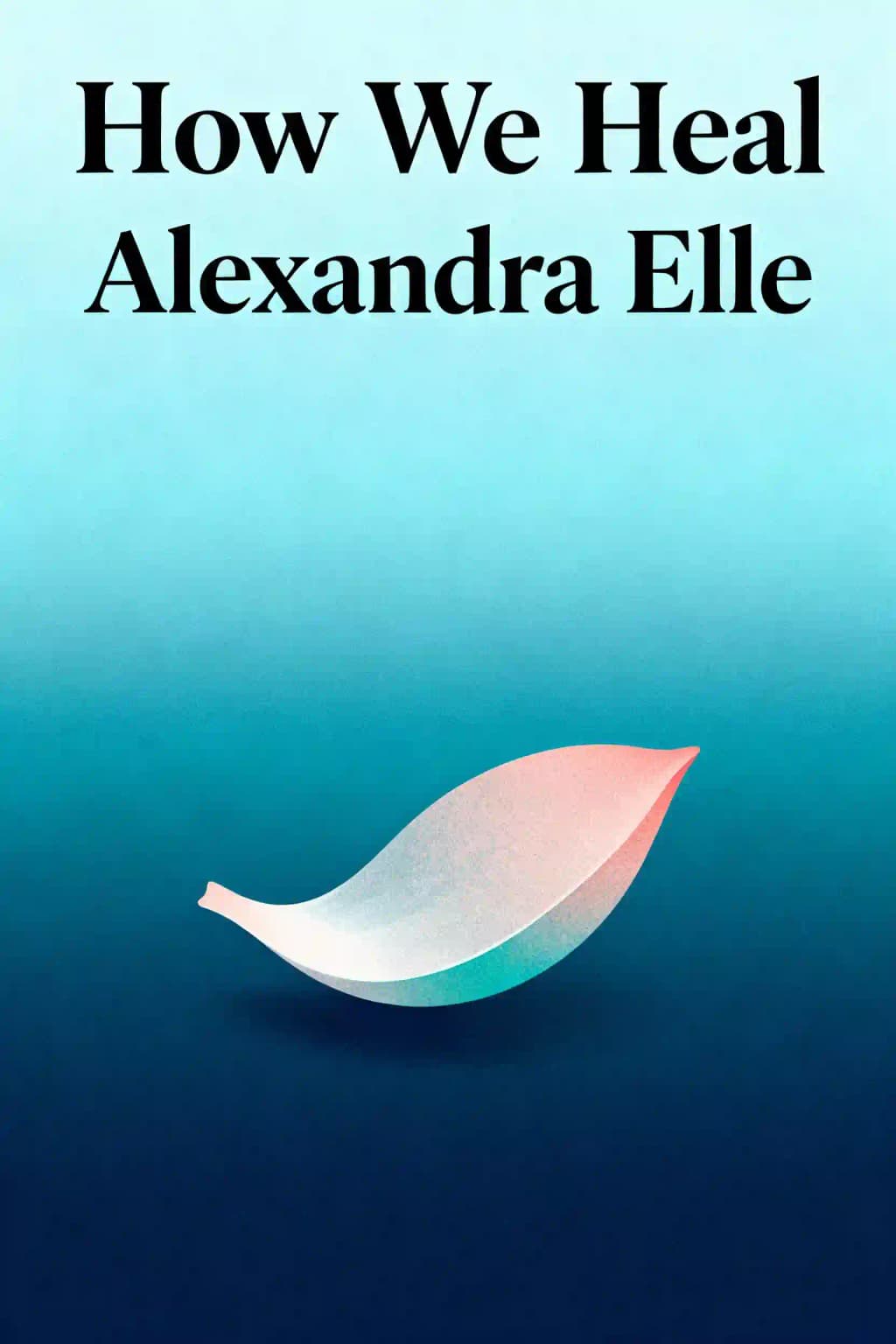
Alexandra Elle's "How We Heal" has become a touchstone for those seeking emotional restoration in our increasingly disconnected world. Since its 2022 release, this guide has found its way into the hands of celebrities like Oprah Winfrey and Brene Brown, who have praised its accessible approach to deep emotional work. The book arrived at a critical cultural moment when collective trauma from the pandemic had left many feeling adrift and searching for tools to process their pain. What makes Elle's work stand apart in the crowded self-help landscape is her refusal to offer quick fixes or Instagram-worthy affirmations. Instead, she invites readers into a messy, honest process of healing that acknowledges both the difficulty and necessity of facing our wounds. Through her own vulnerability and practical guidance, Elle creates a roadmap for anyone brave enough to embark on their own healing journey.
2장
Embracing the Courage to Begin Again
Healing requires constant renewal, even when we believe we've moved beyond certain wounds. Elle shares a powerful personal story about being triggered by her mother's dismissive text about her baking - a seemingly minor incident that reopened deep childhood wounds about validation and recognition. This experience illuminates how past trauma can resurface unexpectedly in everyday moments, catching us off guard with its intensity. Through this experience, she learns that starting over isn't failure but an essential part of the healing journey, comparing it to the natural cycles of growth we see in nature.
Self-doubt and fear inevitably emerge during this process, threatening to derail our progress. These emotions often manifest as physical symptoms - racing thoughts, tightness in the chest, or the urge to abandon the healing work altogether. Elle advises against rushing through healing work, emphasizing that dismantling these obstacles requires compassion, commitment, and courage. She suggests specific practices like journaling, meditation, or talking with trusted friends to process emerging emotions. Taking intentional rest breaks and approaching healing step-by-step builds trust in our capacity to handle difficult emotions when they surface, much like building physical endurance through consistent training.
The author candidly acknowledges her own fear of uncovering unexpected trauma during healing work, describing moments when she wanted to close her journal and walk away. Yet she encourages readers not to run from what scares them on the page, offering practical strategies for staying present with difficult emotions. By committing to stay with our healing journey, we develop patience and self-trust-the antidote to self-doubt. This process involves unpacking pain bit by bit, identifying what hurts, and reclaiming power through truth-telling. She emphasizes the importance of celebrating small victories and maintaining gentle persistence rather than expecting overnight transformation.
Many find healing through creative expression, discovering that art can access emotions words cannot reach. Morgan Harper Nichols, diagnosed with autism at thirty-one, uses art as therapy, transforming her challenges into visual poetry. Her diagnosis explained her heightened fear responses and sensory sensitivities, bringing self-compassion rather than self-blame. She learned to honor her unique sensory needs instead of forcing conventional self-care methods that didn't serve her, creating personalized routines that respected her neurodiversity. Drawing and painting have been her sanctuary since childhood, providing both professional fulfillment and personal healing. Her work demonstrates how creative expression can bridge the gap between past and present selves. "I heal by painting. I heal by doodling. I heal by going outside... I am healing today by healing my younger self." Her journey illustrates how finding the right healing modality can transform struggles into strengths.
3장
The Power of Self-Forgiveness
Self-forgiveness creates fertile ground for healing, allowing emotional expansion and growth. Elle shares her personal journey, describing how she struggled to forgive herself after becoming a mother at eighteen. Despite making progress in therapy and journaling, she avoided true self-forgiveness until age thirty when she finally broke down and told herself, "I forgive you for everything."
She explains that self-forgiveness was one of her tallest mountains to climb, requiring her to learn that starting over was essential. Elle invites readers to "lay down the armor of self-hatred" since we cannot commit to only pieces of healing work but must embrace the entire process-"the good, the bad, the shameful, the sad, and the glorious."
This work often feels overwhelming when done alone. Connecting with a trusted friend or family member to discuss experiences with forgiveness can provide crucial support. We might explore what we haven't forgiven ourselves for and why, name something we'd like to let go of, identify whom we need to extend forgiveness to, celebrate what we have forgiven ourselves for, and acknowledge the hardest aspects of healing and self-forgiveness. The practice recognizes that while we often advise others to forgive themselves, we struggle to apply this wisdom to our own lives.
Elle describes her journey of healing after mental health struggles, including the return of trichotillomania (hair-pulling). She realized she was "asking, praying, and wishing for change" without taking action or accountability. After a breakthrough therapy session where her therapist reminded her "Sometimes starting over is the only way to get back up," she began the difficult work of beginning again. She created a list identifying what she wanted to be true, what she'd been avoiding, and necessary actions for healing. Elle emphasizes that healing requires letting go of things not serving us, moving beyond mere affirmations to taking concrete steps, and facing ourselves honestly to build the lives we want.
4장
Identifying and Honoring Your Needs
Elle explains that identifying personal wants and needs is often challenging because many people were raised to prioritize others' needs over their own. While caring for others is important for human connection, she emphasizes the necessity of balance between community care and self-care. She reveals that much of her suffering came from self-abandonment, unclear boundaries, and emotional neglect, having learned that stating her needs wasn't welcomed.
The author acknowledges that naming needs may feel uncomfortable but encourages readers to welcome ease as they evolve. She reminds us that needs, wants, and boundaries naturally shift over time, requiring patience and self-compassion. The practice of identifying needs cultivates self-trust and the belief that one's value equals anyone else's. She concludes by affirming that naming needs without shame is permissible-"Needing something or someone doesn't make you needy"-and encourages readers to stop diminishing themselves to accommodate others.
Creating two lists labeled "I Want" and "I Need" can help clarify these distinctions. After completing both lists, reflect on which was more challenging to write and why. The practice encourages honesty without overthinking or judgment, reminding you that your wants and needs matter and that you deserve to center yourself.
Following this journaling practice with meditation can deepen the work. In a seated position, focus on deep breathing while inhaling the freedom of naming your wants and needs and exhaling self-neglect and unworthiness. Affirm statements like "I can ask for what I need," "I can vocalize what I want," "I am worthy of having my needs met," "I am open to receiving help," "I can show up as my full self," and "I am opening to growing and healing."
5장
Facing Fear to Find Freedom
As we peel back deeper layers of healing, we must reframe our relationship with fear and address our pain points. Often, we're so caught up in pain that self-compassion becomes inaccessible. Healing requires acceptance and grace for what we cannot change. Whether processing past wrongs we've committed or mistreatment we've suffered, we must make room for understanding, kindness, and compassion.
We cannot ignore our pain if we want to heal. The first step is identifying what hurts us and committing to exploring it on the page. Writing to heal allows us to start where we are, embracing imperfection and learning along the way. This process requires slowing down and being mindful, not rushing for answers. While some days may bring clarity and others bring doubt, every feeling and thought is welcome in this process. The work isn't meant to be pretty-it's meant to be honest, raw, and authentic. By befriending fear rather than avoiding it, we create space for self-compassion and empathy.
Sometimes healing feels more painful than the original hurt. While it may seem easier to avoid mending our broken parts, staying stuck in pain ultimately robs us of joy. Healing is a self-nourishing act-choosing yourself even when it hurts. A powerful reframe is seeing pain as a partner rather than an enemy, recognizing it as a pathway to growth. This perspective allows us to pace ourselves and examine our suffering without judgment. Healing isn't one-size-fits-all, and we may need to heal from the same wounds multiple times throughout our lives.
Speaking fears aloud and sharing the stories behind our pain can diminish their power. Reaching out to a trusted loved one to share your truth creates a safe environment of trust, community, and honesty. When vulnerability emerges in the presence of compassion and empathy, it becomes easier to examine what scares us and discover what it's trying to teach us.
6장
Cultivating Positive Self-Talk
Balancing our work with fear requires developing positive self-talk. Affirmations-uplifting phrases repeated aloud or mentally-are essential for changing behavior and cultivating self-compassion. Our self-talk patterns often form in childhood, sometimes carrying others' projections rather than our own truth. Examining who taught us to speak to ourselves can reveal much about our internal dialogue.
However, affirmations alone aren't enough-they're just the first step in manifestation. Without action, they keep us stuck. As the saying goes, "Faith without works is dead." Affirmations backed by action can transform our lives by uncovering our personal why and how. This practice isn't linear or perfect; our affirmations may shift daily as we evolve. Self-compassion allows us to comfort our inner child and become the safe space we need.
Self-inquiry is vital to uncovering who we are, what we want, and how we need to grow. Creating personal affirmations by answering specific questions using positive "I am" statements, even when redirecting negative thoughts, can be transformative. Basic questions help identify who you are, what you're changing, how you're exercising self-worth, and how you're learning to trust yourself. The resulting affirmations become powerful tools to return to when facing fears or when the healing journey feels overwhelming.
Meditation can help internalize these affirmations. Sitting quietly, tuning into your breathing, and slowly reading through self-affirming statements creates space to absorb and integrate positive self-talk. The practice doesn't require believing everything as your truth immediately but welcomes the possibility of these statements becoming true as you heal. Focus on trusting your value, standing in self-worth, discovering confidence, showing up for yourself, and believing you're worthy of healthy relationships and experiences.
7장
Reclaiming Your Authentic Voice
Uncovering our true voice-our deepest feelings and desires-is our birthright. This connection helps identify where we feel silenced, small, or like we're settling. Self-reflection through writing encourages deeper questioning and unpacking of answers. When Elle asked herself what was hurting her, she discovered feelings of not mattering, being stuck, sadness about her parents, and inability to move past mistakes. Her pain manifested physically in her chest, jaw, and back, and emotionally in her marriage and parenting.
Through "restorative writing," she unpacked these feelings with "why" and "how" questions, digging deeper into each response. For example, feeling like she didn't matter hurt because it kept her stuck in difficult cycles and made remembering her worth challenging. She wanted to become self-reliant in knowing her worth, building unbreakable confidence, and recognizing that self-worth is an inside job.
Rewriting your narrative is essential to healing, allowing you to address parts of your story you need to shed to move forward with power and confidence. This process requires bravery, accepting failure, beginning again, and willingness to change. In her early twenties, Elle made significant life changes despite pushback from others questioning her authenticity. Choosing to rewrite her story allowed her to grow into her best self and release stories that didn't belong to her.
Elle learned to heal her inner child and stop abandoning her true self for external validation. Healing while isolated was terrifying but necessary-she had to outgrow her former self with only her truth and journal for company. Choosing yourself when no one cheers for you is revolutionary. External validation is temporary and won't heal you; healing is solitary work only you can do. Look at your life through your own eyes, not others', and stay curious about your healing journey.
8장
Making Peace with Your Past
If you don't forgive yourself or release old narratives, healing remains elusive. Elle spent years imprisoned by her pain, believing she deserved it. Much of her trauma stemmed from childhood, where self-hatred felt normal while self-love and forgiveness seemed foreign. With no one teaching her self-love, she had to discover how to claim her personal power alone.
Unlearning dysfunctional patterns took years of therapy, self-reflection, and journaling. She sought attention from emotionally absent men, mirroring her relationship with her mostly absent father, which only deepened her self-destruction. She punished herself by staying down, lacking self-worth and believing joy was beyond her reach.
When we hate ourselves, we stunt emotional growth and silence empathy. Though we cannot erase past mistakes, we can change our outlook and offer love to the parts of ourselves we've long despised. There's no arrival point in healing-we'll continue to grow, fail, succeed, and learn as long as we live. Making peace requires acknowledging and releasing who we used to be, recognizing patterns and actively changing them.
Remember that your healing journey is separate from others'. When you choose to heal yourself, you actively break cycles for future generations. This work invites you to embrace grace rather than hatred, as we cannot hate ourselves into becoming better. A writing practice allows you to put down old stories and make room for new ones.
Chriselle Lim, a mother of two girls and digital entrepreneur known from various platforms including TikTok as "Rich Mom," shares how healing emerged during her divorce. The process forced her to slow down her typically fast-paced life and sit with herself without judgment-the hardest part of healing for her. She realized that like many women, especially those raised by immigrant parents, she had placed herself at the bottom of her priority list until she broke. "We push away our fears, problems, triggers, and things that bother us to keep the family unit intact," she explains, wanting to destigmatize women putting themselves first.
9장
Nurturing Your Inner Child
Learning to hold space for our inner child can seem strange at first, but it's essential for healing deep wounds from our formative years. When Elle began writing her book "After the Rain," she confronted her childhood pain and wrote letters to her younger self to soothe reopened wounds. She'd avoided inner-child work out of fear but eventually realized she needed to address the sadness emerging in her adult life.
This practice helps distinguish between emotions that are truly ours and those we've been conditioned to carry. By writing compassionate letters to her inner child, offering safety and love, Elle learned to comfort the parts of herself that needed attention. Remember that your inner child is you-there's no separation between past and present selves. Welcome their voice, engage with their pain, and let them guide you toward greater self-understanding.
Journaling can help connect with your inner child-that original, true self characterized by playfulness, spontaneity, and creativity. When triggered, this part of us can respond with outsized anger, hurt, or fear. Explore childhood wants and needs compared to present ones: What does your inner child need today? What made you feel safe and loved as a child? What caused fear or silence? Were you creative, and how? What would you change about your childhood, and what would you keep the same? Through these questions, discover how your past continues to shape your present experience.
Creating a ritual by recording yourself reading affirmations to your younger self can be powerful. Listen to these during intentional moments of self-care-perhaps while enjoying tea, a special meal, or a warm bath. Speak directly to your younger self: "You are safe. I am creating a good life for you. Even when lost, I trust a new path will emerge. I love you deeply and apologize for times you felt unloved. I'm learning and healing because of you. What you lacked then, you have now. Thank you for showing me I can show up for myself and become who I've always wanted to be. You are safe. You are loved. I am here."
10장
Embracing Compassion and Gratitude
As we engage in deep healing work, we begin to see the world more clearly and recognize that everyone carries unseen burdens. Being human is challenging, and we all face experiences that both hurt and heal us. Though our hearts break and grief strikes, the right tools help us brave these storms with grace and joy. Resilience exists within us even at our weakest moments, and understanding that we don't always have to be "okay" helps us recognize humanity in others.
Alexandra shares a story about "The Mean Lady" in her apartment building who never returned her greetings and wore her pain visibly. Despite her husband's suggestion to stop engaging, Alexandra continued offering smiles, recognizing that behind the woman's hostility was likely deep hurt. After months of one-sided interactions, the woman finally smiled back and briefly conversed. This breakthrough made Alexandra wonder about the woman's story-what trauma or loss had hardened her, and what had shifted to allow that moment of connection. The experience taught Alexandra that compassion matters; she could have returned hostility but chose kindness instead.
Healing our hearts is communal, not just a solitary act. As we heal, we give others permission to do the same, showing that life won't be dark or lonely forever. Walking through thoughts before writing has become Elle's essential practice, helping her notice small details, look up more, and pay attention to her present state. Returning to the page afterward brings new insight and grace for everywhere she's been. Facing pain while moving with intention reminds her healing exists in simple things-we don't need formal meditation or prayer to find answers.
Gratitude became the center of Elle's self-care practice after experiencing an anxiety attack. Starting with a daily gratitude list and medication consultation, she had to silence her harsh inner critic who berated her for starting over. Through patience and persistence, she learned that practicing gratitude changed her life-helping her appreciate small victories like getting out of bed or eating a nourishing meal. Reading Kristi Nelson's "Wake Up Grateful" transformed her understanding that "gratefulness is a way of being"-teaching her to be present even while in pain.
11장
Finding Joy in the Healing Process
When Elle thinks about healing her heart, she thinks about the freedom to live and love without restraints. She knows firsthand how terrifying it feels to not harden your heart after walking through darkness and pain. However, this is a challenge to face your fears around giving and receiving love. Welcoming and experiencing joy is something that must be practiced. Some affirming phrases to keep close include: "I give myself permission to speak up," "I give myself permission to not know what's next," "I give myself permission to heal without judgment," and "I give myself permission to be a vessel for joy."
When we're deep in pain, it can seem impossible to imagine making it through. During her own struggles with resurfaced childhood trauma, Elle desperately wanted her joy back. Her therapist encouraged her to do inner-child work in her journal, asking how she would have protected her younger self. Though initially resistant, she realized that choosing to center joy while working through healing gave her hope. Rather than waiting for joy to find her, she decided to invite it back proactively by writing letters.
Her first letter began: "Dear Joy, I am looking forward to seeing you again. Sometimes it feels like you're avoiding me, but in the end you always return." This practice helps create space for something beyond your struggles, reminding yourself that you are not your pain and giving permission to welcome joy.
Recalling moments of joy can lift our spirits and break cycles of despair, though it takes practice to focus on what's good in our past when difficult memories demand attention. Writing about joyful memories, sinking into each one by exploring where you were, how it felt in your body, and how you might recapture some of that joy today can be especially helpful when overwhelmed by difficult memories.
Throughout our healing journey, we've been identifying stories, self-doubt, and pain that no longer serve us. Now it's time to let them go. Releasing past trauma, shame, guilt, and self-doubt requires courage and vulnerability. When we release what hinders our healing, we make room for exploring who we are, the life we want to create, and the relationships we desire. Letting go makes space for something greater, even when difficult. Connect to your power by tapping into self-trust and releasing self-doubt. Everything you're carrying that you're scared to put down was passed on by others. You can choose to no longer cling to things that aren't your narrative and truth.
In her closing note to readers, Elle expresses gratitude for sharing this healing journey. She encourages us to allow grace to meet us where we are, whether just beginning or deep in our healing work. She reminds us that healing doesn't need to happen immediately-"Your healing isn't going anywhere." Elle urges readers to embrace being works in progress, to part ways with shame and guilt, and to create the lives they desire even when others don't understand their path. She emphasizes that healing happens "day by day, moment by moment, page by page" and encourages making space for falling apart, failing, and trying again, assuring readers they can and will heal.