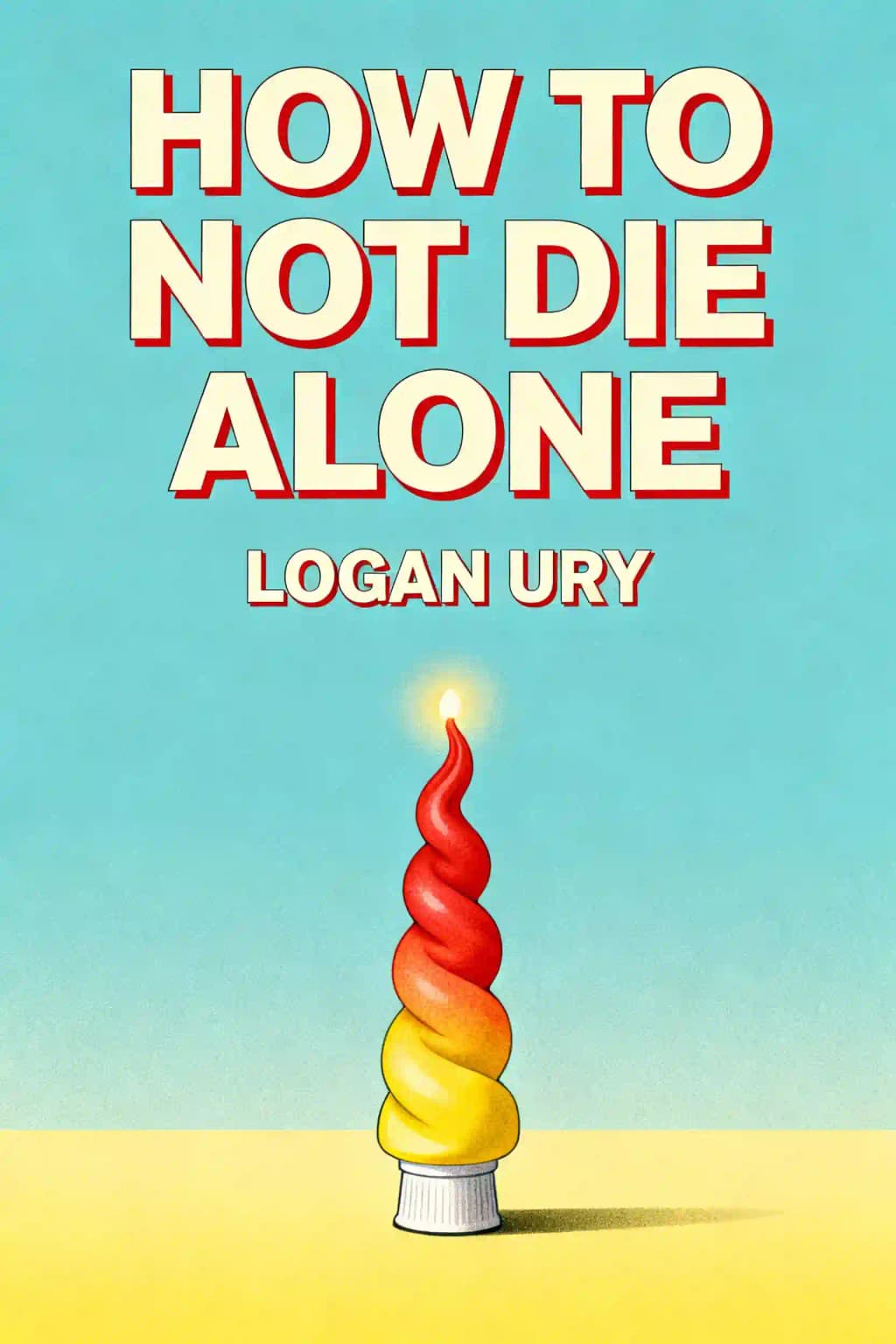
Behavioral scientist Logan Ury's guide reveals why chemistry fails us and intentional choices succeed. Endorsed by relationship guru Esther Perel, this Harvard-trained dating coach's surprising science has revolutionized modern love. What counterintuitive dating strategy are you missing that everyone else already knows?
저자의 목소리로 책을 느껴보세요
지식을 흥미롭고 예시가 풍부한 인사이트로 전환
핵심 아이디어를 빠르게 캡처하여 신속하게 학습
재미있고 매력적인 방식으로 책을 즐기세요
Picture yourself swiping through faces at 2 a.m., each profile blurring into the next. You've matched with dozens of people, yet somehow feel more alone than ever. Sound familiar? Modern dating has become a paradox: we have unprecedented access to potential partners, yet finding meaningful connection feels harder than ever. Think about your grandparents' generation-they didn't have dating apps, yet somehow managed to find lasting love within their small towns. What's changed isn't just technology; it's how we think about relationships entirely. We're living through a massive social experiment. Dating itself only began in the 1890s. Online dating arrived in 1994. Swiping apps? Less than a decade old. Our ancestors had their romantic lives largely dictated by religion, community, and social class. Today, we have freedom-but that freedom comes with a crushing burden of choice. It's like standing in front of an ice cream shop with 50 flavors: sounds amazing until you realize you're paralyzed with indecision, wondering if the next flavor might be better than the one in your hand. Psychologists call this the "paradox of choice," and it's quietly sabotaging your love life. Social media makes everything worse. Unlike our ancestors who witnessed real relationships in communal villages-complete with fights, reconciliations, and everyday mundane moments-we only see curated highlight reels. Your friends post engagement photos and vacation selfies, not the argument they had about whose turn it is to do dishes. This creates a dangerous illusion that everyone else has figured out relationships while you're uniquely broken. Add to this that roughly half of marriages end in divorce, meaning many of us grew up without positive relationship role models, and you have what therapist Esther Perel calls "the children of the divorced and disillusioned."
How to Not Die Alone의 핵심 아이디어를 이해하기 쉬운 포인트로 분해하여 혁신적인 팀이 어떻게 창조하고, 협력하고, 성장하는지 이해합니다.
How to Not Die Alone을 빠른 기억 단서로 압축하여 솔직함, 팀워크, 창의적 회복력의 핵심 원칙을 강조합니다.

생생한 스토리텔링을 통해 How to Not Die Alone을 경험하고, 혁신 교훈을 기억에 남고 적용할 수 있는 순간으로 바꿉니다.
무엇이든 물어보고, 목소리를 선택하고, 진정으로 공감되는 인사이트를 함께 만들어보세요.

샌프란시스코에서 컬럼비아 대학교 동문들이 만들었습니다
"Instead of endless scrolling, I just hit play on BeFreed. It saves me so much time."
"I never knew where to start with nonfiction—BeFreed’s book lists turned into podcasts gave me a clear path."
"Perfect balance between learning and entertainment. Finished ‘Thinking, Fast and Slow’ on my commute this week."
"Crazy how much I learned while walking the dog. BeFreed = small habits → big gains."
"Reading used to feel like a chore. Now it’s just part of my lifestyle."
"Feels effortless compared to reading. I’ve finished 6 books this month already."
"BeFreed turned my guilty doomscrolling into something that feels productive and inspiring."
"BeFreed turned my commute into learning time. 20-min podcasts are perfect for finishing books I never had time for."
"BeFreed replaced my podcast queue. Imagine Spotify for books — that’s it. 🙌"
"It is great for me to learn something from the book without reading it."
"The themed book list podcasts help me connect ideas across authors—like a guided audio journey."
"Makes me feel smarter every time before going to work"
샌프란시스코에서 컬럼비아 대학교 동문들이 만들었습니다

How to Not Die Alone 요약을 무료 PDF 또는 EPUB으로 받으세요. 인쇄하거나 오프라인에서 언제든 읽을 수 있습니다.