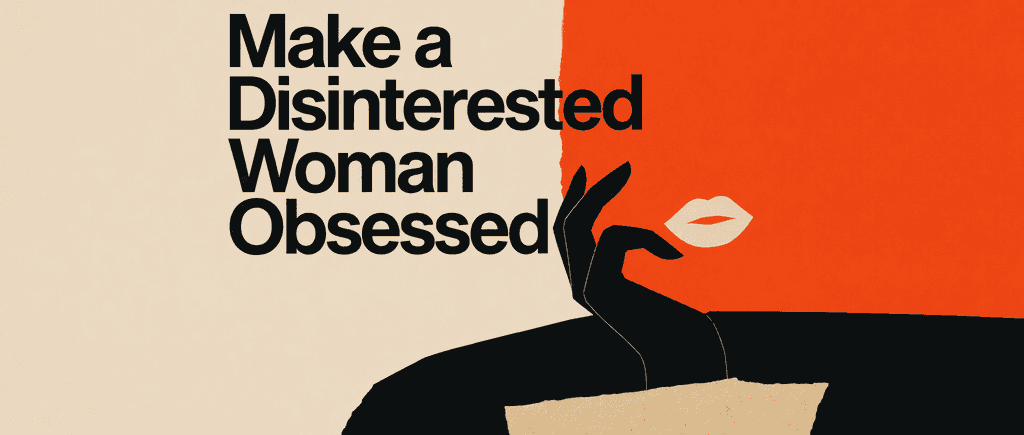
In "How to Date Men When You Hate Men," comedian Blythe Roberson hilariously navigates feminist dating paradoxes that Stephen Colbert couldn't resist endorsing. Why does her post-#MeToo "political meditation" on structural misogyny resonate with so many women who still want romance despite patriarchal pitfalls?
Blythe Roberson, author of How to Date Men When You Hate Men, is a sharp-witted comedian and writer celebrated for her incisive takes on modern romance and feminism.
This humor-driven self-help book blends candid dating anecdotes with feminist critique, reflecting Roberson’s background as a contributor to The New Yorker, The Onion, and VICE.
Her professional experience includes researching for The Late Show with Stephen Colbert and authoring the travel memoir America the Beautiful?, which chronicles her solo road trip across U.S. national parks.
Roberson’s work has been featured in The New York Times and Washington Post, and she regularly shares insights through podcasts like Normal Gossip and live comedy shows. Her books resonate with readers seeking humor and honesty in navigating contemporary relationships.
How to Date Men When You Hate Men is a comedy-philosophy book by Blythe Roberson that humorously dissects modern dating within patriarchal systems. It explores crushes, flirting, dating apps, and emotional challenges through a feminist lens, blending sharp wit with social critique. Roberson reframes dating frustrations—like decoding texts or "performative chillness"—as universal experiences, all while questioning societal norms that complicate relationships.
This book is ideal for feminists, comedy lovers, or anyone navigating modern dating. It resonates with readers seeking relatable takes on crushes, dating app fatigue, or societal pressures. Roberson’s humor appeals to fans of Phoebe Robinson or The Onion’s style, though those expecting deep systemic analysis may find it lighter on activism.
Yes, for its humor and relatability. Stephen Colbert and Phoebe Robinson praise its wit, and reviewers call it "hilarious" and "universally frustrating." While some note it focuses more on dating than hating men, its candid takes on digital flirting and "Schrödinger’s Relationship" offer fresh insights. Ideal for lighthearted feminist commentary.
Blythe Roberson is a comedian and writer for The New Yorker, The Onion, and Wait Wait... Don’t Tell Me!. She researches for The Late Show with Stephen Colbert and authored travel comedy America the Beautiful?. Raised in Wisconsin, she blends academic insight (Harvard) with absurdist humor to critique society and gender dynamics.
The book divides into four sections: "Crushes" (e.g., tracking blurry-faced obsessions), "Flirting" (text interpretation, missed connections), "Dating" (app pitfalls, defining "chill"), and "Psychic Wounds" (emotional fallout). It satirizes modern rituals like overanalyzing messages or using dating apps to "find friends" instead of hobbies.
Roberson turns frustrations into comedy—like creating a "crush-tracking app" or listing "Men I Thought Were Flirting with Me." She mocks performative aloofness and "digital flirting" fails, using absurdity to highlight how patriarchy complicates romance. This approach makes systemic issues digestible while validating reader experiences.
It lampoons dating-app culture ("Is this a date?"), text-over-analysis, and societal pressure to couple up. Roberson argues apps enable "Schrödinger’s Relationship"—undefined connections thriving on ambiguity. She advocates ditching "The Rules" for self-defined boundaries, mocking how patriarchy pathologizes women’s desires.
Some readers find the title misleading, expecting more systemic critique than dating comedy. Others note repetitiveness in anecdotes about unrequited crushes. While praised for humor, a few cite uneven pacing—deep dives into flirting contrasts with rushed dating advice.
Unlike Phoebe Robinson’s personal essays or Caitlin Moran’s manifesto-style takes, Roberson focuses narrowly on dating absurdities via philosophical riffing. It’s less self-help than We Should All Be Feminists, using satire akin to The Onion to expose gendered double standards in romance.
"I have ended up with a number of crushes greater than the population of Iceland."
This highlights the absurd scale of romantic fixation women are socialized to accept.
"Performative chillness is exhausting."
Roberson critiques the pressure to feign indifference instead of asserting desires.
Her New Yorker and Onion experience sharpens the satire—e.g., listing "Categories for My Crush-Tracking App" or dissecting texts like literary criticism. This elevates dating vignettes into cultural commentary, blending academic phrasing with irreverence to underscore systemic irony.
저자의 목소리로 책을 느껴보세요
지식을 흥미롭고 예시가 풍부한 인사이트로 전환
핵심 아이디어를 빠르게 캡처하여 신속하게 학습
재미있고 매력적인 방식으로 책을 즐기세요
Society makes romance nearly impossible.
Simply eliminating negativity doesn't create joy.
Crushes aren't really about the person being crushed on.
Romance politically sedates women.
Thinking about your crush too much suffocates any real relationship.
How to Date Men When You Hate Men의 핵심 아이디어를 이해하기 쉬운 포인트로 분해하여 혁신적인 팀이 어떻게 창조하고, 협력하고, 성장하는지 이해합니다.
How to Date Men When You Hate Men을 빠른 기억 단서로 압축하여 솔직함, 팀워크, 창의적 회복력의 핵심 원칙을 강조합니다.

생생한 스토리텔링을 통해 How to Date Men When You Hate Men을 경험하고, 혁신 교훈을 기억에 남고 적용할 수 있는 순간으로 바꿉니다.
무엇이든 물어보고, 목소리를 선택하고, 진정으로 공감되는 인사이트를 함께 만들어보세요.

샌프란시스코에서 컬럼비아 대학교 동문들이 만들었습니다
"Instead of endless scrolling, I just hit play on BeFreed. It saves me so much time."
"I never knew where to start with nonfiction—BeFreed’s book lists turned into podcasts gave me a clear path."
"Perfect balance between learning and entertainment. Finished ‘Thinking, Fast and Slow’ on my commute this week."
"Crazy how much I learned while walking the dog. BeFreed = small habits → big gains."
"Reading used to feel like a chore. Now it’s just part of my lifestyle."
"Feels effortless compared to reading. I’ve finished 6 books this month already."
"BeFreed turned my guilty doomscrolling into something that feels productive and inspiring."
"BeFreed turned my commute into learning time. 20-min podcasts are perfect for finishing books I never had time for."
"BeFreed replaced my podcast queue. Imagine Spotify for books — that’s it. 🙌"
"It is great for me to learn something from the book without reading it."
"The themed book list podcasts help me connect ideas across authors—like a guided audio journey."
"Makes me feel smarter every time before going to work"
샌프란시스코에서 컬럼비아 대학교 동문들이 만들었습니다

How to Date Men When You Hate Men 요약을 무료 PDF 또는 EPUB으로 받으세요. 인쇄하거나 오프라인에서 언제든 읽을 수 있습니다.
Dating while feminist presents a unique contradiction: desiring men while recognizing how that desire might perpetuate your own oppression. It's like trying to kiss someone while a cement mixer dumps raccoons on you-with society at the controls. We're cocooned in expectations, beauty standards, and patriarchal narratives that we must gradually shed through reading, therapy, and self-reflection. These manifest as pressure to partner by a certain age, messaging that successful women are "intimidating," and the persistent myth that love should feel like a rom-com. Simply eliminating negativity doesn't create joy-that just achieves "being chill," a state of emotional numbness often mistaken for enlightenment. Without cultural models of joyful romance, we must create our own by staying present and essentially making it up as we go. This might mean rejecting traditional dating scripts, celebrating small moments of connection, or finding pleasure in attraction itself. The key is opting into romance because it brings genuine happiness, not because society demands it or because your Instagram feed overflows with engagement photos.