1장
The Sonic Revolution: How Sound Shapes Our Lives and Health
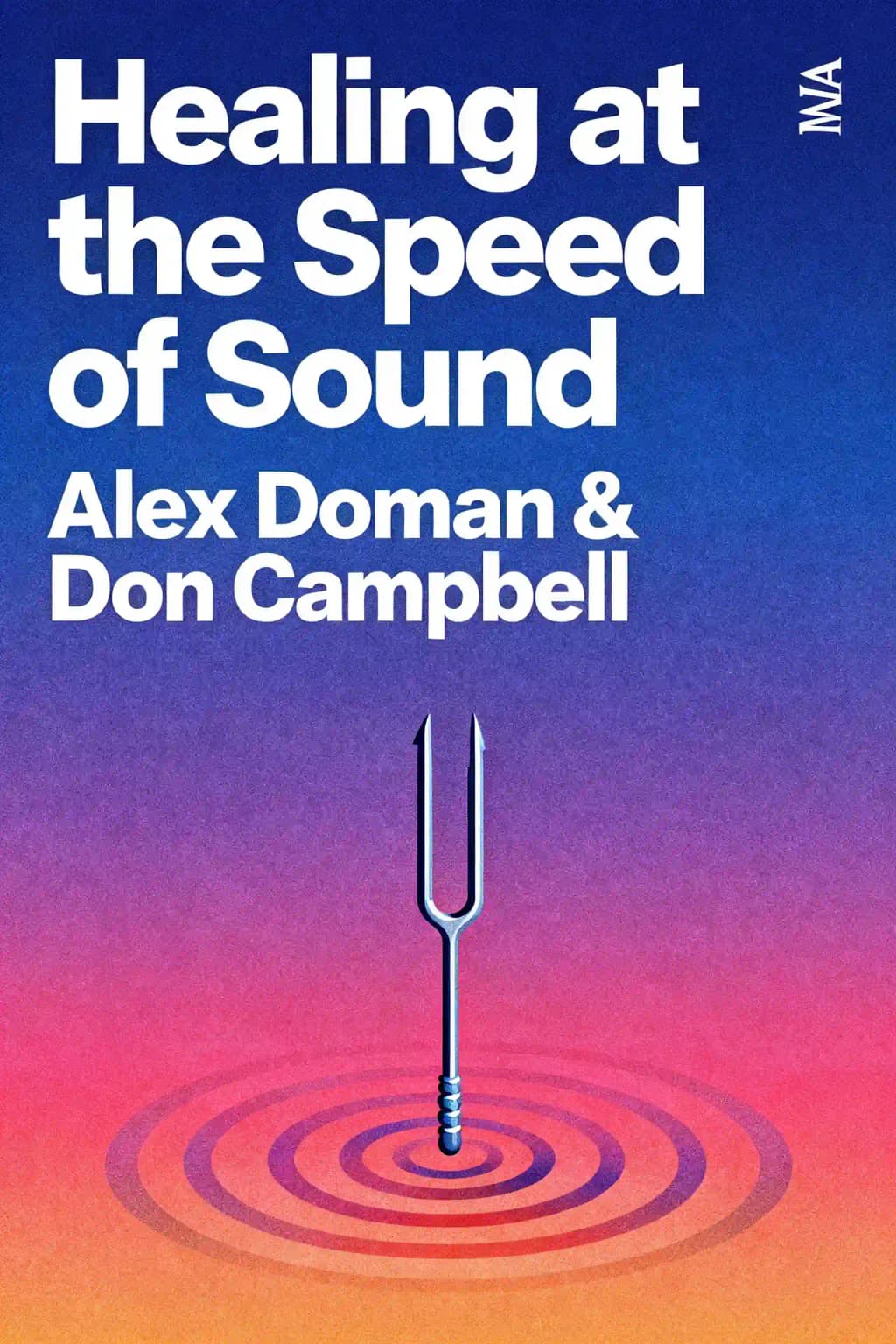
In a world where we're constantly bombarded by noise, it's easy to overlook how profoundly sound affects our wellbeing. "Healing at the Speed of Sound" has quietly become a cornerstone text in the emerging field of sound therapy, with practitioners from renowned medical institutions like Johns Hopkins and Mayo Clinic implementing its principles. Celebrities like Oprah Winfrey and Deepak Chopra have praised its insights, while thousands of educators have integrated its techniques into classrooms worldwide. The book's popularity reflects a growing awareness that sound isn't merely something we perceive-it's a fundamental force that shapes our physical health, cognitive function, and emotional states. As authors Alex Doman and Don Campbell reveal, the vibrations we call sound literally restructure our bodies at the cellular level, making our relationship with our sonic environment one of the most overlooked yet crucial aspects of human wellbeing.
2장
The Power of Sound: A Force That Shapes Our Lives
Sound surrounds us constantly, yet we rarely consider its health impact the way we do with food or air quality. By closing your eyes right now, you'd immediately notice the rich soundscape enveloping you-from nature's sounds to human conversations, from music to mechanical noise. This awareness reveals an essential truth: sound is a physical force with components-vibration, pitch, and rhythm-that profoundly shape our physical, neurological, and spiritual states.
Consider how sound affects you at the atomic level. When you hear a beautiful melody, your brain waves actually change to match its patterns. Coherent music creates intense neural interactions, while disorganized noise triggers stress responses. This explains why you don't just hear but experience sound: music with strong beats activates your movement centers; pleasant sounds increase your dopamine levels; while jarring noises create anxiety.
Your brain processes sound with remarkable complexity: the right auditory cortex perceives pitch, melody, and rhythm; the left side responds to frequency and intensity changes; while different brain regions process various sound properties simultaneously. This sophisticated system explains why the first sounds you hear upon awakening profoundly affect your mood and energy throughout the day.
The science behind sound's effects has advanced dramatically in recent decades. Hundreds of studies now confirm that sound affects health at the cellular level, while music can measurably reduce stress and stimulate cognitive processing. For example, research from Osaka University shows Mozart's sonatas improve intelligence test performance through a "priming effect," with geneticist Hong Hua Li finding this may involve expression of genes that stimulate connections between brain cells.
Sound's physical impact extends to our movement as well. Humans uniquely feel musical beats automatically, as music entrains our bodies physically by activating muscle-control centers. This explains why music makes workouts more efficient-studies show hearts work less hard when exercising to music, and cyclists use 7% less oxygen when pedaling to a beat. Music occupies the mind while freeing the body, releasing pleasure-giving endorphins that drive you to work harder and longer.
The key to harnessing sound's power lies in understanding that there's no universal prescription for the perfect soundscape-each person responds uniquely to different sounds. The challenge is directing this powerful force to heal, enhance, and engage our lives effectively.
3장
Designing Your Personal Sound Environment
Noise is America's most pervasive pollutant, with profound health impacts. Beyond hearing damage, noise increases blood pressure, alters heart rhythms, speeds breathing, disturbs digestion, contributes to ulcers, interferes with sleep, and may affect pregnancy outcomes. Police officers report that most domestic disputes are fundamentally noise complaints, with families fighting amid blaring televisions without recognizing noise as the underlying problem.
To assess your home's noise pollution, rate each room on an "annoyance factor" scale. Empty sounds (coffee grinders, traffic) create chaotic sound wave patterns that trigger chaotic brain responses, while uncluttered sounds (classical music, calm voices) form coherent patterns that your brain reflects. Simple solutions include turning off appliances when not needed, fixing dripping faucets, and choosing quieter appliances.
Four sonic tools can transform your environment: entrainment (matching rhythms to modify bodily responses), iso-principle (gradually shifting tempo to bridge emotional states), masking (covering disturbing sounds with pleasant ones), and diversion (using music to change mental focus).
Creating sound privacy is essential even in shared living spaces. Try to secure thirty minutes of quiet time before leaving home each day. If you can't retreat to a private room, quality headphones can create your personal sound environment. Choose music strategically based on your day's challenges-fast-tempo, high-frequency music provides sonic caffeine for important meetings after poor sleep; classical music organizes your brain for creative tasks; and soothing folk music can prepare you for stressful encounters.
Remember that silence is equally healing-a five-minute timeout allows you to organize thoughts, process conversations, and refocus on what truly matters. Silence also heightens your awareness of surrounding noise, which is why the Center for Hearing and Communication promotes a "Quiet Diet" minute during their annual International Noise Awareness Day.
By designing a morning prelude with intentional sound-from wake-up call to movement with music to a soundscaped home and private moments-you create a foundation that extends throughout your day. You'll leave home with a clear mind, balanced body, and improved mood from pleasant interactions. As this "habit of beauty" becomes routine, your overall attitude and life improve.
4장
Sound in the Workplace: Productivity and Wellbeing
Throughout history, music has enhanced work productivity-from sailors' shanties improving teamwork to BBC Radio's "Music While You Work" broadcasts boosting factory output during wartime. In office settings, second-gear music like Bach's organized compositions can increase alertness without demanding attention. Music should be played at a nearly subliminal level and varied every thirty minutes to prevent habituation.
Personal music devices have become ubiquitous in modern offices, with surveys showing up to 80% of workers now listen to music for 20-36% of their workday. Employees report these devices help them focus, increase productivity, improve mood, and stimulate creativity across diverse occupations. Research supports these observations-one study of software designers showed work quality declined without access to music.
However, personal devices can create workplace challenges: isolation from colleagues, irritating sound "leakage," and missed opportunities for informal learning. The solution? Using devices no more than fifteen minutes per hour and removing headphones immediately for conversations, allowing workers to benefit from music while remaining engaged with colleagues.
Music offers a healthier alternative to cigarette breaks, providing similar mental respite without the health risks. By preparing playlists for your most stressful work periods, you can create "music massages" that improve your emotional, mental and physical state. When overwhelmed by deadlines, calm your mind with second-gear selections at 60-68 beats per minute. For anger management, listen to serene pieces like Vaughan Williams's "The Lark Ascending." When fatigue hits, third-gear music with a faster tempo can reboot your brain.
Just as you can use music to shape your work experience, today's audio architects have developed sophisticated ways to manipulate consumers through sound. Studies show remarkably specific targeting-when French music played in British supermarkets, French wines outsold German ones three-to-one. Tempo affects behavior too: faster music encourages shoppers to finish quickly while slower tunes extend shopping time, increasing sales. While somewhat unsettling, awareness of these sonic manipulation techniques helps us defend against unwanted influence.
Business management is much like orchestrating a symphony, both literally and metaphorically. Roger Nierenberg, former music director of the Stamford Symphony, demonstrates this through his company Music Paradigm, where business leaders conduct professional orchestras to experience the feedback loop between workers and leaders. Like a symphony, each member plays an important part, but even the humblest contributor can occasionally make a game-changing difference.
5장
The Sound of Development: Music's Impact from Womb to Classroom
Your sonic life began with your mother's heartbeat, imprinting its rhythm millions of times before birth. You were surrounded by sounds-blood rushing through the placenta, digestion gurgling, your mother's voice resonating through her body, and filtered external sounds like conversation and music. Though muffled through amniotic fluid, these sounds profoundly affected your developing brain.
The fetus actively responds to sound, distinguishing between novel and familiar patterns-the first form of learning. Studies show fetuses can remember sound sequences, recognize language rhythms, and prioritize emotionally significant sounds like mother's singing. Music, with its complex patterns, seems particularly engaging to developing brains, with babies often recognizing songs their mothers heard during pregnancy.
By birth, infants are already remarkably familiar with their sound environment. Newborns turn their heads toward familiar voices, especially their mother's. They've so successfully integrated rhythmic patterns that they instantly notice dropped beats or rhythm changes in songs. Their musical sophistication is so developed that they have preferences, responding to favorite lullabies with full-body wiggles and coos, while reacting to displeasing sounds by squirming or crying.
A profound communication occurs when a mother holds her child and sings. Babies strongly prefer their mother's voice over any other music. Mothers instinctively choose songs based on their baby's mood, creating emotional synchronization that enhances security and attention. Dr. Alfred Tomatis, a pioneering otolaryngologist, recognized the mother's voice as central to awakening communication in newborns. His famous principle-"the voice can only produce what the ear can hear"-led to the development of the Tomatis Method, using bone-conducting headphones to help patients reconnect with sounds they missed during development.
The close relationship between music and speech is undeniable-they share rhythm, melody, and pitch, and are processed similarly in the brain. Areas like Broca's area and Heschl's gyrus serve dual roles in both music and language processing. Musicians show significantly larger volumes of gray matter in these regions, with professional musicians having 130 percent higher gray matter in the auditory cortex than non-musicians.
Active engagement with music-involving mind, body, and emotions-dramatically enhances neural development. Dancing with a child or bouncing them on your knee while singing stimulates development more effectively than passive listening. Children naturally seek this full-body neural stimulation by shaking rattles or clapping to music. Music study strengthens neural synapses, enhances sensory systems, and improves memory. Studies by E. Glenn Schellenberg show children taking weekly piano or voice lessons experience faster IQ growth than untrained peers because music engages nearly all brain sectors.
6장
Music and Education: Enhancing Learning Through Sound
Despite 95% of Americans considering music essential to education, budget cuts continue pushing arts out of schools-a tragic mistake according to neuroscientists who've found music actually tunes the brain stem. The evidence supporting music education is overwhelming: first-graders with developed rhythm skills perform better academically; second and third-graders taught note relationships score 100% higher on fractions tests; and students taking piano or singing lessons for a year gain more IQ points than peers in drama or no lessons.
Music stimulates serotonin flow and activates the brain's emotional centers (limbic system and rostromedial prefrontal cortex), which are also responsible for memory-explaining why songs create such vivid emotional memories and why the most significant learning occurs when emotions are engaged. Music provides a "hook" for memory, especially when combined with physical movement.
Music's connection to memory explains its remarkable ability to improve reading skills. The strengths music develops-pitch discrimination, rhythm, articulation, visualization, decoding written symbols-directly enhance literacy. Meta-analyses confirm significant reading benefits when music activities incorporate specific reading skills. For dyslexic children, who often struggle with beat detection, rhythmic training through games, singing, or instrumental sessions can dramatically improve reading abilities.
For children with Auditory Processing Disorder (APD), where the brain can't understand what it hears despite normal hearing, music-listening training programs can "retune the ear" by directing focus to certain frequencies and improving spatial sound processing. For autistic children with extreme sound sensitivity, music making-especially rhythmic activities like drumming-provides structure while encouraging spontaneity, improving communication, emotional responsiveness, and behavioral control.
As children enter middle school, continuing music education becomes crucial for counteracting declining creativity scores. Music participants receive more academic honors, score higher on SATs (52 points higher on verbal, 37 points higher in math), show lower substance use rates, and experience improved self-regulation. For disadvantaged and at-risk youth especially, music decreases delinquent behavior while increasing academic achievement, self-esteem, and positive attitudes about their futures.
However, the volume of sound teenagers are exposed to poses a greater threat than controversial lyrics. With 5.2 million young people between ages six and nineteen experiencing noise-related hearing loss, the problem is reaching epidemic proportions. Personal listening devices capable of delivering 120-decibel sound (equivalent to a jet engine) are largely responsible. Parents should educate teens about permanent damage risks and encourage them to turn down volume, reduce listening time, use over-ear headphones rather than earbuds, and set sleep timers when falling asleep to music.
7장
The Healing Power of Sound: Music as Medicine
The human body responds to sound like a living resonator-"the whole mechanism, the muscles, the blood circulation, the nerves, all are moved by the power of vibration," as musician-philosopher Hazrat Inayat Khan observed. Research confirms that listening to music you enjoy causes blood vessels to expand, improves breathing, increases endorphin production, and boosts immunity through increased immunoglobulin A. Conversely, disliked music or chaotic sound constricts blood vessels, quickens breathing, increases stress, and can contribute to numerous health problems.
The soothing power of a loved one's voice or favorite music creates physiological responses that decrease stress and hasten recovery. Studies show that volunteers exposed to pain while listening to pleasant music experienced less discomfort than those in silence. Singing during painful experiences works even more effectively by "giving pain a voice" and potentially blocking neuronal pain pathways. For chronic pain, rhythmic activities like tapping, drumming, or waving scarves to music can reduce pain perception and decrease medication needs.
Sound can prevent or decrease the severity of certain medical conditions. Regular listening to soothing music can help alleviate hypertension and protect the heart by widening blood vessels and producing protective chemicals. For the 37 million Americans suffering from chronic sinus infections, daily humming sessions create vibrations that increase air circulation, blood flow, and nitric oxide production in the nasal cavities, inhibiting bacterial growth.
Modern hospitals are implementing sound-conscious design with solid walls instead of curtains, sound-absorbing materials, and healing elements like waterfalls and gardens. Research shows music significantly reduces anxiety before surgery (sometimes as effectively as medication), decreases pain during procedures, and shortens recovery time. Music benefits surgical teams too, creating focus and camaraderie.
Hospital music therapists help patients of all ages manage pain, fear, and negative emotions through participation. Children with serious conditions report significant improvement in how they feel after music sessions. Elderly patients particularly benefit as music stimulates their brains, reduces confusion, and decreases medication needs. Many patients discover profound healing through composing music or writing songs, transforming their identity from patients to creators.
Music functions as a powerful rehabilitation tool for neurological disorders. For Parkinson's patients, rhythmic music triggers neural networks that translate beats into organized movement, improving coordination and controlling tremors. Music's pleasure factor makes it particularly effective-patients willingly engage in musical activities for extended periods, exercising longer and reaping greater benefits.
8장
Sound and Community: Building Connections Through Music
Group singing creates profound connections between people. When we sing together, we experience what musician Brian Eno calls "civilizational benefits"-the immersion of self into community that fosters empathy. This cohesion transcends individual identity. Professor Grenville Hancox explains that singing is something we all did from birth, regardless of background, and even monthly participation "makes an extraordinary difference."
Drumming circles represent another powerful form of nonhierarchical music making that unifies groups into bonded wholes. Since almost anyone can beat a drum, these circles create common ground for cultural sharing, listening, and collaboration. They've proven effective for community building, team development, diversity training, and easing tensions in multicultural settings.
Community choruses, orchestras, and folk music events naturally strengthen group identity and shared values. It's no surprise that choristers tend to be leaders in civic engagement, community activism, and arts preservation, with strong correlations between choir participation and civic involvement.
The connection between group music and service manifests in organizations like the NIH Philharmonia, whose volunteer medical professionals perform free concerts with proceeds going to charity, and the Boston Minstrel Company, which performs in homeless shelters and correctional facilities. These interactive performances provide entertainment and emotional catharsis, with audience members playing percussion instruments and joining in closing circles.
Music transcends language barriers, making it an exceptional vehicle for connecting with different cultural groups. Musicians, practiced in blending their voices with diverse others, become natural diplomats capable of forming sonic alliances across traditions. Recognizing music's diplomatic potential, the United Nations partnered with the International Council for Caring Communities on the "Music as a Natural Resource" initiative, focusing on music's value in creating sustainable communities and helping trauma survivors, particularly in war-torn regions.
Individual initiatives can be equally powerful. In 1999, Los Angeles composer Liz Shropshire responded to images of Kosovo refugee camps by emptying her savings account and collecting donated instruments to create the Kosovo Children's Music Initiative. Her program of music instruction for refugee children brought normalcy and community to a traumatized population, helping begin their healing process.
9장
Sound, Spirituality, and Consciousness
Sound has always served as a spiritual compass, opening new dimensions of awareness. Seventeenth-century mathematician Johannes Kepler explored the relationship between musical harmonies and planetary motion in "Harmonices Mundi," suggesting that at creation all planets sang in "perfect concord." Modern science continues investigating sound-spirituality connections, with researchers studying how crystal bowls, tuning forks, chanting, and rhythmic movement access altered consciousness states.
Research from McGill University explains music's transcendent power through its neurochemical effects. The goosebumps or spine chills we experience when hearing beautiful sounds result from dopamine surges in the brain's reward circuitry-similar to responses from pleasurable meals or even psychoactive drugs. This creates a self-reinforcing cycle: dopamine release motivates us to seek more similar musical experiences, which further develops our brain's capacity to anticipate and appreciate such music.
Listening to beautiful sounds naturally inspires musical self-expression, using our voice to harmonize with our surroundings. The voice serves as a conduit between our inner state and the outer world, helping release repressed emotions and trauma. Through singing, chanting, and toning, we can regain emotional balance in the privacy of our homes.
Toning-consciously vocalizing elongated vowel sounds-offers an accessible way to connect with your authentic voice. Defined as "the right use of natural breath allowing the full flow of life," toning circulates oxygen, relaxes muscles, and stimulates energy flow more effectively than ordinary singing. Research shows toning elicits lower heart rates and higher immune responses than singing alone.
Chanting-rhythmically repeating a phrase or sequence in a meditative manner-offers another path to psychological and spiritual balance. Research shows quietly repeating a healing phrase or mantra during stressful situations helps lower blood pressure and increases feelings of control. This practice benefits those with PTSD and improves the psychological state of people in high-stress jobs.
Drumming has been used throughout human history to open doorways to altered states of consciousness for healing purposes. Modern science now confirms that repetitive rhythm coordinates brain function and regulates biological processes. Shamanic drum patterns of 4 to 4.5 beats per second increase alpha and theta brain waves, inducing relaxation and near-unconscious states respectively.
10장
Music Across the Lifespan: From Youth to Elder Years
Recent brain-imaging research has overturned the belief that brains stop growing in later years. As long as we continue learning new skills and engaging in creative activities, neural connections strengthen and new ones form throughout life. Dr. Gene Cohen's groundbreaking research shows that after age fifty, the mind experiences important surges of creativity and brain function, with the information processing center reaching its greatest density between ages sixty and eighty.
Music provides an ideal vehicle for this continued growth, engaging multiple brain areas simultaneously while facilitating social connection. Through listening, singing, playing instruments, or dancing, older adults can stimulate both emotions and intellect while adding meaning and fulfillment to their lives.
For those with arthritis, daily sessions of classical or relaxing music through headphones can significantly reduce pain perception without medication costs or side effects. Patients recovering from knee or hip replacements experience less postoperative confusion and faster healing when incorporating regular music listening. Active music-making yields even greater benefits than passive listening. The Music Making and Wellness Project found that after just two semesters of group keyboard lessons, retirees showed significantly increased levels of human growth hormone, counteracting many symptoms associated with aging.
Music possesses a remarkable power to capture experiences and recreate them in our minds long after they've faded from conscious memory. This connection between music and memory exists because the prefrontal cortex-responsible for recalling melodies-also controls emotions and stores our autobiographical information. As a melody carves a memory pathway into this neural region, it encapsulates the emotional impressions and sense of self experienced in that moment. This explains why we respond most strongly to music from our adolescence, when our sense of identity was forming.
When caring for elderly individuals, music can provide structure to their day-beginning with lively melodies in the morning, familiar tunes to signal mealtimes, rhythmic music for exercise sessions, and soft, beautiful sounds to mark bedtime. Even those who struggle to track daily activities will respond to the emotional content of each musical selection. Research shows that appropriate music during meals soothes patients with dementia, decreasing confusion and minimizing conflicts so they can focus on eating properly.
Near life's end, music continues to provide comfort and connection. Patients in earlier stages of their end-of-life journey often benefit most from songs that take them back to their youth and happier times. As patients grow weaker, quiet contemplative sounds like lullabies and laments prove most comforting to both the terminally ill and those left behind.
11장
Creating Your Personal Sound Diet for Life
Having explored sound's enriching potential throughout this book, it's time to consider how to use these insights to create your personal sound environment. From morning birdsong to evening ocean waves, you can transform daily activities through intentional soundscapes.
Creating your personal "sound diet" requires mining your emotional memory for meaningful music. Questions that can spark this process include: What were your ten favorite high school songs? Which concerts were most memorable? What films had the best soundtracks? Which songs make you sad or happy? What music would you want at your funeral?
Today's digital tools make it easy to expand from these autobiographical starting points. Amazon's "Customers Who Bought This Item Also Bought" lists, Pandora's artist-based "radio stations," and similar features on Rhapsody and iTunes help you discover complementary sounds that match your desired mood and stimulation level.
With your newfound resources and understanding of music's effects on body and mind, you can create soundtracks for every part of your day. Start your morning by shifting from your typical listening style-perhaps becoming a conductor instead of a tone bather-to energize your day. While driving home with groceries, listen to favorite songs from your youth through a cultural lens rather than purely emotional one.
By combining meaningful sounds in novel ways and consciously bringing different aspects of your psychological being to each listening experience, you'll open your perception in previously unimaginable ways. With practice, you'll find immense fulfillment in sculpting both inner and outer soundscapes, enhancing your life quality, health and relationships in countless delightful ways.
As we move further into the twenty-first century, the authors encourage us to find mathematical structure and harmony amid urban cacophony, to counter "war songs" with transcendent chants, and to appreciate both ancient musical traditions and contemporary expressions. Each person has a unique song to sing, and through music, we can collectively bring harmony and health to the world.