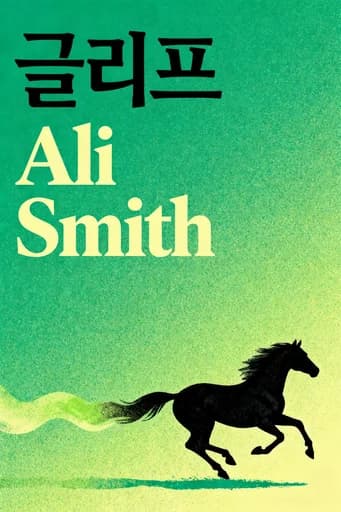
Gliff
Gliff 개요
Ali Smith's "Gliff" plunges readers into a chilling surveillance state where siblings fight algorithmic control. This NYT Editor's Choice brilliantly warns of our technological future, with a hidden companion story awaiting in "Glyph" - the second half of Smith's mind-bending literary puzzle.
Gliff의 핵심 주제
- surveillance culture
- systemic exclusion
- childhood resilience
- human-animal bonds
- statelessness and identity
Gliff의 명언
Words themselves are facts/deeds.
Facts/deeds themselves are words.
I was struck by the animal's eye that showed both gentleness and equanimity.
A sweet connection.
Gliff의 등장인물
- LeifThe mother's boyfriend who abandons the children
- OonaAn elderly woman and ally to the narrator
- Ulyana YusefA stateless philosopher and art historian
- Colon KendrickA boy serving as a designated data collector
- RoseThe narrator's sister
저자 소개
Gliff의 저자 소개
Ali Smith CBE is the acclaimed author of Gliff, a Scottish novelist, playwright, and journalist celebrated for her experimental and politically engaged fiction. Born in Inverness in 1962, Smith has been described as "Scotland's Nobel laureate-in-waiting" and is recognized as one of the most distinctive voices in contemporary literature.
Her work explores themes of time, duality, love, and political transformation through innovative narrative forms that blend the ordinary with the extraordinary.
Smith's celebrated novels include the Seasonal Quartet—Autumn, Winter, Spring, and Summer—as well as How to Be Both, which won both the Goldsmiths Prize and Women's Prize for Fiction. Hotel World and The Accidental were both shortlisted for the Booker Prize.
Known for her playful, witty prose and unapologetic engagement with contemporary issues, she also contributes regularly to The Guardian, The Times Literary Supplement, and The Scotsman. Her work has been translated into 40 languages and has been shortlisted for the Man Booker Prize four times, cementing her status as a major force in world literature.
Gliff 요약 다운로드
Gliff 요약을 무료 PDF 또는 EPUB으로 받으세요. 인쇄하거나 오프라인에서 언제든 읽을 수 있습니다.
이 책에 대한 FAQ
Gliff by Ali Smith is a 2024 novel from the acclaimed Scottish author known for her experimental and politically engaged fiction. Published after her celebrated seasonal quartet, Gliff continues Smith's exploration of contemporary life through playful narrative structures and linguistic innovation. The novel blends Smith's signature themes of time, connection, and social commentary with her characteristic wit and formal experimentation, offering readers a distinctly modern literary experience.
Ali Smith is a Scottish novelist, playwright, and journalist born in Inverness in 1962, widely regarded as one of the most important voices in contemporary English literature. She has been shortlisted for the Booker Prize four times and won prestigious awards including the Women's Prize for Fiction and the Goldsmiths Prize. Smith was appointed Commander of the Order of the British Empire (CBE) in 2015 for services to literature, and Sebastian Barry has described her as "Scotland's Nobel laureate-in-waiting".
Gliff by Ali Smith appeals to readers who enjoy experimental literary fiction that challenges conventional narrative forms and engages with contemporary politics. Fans of Smith's seasonal quartet (Autumn, Winter, Spring, Summer) and her award-winning novels like How to Be Both will appreciate her continued innovation. This book suits readers seeking intelligent, playful prose that addresses timely social issues while exploring universal themes of human connection and transformation.
Gliff by Ali Smith is worth reading for those who appreciate boundary-pushing contemporary literature with political relevance. The novel was shortlisted for the 2024 Highland Book Prize, confirming Smith's continued critical acclaim. Smith's reputation for creating "playful, witty, and unapologetically political novels that are both intimately bound up with the contemporary but also transcend time" suggests Gliff delivers the sophisticated literary experimentation and social commentary that has earned her multiple award nominations.
Ali Smith's work consistently explores duality, love and loss, time and its passing, and human connection, blending these with political concerns. In Gliff, readers can expect Smith's characteristic bringing together of "the fabular and the quotidian that is both uncanny and strikingly fertile". Her fiction typically addresses contemporary social issues while maintaining a timeless quality, combining experimental form with deeply humanistic storytelling that examines how individuals navigate personal and collective challenges.
Ali Smith's writing style in Gliff features her signature experimentation with form and language, described as "playful, witty, and essential". Smith is renowned for challenging conventional narrative structures while maintaining accessibility and emotional depth. Her prose blends the everyday with the extraordinary, using linguistic innovation to explore both intimate personal experiences and broader political realities. Smith's approach makes complex literary fiction engaging and relevant to contemporary readers.
Gliff represents Ali Smith's continued evolution following her acclaimed seasonal quartet (Autumn 2016, Winter 2017, Spring 2019, Summer 2020), which consolidated her position as "one of the most important names in English letters". While the seasonal novels responded directly to Brexit and contemporary political upheaval, Gliff extends Smith's exploration of timely social issues through innovative narrative techniques. Both works demonstrate Smith's ability to capture urgent contemporary concerns while creating fiction that transcends immediate political contexts.
Ali Smith has received extraordinary literary recognition, including four Booker Prize shortlist nominations and wins for the Women's Prize for Fiction, Costa Book Awards, and Goldsmiths Prize. She won the Encore Award for Hotel World, multiple Costa Novel Awards for The Accidental and How to Be Both, and the Orwell Prize for Summer. Smith was appointed CBE in 2015, elected Fellow of the Royal Society of Literature in 2007, and received the Bodley Medal in 2024, the highest honour from Oxford's Bodleian Library.
Ali Smith is considered "one of the most unique and influential voices in contemporary Anglo-Saxon literature" for her innovative approach to form and political engagement. Her work has been translated into 40 languages, demonstrating international impact. Smith's ability to blend experimental techniques with accessible storytelling, her consistent exploration of urgent social issues, and her prolific output of critically acclaimed novels and short stories have established her as a defining voice in 21st-century literature.
Publishing Gliff in 2024 demonstrates Ali Smith's continued literary vitality and relevance following her seasonal quartet's completion in 2020. The novel's Highland Book Prize shortlist recognition confirms Smith's sustained critical acclaim. Given Smith's pattern of responding to contemporary political and social landscapes—as seen in her Brexit-era seasonal novels—Gliff likely engages with current global challenges while maintaining the timeless, experimental qualities that characterize her distinctive contribution to modern literature.
Gliff appears as Ali Smith's thirteenth novel, published in 2024 after her acclaimed seasonal quartet and Companion Piece (2022). The book continues Smith's prolific career that began with Like in 1997 and includes award-winning works like Hotel World, The Accidental, and How to Be Both. As one of her most recent publications, Gliff represents Smith's mature voice as an established literary figure, building on decades of innovation and critical success in both novels and short story collections.
Ali Smith's approach to writing draws from her academic background in American and Irish modernism and her doctoral focus on "the importance of the ordinary in modernist literature". Her aim to "reclaim modernism from nihilism" and explore "understories of all works" shapes her narrative experimentation. Smith's working-class Scottish upbringing in a council house in Inverness and her early love of reading song titles off records contribute to her distinctive voice that combines linguistic playfulness with social consciousness.