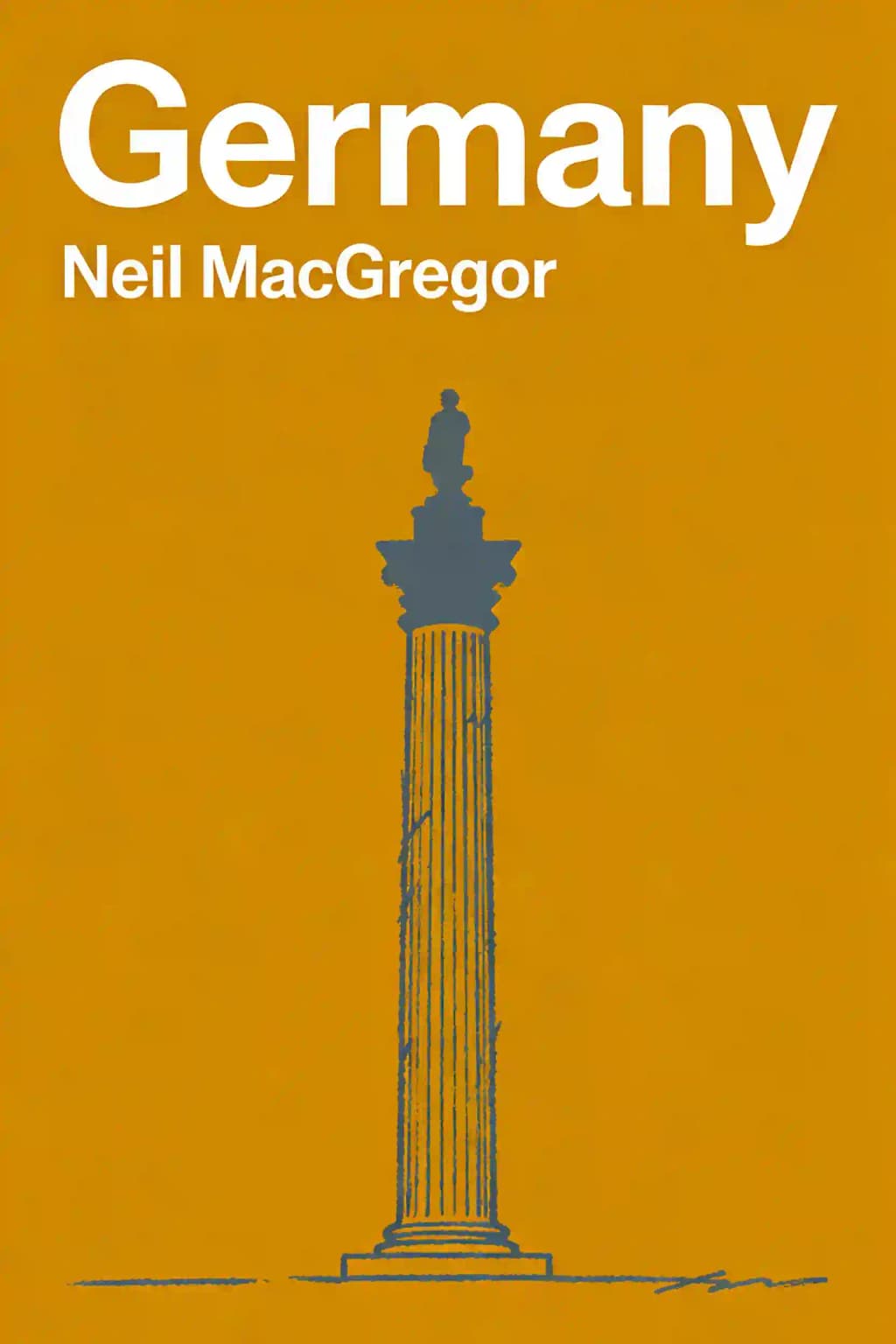
Discover Germany's soul through artifacts, not chronology. Neil MacGregor's acclaimed cultural exploration - praised by The Guardian as "immensely intelligent" - reveals why German memorials honor shame rather than victory, offering a fragmented yet fascinating journey through Europe's most complex nation.
저자의 목소리로 책을 느껴보세요
지식을 흥미롭고 예시가 풍부한 인사이트로 전환
핵심 아이디어를 빠르게 캡처하여 신속하게 학습
재미있고 매력적인 방식으로 책을 즐기세요
When Angela Merkel stood before cheering crowds at the Brandenburg Gate during the 2014 World Cup celebrations, she embodied a remarkable transformation. The nation once considered Europe's greatest threat had become its stabilizing anchor. Unlike countries that build triumphant historical narratives, Germany has embraced what historians call Vergangenheitsbewaltigung - the ongoing process of coming to terms with the past. This approach is visible everywhere in German public spaces. Consider Munich's Siegestor (Victory Gate). Its north side glorifies Bavarian military valor with classical reliefs of charging cavalry, but its bomb-damaged south side, deliberately left unrestored after World War II, bears the sobering inscription: "Dedicated to victory, destroyed by war, urging peace." What other nation would maintain such architectural honesty? Four profound traumas have shaped German consciousness: the devastating Thirty Years' War that killed nearly a third of the population; Napoleon's humiliating occupation; the Third Reich's unprecedented crimes; and Germany's post-war division. Rather than minimizing these painful chapters, Germany has built monuments to remember them - from the Memorial to the Murdered Jews of Europe near the Brandenburg Gate to countless Stolpersteine (stumbling stones) embedded in sidewalks commemorating victims of Nazi persecution. The Brandenburg Gate itself tells this story of transformation. Originally built in the 1780s as a neo-classical monument to peace, it was later modified with military symbols after Napoleon's defeat. During the Cold War, it became the ultimate boundary between East and West Berlin. Today, it serves as Germany's communal gathering place - a physical reminder of the nation's commitment to remember rather than erase difficult chapters of its past.
Germany의 핵심 아이디어를 이해하기 쉬운 포인트로 분해하여 혁신적인 팀이 어떻게 창조하고, 협력하고, 성장하는지 이해합니다.
Germany을 빠른 기억 단서로 압축하여 솔직함, 팀워크, 창의적 회복력의 핵심 원칙을 강조합니다.

생생한 스토리텔링을 통해 Germany을 경험하고, 혁신 교훈을 기억에 남고 적용할 수 있는 순간으로 바꿉니다.
무엇이든 물어보고, 목소리를 선택하고, 진정으로 공감되는 인사이트를 함께 만들어보세요.

샌프란시스코에서 컬럼비아 대학교 동문들이 만들었습니다
"Instead of endless scrolling, I just hit play on BeFreed. It saves me so much time."
"I never knew where to start with nonfiction—BeFreed’s book lists turned into podcasts gave me a clear path."
"Perfect balance between learning and entertainment. Finished ‘Thinking, Fast and Slow’ on my commute this week."
"Crazy how much I learned while walking the dog. BeFreed = small habits → big gains."
"Reading used to feel like a chore. Now it’s just part of my lifestyle."
"Feels effortless compared to reading. I’ve finished 6 books this month already."
"BeFreed turned my guilty doomscrolling into something that feels productive and inspiring."
"BeFreed turned my commute into learning time. 20-min podcasts are perfect for finishing books I never had time for."
"BeFreed replaced my podcast queue. Imagine Spotify for books — that’s it. 🙌"
"It is great for me to learn something from the book without reading it."
"The themed book list podcasts help me connect ideas across authors—like a guided audio journey."
"Makes me feel smarter every time before going to work"
샌프란시스코에서 컬럼비아 대학교 동문들이 만들었습니다

Germany 요약을 무료 PDF 또는 EPUB으로 받으세요. 인쇄하거나 오프라인에서 언제든 읽을 수 있습니다.