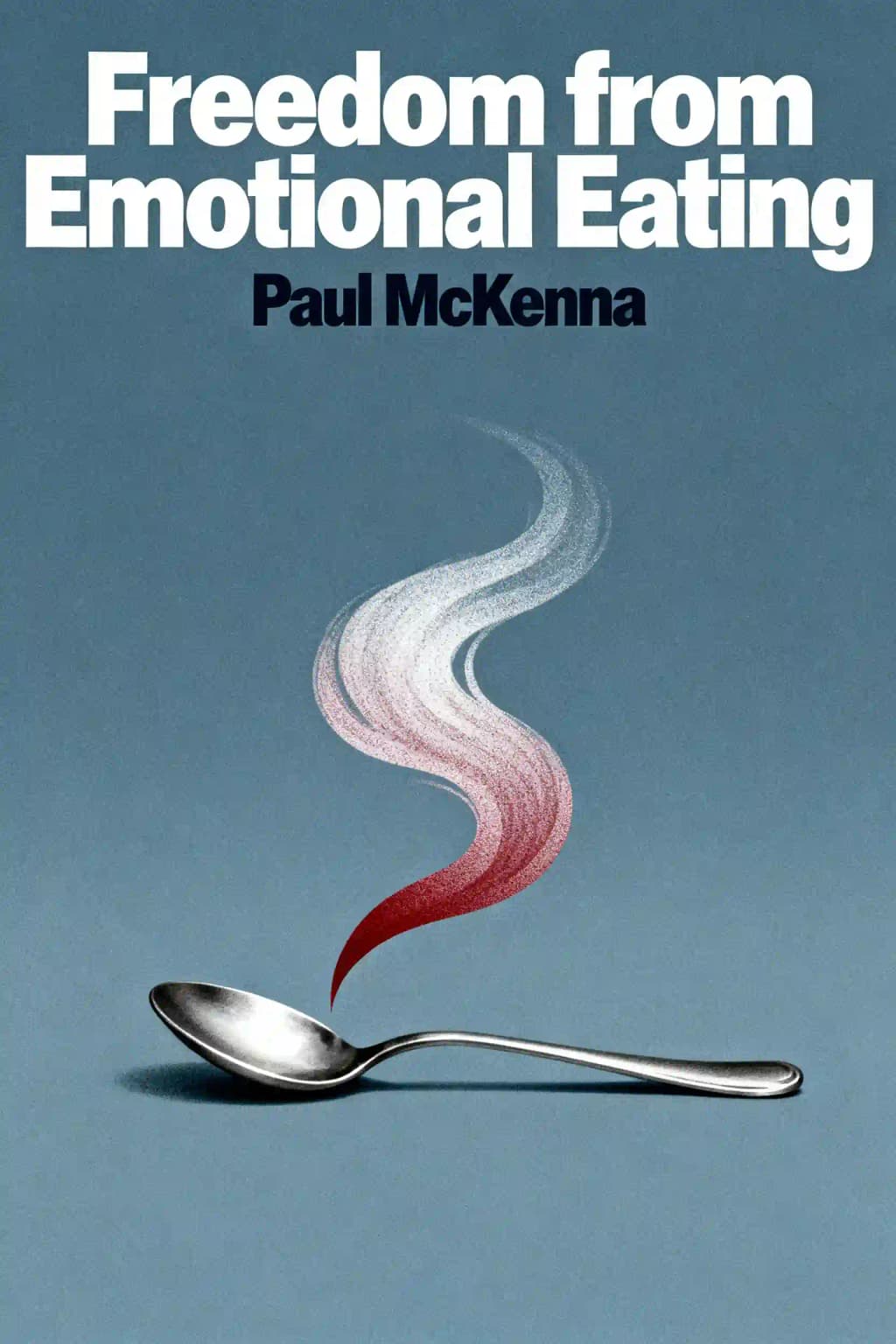
Revolutionize your relationship with food using Paul McKenna's groundbreaking system that tackles emotional eating - the #1 cause of Western obesity. With over 2,800 glowing reviews, this hypnosis-infused guide has transformed lives by addressing not what you eat, but why you eat it.
Paul McKenna, PhD, bestselling author of Freedom from Emotional Eating and a world-renowned hypnotherapist and behavioral scientist, combines decades of clinical expertise with neuro-linguistic programming to address chronic overeating.
As the UK’s most successful non-fiction writer, his work—including the record-breaking I Can Make You Thin and I Can Make You Happy—focuses on transforming habits through mind-body techniques. A frequent guest on Good Morning America and The Dr. Oz Show, McKenna has pioneered therapies like Amygdala Depotentiation to rewire emotional responses, drawing from his 30+ years of TV shows, seminars, and corporate workshops.
His books, translated into 32 languages, have sold over 10 million copies globally. Freedom from Emotional Eating builds on his signature blend of hypnosis and cognitive strategies, trusted by celebrities and health professionals alike.
Freedom from Emotional Eating presents a hypnosis and NLP-based system to break cycles of using food to manage emotions. Paul McKenna combines guided audio exercises with cognitive techniques to help readers address root causes of overeating, rebuild self-trust, and develop mindful eating habits without restrictive diets.
This book suits individuals struggling with stress eating, binge eating, or yo-yo dieting who seek alternatives to traditional dieting. It’s ideal for those open to hypnosis, mindfulness practices, or behavior-change strategies to improve their relationship with food.
Yes, reviewers praise its practical methods for reducing cravings and increasing self-awareness. However, its effectiveness depends on willingness to engage with hypnotic trance sessions and introspective exercises, which some find challenging initially.
McKenna’s system includes:
The book teaches readers to identify emotional voids driving overeating (e.g., stress, boredom) and offers tools to process feelings without food. McKenna emphasizes self-compassion and replacing judgment with curiosity about eating habits.
Unlike diets focusing on restrictions, McKenna’s method targets the psychological roots of overeating. It encourages trusting the body’s hunger signals and dismantling beliefs like “food equals comfort” through subconscious rewiring.
Some readers note the hypnosis component requires consistent practice to see results, and the lack of structured meal plans may frustrate those wanting concrete dietary rules. Others compare it to Geneen Roth’s work but find it more action-oriented.
While Roth’s book explores societal influences on eating disorders and emphasizes self-inquiry, McKenna’s approach is more solution-focused with immediate behavioral tools. Roth critiques diet culture broadly; McKenna provides step-by-step techniques to reprogram habits.
Yes, McKenna’s hypnosis sessions specifically target cravings for sugar and processed foods by reducing their emotional “reward” value neurologically. Users report decreased reliance on sugary snacks after applying his methods.
Mindfulness is central—readers learn to eat without distractions, recognize satiety cues, and pause before emotional eating episodes. Techniques like “hunger check-ins” help rebuild trust in bodily signals.
While not the primary focus, McKenna addresses negative self-talk about body size and encourages readers to disentangle self-worth from weight. His techniques aim to cultivate body neutrality as a foundation for healthier choices.
Users report initial shifts in cravings within 2-3 weeks of daily hypnosis practice, though lasting change often requires 6-8 weeks. Consistency with the audio exercises and journaling tasks is key.
저자의 목소리로 책을 느껴보세요
지식을 흥미롭고 예시가 풍부한 인사이트로 전환
핵심 아이디어를 빠르게 캡처하여 신속하게 학습
재미있고 매력적인 방식으로 책을 즐기세요
Traditional diets don't just fail-they actively create the problem they claim to solve.
The problem isn't lack of discipline; it's that you've developed mental programming.
Skepticism is natural, the system works regardless of your beliefs.
Even wealthy, successful people can suffer from this.
Feeling bad becomes normal while feeling good requires specific stimulation.
Freedom from Emotional Eating의 핵심 아이디어를 이해하기 쉬운 포인트로 분해하여 혁신적인 팀이 어떻게 창조하고, 협력하고, 성장하는지 이해합니다.
Freedom from Emotional Eating을 빠른 기억 단서로 압축하여 솔직함, 팀워크, 창의적 회복력의 핵심 원칙을 강조합니다.

생생한 스토리텔링을 통해 Freedom from Emotional Eating을 경험하고, 혁신 교훈을 기억에 남고 적용할 수 있는 순간으로 바꿉니다.
무엇이든 물어보고, 목소리를 선택하고, 진정으로 공감되는 인사이트를 함께 만들어보세요.

샌프란시스코에서 컬럼비아 대학교 동문들이 만들었습니다
"Instead of endless scrolling, I just hit play on BeFreed. It saves me so much time."
"I never knew where to start with nonfiction—BeFreed’s book lists turned into podcasts gave me a clear path."
"Perfect balance between learning and entertainment. Finished ‘Thinking, Fast and Slow’ on my commute this week."
"Crazy how much I learned while walking the dog. BeFreed = small habits → big gains."
"Reading used to feel like a chore. Now it’s just part of my lifestyle."
"Feels effortless compared to reading. I’ve finished 6 books this month already."
"BeFreed turned my guilty doomscrolling into something that feels productive and inspiring."
"BeFreed turned my commute into learning time. 20-min podcasts are perfect for finishing books I never had time for."
"BeFreed replaced my podcast queue. Imagine Spotify for books — that’s it. 🙌"
"It is great for me to learn something from the book without reading it."
"The themed book list podcasts help me connect ideas across authors—like a guided audio journey."
"Makes me feel smarter every time before going to work"
샌프란시스코에서 컬럼비아 대학교 동문들이 만들었습니다

Freedom from Emotional Eating 요약을 무료 PDF 또는 EPUB으로 받으세요. 인쇄하거나 오프라인에서 언제든 읽을 수 있습니다.
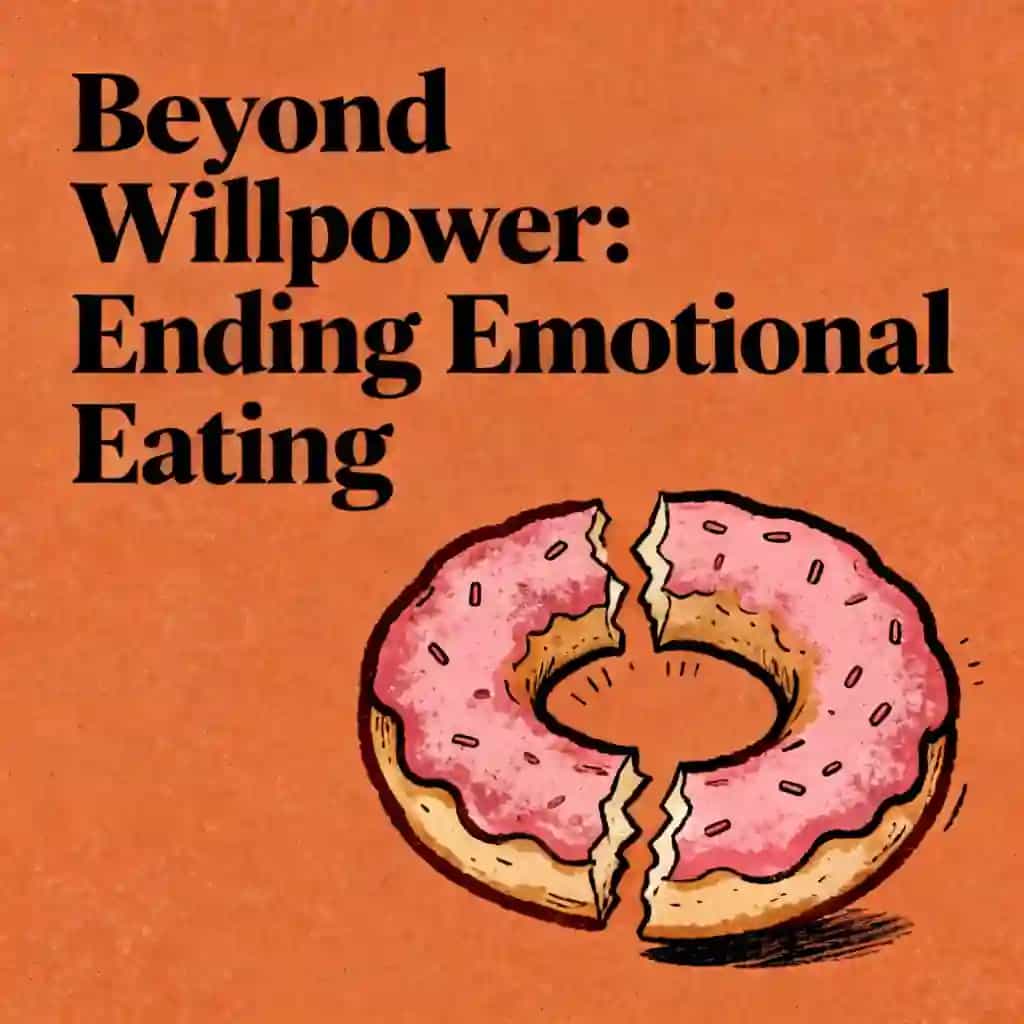
Reach for a bag of chips after a difficult conversation. Polish off a pint of ice cream during a late-night Netflix binge. Grab a donut because, well, you've earned it. Sound familiar? Here's the uncomfortable truth: most weight struggles have nothing to do with willpower or discipline. They're about unprocessed emotions that we've learned to swallow instead of feel. While the diet industry rakes in billions selling restriction and guilt, research reveals a staggering fact-84% of dieters fail to keep weight off, and 70% end up heavier than when they started. The problem isn't your lack of commitment. It's that traditional diets treat symptoms while ignoring the wound underneath. What if the path to lasting freedom didn't require counting calories or forbidden food lists? What if it started with understanding why you reach for food when you're not actually hungry?