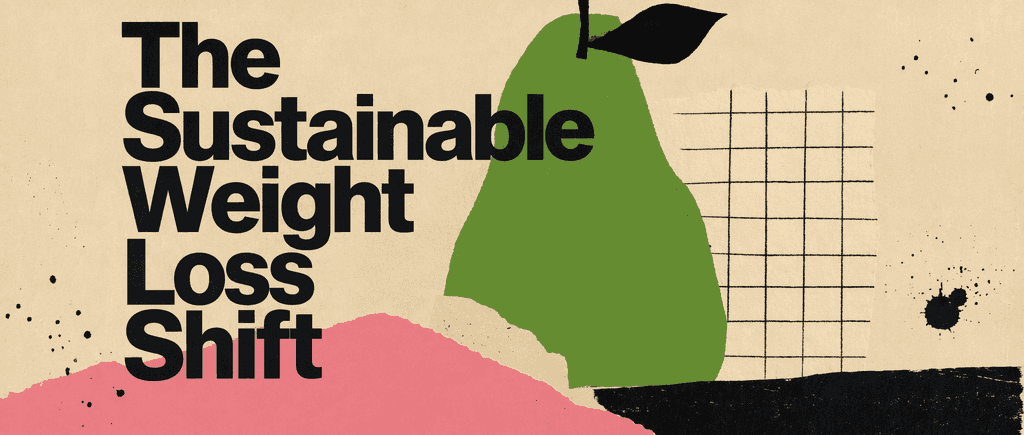
Intuitive Eating, 4th Edition: A Revolutionary Anti-Diet Approach

Intuitive Eating, 4th Edition 개요
Forget dieting forever. "Intuitive Eating" revolutionized nutrition with 125+ research studies proving its effectiveness against eating disorders. This groundbreaking guide teaches your body to recognize true hunger while healing your relationship with food - something diet culture's $70 billion industry doesn't want you to discover.
- Reject diet culture’s rules to reclaim trust in your body’s wisdom
- Honor biological hunger signals as non-negotiable self-care acts
- Challenge "Food Police" thoughts disrupting peace with eating choices
- Discover satisfaction through meals that nourish both body and psyche
- Respect fullness cues by pausing mid-meal to assess satiety
- Practice gentle nutrition without rigidity—one meal doesn’t define health
- Break the "last supper effect" by making peace with forbidden foods
- Ditch external diet tools to reconnect with internal hunger rhythms
- Transform eating from guilt-driven to curiosity-driven self-discovery
- Evelyn Tribole’s intuitive eating turns hunger cues into empowered self-care decisions
- Replace diet mentality with body trust for sustainable food relationships
- Balance physical nourishment with emotional satisfaction through mindful food choices
Intuitive Eating, 4th Edition의 저자 소개
Evelyn Tribole, M.S., R.D., and Elyse Resch, M.S., R.D.N., are the bestselling authors of Intuitive Eating: A Revolutionary Program That Works and pioneering registered dietitians who revolutionized the anti-diet movement.
Tribole, an award-winning nutritionist and former Good Morning America expert, and Resch, a fellow of the American Dietetic Association with four decades of clinical experience, co-created the evidence-based Intuitive Eating framework in 1995. Their work in this self-help health classic blends psychology and nutrition to promote body positivity, interoceptive awareness, and a weight-neutral approach to eating.
Tribole’s earlier million-copy bestseller Healthy Homestyle Cooking established her as a trusted voice in accessible nutrition, while Resch’s expertise in eating disorders informs their shared mission to dismantle diet culture.
The authors regularly contribute to media platforms and research, with Tribole’s Intuitive Eating Workbook offering practical extensions of their principles. Translated into multiple languages and cited in over 90 studies, Intuitive Eating has sold more than 1 million copies worldwide, solidifying its status as a foundational text in holistic health.
Intuitive Eating, 4th Edition에 대한 자주 묻는 질문
What is Intuitive Eating by Evelyn Tribole and Elyse Resch about?
Intuitive Eating presents an evidence-based, weight-neutral approach to rebuilding a healthy relationship with food by rejecting diet culture. It outlines 10 principles to help readers tune into their body’s hunger/fullness cues, make peace with food, and prioritize self-care over restrictive rules.
Who should read Intuitive Eating?
This book is ideal for individuals struggling with chronic dieting, body image issues, or disordered eating patterns. It’s also valuable for healthcare professionals seeking a compassionate, non-diet framework to support clients.
Is Intuitive Eating worth reading?
Yes, with over 90 supporting studies and a 30-year legacy as a bestseller, it’s considered a foundational text for breaking free from diet mentality. The 4th edition includes updated research and strategies for navigating modern food challenges.
What are the main principles of Intuitive Eating?
Key principles include rejecting diet mentality, honoring hunger/fullness cues, challenging the “food police,” and respecting your body. The 10-step framework emphasizes self-compassion over rigid food rules.
How does Intuitive Eating differ from traditional diets?
Unlike calorie-counting or meal-plan diets, this approach bans food restrictions and external rules. It instead teaches trust in bodily signals, emphasizing satisfaction and psychological well-being over weight metrics.
Can Intuitive Eating help with weight loss?
The book focuses on health behaviors rather than weight loss, arguing that weight-neutral approaches improve metabolic and mental health more sustainably than dieting.
What does "making peace with food" mean in Intuitive Eating?
This principle encourages removing guilt around eating and granting unconditional permission to enjoy all foods. By ending the restrict-binge cycle, food loses its emotional power.
How does Intuitive Eating address emotional eating?
It distinguishes physical hunger from emotional cravings, advising kindness over judgment. Principle 7 teaches coping with emotions through mindfulness and self-care rather than food.
Are there scientific studies supporting Intuitive Eating?
Yes, over 90 peer-reviewed studies validate its benefits, including improved cholesterol levels, body satisfaction, and reduced disordered eating behaviors.
What is the "Hunger-Fullness Scale" in Intuitive Eating?
This tool helps users rate physical hunger/satiety on a 1-10 scale, fostering awareness of body signals to guide eating decisions without external rules.
Does Intuitive Eating work for people with eating disorders?
Yes, it’s used clinically to treat eating disorders by restoring trust in bodily cues and dismantling harmful diet beliefs. However, professional guidance is recommended during recovery.
How does Intuitive Eating view exercise?
Principle 9 reframes movement as joyful physical activity rather than weight-control exercise. It encourages finding enjoyable ways to honor your body’s capabilities.
Can Intuitive Eating improve body image?
By teaching body respect (Principle 8) and rejecting weight stigma, the approach helps reduce body dissatisfaction and promotes acceptance at any size.
저자의 목소리로 책을 느껴보세요
지식을 흥미롭고 예시가 풍부한 인사이트로 전환
핵심 아이디어를 빠르게 캡처하여 신속하게 학습
재미있고 매력적인 방식으로 책을 즐기세요
Intuitive Eating, 4th Edition의 등장인물
- Evelyn TriboleAuthor and nutrition expert
- Elyse ReschAuthor and nutrition expert
- Christy HarrisonAnti-diet advocate and nutritionist
- Jameela JamilCelebrity champion of the anti-diet message
Intuitive Eating, 4th Edition의 핵심 주제
- anti-diet movement
- biological hunger cues
- metabolic adaptation
- food neutrality
- body trust
Intuitive Eating, 4th Edition의 명언
Dieting fundamentally contradicts human biology.
These aren't character flaws but sophisticated biological adaptations.
Dieting itself increased weight gain risk by 33%.
Intuitive Eaters follow their internal hunger signals and eat without guilt.
Reject the Diet Mentality.
나만의 학습 방법 탐색하기
 빠른 요약 모드
Intuitive Eating, 4th Edition 요약을 9분 만에 읽거나 듣기
Intuitive Eating, 4th Edition의 핵심 아이디어를 이해하기 쉬운 포인트로 분해하여 혁신적인 팀이 어떻게 창조하고, 협력하고, 성장하는지 이해합니다.

 재미있게 모드
Intuitive Eating, 4th Edition의 교훈을 18분 스토리로
생생한 스토리텔링을 통해 Intuitive Eating, 4th Edition을 경험하고, 혁신 교훈을 기억에 남고 적용할 수 있는 순간으로 바꿉니다.
 개인화 모드
Intuitive Eating, 4th Edition을 나만의 학습 스타일로 경험하기
무엇이든 묻고, 학습 스타일을 선택하고, 나에게 맞는 인사이트를 함께 만들어보세요.
샌프란시스코에서 컬럼비아 대학교 동문들이 만들었습니다
"Instead of endless scrolling, I just hit play on BeFreed. It saves me so much time."


"I never knew where to start with nonfiction—BeFreed’s book lists turned into podcasts gave me a clear path."


"Perfect balance between learning and entertainment. Finished ‘Thinking, Fast and Slow’ on my commute this week."
"Crazy how much I learned while walking the dog. BeFreed = small habits → big gains."
"Reading used to feel like a chore. Now it’s just part of my lifestyle."

"Feels effortless compared to reading. I’ve finished 6 books this month already."
"BeFreed turned my guilty doomscrolling into something that feels productive and inspiring."

"BeFreed turned my commute into learning time. 20-min podcasts are perfect for finishing books I never had time for."
"BeFreed replaced my podcast queue. Imagine Spotify for books — that’s it. 🙌"

"It is great for me to learn something from the book without reading it."
"The themed book list podcasts help me connect ideas across authors—like a guided audio journey."
"Makes me feel smarter every time before going to work"
샌프란시스코에서 컬럼비아 대학교 동문들이 만들었습니다
"Instead of endless scrolling, I just hit play on BeFreed. It saves me so much time."
"I never knew where to start with nonfiction—BeFreed’s book lists turned into podcasts gave me a clear path."
"Perfect balance between learning and entertainment. Finished ‘Thinking, Fast and Slow’ on my commute this week."
"Crazy how much I learned while walking the dog. BeFreed = small habits → big gains."
"Reading used to feel like a chore. Now it’s just part of my lifestyle."
"Feels effortless compared to reading. I’ve finished 6 books this month already."
"BeFreed turned my guilty doomscrolling into something that feels productive and inspiring."
"BeFreed turned my commute into learning time. 20-min podcasts are perfect for finishing books I never had time for."
"BeFreed replaced my podcast queue. Imagine Spotify for books — that’s it. 🙌"
"It is great for me to learn something from the book without reading it."
"The themed book list podcasts help me connect ideas across authors—like a guided audio journey."
"Makes me feel smarter every time before going to work"
"Instead of endless scrolling, I just hit play on BeFreed. It saves me so much time."
"I never knew where to start with nonfiction—BeFreed’s book lists turned into podcasts gave me a clear path."
"Perfect balance between learning and entertainment. Finished ‘Thinking, Fast and Slow’ on my commute this week."
"Crazy how much I learned while walking the dog. BeFreed = small habits → big gains."
"Reading used to feel like a chore. Now it’s just part of my lifestyle."
"Feels effortless compared to reading. I’ve finished 6 books this month already."
"BeFreed turned my guilty doomscrolling into something that feels productive and inspiring."
"BeFreed turned my commute into learning time. 20-min podcasts are perfect for finishing books I never had time for."
"BeFreed replaced my podcast queue. Imagine Spotify for books — that’s it. 🙌"
"It is great for me to learn something from the book without reading it."
"The themed book list podcasts help me connect ideas across authors—like a guided audio journey."
"Makes me feel smarter every time before going to work"
"Instead of endless scrolling, I just hit play on BeFreed. It saves me so much time."
"I never knew where to start with nonfiction—BeFreed’s book lists turned into podcasts gave me a clear path."
"Perfect balance between learning and entertainment. Finished ‘Thinking, Fast and Slow’ on my commute this week."
"Crazy how much I learned while walking the dog. BeFreed = small habits → big gains."
"Reading used to feel like a chore. Now it’s just part of my lifestyle."
"Feels effortless compared to reading. I’ve finished 6 books this month already."
"BeFreed turned my guilty doomscrolling into something that feels productive and inspiring."
"BeFreed turned my commute into learning time. 20-min podcasts are perfect for finishing books I never had time for."
"BeFreed replaced my podcast queue. Imagine Spotify for books — that’s it. 🙌"
"It is great for me to learn something from the book without reading it."
"The themed book list podcasts help me connect ideas across authors—like a guided audio journey."
"Makes me feel smarter every time before going to work"

Intuitive Eating, 4th Edition 요약 다운로드
Intuitive Eating, 4th Edition 요약을 무료 PDF 또는 EPUB으로 받으세요. 인쇄하거나 오프라인에서 언제든 읽을 수 있습니다.