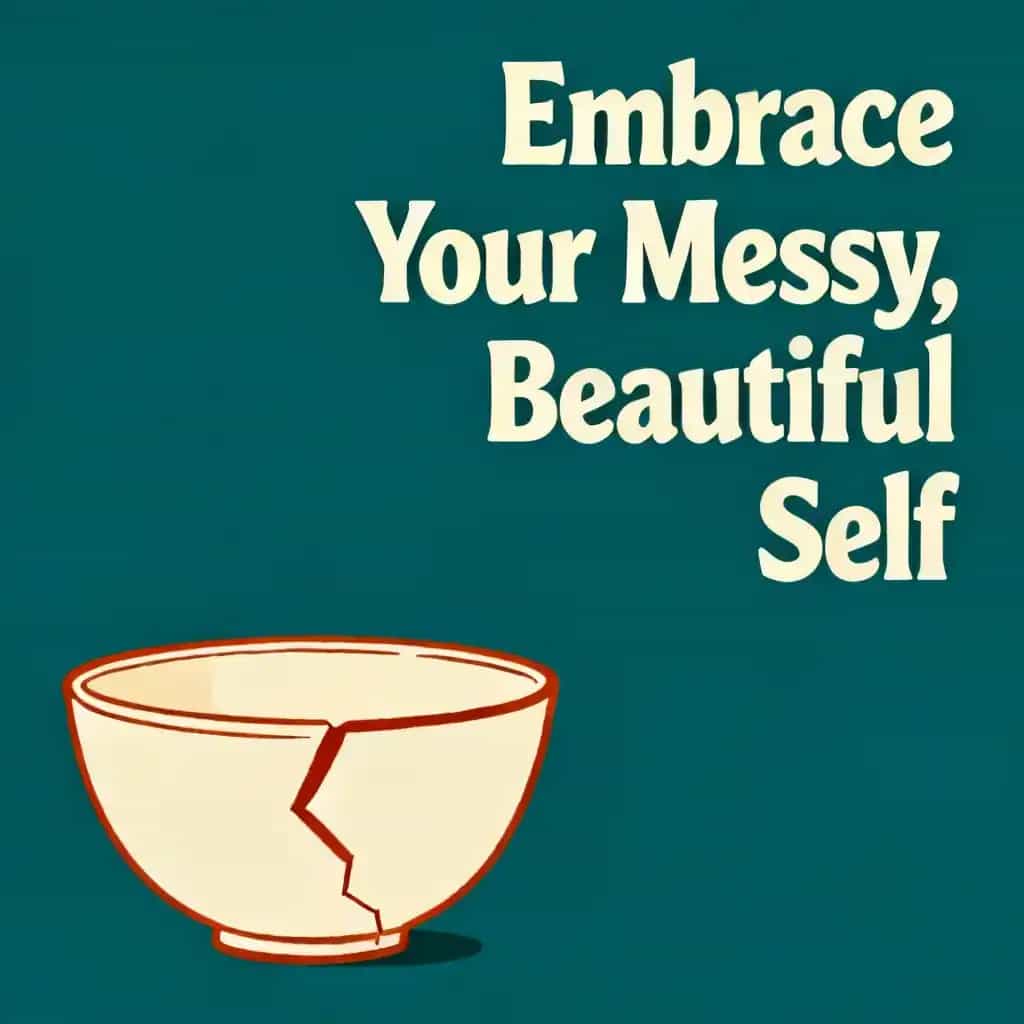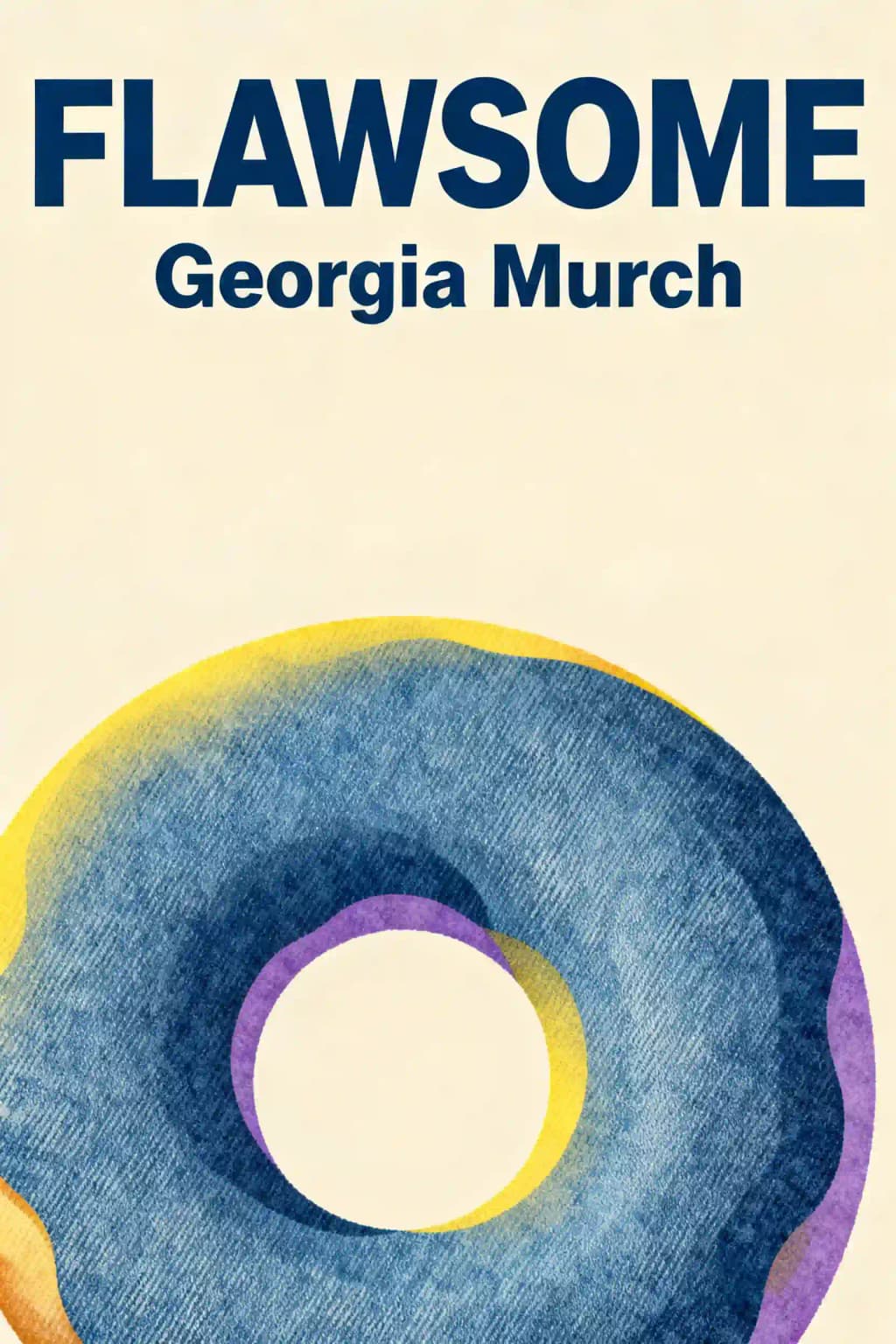
In "Flawsome," Georgia Murch reveals why embracing imperfections creates authentic strength. Drawing from her work with 20,000+ professionals, she introduces the "Pratfall Effect" - how vulnerability makes you more likable. Like Japanese Kintsukuroi pottery, your cracks, filled with gold, become your greatest asset.
Georgia Murch is the best-selling author of Flawsome: The Journey to Being Whole is Learning to Be Holey and a globally recognized expert in workplace feedback cultures and leadership development. Specializing in self-development and organizational psychology, her work focuses on empowering individuals and teams to embrace imperfection while fostering accountability and trust.
With over 25 years of experience leading teams and advising organizations, Murch draws from her professional journey to challenge conventional notions of perfection in her writing. She is also the author of Fixing Feedback, a seminal guide to constructive communication, and a frequent contributor to Huffington Post, AFR, and CEO World.
A dynamic speaker featured on Sky News, The Today Show, and ABC radio, Murch founded Can We Talk, a consultancy transforming workplace cultures through actionable strategies. Her "flawsome" philosophy—celebrating growth through vulnerability—has inspired leadership teams at companies like Airtasker and resonates across industries. Flawsome continues to drive discussions on psychological safety and authenticity in modern workplaces worldwide.
Flawsome by Georgia Murch teaches readers to embrace imperfections as strengths, arguing that self-acceptance fosters personal growth. The book combines personal stories, psychological insights, and actionable strategies to reframe flaws as "superpowers," guiding readers through self-awareness, managing emotional triggers, and redefining perfection.
This book suits individuals seeking self-improvement, leaders aiming to build feedback-driven workplace cultures, and anyone struggling with perfectionism. It’s particularly relevant for those interested in mental health, emotional resilience, or personal development.
Yes—Flawsome offers practical tools for transforming self-criticism into self-compassion. Its blend of relatable anecdotes (e.g., Ashley Graham’s body positivity advocacy) and exercises like identifying emotional triggers makes it actionable.
The term "flawsome" merges "flaws" and "awesome," advocating that imperfections define our uniqueness. Murch suggests flaws are not weaknesses but traits to leverage, fostering authenticity and resilience.
The book explains how triggers stem from past experiences and provides frameworks to pause, reflect, and respond thoughtfully. Murch emphasizes identifying triggers to break cycles of unhelpful reactions.
Drawing on 25+ years designing workplace feedback systems, Murch ties self-perception to interpersonal dynamics. The book shows how embracing personal flaws improves communication and team culture.
These highlight the book’s core theme: authenticity over unattainable ideals.
Unlike prescriptive guides, Flawsome focuses on self-acceptance rather than "fixing" flaws. It aligns with Brené Brown’s work on vulnerability but adds workplace-specific strategies.
Some may find its repetitive emphasis on self-acceptance overly simplistic. However, its structured exercises and real-world examples counterbalance this by providing tangible steps.
Yes—Murch’s frameworks help readers handle feedback constructively, reduce defensiveness, and foster inclusive cultures. Techniques like "holding space" for growth are particularly useful for leaders.
저자의 목소리로 책을 느껴보세요
핵심 아이디어를 빠르게 캡처하여 신속하게 학습
Perfection is a myth.
Our flaws don't push people away; they draw them in.
Most of that judgment exists only in our heads.
Understanding our triggers is crucial to becoming flawsome.
It's about being perfectly imperfect.
Flawsome의 핵심 아이디어를 이해하기 쉬운 포인트로 분해하여 혁신적인 팀이 어떻게 창조하고, 협력하고, 성장하는지 이해합니다.
Flawsome을 빠른 기억 단서로 압축하여 솔직함, 팀워크, 창의적 회복력의 핵심 원칙을 강조합니다.

무엇이든 물어보고, 목소리를 선택하고, 진정으로 공감되는 인사이트를 함께 만들어보세요.

샌프란시스코에서 컬럼비아 대학교 동문들이 만들었습니다
"Instead of endless scrolling, I just hit play on BeFreed. It saves me so much time."
"I never knew where to start with nonfiction—BeFreed’s book lists turned into podcasts gave me a clear path."
"Perfect balance between learning and entertainment. Finished ‘Thinking, Fast and Slow’ on my commute this week."
"Crazy how much I learned while walking the dog. BeFreed = small habits → big gains."
"Reading used to feel like a chore. Now it’s just part of my lifestyle."
"Feels effortless compared to reading. I’ve finished 6 books this month already."
"BeFreed turned my guilty doomscrolling into something that feels productive and inspiring."
"BeFreed turned my commute into learning time. 20-min podcasts are perfect for finishing books I never had time for."
"BeFreed replaced my podcast queue. Imagine Spotify for books — that’s it. 🙌"
"It is great for me to learn something from the book without reading it."
"The themed book list podcasts help me connect ideas across authors—like a guided audio journey."
"Makes me feel smarter every time before going to work"
샌프란시스코에서 컬럼비아 대학교 동문들이 만들었습니다

Flawsome 요약을 무료 PDF 또는 EPUB으로 받으세요. 인쇄하거나 오프라인에서 언제든 읽을 수 있습니다.
We live in a world obsessed with perfection. From social media filters to airbrushed magazine covers, we're constantly bombarded with unrealistic ideals. But here's the truth: perfection is a myth. It's time we stop chasing it and start embracing our beautiful, messy, imperfect selves. Think about it. When you meet someone new, are you drawn to their flawless facade or their authentic, vulnerable self? It's our quirks, our mistakes, and yes, our flaws, that make us relatable and lovable. Remember the last time you tripped in public? You probably felt mortified, but to others, that moment of vulnerability likely made you more approachable and human. This phenomenon has a name - the Pratfall Effect. Coined by social psychologist Elliot Aronson in the 1960s, it describes how people become more likable when they make mistakes. It's counterintuitive, isn't it? But it's true. Our flaws don't push people away; they draw them in. So why do we have such an aversion to our own imperfections? It all comes down to feedback - both the kind we receive from others and the harsh criticism we often direct at ourselves. We're hypersensitive to negative feedback, always on high alert for disapproval or judgment. But here's the kicker: most of that judgment exists only in our heads.