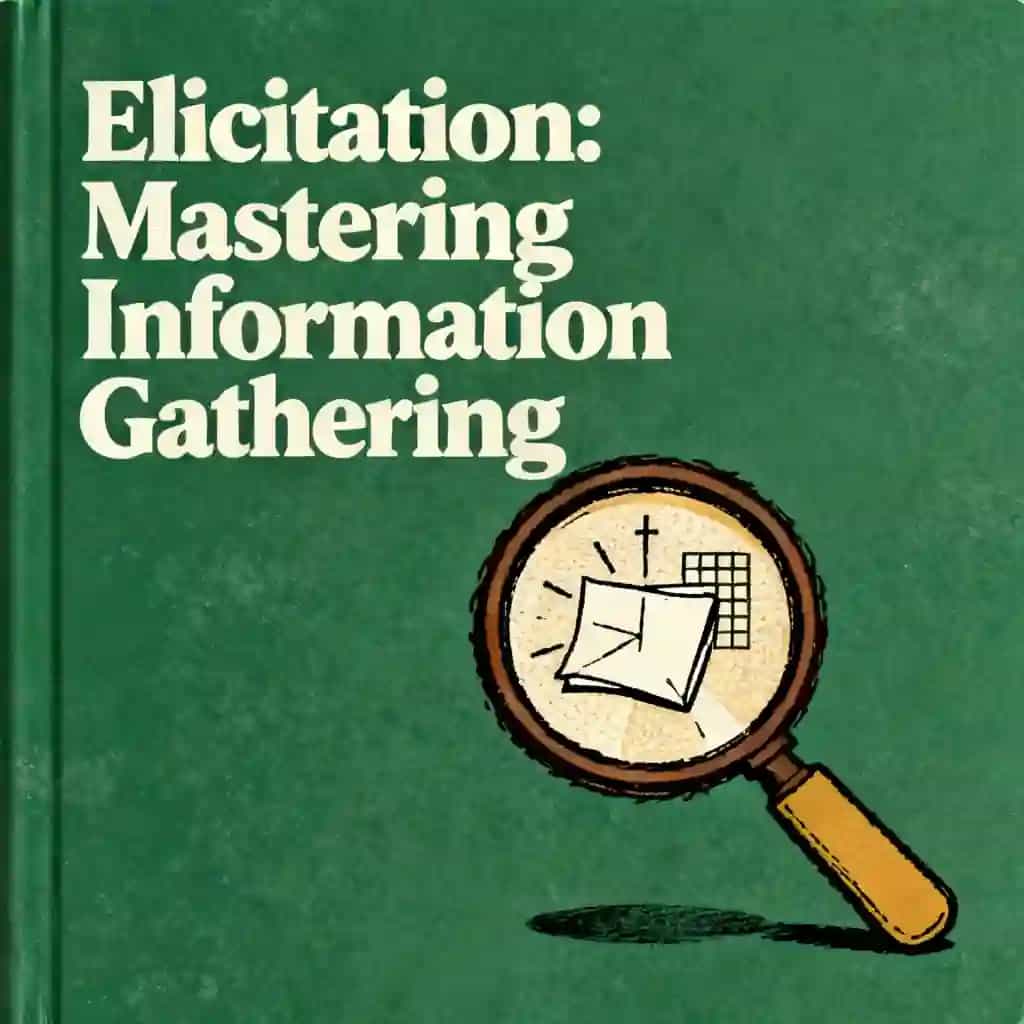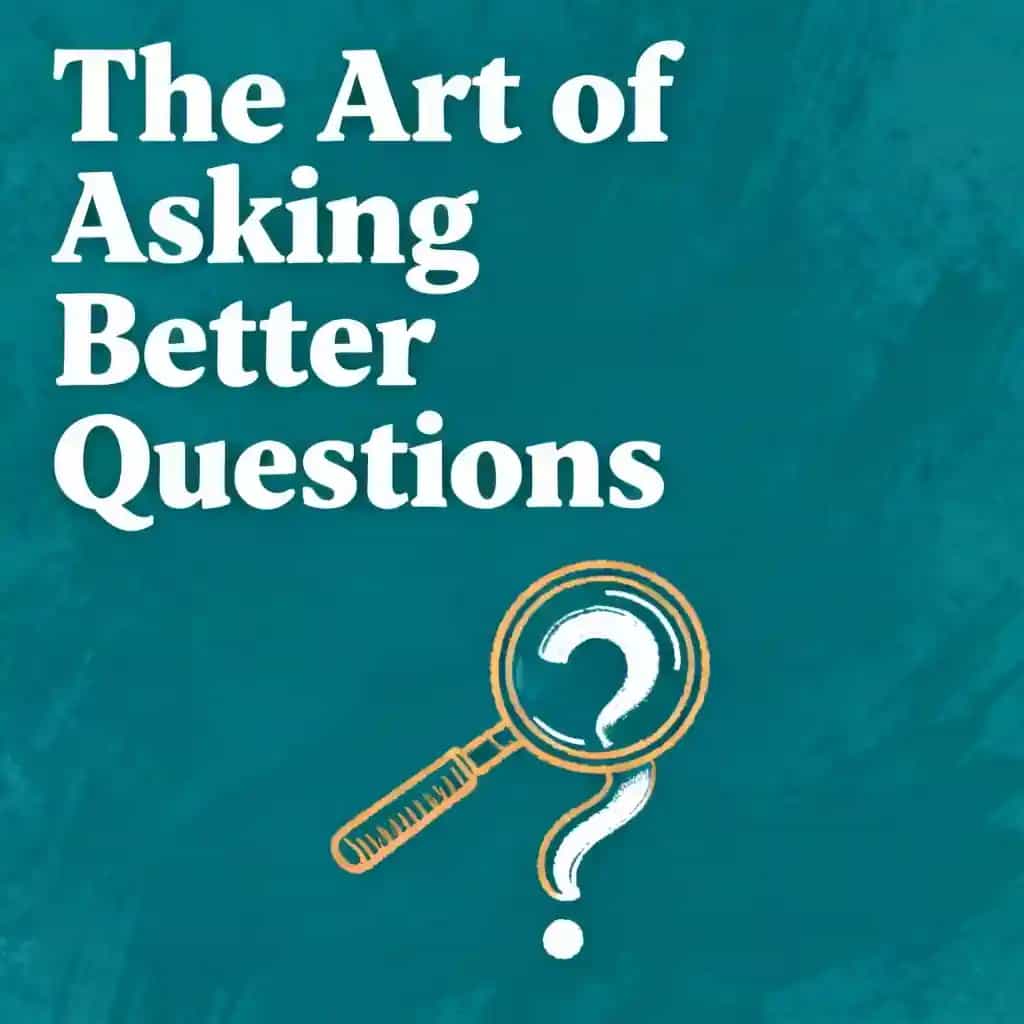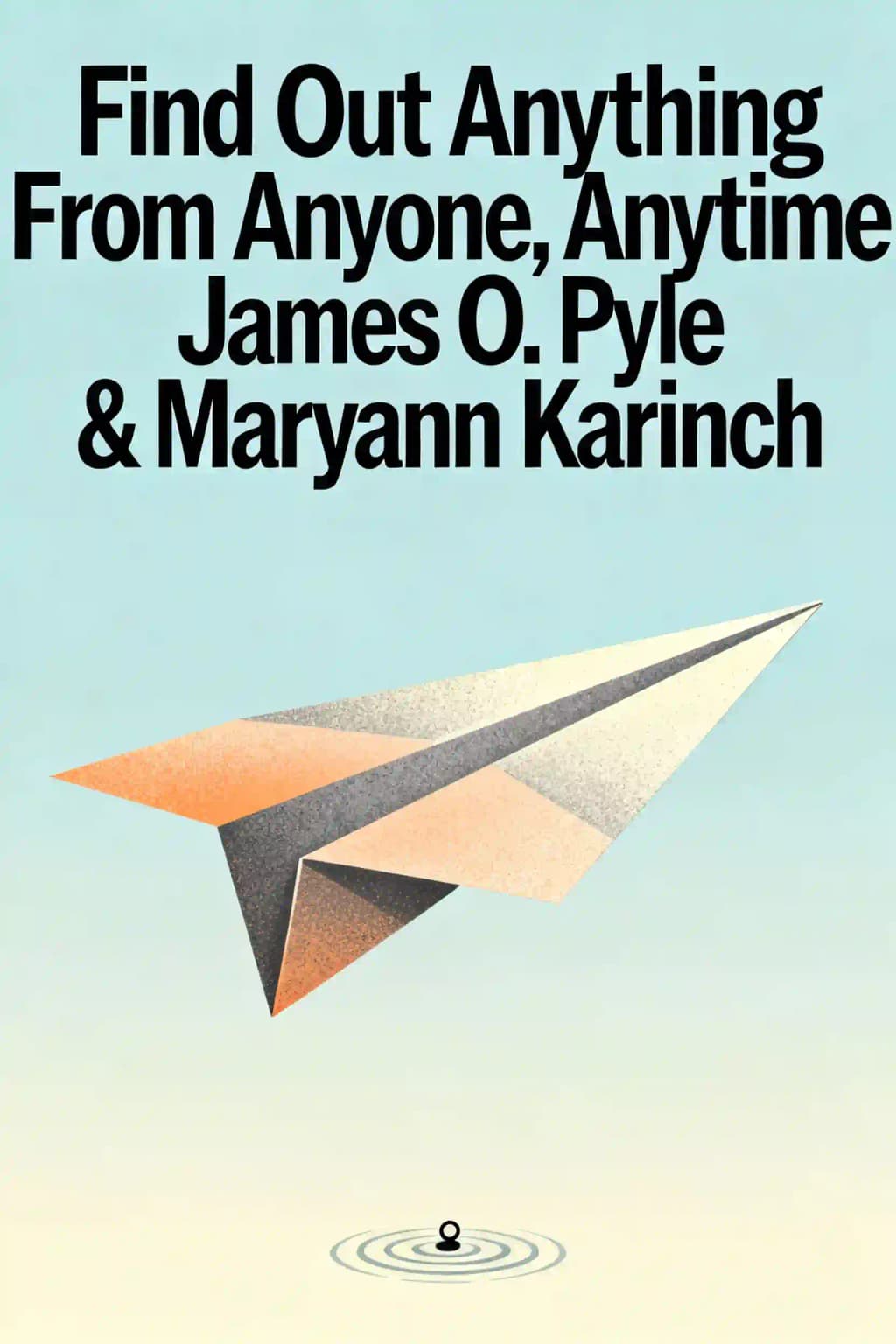
Discover the interrogation secrets of a veteran intelligence operative. Master the art of strategic questioning with Pyle's W-word technique, endorsed by "How to Spot a Liar" author Gregory Hartley. Why do professionals across industries swear by this method? The answer might revolutionize your conversations forever.
James O. Pyle and Maryann Karinch, authors of Find Out Anything From Anyone, Anytime, combine military interrogation expertise with behavioral analysis to create practical guides for mastering communication.
Pyle is a seasoned human intelligence instructor for the U.S. Army and Defense Department who developed questioning frameworks used by elite groups like Navy SEALS. Karinch is a prolific author of over 20 books on human behavior, and co-wrote bestsellers like How to Spot a Liar and The Body Language Handbook with former interrogator Gregory Hartley.
Their collaboration merges tactical interrogation strategies with real-world psychology, focusing on themes of information-gathering, persuasion, and trust-building. The duo also co-authored Control the Conversation: How to Charm, Deflect and Defend Your Position, teaching professionals to steer discussions in high-stakes scenarios.
Karinch’s works like Business Confidential further explore CIA-derived corporate strategies, while Pyle’s methods remain foundational in military intelligence training. Translated into multiple languages, their actionable techniques are recommended for negotiators, HR professionals, and law enforcement.
Find Out Anything From Anyone, Anytime teaches strategic questioning techniques to extract accurate information in any conversation. Co-authored by James O. Pyle, a veteran military interrogator, the book emphasizes mastering open-ended questions like “What else?” and avoiding yes/no queries. It blends psychology, body language analysis, and tactical listening to help readers uncover truths in professional, social, or personal interactions.
This book is ideal for HR professionals, negotiators, journalists, and anyone needing to gather reliable information. James O. Pyle’s methods are equally useful for managers conducting interviews, salespeople building client rapport, or individuals improving everyday communication. Critics note its repetitive categorization but praise its actionable frameworks for diverse scenarios.
Yes, for its practical, field-tested approach to questioning. Pyle’s expertise in military interrogation translates into universal strategies for deepening conversations and detecting deception. While some find the lists and categories excessive, the core principles—like prioritizing “W-words” (who, what, when)—offer timeless value for professional and personal growth.
Key techniques include:
Pyle emphasizes analyzing verbal cues (e.g., evasive answers) and nonverbal signals (tonal shifts, body language). He notes idealists often lie to avoid conflict, while logical thinkers struggle to fabricate coherent details. Cross-referencing answers with known facts and observing baseline behavior also aid detection.
Calculated questioning involves designing queries to isolate specific information while minimizing irrelevant details. For example, asking “What steps did you take?” instead of “Why did it fail?” directs responses to actionable facts. Pyle advises focusing on one topic at a time to avoid overwhelming the respondent.
Managers can use Pyle’s methods to:
Some reviewers find the book’s reliance on categorical lists (e.g., four question types, three verbal cues) overly rigid. However, most agree the core strategies—like prioritizing curiosity over aggression—are universally adaptable.
Pyle’s 20+ years training military interrogators inform the book’s systematic approach. Techniques like controlled dialogue and strategic silence, used in intelligence operations, are reframed for civilian contexts like job interviews or client meetings.
While focused on verbal questioning, Pyle highlights body language as a secondary verification tool. Sudden posture shifts, prolonged eye contact, or micro-expressions can signal discomfort or dishonesty, prompting further inquiry.
Unlike generic advice, Pyle’s methods derive from high-stakes interrogations, emphasizing precision and ethical persuasion. The book avoids manipulative tactics, instead focusing on mutual respect and logical scaffolding of questions.
Yes. The book’s “What else?” technique encourages partners to share unmet needs, while reflective listening (“It sounds like you’re saying…”) reduces misunderstandings. Pyle warns against using these strategies manipulatively, stressing honesty as the foundation.
저자의 목소리로 책을 느껴보세요
지식을 흥미롭고 예시가 풍부한 인사이트로 전환
핵심 아이디어를 빠르게 캡처하여 신속하게 학습
재미있고 매력적인 방식으로 책을 즐기세요
We're all born investigators.
Find out one thing at a time.
Questioning as discovery, not interrogation.
Develop the habit of asking 'What else?'
Short, simple questions yield clearer answers.
Find Out Anything from Anyone, Anytime의 핵심 아이디어를 이해하기 쉬운 포인트로 분해하여 혁신적인 팀이 어떻게 창조하고, 협력하고, 성장하는지 이해합니다.
Find Out Anything from Anyone, Anytime을 빠른 기억 단서로 압축하여 솔직함, 팀워크, 창의적 회복력의 핵심 원칙을 강조합니다.

생생한 스토리텔링을 통해 Find Out Anything from Anyone, Anytime을 경험하고, 혁신 교훈을 기억에 남고 적용할 수 있는 순간으로 바꿉니다.
무엇이든 물어보고, 목소리를 선택하고, 진정으로 공감되는 인사이트를 함께 만들어보세요.

샌프란시스코에서 컬럼비아 대학교 동문들이 만들었습니다
"Instead of endless scrolling, I just hit play on BeFreed. It saves me so much time."
"I never knew where to start with nonfiction—BeFreed’s book lists turned into podcasts gave me a clear path."
"Perfect balance between learning and entertainment. Finished ‘Thinking, Fast and Slow’ on my commute this week."
"Crazy how much I learned while walking the dog. BeFreed = small habits → big gains."
"Reading used to feel like a chore. Now it’s just part of my lifestyle."
"Feels effortless compared to reading. I’ve finished 6 books this month already."
"BeFreed turned my guilty doomscrolling into something that feels productive and inspiring."
"BeFreed turned my commute into learning time. 20-min podcasts are perfect for finishing books I never had time for."
"BeFreed replaced my podcast queue. Imagine Spotify for books — that’s it. 🙌"
"It is great for me to learn something from the book without reading it."
"The themed book list podcasts help me connect ideas across authors—like a guided audio journey."
"Makes me feel smarter every time before going to work"
샌프란시스코에서 컬럼비아 대학교 동문들이 만들었습니다

Find Out Anything from Anyone, Anytime 요약을 무료 PDF 또는 EPUB으로 받으세요. 인쇄하거나 오프라인에서 언제든 읽을 수 있습니다.
A decorated military interrogator once learned his most valuable lesson not from elite training, but from watching toddlers. Children ask "why" relentlessly, pursuing knowledge with fearless determination until adults finally surrender answers. Somewhere between childhood and adulthood, most of us lose this superpower. We start crafting elaborate, convoluted questions that yield minimal information, while the simplest inquiries often unlock the richest responses. This paradox fascinated Jim Pyle throughout his career-from dismantling his father's car engine as a curious kid to tracking down terrorist networks as a military interrogator. His revelation? The secret to extracting information isn't intimidation or manipulation. It's asking good questions in the right way. Even Oprah Winfrey referenced these techniques, noting how proper questioning "unlocks doors that seem permanently sealed." What makes this approach revolutionary is its elegant simplicity-it works equally well whether you're interviewing a captured insurgent, negotiating a business deal, or figuring out what's really bothering your teenager. The fundamental skill transcends context, revealing that effective questioning is less about specialized training and more about reclaiming the natural curiosity we possessed as children, then applying it with intentional structure and discipline.