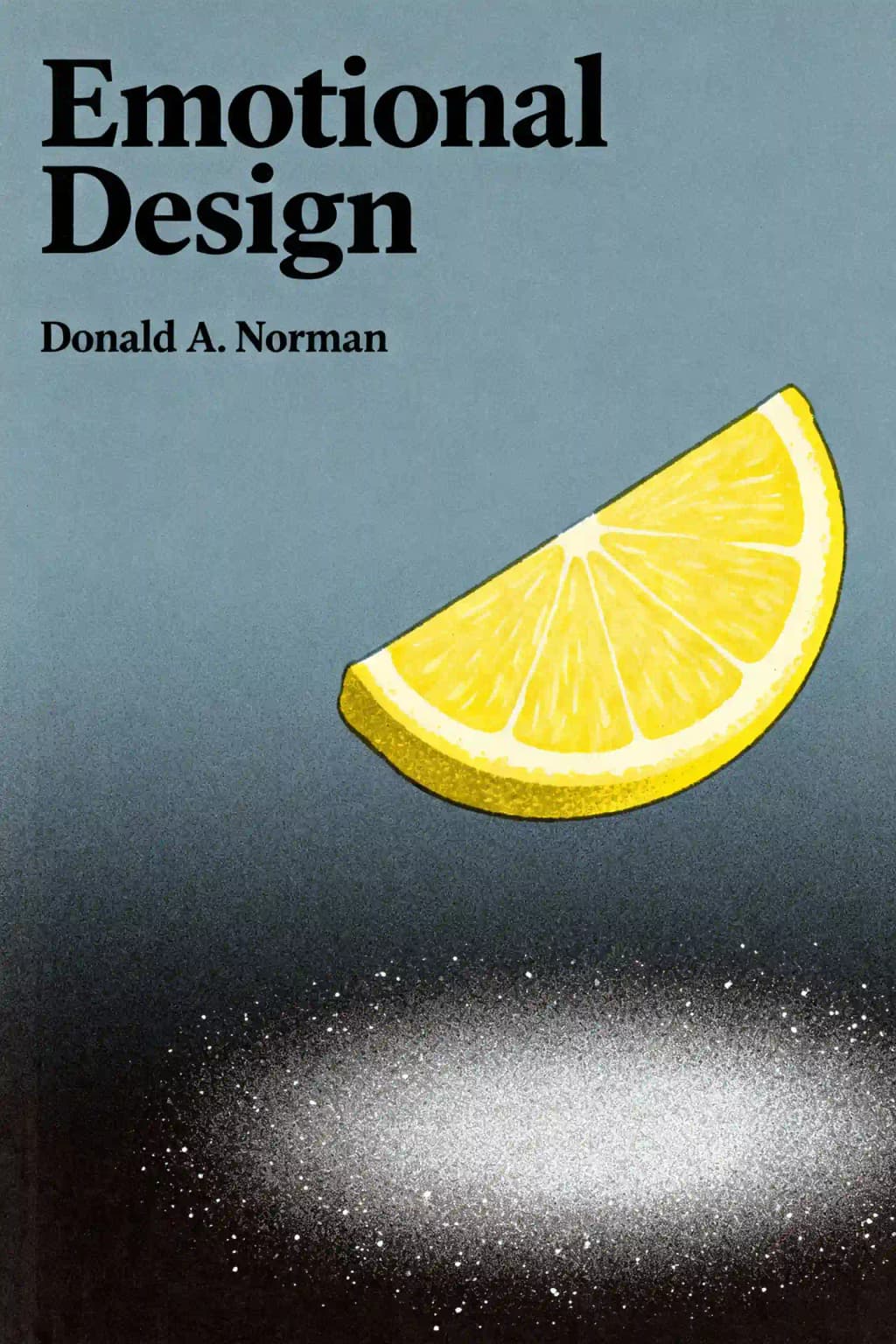
Why do some products captivate while others frustrate? Norman's groundbreaking "Emotional Design" reveals how aesthetics influence functionality. Featured in Wired and Scientific American, it revolutionized design thinking with its three-level framework. Discover why attractive things actually work better - a revelation reshaping industries worldwide.
저자의 목소리로 책을 느껴보세요
지식을 흥미롭고 예시가 풍부한 인사이트로 전환
핵심 아이디어를 빠르게 캡처하여 신속하게 학습
재미있고 매력적인 방식으로 책을 즐기세요
Imagine owning a teapot that's completely unusable-handle and spout on the same side-yet you cherish it deeply. This paradox sparked Donald Norman's exploration into why we form emotional connections with everyday objects. His collection includes an unusable teapot, a beautiful Michael Graves design, and an ingeniously engineered brewing vessel. Yet despite owning these masterpieces, he typically uses a simple brewing ball while displaying the teapots as art that brightens his day. This contradiction reveals a profound truth: our relationship with objects extends far beyond functionality. The science behind this emotional connection is surprisingly concrete. When Israeli scientist Noam Tractinsky investigated why aesthetically pleasing ATMs were perceived as more functional despite identical operations, he discovered that positive emotions fundamentally change how our brains work. Psychologist Alice Isen's research confirmed that people in good moods think more creatively and solve problems more effectively. Even small mood enhancers-like receiving a modest gift or watching comedy-significantly improved problem-solving abilities. When we feel good, we explore more alternatives and become more tolerant of minor difficulties. This explains why attractive products genuinely work better for us-they put us in positive emotional states that enhance our cognitive abilities. The connection between beauty and function isn't just perception; it's neurochemistry.
Emotional Design의 핵심 아이디어를 이해하기 쉬운 포인트로 분해하여 혁신적인 팀이 어떻게 창조하고, 협력하고, 성장하는지 이해합니다.
Emotional Design을 빠른 기억 단서로 압축하여 솔직함, 팀워크, 창의적 회복력의 핵심 원칙을 강조합니다.

생생한 스토리텔링을 통해 Emotional Design을 경험하고, 혁신 교훈을 기억에 남고 적용할 수 있는 순간으로 바꿉니다.
무엇이든 물어보고, 목소리를 선택하고, 진정으로 공감되는 인사이트를 함께 만들어보세요.

샌프란시스코에서 컬럼비아 대학교 동문들이 만들었습니다
"Instead of endless scrolling, I just hit play on BeFreed. It saves me so much time."
"I never knew where to start with nonfiction—BeFreed’s book lists turned into podcasts gave me a clear path."
"Perfect balance between learning and entertainment. Finished ‘Thinking, Fast and Slow’ on my commute this week."
"Crazy how much I learned while walking the dog. BeFreed = small habits → big gains."
"Reading used to feel like a chore. Now it’s just part of my lifestyle."
"Feels effortless compared to reading. I’ve finished 6 books this month already."
"BeFreed turned my guilty doomscrolling into something that feels productive and inspiring."
"BeFreed turned my commute into learning time. 20-min podcasts are perfect for finishing books I never had time for."
"BeFreed replaced my podcast queue. Imagine Spotify for books — that’s it. 🙌"
"It is great for me to learn something from the book without reading it."
"The themed book list podcasts help me connect ideas across authors—like a guided audio journey."
"Makes me feel smarter every time before going to work"
샌프란시스코에서 컬럼비아 대학교 동문들이 만들었습니다

Emotional Design 요약을 무료 PDF 또는 EPUB으로 받으세요. 인쇄하거나 오프라인에서 언제든 읽을 수 있습니다.