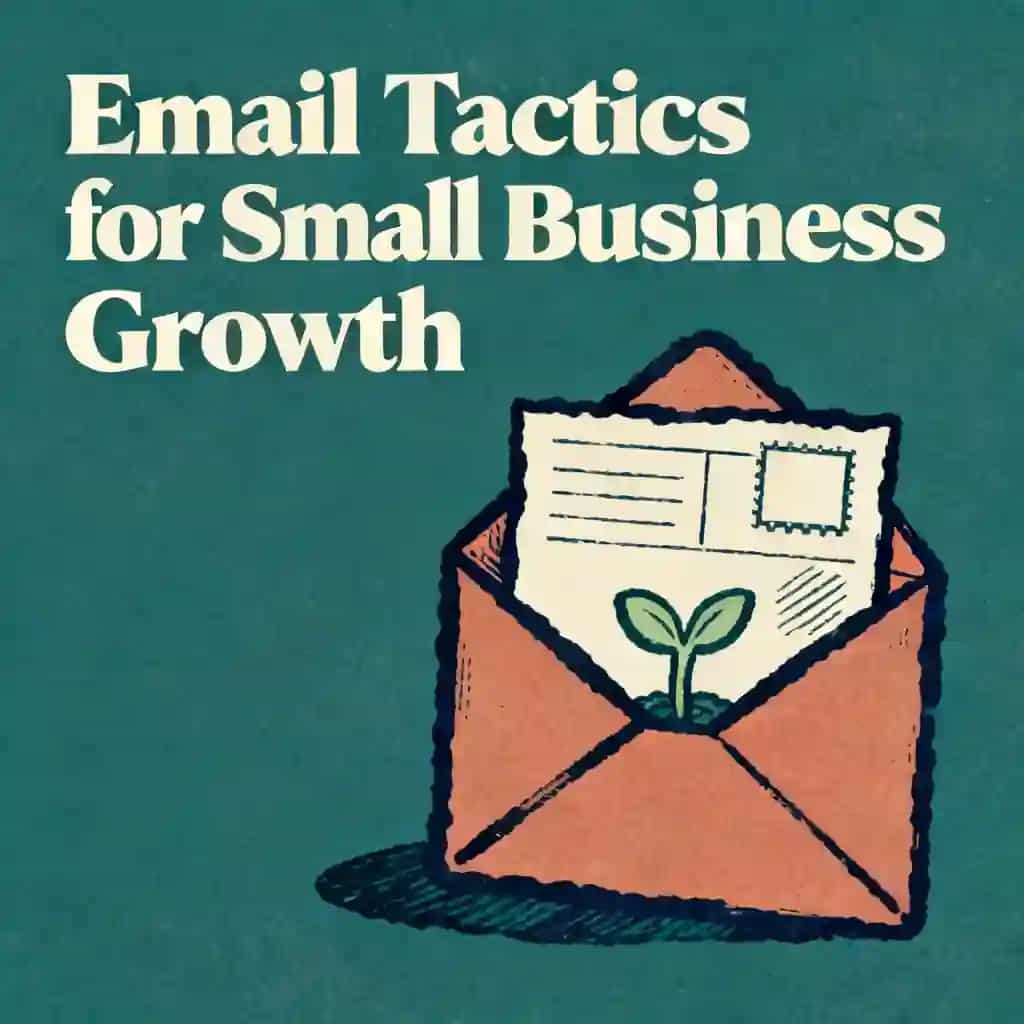
Master email marketing with Matthew Paulson's guide that helped him build a 3-million subscriber list generating $25 million annually. While social platforms come and go, this book reveals why businesses earn $43 for every $1 invested in email - your most valuable digital asset.
Matthew Paulson, entrepreneur and bestselling author of Email Marketing Demystified, is a leading expert in email marketing strategies and online business growth.
As the founder of MarketBeat, a financial news and research platform, Paulson scaled the company’s daily investment newsletter to over 200,000 subscribers, directly informing his practical insights in the book. His work blends data-driven techniques with actionable advice, helping businesses build and monetize email lists effectively.
Paulson’s expertise extends to his other works, including Online Business from Scratch and 40 Rules for Internet Business Success, which provide step-by-step guidance for digital entrepreneurship. A champion of startup ecosystems, he founded Startup Sioux Falls and established the Paulson Center at Dakota State University to support emerging entrepreneurs.
Featured in 605 Magazine and on podcasts like Mixergy, Paulson’s strategies are trusted by thousands of businesses worldwide. Email Marketing Demystified is now in its third edition, reflecting its enduring value in the evolving digital marketing landscape.
Email Marketing Demystified provides actionable strategies to build large email lists, craft high-converting copy, and generate revenue through targeted campaigns. Matthew Paulson shares techniques like audience segmentation, automated email sequences, and spam avoidance, drawing from his experience growing a 400,000+ subscriber list and earning over $2 million annually.
Entrepreneurs, digital marketers, and small business owners seeking to leverage email marketing for growth will benefit most. The book is ideal for those wanting to master list-building, improve engagement, and create automated revenue streams through personalized content.
Paulson emphasizes list-building via lead magnets aligned to audience interests, writing concise subject lines (5–10 words), and using automated triggers for behavioral targeting. He also advocates A/B testing buttons (e.g., “Sign Up Now (Free)”) and segmenting audiences to boost open rates and sales.
The book outlines 15 list-building tactics, including offering niche-specific lead magnets (e.g., ebooks, checklists), optimizing sign-up forms with clear CTAs, and leveraging partnerships. Paulson stresses aligning incentives with page content to maximize subscriptions.
Paulson advises using urgency-driven headlines, embedding PS sections for emphasis, and structuring emails with the “Problem-Agitate-Solve” framework. He highlights A/B testing button text and subject lines to improve click-through rates.
The book details best practices to avoid spam filters: authenticating domains, minimizing spam-trigger words (e.g., “free”), and maintaining consistent send schedules. Paulson also recommends warming up new email accounts gradually.
Paulson advocates for 3–5 month autoresponder sequences to nurture leads, coupled with behavior-based triggers (e.g., abandoned carts). He suggests using segmentation to deliver hyper-targeted content, like eco-friendly service offers for specific subscriber groups.
The book outlines six revenue streams, including affiliate marketing, product launches, and subscription models. Paulson emphasizes aligning promotions with audience pain points, such as offering year-round lawn care plans to segmented groups.
Some reviewers note the list-building section lacks depth compared to dedicated guides like Traction. Critics also highlight the lengthy recommended autoresponder sequences (3–5 months) as potentially overwhelming for beginners.
Unlike theoretical guides, Paulson’s book focuses on scalable, revenue-driven tactics validated by his $2M+ annual results. It prioritizes list segmentation and behavioral triggers over broad strategies, making it ideal for practitioners seeking actionable steps.
Yes. Paulson highlights niche-focused tactics like personalized prospecting emails for small markets. For example, targeting eco-conscious homeowners with tailored lawn care offers, ensuring relevance and higher conversion rates.
The book includes case studies of successful campaigns, such as using PS sections to highlight key offers and split-testing subject lines like “Your Exclusive Discount Ends Tonight” vs. “Last Chance to Save 30%.” These examples demonstrate measurable ROI improvements.
저자의 목소리로 책을 느껴보세요
지식을 흥미롭고 예시가 풍부한 인사이트로 전환
핵심 아이디어를 빠르게 캡처하여 신속하게 학습
재미있고 매력적인 방식으로 책을 즐기세요
Don't fear these growing expenses; they're simply the price of success.
Remember: the more targeted your lead magnets are, the better.
Remember that you are not your typical user.
Let data guide you by running split tests.
Even with minimal traffic, implement opt-in forms immediately.
Email Marketing Demystified의 핵심 아이디어를 이해하기 쉬운 포인트로 분해하여 혁신적인 팀이 어떻게 창조하고, 협력하고, 성장하는지 이해합니다.
Email Marketing Demystified을 빠른 기억 단서로 압축하여 솔직함, 팀워크, 창의적 회복력의 핵심 원칙을 강조합니다.

생생한 스토리텔링을 통해 Email Marketing Demystified을 경험하고, 혁신 교훈을 기억에 남고 적용할 수 있는 순간으로 바꿉니다.
무엇이든 물어보고, 목소리를 선택하고, 진정으로 공감되는 인사이트를 함께 만들어보세요.

샌프란시스코에서 컬럼비아 대학교 동문들이 만들었습니다
"Instead of endless scrolling, I just hit play on BeFreed. It saves me so much time."
"I never knew where to start with nonfiction—BeFreed’s book lists turned into podcasts gave me a clear path."
"Perfect balance between learning and entertainment. Finished ‘Thinking, Fast and Slow’ on my commute this week."
"Crazy how much I learned while walking the dog. BeFreed = small habits → big gains."
"Reading used to feel like a chore. Now it’s just part of my lifestyle."
"Feels effortless compared to reading. I’ve finished 6 books this month already."
"BeFreed turned my guilty doomscrolling into something that feels productive and inspiring."
"BeFreed turned my commute into learning time. 20-min podcasts are perfect for finishing books I never had time for."
"BeFreed replaced my podcast queue. Imagine Spotify for books — that’s it. 🙌"
"It is great for me to learn something from the book without reading it."
"The themed book list podcasts help me connect ideas across authors—like a guided audio journey."
"Makes me feel smarter every time before going to work"
샌프란시스코에서 컬럼비아 대학교 동문들이 만들었습니다

Email Marketing Demystified 요약을 무료 PDF 또는 EPUB으로 받으세요. 인쇄하거나 오프라인에서 언제든 읽을 수 있습니다.
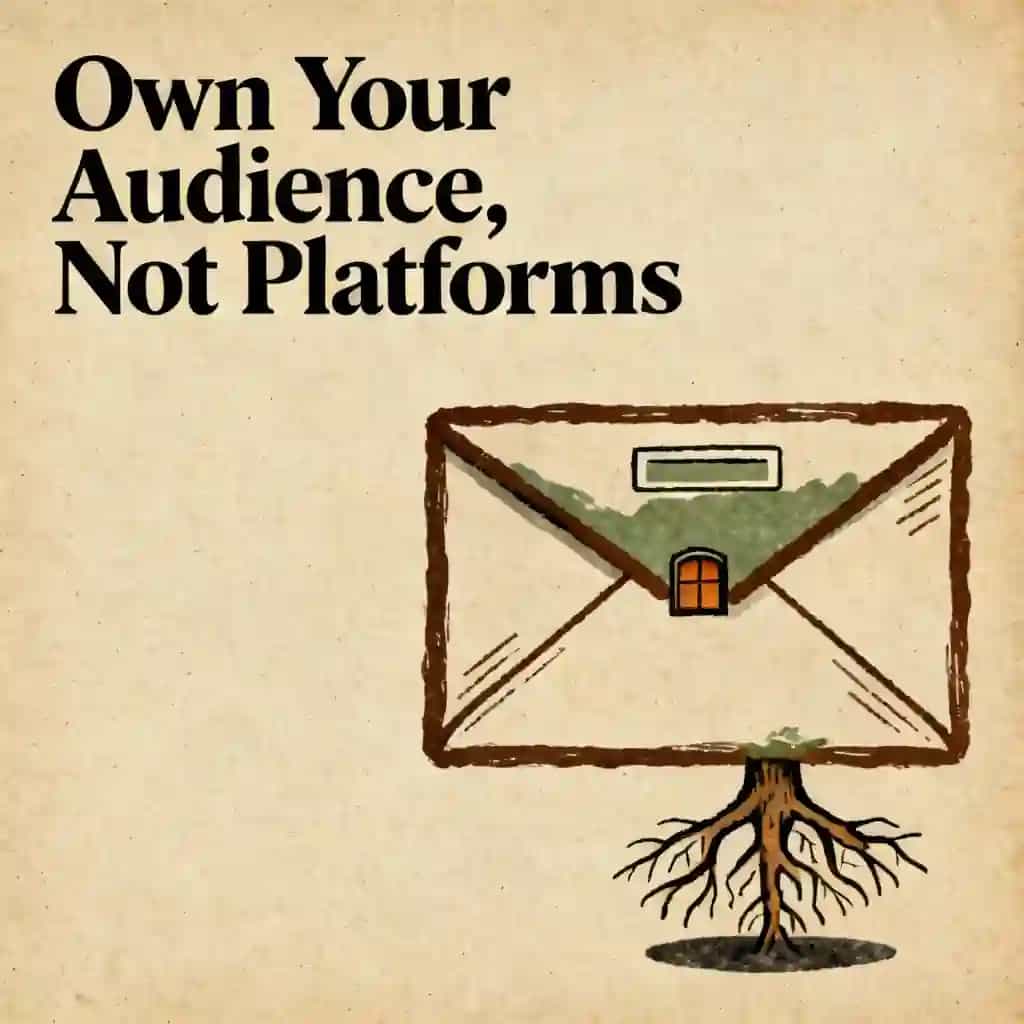
What if you could invest $1 and reliably get back $43? You'd probably jump at the opportunity. Yet most businesses overlook the marketing channel that delivers exactly this return: email. While entrepreneurs chase the latest social media trends and pour money into paid ads, email marketing quietly outperforms every other channel by staggering margins. The reason is simple - you own your email list. Instagram can change its algorithm overnight. Google can penalize your site. But your email list? That's yours. When you send a message, it lands directly in your subscribers' inboxes, no middleman required. This isn't theoretical - real businesses send billions of emails annually and generate millions in revenue from this single channel. Before you can send a single email, you need the right tools. Email Service Providers handle the technical heavy lifting - managing subscribers, ensuring delivery, tracking performance. Think of them as the difference between sending a handwritten letter and operating a postal service. Three types exist: basic infrastructure providers focused purely on delivery, general providers offering comprehensive tools for creating and managing campaigns, and sophisticated automation platforms that target messages based on subscriber behavior. Your choice depends on your needs and budget. Newer platforms typically offer better features - the technology has evolved rapidly. Costs scale with your list size, starting free for small lists and climbing to around $75 monthly for 10,000 subscribers. Don't let growing costs alarm you; they're simply the price of success. One company pays $6,000 monthly to send 50 million emails but generates several million dollars annually from those messages. Choose carefully, though. Switching providers later risks losing subscribers and data. Your ESP becomes your marketing foundation, so invest time researching options now rather than dealing with migration headaches later.