1장
When Emotions Reveal Our Deepest Questions About God
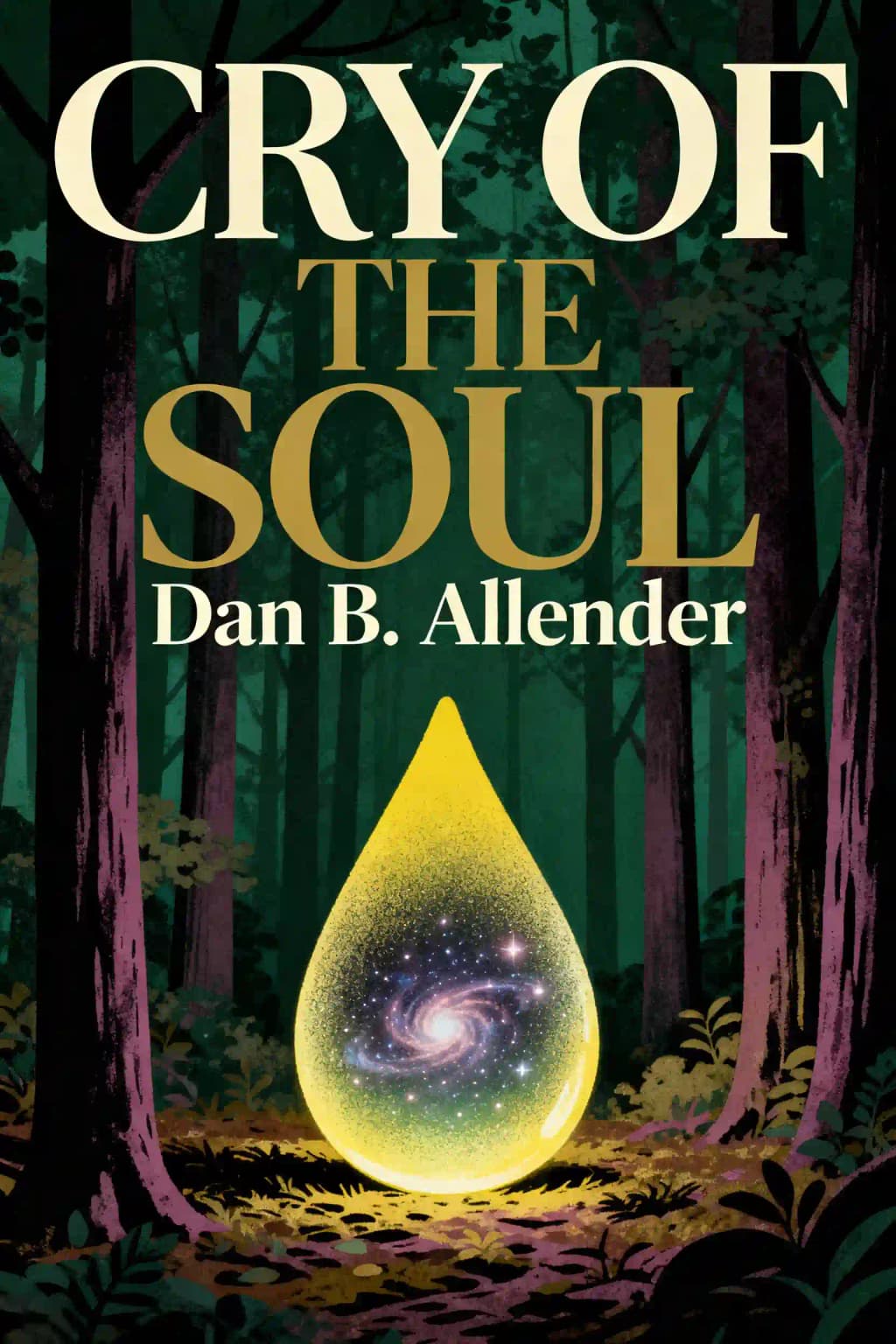
The first time I encountered "The Cry of the Soul," I was struck by how it disrupted the typical Christian approach to emotions. While many spiritual guides suggest suppressing negative feelings, this book takes a radically different path. Featured on Oprah's Book Club and consistently ranked among Christianity Today's most influential spiritual works, Allender and Longman's exploration of emotions has transformed countless lives since its publication. The book's enduring popularity stems from its rare combination of psychological insight and biblical depth-a work that doesn't just permit emotional honesty but insists upon it as essential to authentic faith.
2장
Emotions as Messengers from the Soul's Battlefield
Our emotions connect our inner world to external reality, often revealing truths we'd prefer to avoid. Consider the woman whose husband was fired after 24 years of service. Her initial anxiety about finances quickly gave way to a more disturbing realization-their marriage had become an empty shell, sustained only by daily routines now disrupted by unemployment. Her emotions forced her to confront a painful reality she had been avoiding for years.
Emotions link our internal and external worlds but can seem mysterious and uncontrollable-sometimes overwhelming us with unexpected intensity. We often try to either ignore our feelings or battle them as enemies. But why are emotions so difficult to manage? It's not just because they're painful, but because all emotions-even positive ones-confront us with reality. Joy feels incomplete because it reminds us we're not yet home; pleasure carries with it disappointment and longing.
When experiencing pain, we typically respond in one of two ways: we either cling to emotional responses that help us cope (men often feel anger instead of hurt; women feel hurt instead of anger) or we avoid emotions entirely, mistaking emotional detachment for spiritual maturity. But this absence of feeling isn't godliness-it's often hardness and arrogance, a refusal to face life's sorrows and our hunger for heaven.
Our emotions aren't problems to solve but cries to be heard. They open doors to hard questions about life's purpose, pain, relationships, and God's goodness. Though many voices counsel us to ignore feelings, gain control, and trust that emotions will follow like "an obedient caboose," the Bible reveals our inner world is complex by design and further complicated by depravity. The psalmist calls us to ponder our inner world, not neglect it, repeatedly asking, "Why, my soul, are you downcast?"
Ultimately, our emotions reveal the direction of our heart-not just horizontally in relation to others, but vertically in relation to God. They answer the fundamental question: Am I moving toward God or away from Him? Change comes through brutal honesty before Him. Emotions are messengers from the battle zone-if we listen carefully, they teach us how to fight successfully.
3장
The Psalms: A Mirror for the Soul's Darkest Moments
The Psalms serve as a mirror of the human soul, teaching us not just how to praise but how to wrestle with doubt until it gives way to hope. As John Calvin noted, they function as "an anatomy of all parts of the soul," representing every human emotion "as in a mirror." They compel us to move beyond denial, particularly challenging Christians who stigmatize negative emotions as inappropriate.
Contrary to expectations, psalms of complaint and accusation-expressing confusion, doubt, and heartache-significantly outnumber hymns of joy. The Psalms expose our battle with God by calling us back from our tendency to flee pain and discomfort. They reveal how our feelings, like all aspects of our nature, were affected by the Fall. Every emotion is ultimately a theological statement-all feelings reveal our attempts to regain access to Eden's pleasures and perfection.
While the Psalms expose our hearts' opposition to God, they surprisingly invite us to express our struggles rather than hide them. The psalmists expressed the full range of human feelings-from hurt to fury, from vengeance to contempt-giving us permission and language to vocalize our own desperate struggles with the Lord. In Psalm 6:6-7, the psalmist declares his groaning, weeping, and sorrow without apology. This isn't spiritualizing away pain or offering trite steps to manage agony-it's entering into suffering with passionate honesty.
Most remarkably, the psalmist brings his struggles directly to God, sometimes even accusing Him of faithlessness or poor judgment. In Psalm 44:11-12, he scolds God for selling His people "for a pittance, gaining nothing from their sale." These laments aren't signs of weak faith but "refusals to settle for the way things are" and expressions of "relentless hope" that no situation falls outside God's capacity for transformation.
The Psalms help us discover what God is really like and what we can expect from Him. Rather than demanding mere obedience and conformity, God desires our passionate involvement and utter awe in the mystery of His character. In our emotional wrestling with Him, we grow in understanding His surprising nature.
4장
How Relationships Trigger Our Deepest Questions About God
Our emotions are not random but predictably provoked by how others relate to us in three fundamental ways: moving against us (attack), away from us (abandonment), or toward us (love). These relational movements trigger either fight or flight responses, creating six core emotional reactions that reveal our deeper questions about God's character.
When someone attacks us, threatening our position, property, person, or power, we respond with either anger (fight) or fear (flight). Anger propels us into battle against perceived injustice, while fear energizes us to flee when confronted with overwhelming harm. Unrighteous anger dulls our pain and demands immediate justice, essentially questioning God's timing and fairness. Ungodly fear dulls our desperation and passively demands protection, questioning whether we can trust God to shield us from harm.
Abandonment creates loss and loneliness, haunting every human relationship with the potential for separation that feels like death. This loss provokes jealousy (fight) or despair (flight). Jealousy stems from wanting to keep what we fear losing, while envy comes from wanting what we don't have. Both involve a furious demand that our soul not suffer loss. Ungodly jealousy questions God's goodness and provision: "Will He satisfy my hunger, or bless others while leaving me empty?" Despair refuses to struggle or hope, deadening our hearts against potential disappointment. Ungodly despair dulls loneliness and passively demands relief, questioning God's goodness: "Will He offer His presence to others and leave me alone?"
When someone moves toward us with kindness and tenderness, it can provoke contempt (fight) or shame (flight). We crave intimacy yet fear the vulnerability it requires. Contempt rejects kindness with disgust, while shame is feeling exposed as irredeemably ugly-a "hemorrhage of the soul" that drains our energy. Ungodly contempt demands distance, asking, "Does God love me, or will He turn away in disgust?" Ungodly shame demands safety through withdrawal, asking, "Does God love me, or will He hate me if He sees me as I really am?"
All these emotional patterns reveal our deeper questions about God's character and involvement in our lives. Our life stories and specific situations shape which response we naturally choose, but all emotions ultimately echo the common existential question: "Is God good?"
5장
Anger: The Demand for Immediate Justice
Anger erupts like a geyser or smolders beneath the surface, burning all in its path. It's our response to assault and injustice-the greater the perceived injustice, the more intense our anger. When we're blocked from getting what we want-like being stuck in traffic before an important appointment-we're forced to wait, which intensifies our pain by reminding us we're dependent creatures. Waiting disrupts our momentum toward satisfaction and suggests relief might not come at all.
Unrighteous anger demands justice now rather than waiting for God's timing. It suppresses others' choices through intimidation, consumes others to fill our emptiness, and condemns those who stand in our way. Like Sarah whose snake-like voice scattered family members from the kitchen to criticize Quentin for washing carrots before peeling them, unrighteous anger intimidates and controls others. It enforces our preferences by making others afraid to make choices that might leave us feeling vulnerable or empty.
This anger seeks to possess whatever will fill our emptiness. Like a five-year-old screaming "It's mine, mine, mine!" when his sister touches his toy, we demand immediate satisfaction rather than waiting for heaven's fullness. Beyond control and possession, unrighteous anger seeks annihilation. It harbors Cain's hatred-killing to make someone pay for exposure and pain.
At its core, unrighteous anger hates vulnerability and loves control. As Psalm 2 reveals, people rage because "they want to be free of their chains and shackles"-breaking the bond of servitude to God. This anger delivers us from trusting a God who doesn't comply with our desires, yet paradoxically exposes our deepest desires and leaves us emptier than before.
Righteous anger, by contrast, warns, invites change, and wounds for redemption rather than vengeance. It struggles with God rather than taking justice into one's own hands and waits on God's timing while still feeling the fury of injustice. When we ponder our anger, we should reflect on whether our fury is truly directed at the right target. Often our anger is misdirected at people when we should be angry at sin itself or even the evil one.
The transformation of unrighteous anger requires being still, waiting, and pondering our deeper desires beyond control and destruction. True righteous anger isn't too strong but too weak; it must deepen by focusing not merely on people but on all evil, beginning with our own failures of love.
6장
Fear: When Uncertainty Meets Danger
Fear manifests in many forms-worry, nervousness, anxiety, terror, horror-varying in intensity but sharing a common root. We all fear what we cannot control. Fear emerges when uncertainty about our resources meets danger, when we're overwhelmed and helpless to preserve what we cherish most.
Death represents our ultimate fear-the inevitable end we're powerless against. Tremper recalls his childhood horror at realizing his own mortality, a dread that hasn't diminished with age. Ecclesiastes emphasizes how death renders meaningless every earthly achievement. We fear both physical death and the dissolution of order and coherence. At fear's heart lies the terror of separation-death as the ultimate loneliness.
Danger exposes our impotence to preserve what matters most. While we can maintain control over small things, we remain helpless in ensuring our children's spiritual growth. Dreams often reveal our basic fears, as illustrated by Dan's recurring algebra exam nightmare-a vivid manifestation of feeling exposed and inadequate before judgment. Our lives are a spectacle of helplessness-from birth to death we're bombarded by others' power and unable to break free of our culture, personal history, relationships, genetic makeup, or daily demands.
Fear can become crippling when it exceeds its protective function. Most people live within comfort zones-familiar boundaries that elicit minimal anxiety. While sometimes beneficial (preventing reckless driving), comfort zones can imprison us, preventing necessary growth. Fear distorts reality in particular ways-making us seem weaker than we are while magnifying perceived threats. In fear, we tend to blame ourselves (unlike anger, where we blame others), creating the illusion of control over perceived failures.
The key insight is that the issue isn't whether we fear, but what and whom we fear. The transformation from destructive fear to constructive fear requires a fundamental reorientation-from fearing the world to fearing God. Not all fear is sinful; Jesus himself experienced fear in Gethsemane. As he confronted death and the burden of sin, he was filled with deep dread, pleading that "this cup be taken from me"-the cup of God's wrath that he would drink on our behalf.
The crucial distinction lies in what we fear and where that fear drives us. Does it drive us to self-protection or to God, our Protector? While fear of the world drives us away from God, fear of God strips away all other fears and compels us to deal with the essence of existence. To fear God isn't merely to "hold in awe"-it's to recognize Him as Creator, Judge, and a being far above our thoughts. To fear God means being anxious to greet Him, building our lives around being His bride, and being consumed with His presence.
7장
Envy and Jealousy: The Dark Side of Desire
Our desires consistently extend beyond our basic needs for water, food, and shelter. We crave possessions, status, and relationships in a world of limited resources where some have greater pleasure, wealth, power, and joy than others. Two emotions describe our feelings in this desire for possession: envy and jealousy.
Envy is the resentful desire for what another has that we lack. In our consumer society, it often targets material possessions or status, but can appear more subtly in desiring relationships others enjoy. Unlike envy's resentful desire for what others have, jealousy is the desire to protect what we possess (or believe we possess) and fear losing. It results in hypervigilance and hoarding.
In Psalm 73, Asaph confesses his envy toward the prosperous wicked: "I envied the arrogant when I saw the prosperity of the wicked." He describes their seemingly carefree, successful lives-healthy bodies, freedom from common burdens, and continually amassing wealth. Envy distorted his perception, making the wealthy appear superhuman while making himself seem worse off.
King Saul's relationship with David illustrates the escalation from affection to murderous jealousy. Initially loving the young shepherd whose music calmed his soul, Saul grew increasingly threatened by David's abilities, especially after hearing people sing "Saul has slain his thousands, and David his tens of thousands." His jealousy became obsessive: "From that time on Saul kept a jealous eye on David."
Ambition itself isn't evil, but when merged with envy or jealousy, it becomes a ruthless, blind force crushing everything in its path. As Ecclesiastes observes, "all toil and achievement spring from one person's envy of another"-a reality so disturbing that even seminary communities aren't immune, as evidenced by a student who vandalized a crucial research book before an exam to prevent others from studying.
Few of us allow our experiences of envy and jealousy to raise the vertical question: Where is God? If God is all-powerful and loving, why does He seem to abandon us to loss and disappointment? Why do the godless sometimes prosper while the faithful suffer? These discrepancies breed jealousy and misgivings about God's goodness. At the core of both envy and jealousy is a desperate desire to limit loss and guarantee satisfaction-feelings that can only be transformed by understanding God's own jealous passion.
God's jealousy stands in stark contrast to human jealousy. In Exodus 34:14, God declares: "Do not worship any other god, for the LORD, whose name is Jealous, is a jealous God." The basis for divine jealousy is ownership-God created and sustains everything, including us. Just as God's jealousy protects His exclusive relationship with His people, marital jealousy guards the unique bond between spouses.
God will not tolerate His people having other gods, just as spouses should not tolerate romantic or sexual rivals to their marriage. This connection between divine-human and marital relationships appears throughout Scripture, notably in Ephesians 5:22-33. God is our passionate paramour who spreads His blanket for love and allures His bride into the desert. Jesus reveals Himself as our Bridegroom awaiting us at the heavenly marriage celebration. As our betrothed, God jealously guards us against any suitor who would tempt us away from intimacy with Him.
8장
Despair and Loneliness: When Hope Seems Lost
Despair is jealousy's passive cousin-both triggered by abandonment, but while jealousy fights against loss, despair surrenders. It deadens our hearts to hope for rescue or happiness. The intensity spectrum ranges from regret (slight disappointment) to sadness (deeper emptiness) to depression (life-absorbing incapacitation) to despair (complete absence of hope with powerlessness).
Most of life is colored by loss-some minor like paper cuts that heal, others like dead dreams and broken promises that leave permanent scars. Though Christians may feel such emotions are inappropriate, the Bible's psalms are permeated with despair. Psalm 88 stands as the blackest lament, showing someone on the edge of emotional obliteration, with darkness as his closest friend.
Hope allows us to continue living amid problems-the anticipation that present desires will be satisfied in the future. As a product of relationship, hope comes in human form, while loneliness breeds despair. Naive hope often leads to disillusionment, and when hope is repeatedly shattered, it becomes too painful to hope again. As Proverbs 13:12 states, "Hope deferred makes the heart sick," and the cycle of aroused desire, disappointed hope, and deadened soul leads to hatred of desire itself.
Despair represents a flight from desire-shutting down emotionally because disappointment has answered hope so many times that vulnerability seems absurd. This robotic existence expects nothing from life as protection against further pain. However, encouragement alone rarely lifts someone from despair; they must face the loss and terror that's even more painful than the despair itself.
Inevitably, loss of hope leads to loneliness-isolation from those who matter most, though not necessarily physical separation. As Tim Keller noted, married people are often the loneliest, despite sharing a home and bed, because mere proximity doesn't guarantee intimacy. Without human connection providing encouragement and hope, the world appears dangerous, cold and meaningless.
Though few experience prolonged despair, we've all traveled the road of regret, sadness and depression leading toward despondency. Despair accurately describes our world as "meaningless" rather than warm and fuzzy-a dark, dangerous realm against which we're defenseless. It says, "I am alone. No one can help or care about me." Yet the Bible continues beyond Genesis 3, addressing these problems through God's ongoing involvement. Psalm 88 models honest conversation with God about messy emotions. Paradoxically, despair-the absence of hope in relationships-can open hearts to grasp transcendent hope in God.
Ungodly despair flees from desire, refusing to embrace loss as creating hollowness that makes room for God. By contrast, godly despair represents collapse of self-will and surrender to a reality we cannot control but can participate in. Instead of writing a suicide note, it offers a howling prayer that seeks not just answers but God Himself, allowing loss to drive the heart toward divine connection.
Psalm 77 begins with perhaps the Bible's most intense expression of anxiety and fear. The psalmist, unable to sleep from unnamed troubles, prays through the night, turning toward his struggle rather than away. Remembering God only deepens his groaning-he blames God for his sleeplessness and torment! In his midnight agony, he confronts God directly, questioning whether God has abandoned His covenant promises. While many believers fear such confrontational language with God, the psalmist demonstrates that repressing emotions only bottles them up, allowing fear to fester.
9장
Contempt and Shame: The Assault on Human Dignity
Nothing hurts quite like being mocked or taunted with contempt. From playground taunts to adult derision, contempt shapes our life vows and commitments more than almost any other force. It's a weapon that assaults the glory God intends His children to bear, often chosen by evil to attack the gospel. Contempt divides, isolates, withers hope, and destroys dignity-making its victims feel unlovable and foolish while deadening their desires.
Contempt paralyzes our deepest longing for love and meaning. It isolates by branding victims unworthy of love, drawing a line between the mocked and the crowd. After dividing and isolating, it withers hope by making victims feel foolish, deadening their desires. Under scorn's exposure, the psalmist feels subhuman-a lowly worm, a bad joke. Contempt mocks faith itself: "Where is your God?" It usurps God's throne, finding malevolent joy in humiliating others.
Contempt manifests in everyday encounters through gossip, boasting, and blameshifting-often without our awareness of what we're doing. Gossip is contempt disguised as conversation-speaking negatively about others behind their backs, passing judgment without due process. It's soul murder, which is why Paul lists it among heinous sins. From childhood competitions to adult years, boasting carries contempt in its DNA. All self-glory contains contemptuous diminishment of others.
Mercy is harder to receive than contempt. Both strip away pretense, but mercy offers the exposed soul opportunity to embrace desire and hope-a prospect too frightening for many. As Paul asks, "Do you show contempt for the riches of his kindness... not realizing that God's kindness is intended to lead you to repentance?"
Like anger, our contempt isn't so much wrong as palsied and misdirected. We must learn to mock with God's perspective, boast in weakness, and taunt death with confident laughter of trust. It's frightening: God mocks. This doesn't match our vision of a gracious, kind God. We can barely imagine an angry God who disciplines, but a contemptuous God who longs to shame His foe seems beyond comprehension. Yet God does more than rage against arrogance; He plans to humiliate it. "The One enthroned in heaven laughs; the Lord scoffs at those who rage against him."
Inconceivably, God the Father cursed God the Son on the cross. "Christ redeemed us from the curse of the law by becoming a curse for us." In a mysterious moment, the Father who loved the Son eternally turned from Him in hatred as Jesus became odious, bearing our sins. The Father's contempt was poured out on the perfect Son so that we would never face divine mockery.
Shame is an acid that strips dignity and dissolves hope-a lingering threat in everyday life that portrays hell's utter loss of intimacy and joy. Its corrosive effect molds souls and shapes life's direction. Shame creates self-absorption like drowning in quicksand, brutally shaking our ground of being. We contemptuously label our perceived ugliness: "I am stupid, fat, undisciplined." The second signpost of shame is hiding. Like Adam and Eve flying to the bushes, we escape to our inner world, wishing for invisibility. The third signpost of shame is emotional or physical violence directed against oneself or the witness to our failure.
Shame is more accurately rooted in our preference to trust false gods rather than depend on God. Even in trivial moments like spilling coffee, we feel shame because we've sinned against our true god-looking good and not appearing foolish. Shame exposes what we worship. It's not primarily about feeling deficient but about the exposure of foolish trust in a god who is not God.
10장
The Mystery and Goodness of God
God encounters us in surprising, unpredictable ways. While it's thrilling to know He cares enough to draw us closer, His disruptive, intrusive nature can also frighten and repel us. We prefer Him manageable and predictable. It's precisely here we need to understand God's infinite goodness. When God confronts us with loneliness, silence, and struggle, He does so because He has an unimaginable pleasure for us: in our suffering He reveals His goodness.
God desires us-an incomprehensible truth. Yet more staggering is that He wants not robotic obedience but passionate engagement. Hosea portrays God's burning heart for His rebellious people. Despite Israel's rejection, God remains unwilling to discard them. Though Israel deserves destruction for turning against Him, God cannot bring Himself to obliterate them. In an astonishing internal conflict, God changes His mind in our favor, saying "I am God, and not a man"-it is precisely His divine nature that enables this compassionate change of heart.
As we experience the pain of a fallen world-anger, fear, jealousy, despair, contempt, and shame-we may question God's goodness. Yet God reveals Himself as supremely good in the heart of the most intense suffering. This is the Cross's irony: evil intention transformed into divine salvation, and resurrection coming through crucifixion. God overturns pain by experiencing it, displaying His goodness by suffering on our behalf.
We cannot directly alter our emotions, nor should we try to "master" God by escaping the heartache of the Fall. Avoiding heartache is both impossible and undesirable-impossible because we live in a fallen world as flawed beings, and undesirable because our dark emotions have redemptive power. Though tainted in expression, they reflect God's character and vocalize our deepest cry. The Bible doesn't promise freedom from suffering; rather, it's through pain that we experience joy and encounter glory. Paradoxically, God reveals Himself in our suffering-there is no resurrection without crucifixion, no glory without suffering.
In our daily struggles, we hunger for something better. The Psalms voice not only our cries but also our deepest hungers and hopes. They reveal the many expressions of God's goodness to His hurting people. God restores us when weak, healing us, and reversing our fortunes. He parents us as a Father vastly superior to any human parent. He gives us rest amid a frenzied world. He fills our emptiness with tastes of what's to come. He glorifies us, crowning us with glory and honor despite our smallness in the vast universe.
The ultimate expression of God's goodness is that He gives us Himself. We hunger for God, as Augustine observed, noting that unbelievers are characterized by a restlessness for something divine. The Psalms voice our hope for God's fellowship, which we experience now in Jesus Christ, but which is merely an anticipation of what is to come. In the midst of a fallen world, God satisfies our hunger and gives us hope. Our joy springs from these divine gifts-a profound emotion confident in facing darkness with open eyes, leading to thanksgiving, praise, and worship.
Like Abraham and the psalmists, we too are pilgrims-wanderers in a foreign land looking ahead to our heavenly homecoming. The Psalter invites us to feel emotion without immediate resolution, permitting and even demanding that we be overwhelmed by what we cannot control. Paradoxically, it's in our helplessness and desperate cries that we hear "the song of eternity coursing through us even when we are deaf to hope." The music of God comes when least expected, alluring us to continue our journey toward "the rousing applause of heaven."