1장
Breaking Free from the Life Thief
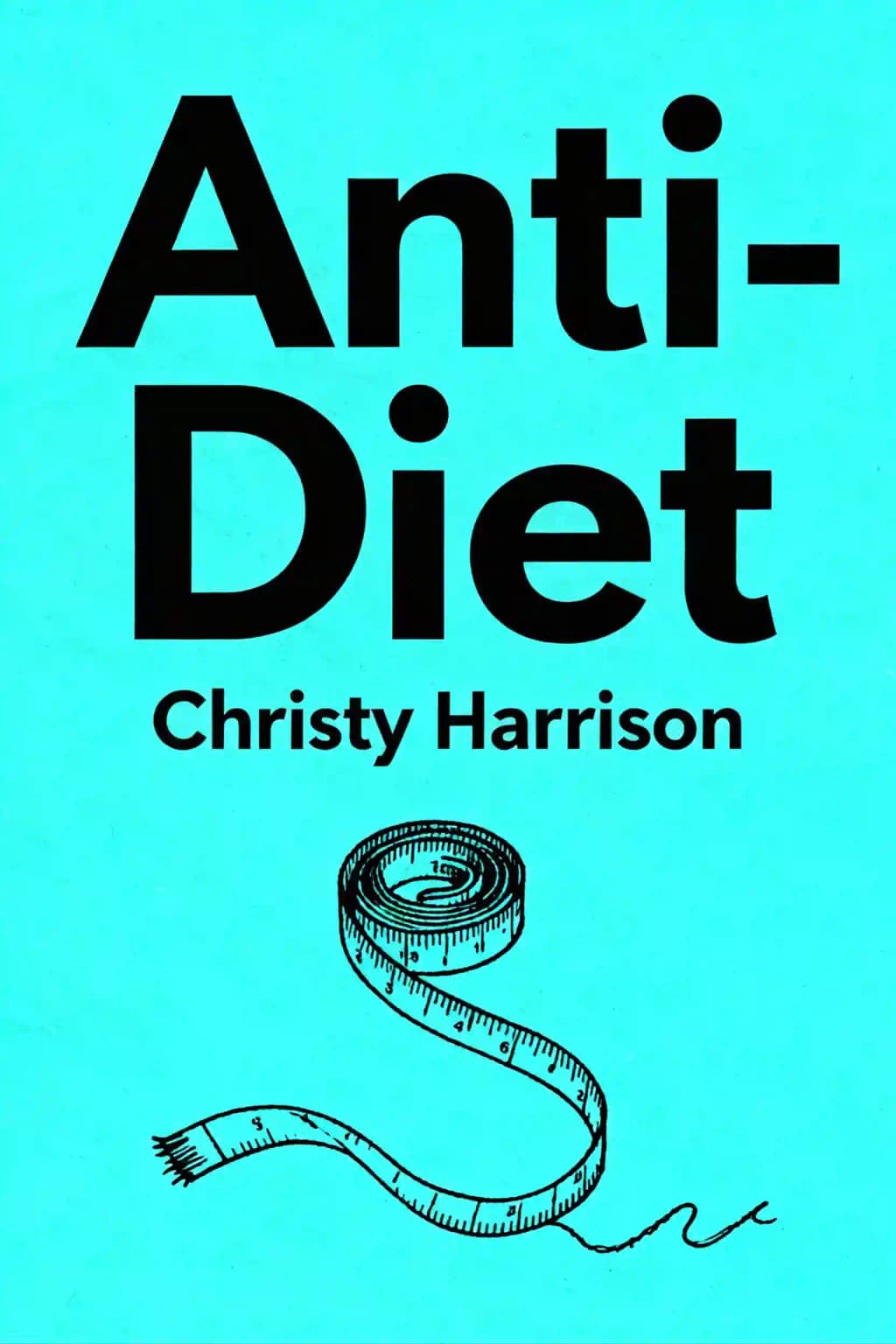
Imagine discovering that something you've devoted your entire life to-something society has told you is essential for happiness, health, and worthiness-is actually a massive scam. This is the reality Christy Harrison confronts in her groundbreaking book "Anti-Diet." As a former food writer with an eating disorder who transformed into a registered dietitian and certified intuitive eating counselor, Harrison's journey from diet culture victim to fierce advocate gives her unique insight into what she calls "The Life Thief"-the pervasive system that steals our time, money, well-being, and happiness through the false promise of thinness. The book has struck a chord with celebrities like Jameela Jamil and Roxane Gay, who praise its evidence-based dismantling of diet culture myths. In a world where the wellness industry has ballooned to $4.5 trillion while eating disorders continue to rise, Harrison's radical message-that your body isn't the problem, diet culture is-offers liberation from the exhausting cycle of food restriction and self-loathing that dominates so many lives.
2장
The Deep Historical Roots of Diet Culture
Diet culture didn't begin with Instagram influencers or 1990s weight-loss infomercials-its origins trace back thousands of years. In ancient Greece, physicians like Hippocrates viewed dietary rules as moral imperatives, explicitly labeling those who prioritized pleasure over restriction as "barbarians." This early connection between eating habits and moral worth laid groundwork for centuries of food moralization.
Colonial expansion further entrenched these ideas. Spanish colonizers in the Americas feared that consuming indigenous foods would literally transform their bodies to resemble native peoples-perhaps the earliest manifestation of "you are what you eat." These colonial notions about "good" and "bad" foods merged with classical ideas about proper eating to form the foundation of modern diet culture.
The Industrial Revolution accelerated these trends through two key developments: standardized clothing production (forcing people to fit predetermined sizes) and the emergence of moral crusaders like Presbyterian minister Sylvester Graham. His austere diet avoiding alcohol, caffeine, meat, spices, and condiments claimed to prevent both physical illness and moral corruption. The Grahamites became the first documented Americans to regularly track their body weights-a practice that would soon become ubiquitous.
As urbanization increased food availability, the emerging white middle class used body size to distinguish themselves from immigrants, viewing thinness as a mark of social status. Nineteenth-century racial theories categorized fatness as a marker of "savagery" associated with people of color, while thinness signified "civilization" and whiteness. These racist beauty standards continue affecting people across gender identities today.
William Banting published the first modern diet book in 1864, transforming dieting from medical therapy into self-help territory. His low-carb, high-meat approach became a sensation, helping spark cultural obsession with weighing oneself. Though doctors of his era generally considered weight gain natural with aging, Banting's popular pamphlet created demand for scales calibrated for human bodies-the beginning of our modern weight obsession.
3장
The Evolution of Diet Culture Through the Decades
The introduction of penny scales in 1885 made weight monitoring accessible to everyone, generating massive profits while fueling weight consciousness. Though Victorian beauty standards initially favored plumpness in women as a sign of prosperity, the Gibson Girl illustration of 1890 began shifting ideals toward a more athletic, impossibly narrow-waisted figure-essentially the 19th century's Photoshopped model.
From the Gibson Girl onward, beauty standards increasingly constricted women. By the early 1900s, advertisements for weight-loss products-including dangerous diet pills containing arsenic and tapeworms-flooded magazines. The flapper aesthetic of the 1920s rejected Victorian curves entirely, requiring women to bind their breasts and restrict food. As women gained political power through suffrage, beauty standards became impossibly thinner, creating what Laura Fraser called an "inner corset" of self-starvation.
This timing was no coincidence. As Naomi Wolf argues, periods of women's greatest political gains have coincided with increasingly restrictive beauty standards-"Dieting is the most potent political sedative in women's history." Anti-suffrage propaganda portrayed feminists as fat and masculine, while suffragists themselves reinforced thin beauty ideals, unintentionally entrenching racist and sizeist standards while fighting for voting rights.
By the early 1900s, doctors began endorsing weight loss despite lacking scientific evidence-influenced by cultural bias rather than medical necessity. Insurance companies adopted the Quetelet index (later renamed BMI), despite its serious flaws: it was created by an astronomer for statistical purposes using only white Europeans, never intended for clinical use.
The mid-20th century saw the rise of televised exercise classes and bariatric surgery, with surgeon Howard Payne coining the term "morbid obesity" to frame surgery as medically necessary. Group dieting programs proliferated, including TOPS (1948), Overeaters Anonymous (1960), and Weight Watchers (1961), which framed diet failure as an emotional issue rather than acknowledging the fundamental flaws in diets themselves.
As Betty Friedan's "The Feminine Mystique" launched second-wave feminism in 1963, a contradictory thinner-than-ever beauty standard emerged with sixteen-year-old model Twiggy becoming the world's first supermodel in 1966. Simultaneously, the fat-liberation movement was born, with groups like the Fat Underground working to reclaim the word "fat" and raise awareness about scientific evidence against dieting.
4장
The Manufactured "Obesity Epidemic"
The concept of an "obesity epidemic" gained traction through William Dietz's PowerPoint maps at the CDC, which visually depicted states changing from blue to red based on obesity rates. These maps created a powerful but misleading impression of a health crisis spreading across America. The reality was more nuanced: small weight gains pushed people just over arbitrary BMI thresholds, and the maps emphasized percentages rather than actual numbers, with poorer states appearing more "obese."
The average American weight increased only slightly between 1985-1998, yet this was framed as a public health emergency. Ironically, dieting itself likely contributed to this weight gain, as intentional weight-loss efforts cause long-term weight gain for up to two-thirds of dieters. By 2013, the AMA classified "obesity" as a disease despite its own committee's recommendation against doing so, likely influenced by pharmaceutical and surgical industries that stood to profit from this classification.
Sociologist Abigail Saguy's research revealed how framing "obesity" as a public health crisis increases anti-fat prejudice and discrimination. Her studies showed that news reports about the "obesity epidemic" led to greater workplace discrimination against larger people and support for charging them higher insurance rates. Even adding anti-stigma messaging to health-risk information didn't reduce prejudice.
While the twenty-first century wellness movement presents itself as an alternative to diet culture, it's actually diet culture's latest iteration-still framing health as a moral obligation while potentially fostering disordered eating behaviors.
5장
Wellness: Diet Culture in Disguise
The food-activist movement of the early 2000s aimed to raise awareness about political and economic forces shaping our food system. Books like "Fast Food Nation" (2001), "Food Politics" (2002), and Michael Pollan's influential works framed the "obesity epidemic" as a crisis caused by the food industry. While well-intentioned, these activists unintentionally reinforced weight stigma and diet culture principles by demonizing fatness and creating new food rules. Pollan's famous advice-"Eat food. Not too much. Mostly plants"-became another yardstick for people to measure themselves against.
Alessio Fasano's 2003 study found that 0.75 percent of "not-at-risk" subjects had celiac disease-much higher than previously thought, though still less than 1 percent. This sparked scientific interest in celiac disease and drew attention to gluten. While gluten-free diets are medically necessary for those with celiac disease or wheat allergies, there's no evidence they benefit others. In fact, going gluten-free often masks disordered eating-a more likely cause of digestive troubles, as up to 98 percent of eating disorder patients have gastrointestinal issues.
Despite this, the gluten-free trend exploded with celebrities like Oprah and Gwyneth Paltrow endorsing it, bestselling books like "Wheat Belly" promoting pseudoscientific claims, and the U.S. market growing from $580 million in 2004 to $1.85 billion in 2018.
This trend merged with food activism to create "clean eating"-popularized by Tosca Reno's 2005 book and later through Instagram. Though claiming not to be a diet, clean eating's moralistic language about "pure" versus "contaminated" foods reveals its diet culture roots. It creates a moral hierarchy where adherents feel superior and guilty about deviations, functioning much like a religion.
In the mid-1990s, Steven Bratman coined "orthorexia nervosa" to describe obsession with "correct" eating. Today, nearly half of Instagram users surveyed meet orthorexia criteria, particularly those following elimination diets and restrictive eating theories. The cultural shift since the 1990s has mainstreamed "healthy eating" obsessions, with social media amplifying food moralism.
Diet culture has become a shape-shifter, with modern manifestations like clean eating, Whole30, Paleo and intermittent fasting claiming they're about wellness, not dieting. They rebrand themselves with terms like "protocol," "reset," "template" or "lifestyle," but they're all part of what Harrison calls the Wellness Diet-a perfectionistic, discriminatory approach to health that's actually diet culture in disguise.
Market research confirms this strategy: "Diet has become a four-letter word" while "'Healthy' eating has replaced 'dieting.'" Weight Watchers' rebrand to "WW" with the slogan "Wellness That Works" exemplifies this pivot to appeal to millennials who reject traditional dieting language while still pursuing thinness.
6장
The Science of Diet Failure
Diet culture consumes our time in countless ways. Anna Guest-Jelley spent her childhood on sixty-five distinct diets, beginning at age six when her pediatrician recommended calorie restriction. By ten, she attended Weight Watchers weekly instead of enjoying childhood activities. Despite academic and social success, she felt like a failure because she couldn't lose weight permanently.
The widely cited statistic that over 95% of diets fail originated in Albert Stunkard's 1959 research. Stunkard, a psychiatrist specializing in weight loss who also condemned weight stigma, reviewed hundreds of studies and found most had serious methodological flaws. Of the eight scientifically sound studies he identified, results showed significant weight loss was rare and regain was common.
In his own intervention study with dietitian Mavis McLaren-Hume, 100 patients were given calorie restrictions and regular follow-ups. After 2.5 years, only twelve had ever lost significant weight, just two maintained that loss, and thirty-nine dropped out completely-a 98% failure rate.
This groundbreaking research earned Stunkard the American Psychiatric Association's Annual Award for Research. Subsequent studies have consistently confirmed these findings. A 1992 NIH panel found that 90-95% of dieters regain two-thirds of lost weight within a year and almost all within five years.
Diets don't just fail-they often produce the opposite of their intended effect. In a comprehensive 2007 review, Traci Mann and colleagues found that one-third to two-thirds of dieters regained significantly more weight than they'd lost. These studies consistently showed that dieting predicted future weight gain regardless of starting body size.
This pattern creates a perfect business model for the diet industry: sell products that fail, blame the consumers, then sell them more products when they return desperate for solutions.
Our bodies maintain a genetically programmed weight "set range" that spans a few sizes throughout adulthood. About 70% of individual differences in body weight are dictated by genes, with the hypothalamus functioning like a thermostat regulating this set point.
When weight drops below this range, the brain perceives danger and triggers biological changes to restore weight: reduced "fullness hormones" (leptin, peptide YY, cholecystokinin), increased "hunger hormone" (ghrelin), lower energy output, reduced thyroid activity, and heightened food reward responses. These aren't failures of willpower-they're survival mechanisms.
7장
The Financial Cost of Diet Culture
The U.S. diet industry now exceeds $72 billion annually, including commercial weight-loss programs, diet foods, meal replacements, diet pills, bariatric surgery, diet books, and gym memberships. While weight-loss product sales are declining, weight-loss services are growing steadily at 2.6% yearly, with bariatric procedures averaging $15,000-$25,000 each.
Even without formal diet programs, most people spend thousands on "lite" foods, weight-loss books, gym memberships, protein supplements, meal-replacement shakes, shapewear, and cellulite creams. Diet foods typically cost significantly more than regular options-like $3 protein bars marketed as "safe" alternatives to cookies or muffins.
Eating disorder treatment represents another massive hidden cost. Residential programs run about $30,000 monthly, often without insurance coverage. Outpatient treatment costs $15,000-$45,000 annually, driving many into debt. Most people with disordered eating never receive diagnosis or treatment, partly due to diet culture's stereotype that only emaciated people have eating disorders. In reality, most sufferers are in "normal" or higher BMI categories, with approximately 30% of weight-loss treatment seekers meeting criteria for binge-eating disorder.
Diet culture's financial impact grows when including "wellness" products like cleanses, detoxes, "clean-eating" books, trendy superfoods, and elimination diets. The global market for "healthy eating, nutrition, and weight loss" reaches a staggering $648 billion, with North American cold-pressed juice alone expected to hit $311 million by 2024.
Diet culture extracts money through health-and-fitness media promoting weight loss and food fears. Magazine cover lines promising quick weight loss and articles about "foods to avoid" capitalize on diet culture's messaging that thinness equals happiness and certain foods are dangerous.
Diet culture's financial impact isn't simply about individual choice but reflects sophisticated marketing that shapes our decisions. Companies leverage our desire for social capital to extract financial capital, associating their products with thin, conventionally attractive people who appear to embody diet culture's standards.
Diet culture doesn't just steal our money through direct spending-it redirects entire career paths. Many professionals enter nutrition, personal training, or wellness fields because of their own disordered relationships with food, closing doors on potentially more lucrative and fulfilling careers.
8장
The Physical and Mental Health Costs
Diet culture devastates physical and mental well-being through pervasive weight stigma. Former Biggest Loser contestant Kai Hibbard's experience illustrates this perfectly-despite serious symptoms like fatigue and joint pain, doctors repeatedly "diagnosed" her as fat, missing her actual rheumatoid arthritis for two years, potentially causing permanent damage.
While correlation exists between higher BMI and certain health conditions, diet culture falsely assumes causation. Research reveals weight stigma itself is a major confounding variable that independently increases risk for mental health problems (depression, disordered eating, negative body image) and physical conditions (diabetes, heart disease) regardless of actual body size. Studies show experiencing weight discrimination creates physiological stress measured through elevated cortisol and increased allostatic load.
Remarkably, weight stigma poses a greater health risk than "poor-quality dietary patterns." Self-perception matters tremendously-the larger the gap between current and "ideal" weight, the worse one's health outcomes, regardless of BMI. Contrary to diet culture claims, stigma doesn't motivate weight loss; it increases likelihood of weight gain and physical inactivity.
Weight cycling-the yo-yo pattern of weight loss and regain-has been linked to increased cardiovascular problems and higher mortality risks. Multiple large-scale studies show weight cycling correlates with higher death rates from all causes and increased heart disease risk, independent of BMI. One South Korean study of 6.7 million participants found those with the greatest weight fluctuations had 53% higher mortality risk and 14% greater risk of heart attack and stroke than those with stable weight.
Weight-loss surgery is often presented as the solution to weight cycling, but it's more "disease-inducing cosmetic surgery" than health-enhancing. All bariatric surgeries carry significant risks. Even the "benign" lap-band surgery caused Sarah Harry chronic pain, vomiting, and hospitalization when her band was adjusted too tightly, preventing her from swallowing even saliva. Other surgeries like gastric sleeve and bypass are even more invasive, either restricting food intake or causing malabsorption of nutrients.
Common complications include severe nutritional deficiencies in protein, vitamins, and minerals, despite expensive supplements. "Dumping syndrome" causes nausea, vomiting, diarrhea, and other distressing symptoms that can last a lifetime. Gastric bypass significantly increases risk of alcohol and substance use disorders, with one study showing alcohol abuse rates more than doubled seven years post-surgery.
9장
Reclaiming Your Right to Eat Intuitively
Intuitive eating is our birthright-the natural way humans are designed to eat from birth. As babies, we instinctively knew when we were hungry, demanded our needs be met without shame, enjoyed food with pleasure, and stopped eating when satisfied. We didn't question our hunger or feel guilt about our appetites.
Diet culture disrupts this innate wisdom by creating a sense of deprivation. It teaches us that hunger is wrong, pleasure is dangerous, and fullness means we've eaten "too much." It makes us distrust our bodies' signals and lose confidence in our ability to nourish ourselves appropriately. This disconnection leads to the restriction pendulum that creates an obsessive relationship with food.
Reconnecting with your body's innate wisdom about food requires two key steps. First, completely reject diet culture by recognizing how it steals your time and happiness, noticing its subtle influences in your thinking, and refusing to live by its rules. Allow yourself to feel angry about what diet culture has stolen from you and use that energy to fight back.
Second, help your body trust you won't deprive it anymore by ensuring you have enough food-not just barely enough, but true abundance. Having access to all types of foods in satisfying amounts allows your body to rebuild trust in you and your eating patterns.
To reconnect with hunger signals that may have been suppressed by years of dieting, pay attention to symptoms beyond just stomach growling. Signs like difficulty making decisions, irritability, losing focus, headaches, fatigue, thinking about food constantly, or even anxiety could all indicate hunger.
Like a stray cat that needs gentle coaxing and consistent reassurance, your body and brain require compassion after diet culture's trauma. Diet culture creates trauma through messages that your body doesn't belong and through food deprivation, which triggers stress responses and elevated cortisol levels. Recovery requires treating yourself with kindness and repeatedly reassuring yourself that there's enough food and you're allowed to eat.
10장
Health at Every Size and Body Liberation
Diet culture's version of "health" is so damaging that rejecting it entirely is a valid response. Health is not a moral obligation or requirement for worthiness. If you've been traumatized by health pursuits in the past, taking time off to heal is perfectly acceptable. As health coach Ragen Chastain notes, "Running a marathon and having a Netflix marathon are morally equivalent activities."
Your health isn't entirely within your control despite diet culture's messaging. Genetics, socioeconomic status, stigma experiences, and environmental exposures all affect outcomes. Health At Every Size (HAES) offers an alternative-a weight-inclusive, anti-diet approach developed in the 1990s in response to research showing intentional weight loss doesn't work and often causes harm.
A HAES approach prioritizes self-care over self-control. With food, this means making choices that honor both mental and physical health, pursuing joy rather than deprivation, meeting your body's needs with enough food and variety, socializing without food guilt, satisfying hunger fully, preparing for hunger with snacks, and enjoying foods that bring comfort.
If your weight causes physical discomfort, explore whether diet culture and weight stigma contribute to those feelings. Instead of shrinking your body to accomplish physical goals, focus on building strength, stamina and flexibility-capacities that work at all sizes.
Personal trainer Jessi Haggerty found it challenging to step away from exercise since it was tied to her identity. Most gyms are diet culture hotbeds, and the word "exercise" itself originated from military drills and livestock plowing, explaining its punishing connotations. In diet culture, exercise becomes a body-shrinking tool associated with shame and "no pain, no gain" mentality. Movement, however, is free from these associations-it can be structured or unstructured, joyful or utilitarian, and doesn't need to burn specific calories or reach certain heart rates.
Finding healthcare professionals who support Health At Every Size principles rather than reinforcing weight stigma is crucial. You have every right to fire doctors who cling to diet-culture beliefs after you've set boundaries. Doctors are service providers working for you-like hairstylists or mechanics, you wouldn't return to ones who made you feel ashamed.
11장
Building Community and Reclaiming Life
The author compares the jarring experience of being thrown back into diet culture after immersing in anti-diet resources to a frightening subway encounter-both situations where support is essential. To sustain recovery from diet culture, we need communities that reinforce body-positive values against the constant barrage of diet messaging.
Rebekah Taussig, a disability-rights and body-positivity advocate, grew up feeling like an outlier in a family of naturally thin women. As a wheelchair user with paralyzed legs and severe scoliosis, she never saw herself reflected in beauty standards. Everything changed when she discovered disability studies in graduate school, realizing her shame had structural causes affecting many people. Finding this community was revolutionary-"the power of 'me, too.'"
When we connect with others who challenge diet culture, they help us see possibilities beyond our usual routines. Caleb Luna, a writer and activist who grew up in a family that stigmatized fatness, discovered the fat-acceptance movement through their best friend's recommendation of Marilyn Wann's "Fat!So?" This opened a world where fat people had "active social and sexual and romantic lives, dressing fashionably, and being popular and loved"-things Luna never thought accessible.
When you reject diet culture, navigating relationships becomes challenging. Some relationships require difficult conversations over time, as Evette Dionne experienced with her mother: "It's very difficult when you've been in a relationship for so long to now say, 'Hey, I want to have a conversation about what you said about my body.'" Working through initial discomfort allows relationships to evolve into something nourishing for both parties.
Spreading the anti-diet message through existing social networks can create powerful change. Like technological innovations, Health At Every Size and intuitive eating spread through social connections. Australian dietitian Fiona Willer compares HAES to an iPhone: "You learn about it from colleagues or friends. The benefits are communicated through social networks, and it spreads like a virus."
The ultimate message is freedom: you don't have to spend your life worrying about food and body. People accomplish incredible things with the energy reclaimed from quitting diets-starting businesses, advocating for justice, pursuing dreams, finding supportive relationships, and raising body-positive children. The movement to dismantle diet culture is fundamentally about social justice and equal rights for people in all body sizes. Like other movements to end oppression, it stands on the right side of history. Everyone has a role in making this change happen, beginning with reclaiming your own life from diet culture's grip.