1장
The Diet Revolution: Science, Not Hype
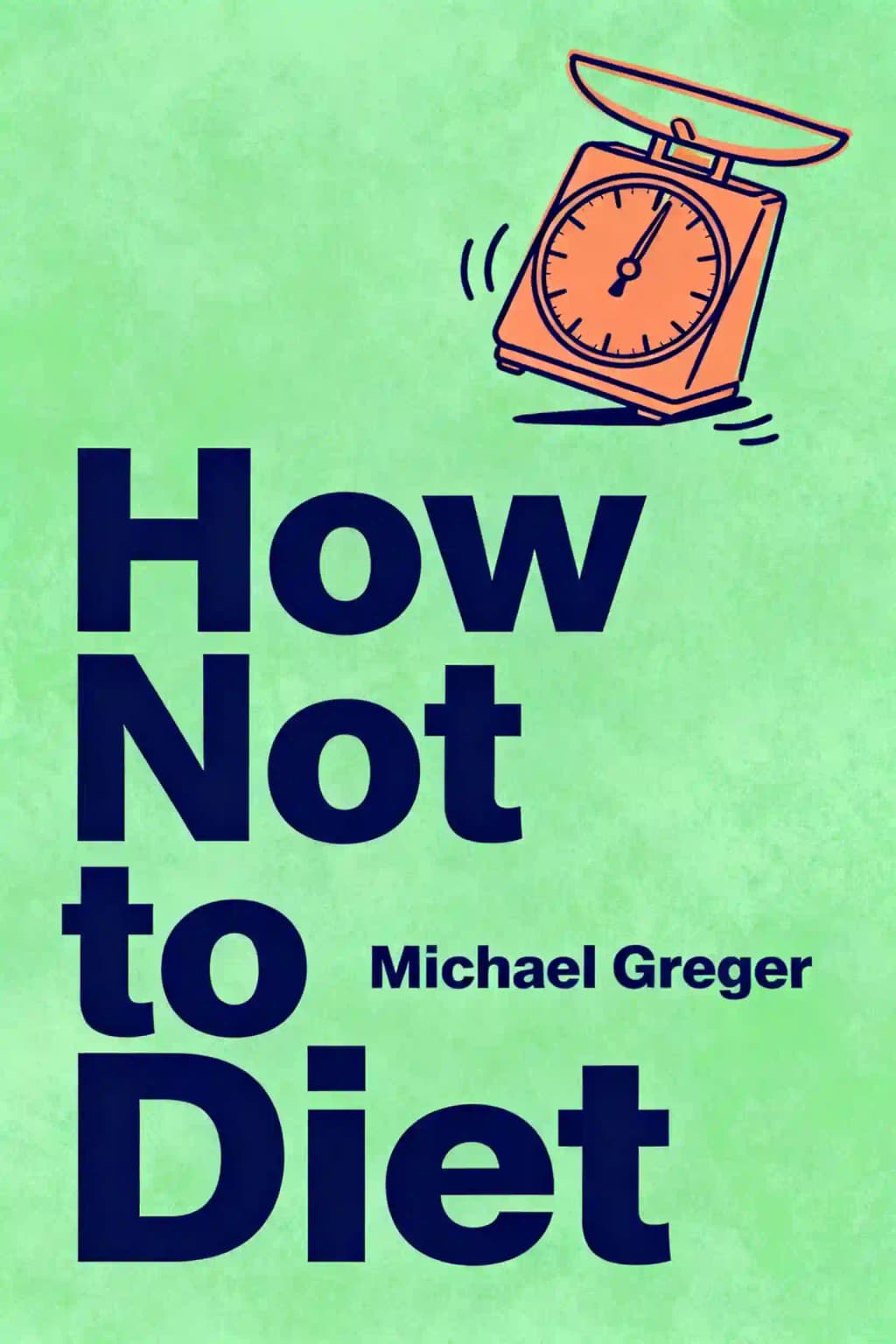
In a world drowning in diet books, Dr. Michael Greger's "How Not to Diet" stands apart as a scientific lighthouse. Since its 2019 release, this evidence-based guide has become the go-to resource for those seeking weight loss without gimmicks. Celebrities like Miley Cyrus and Natalie Portman have embraced its plant-based approach, while medical professionals recommend it for its rigorous scientific foundation. Unlike typical diet books that make bold promises based on anecdotes, Greger meticulously analyzed nearly 5,000 studies to separate fact from fiction. The book's cultural impact stems from its radical premise: that sustainable weight loss doesn't require expensive programs, supplements, or extreme measures-just evidence-based nutrition. As obesity rates continue climbing worldwide, Greger's work offers a refreshing alternative to an industry that thrives on failure and repeat customers.
2장
The Obesity Epidemic: A Modern Health Crisis
The obesity pandemic represents one of the greatest public health challenges of our time. What was once a condition affecting only monarchs like Henry VIII has transformed into a global crisis affecting over 70% of American adults, with 40% classified as obese. This explosive increase began around the late 1970s and occurred simultaneously across industrialized nations, suggesting a common trigger rather than localized factors.
The food industry has successfully deflected blame by pointing to physical inactivity, spending millions to shift the conversation away from diet. Their "leanwashing" strategy has worked remarkably well-83% of Americans believe lack of exercise is the main cause of obesity, while only 34% blame excessive calorie consumption. However, scientific consensus contradicts this narrative. When carefully measured, caloric intake proves far more influential than physical activity in determining weight.
Genetics plays a much smaller role than commonly believed. The hundred-plus genetic markers linked to obesity collectively explain less than 3% of BMI differences between people. Even the notorious "fat gene" FTO accounts for a mere 0.34% of weight variation. The Pima Indians of Arizona provide compelling evidence of diet's supremacy over genetics-genetically identical populations show dramatically different obesity rates depending on whether they follow traditional diets or modern processed food patterns.
Our prehistoric programming makes us vulnerable to modern food environments. Throughout human evolution, those who could eat abundantly and store fat efficiently were more likely to survive famines. We developed remarkable abilities to discriminate between foods based on calorie density, instinctively preferring those with the most calories per pound. The food industry exploits these evolutionary preferences by creating what dietitian Jeff Novick calls CRAP-Calorie-Rich And Processed foods-that activate the same brain reward pathways as cocaine and alcohol.
The obesity epidemic correlates perfectly with the dramatic increase in calorie supply that began in the 1970s. Technological advances in preservation and packaging enabled mass production of ready-to-eat foods, while government subsidies artificially lowered the cost of obesity-promoting ingredients like sugar, corn (for high-fructose syrup), and soybeans (processed into vegetable oil and cheap animal feed). Meanwhile, Reagan-era deregulation removed limits on marketing to children, who now see 10,000 food commercials yearly-95% for candy, sugary drinks, cereals, and fast food.
3장
The Devastating Health Consequences
The health impacts of excess weight extend far beyond aesthetics. The largest study on obesity's health effects, analyzing data from over fifty million people in nearly two hundred countries, found that obesity accounts for approximately four million premature deaths annually.
Obesity worsens rheumatoid arthritis, increases gout risk, and is the main modifiable risk factor for osteoarthritis. Losing just one pound annually over a decade can decrease osteoarthritis risk by over 50%. Excess weight increases risk of low back pain, sciatica, and disc degeneration through joint load and inflammation. For blood pressure, visceral fat physically compresses kidneys, forcing sodium back into the bloodstream.
Three-quarters of people surveyed were unaware that excess body fat raises risk for most cancers, including esophageal, stomach, colorectal, liver, gallbladder, pancreatic, breast, uterine, ovarian, kidney, brain, thyroid, and bone marrow cancers. After menopause, fat becomes the principal site of estrogen production, giving obese women nearly twice the circulating estrogen levels, increasing breast cancer risk.
Obesity is considered the single most important risk factor for type 2 diabetes, which leads to kidney failure, lower-limb amputations, and adult-onset blindness. Ironically, many diabetes medications, including insulin itself, cause further weight gain, creating a vicious cycle.
Obesity in middle age increases dementia risk later in life-overweight individuals have about one-third higher risk, while obese individuals face 90 percent greater risk. Brain scans reveal gray matter atrophy and compromised white matter integrity in those with excess body fat, suggesting accelerated brain aging even in young adults and children with obesity.
Nearly 70 percent of the four million annual obesity-related deaths worldwide are due to cardiovascular disease. Genetic studies confirm that being heavier increases heart disease and stroke risk regardless of diet. The Swedish Obese Subjects trial demonstrated that surgical weight loss patients maintaining 20 percent weight reduction developed 80 percent less diabetes and suffered significantly fewer heart attacks and strokes.
Weight stigma remains perhaps the last "acceptable" form of bias. In a study where fifty overweight women documented instances of weight-related stigma, over one thousand incidents were recorded in just one week. The average overweight woman experiences harassment, physical barriers, or discrimination approximately three times daily. This stigma creates a vicious cycle of stress leading to obesity, leading to more stress.
4장
Failed Solutions: Surgery, Pills, and Fad Diets
The obesity treatment landscape has long been plagued by snake-oil salesmen and quick-fix promises. Bariatric surgery has exploded from about forty thousand procedures annually in 1998 to hundreds of thousands per year in the United States alone. While these procedures can produce significant weight loss, they carry serious risks-up to 25% of patients require revision surgeries, which carry ten times the mortality risk. Even with perfect surgery, patients need lifelong nutritional supplementation to avoid potentially serious deficiencies.
Despite the full menu of FDA-approved weight loss medications, they're prescribed to only one in fifty obese patients, largely due to their troubling history. Most weight-loss drugs have eventually been pulled from the market for dangerous side effects after initial approval. The pattern began with DNP, a pesticide that promised to safely melt fat but instead damaged people's eyesight, helping prompt the 1938 Federal Food, Drug, and Cosmetic Act. Despite litigation costs exceeding $80 million for failed drugs, pharmaceutical companies calculate that successful weight-loss medications could still be profitable.
Weight-loss supplements are notoriously contaminated with undisclosed drugs. Over half of "100% natural" weight-loss supplements tested contained pharmaceutical drugs ranging from antidepressants to erectile dysfunction medications. When nine popular slimming supplements were tested in randomized controlled trials, none outperformed placebo pills.
The $50 billion weight-loss industry thrives on an endless parade of fad diets promising quick fixes rather than evidence-based solutions. As Dr. David Katz noted, consumers reject proven approaches in favor of "false promises and pixie dust," and sellers respond accordingly-resulting in more than 30,000 weight-loss books on Amazon alone. When fact-checkers have examined popular diet books like "The Big Fat Surprise" or "The South Beach Diet," they've found that up to two-thirds of the nutritional "facts" weren't supported by peer-reviewed science.
5장
The Seventeen Key Ingredients for Weight Loss
After analyzing thousands of studies, Dr. Greger identified seventeen key ingredients for an ideal weight-loss diet:
1. Anti-inflammatory: Inflammation plays a crucial role in many chronic diseases, including obesity. Processed foods and animal products containing saturated fat, trans fat, and cholesterol are pro-inflammatory, while whole plant foods rich in fiber and phytonutrients are strongly anti-inflammatory.
2. Clean: Obesogenic pollutants-chemicals that may contribute to weight gain-are found primarily in animal products. Studies show that people who choose organic "most of the time" had half the obesity rates of those who "never" chose organic, even after controlling for education, income, exercise, and dietary patterns.
3. High in fiber-rich foods: Fiber, once thought to be merely inert bulk for regularity, is now recognized as a critical dietary component with drug-like signaling effects that can dramatically impact metabolism and weight loss. Adding just 14 grams of fiber daily led to an average weight loss of about a pound per month in studies.
4. High in water-rich foods: Water adds bulk to foods without adding calories, making water-rich foods powerfully satiating. Vegetables top the charts at over 90% water by weight, followed by fruits in the 80% range, starchy vegetables and whole grains at 70%.
5. Low glycemic load: The glycemic index measures how quickly carbohydrates are digested and raise blood sugar, while glycemic load accounts for both the quality and quantity of carbs in a serving. The physical structure of food significantly affects digestion speed-bread causes nearly twice the blood sugar spike as pasta made from identical ingredients because bread's airy structure allows digestive enzymes greater access to starches.
6. Low in added fat: Despite claims that government advice to reduce fat caused obesity, Americans never actually decreased fat intake (747 daily fat calories now versus 743 in the 1970s). Added fats and oils increased over 50% per person between 1970-2010. America gained weight by consuming more of everything-about 500 more daily calories.
7. Low in added sugar: Americans consuming excess sugar typically get 350-500 extra calories daily-precisely the amount that corresponds to the population's excess weight. Randomized trials consistently show increasing sugar intake increases caloric intake and weight gain, while reducing sugar leads to weight loss.
8. Low in addictive foods: Food engineers manipulate salt, sugar, and fat contents to achieve the "bliss point"-peak craveability-creating hyperpalatable foods that override normal satiety signals. Brain scans show that merely smelling foods like potato chips activates areas similar to those triggered by alcohol.
9. Low in calorie density: The obesity epidemic's primary cause is our increased caloric consumption, not decreased physical activity. Comparing food production per capita from the 1970s to the 2000s reveals enough additional calories to explain our weight gain.
10. Low in meat: Despite most U.S. taxpayer subsidies supporting meat, dairy, oils, and sugar production rather than produce, research shows meat consumption is strongly linked to weight gain. American vegetarians weigh about 25 pounds less than meat-eaters on average, and vegans 40 pounds less.
11. Low in refined grains: Whole grains consistently show benefits for weight control in observational studies. Only 6-8% of Americans follow recommendations to eat at least three daily servings of whole grains, yet those who do carry significantly less abdominal fat.
12. Low in salt: Salt intake has skyrocketed to ten times what our bodies evolved to handle, primarily due to processed foods. This dramatic dietary shift correlates with excess body fat-a meta-analysis found higher sodium consumption associated with nearly two-inch-larger waists.
13. Low insulin index: Insulin functions as the "hormone of calorie prosperity," distributing nutrients after meals by moving blood sugar into muscles, directing amino acids to build proteins, and storing fatty acids in fat cells. In obesity, fat can overflow from cells into the bloodstream and lodge in muscles, causing insulin resistance.
14. Microbiome-friendly: Our gut microbiome represents a crucial but often overlooked factor in weight management. With trillions of bacteria containing 100 times more genes than our human genome, these microbes constitute what some call our "forgotten organ"-as metabolically active as our liver and weighing as much as a kidney.
15. Rich in fruits and vegetables: Increasing fruit and vegetable consumption has convincing evidence for reducing three leading causes of death-heart disease, stroke, and high blood pressure-with probable evidence for cancer protection as well. For weight management, observational studies tracking half a million people found those eating the most fruits and vegetables had 17% lower odds of weight gain or abdominal obesity.
16. Rich in legumes: Legumes-including beans, split peas, chickpeas, and lentils-are powerful tools for disease prevention and weight management. National dietary surveys show bean eaters tend to have healthier weights and smaller waistlines.
17. Satiating: Foods that create satiety are crucial for weight management. Though protein is often described as the most satiating macronutrient, fiber proves superior by suppressing hunger for up to ten hours after consumption.
6장
The Optimal Weight-Loss Diet: Plant-Based Eating
A plant-based diet minimizes meat, eggs, dairy, and processed foods while maximizing whole plant foods like fruits, vegetables, legumes, whole grains, nuts, seeds, mushrooms, and herbs. Unlike vegetarian or vegan diets-which may exclude animal products for ethical reasons without necessarily focusing on health-plant-based eating specifically emphasizes nutritious choices.
Despite claims that healthier plant-based diets suffer from "poor palatability and marginal long-term compliance," research shows the opposite. Dean Ornish's studies achieved extraordinary adherence with plant-based diets, with participants reporting the same enjoyment levels as their regular diets-even in barbecue-loving North Carolina.
While any calorie-restricted diet can produce weight loss, plant-based diets are uniquely effective without requiring portion control or exercise. The fundamental difference is that people can eat ad libitum-as much as they want-focusing on improving food quality rather than restricting quantity.
Obesity rates among vegans run as low as 2-3 percent, making them comparable to long-distance endurance athletes running nearly two marathons weekly. Yet remarkably, these plant-based eaters are often sedentary. The secret? Those eating plant-based consume up to 464 fewer calories daily while actually eating nearly half a pound more food.
Plant-based eaters may not only consume fewer calories but also need fewer calories due to enhanced metabolism. Some studies show vegetarians weighing twenty pounds less despite consuming 400 more calories daily. Research has found those eating plant-based for at least two years had up to 22% higher resting metabolic rates, burning hundreds of extra calories daily without additional activity.
Meta-analyses of randomized controlled trials consistently show greater weight loss with plant-based diets-even without calorie restrictions or exercise. Those eating purely plant-based lost twice as much weight (7.5% vs 3%) compared to those eating any meat or fish. Participants were instructed to eat however much they wanted, whenever they wanted.
The 2017 BROAD study demonstrated unprecedented weight loss results with a whole food, plant-based approach. Conducted in New Zealand's poorest region with high obesity rates, participants were randomized to either standard care or plant-based diet classes without calorie restrictions or exercise requirements. The intervention group lost an average of 19 pounds in three months, and remarkably, continued losing weight after the study ended-reaching 27 pounds lost at six months. At the one-year mark, they maintained this weight loss without ongoing intervention, achieving the greatest sustained weight loss ever recorded in medical literature for a trial without calorie restriction or mandatory exercise.
7장
Evidence-Based Weight-Loss Boosters
Beyond the foundational plant-based diet, Dr. Greger identified several evidence-based "boosters" that can enhance weight loss results:
Accountability: The Trevose Behavior Modification Program stands as the most effective non-surgical obesity treatment in medical literature. This free, volunteer-run program produces remarkable results-39 pounds lost after two years compared to just 6 pounds with Weight Watchers-through extreme accountability. Daily self-weighing, once discouraged, is now recognized as a safe and effective weight control tool.
Fat Burners: Brown adipose tissue (BAT) naturally burns fat to generate heat. Cold exposure powerfully activates BAT, with just 20 minutes at cool temperatures boosting metabolism for hours. Certain foods like chili peppers, ginger, cinnamon, and green tea can activate BAT or convert white fat to beige, though most studies are limited to petri dishes or animals.
Chronobiology: Our bodies' natural circadian rhythms significantly impact weight management. Morning calories are less fattening because our bodies burn more energy processing them-a phenomenon called diet-induced thermogenesis. The same meal requires about 50% more calories to digest in the morning than at night. Frontloading calories earlier in the day provides multiple benefits: better weight loss, improved blood sugar control, and reduced heart disease risk.
Eating Rate: Our bodies register calories differently depending on how quickly we consume them. When people eat slowly with small spoons rather than quickly with large ones, they feel fuller despite consuming less food. Studies show people who chew each bite 35 times consume 12 percent fewer calories than those chewing only 10 times.
Hydration: Water consumption is one of the most popular weight-loss recommendations, endorsed by physicians and health organizations alike. Drinking water strategically can affect both sides of the calorie equation. For older adults, consuming two cups of water thirty minutes before meals reduced food intake by 13% (74 fewer calories), but this timing doesn't work for younger people whose stomachs empty faster.
Negative Calorie Preloading: A "negative calorie" effect occurs when a preload reduces subsequent calorie intake by more than it contributes. In Penn State experiments, a 100-calorie vegetable salad preload reduced pasta consumption by over 200 calories-creating a net negative 100 calories. Eating an apple before a pasta meal can lead to consuming more than 300 fewer calories-effectively giving the apple "negative 200 calories."
Intermittent Fasting: Time-restricted feeding involves confining daily caloric intake to a set window, typically creating fasting periods of twelve to twenty-one hours daily. When people restricted eating to between 6am and 7pm for just two weeks, they lost about a pound weekly without any other dietary instructions. In a longer twelve-week study where participants limited eating to an eight-hour window (10am-6pm), they lost five pounds.
8장
Dr. Greger's Twenty-One Tweaks for Success
Dr. Greger distilled his extensive research into twenty-one practical tweaks that can be systematically incorporated into daily life for optimal weight management and health:
At Each Meal:
1. Preload with water (two cups of cool water before each meal) - This simple practice can reduce calorie intake by 60-100 calories per meal by creating initial stomach volume and improving metabolic rate
2. Preload with "negative calorie" foods - Begin meals with a large apple, vegetable soup, or green salad. These foods require more energy to digest than they contain and trigger stretch receptors that signal fullness
3. Incorporate vinegar (two teaspoons with each meal) - Apple cider or rice vinegar helps control blood sugar spikes and increases satiety hormones. Can be used in dressings or diluted in water
4. Enjoy undistracted meals (no TV, phones, or other screens) - Mindful eating increases satisfaction and reduces overconsumption by up to 30%. Focus on flavors, textures, and eating slowly
5. Follow the twenty-minute rule (extend meal duration) - It takes approximately 20 minutes for satiety signals to reach the brain. Put down utensils between bites and chew thoroughly
Every Day:
6. Take daily doses of evidence-based supplements:
- 1/4 teaspoon black cumin for metabolism
- 1/4 teaspoon garlic powder for inflammation
- 1/4 teaspoon ginger/cayenne mix for thermogenesis
- 2 tablespoons nutritional yeast for B vitamins
- 1/2 teaspoon cumin for insulin sensitivity
7. Drink green tea (three cups daily between meals) - Contains EGCG compounds that boost metabolism and fat oxidation. Timing between meals maximizes absorption
8. Stay hydrated (pale yellow urine) - Proper hydration supports metabolism and often prevents unnecessary snacking triggered by thirst
9. Deflour your diet - Choose intact whole grains like brown rice, quinoa, and steel-cut oats over processed flour products. Intact grains require more energy to digest and maintain stable blood sugar
10. Front-load calories - Making breakfast or lunch the largest meal aligns with natural circadian rhythms and hormonal patterns
11. Time-restrict eating (under twelve hours daily) - Creates a natural fasting window that enhances fat burning and cellular repair
12. Optimize exercise timing - Morning fasted exercise maximizes fat burning and improves insulin sensitivity
13. Weigh yourself twice daily - Morning and evening weights provide feedback on hydration and eating patterns
14. Complete implementation intentions - Create specific if-then plans for challenging situations (e.g., "If offered dessert at work, then I'll choose fruit")
Every Night:
15. Fast after 7:00 p.m. - Aligns eating with natural circadian rhythms and hormonal patterns
16. Get sufficient sleep (seven to eight hours) - Poor sleep disrupts hunger hormones and increases cravings for high-calorie foods
17. Consider mild Trendelenburg position - Sleeping with head slightly lower than feet may improve lymphatic drainage
Weekly Practices:
18. Weekly weigh-in (same day/time)
19. Schedule meal prep sessions
20. Plan grocery shopping strategically
Monthly:
21. Track progress metrics beyond weight (measurements, energy levels, clothing fit)
These evidence-based tweaks can be implemented gradually, focusing on sustainable lifestyle changes rather than quick fixes.
9장
The Path to Sustainable Weight Loss
Dr. Greger challenges conventional diet ranking methodologies, particularly their failure to prioritize safety as the paramount criterion. He points out a critical flaw in current systems where potentially dangerous diets can receive high rankings simply because they produce quick results or are easy to follow. This approach, he argues, fundamentally misunderstands the purpose of dietary advice - to improve health, not compromise it.
Through comprehensive analysis of obesity research, Dr. Greger arrives at a remarkably straightforward conclusion: the most effective weight loss strategy centers on consuming whole, plant-based foods that grow naturally. This means focusing on foods from fields rather than factories - fresh vegetables, fruits, whole grains, legumes, nuts, and seeds. These foods are naturally high in fiber, nutrients, and water content while being lower in caloric density, making them ideal for weight management.
The beauty of this approach lies in its multiple benefits. Not only is it the healthiest path to weight loss, but it's also the most economical and sustainable long-term strategy for optimal health. Unlike popular diet programs that often require expensive supplements, pre-packaged meals, or complex procedures, this approach relies on readily available whole foods. It eliminates the need for costly diet plans, weight loss pills, or surgical interventions that often come with significant risks and side effects.
While the twenty-one tweaks Dr. Greger recommends might initially appear daunting, they can be efficiently combined in practical ways. For instance, a simple meal starter of fresh tomato salad incorporating black cumin, minced garlic or garlic powder, and a splash of balsamic vinegar addresses multiple recommendations simultaneously: eating before other foods, adding vinegar to meals, incorporating specific spices, and increasing vegetable intake. Other combinations might include adding ground flaxseeds to morning oatmeal with berries, or including beans and greens in the same dish.
Success in weight management comes from developing sustainable eating patterns that align with individual lifestyles and preferences. While following the Daily Dozen guidelines provides a solid foundation for weight loss, incorporating these additional tweaks can accelerate progress and improve outcomes. The focus should remain on long-term sustainability rather than quick fixes - this isn't about temporary changes but about establishing lasting habits that support both weight management and overall health throughout life.
Remember that small, consistent changes often yield better results than dramatic short-term modifications. The goal extends beyond mere weight loss to achieving and maintaining optimal health through natural, sustainable dietary choices that nourish both body and mind.