Dickens' masterpiece chronicles revolution-torn London and Paris, featuring history's most quoted opening line. With over 160 years of cultural impact, this haunting tale of sacrifice and redemption remains a literary cornerstone that still shapes how we understand social upheaval today.
Charles John Huffam Dickens (1812–1870) was a renowned Victorian novelist and social critic. He is the author of A Tale of Two Cities, a seminal work of historical fiction that intertwines themes of revolution, sacrifice, and redemption.
Born in Portsmouth, England, Dickens drew from his early experiences of poverty and his father’s imprisonment for debt. These early hardships fueled his lifelong advocacy for social reform and empathy for the marginalized.
Dickens was known for serialized storytelling and cliffhanger narratives. He pioneered literary techniques that captivated 19th-century readers. His expansive catalog includes classics like Great Expectations, Oliver Twist, and Bleak House, each critiquing systemic injustice through vivid characters and intricate plots.
A Tale of Two Cities remains a cornerstone of English literature, lauded for its exploration of duality during the French Revolution. Translated into over 30 languages and adapted into numerous films and plays, the novel has sold over 200 million copies worldwide, cementing Dickens’s legacy as a master storyteller whose works continue to resonate across generations.
A Tale of Two Cities explores the turmoil of the French Revolution through interconnected lives in London and Paris. Central themes include sacrifice, resurrection, and societal injustice, following characters like Charles Darnay, a renounced aristocrat; Sydney Carton, a self-sacrificing lawyer; and Lucie Manette, whose love binds them. The novel contrasts personal redemption with the chaos of political upheaval.
Fans of historical fiction, classic literature enthusiasts, and readers interested in moral dilemmas should read this book. Its gripping portrayal of revolution, complex characters like Carton and Madame Defarge, and themes of sacrifice make it ideal for students and those exploring 19th-century societal critiques. Dickens’ vivid prose and iconic opening line also appeal to lovers of literary craftsmanship.
Yes. As a cornerstone of English literature, it offers timeless insights into human resilience and societal conflict. Its iconic opening line, rich symbolism, and unforgettable characters—notably Sydney Carton’s redemption arc—make it a compelling read. Critics praise its exploration of duality and sacrifice, cementing its relevance for modern audiences.
The opening line uses antithesis to contrast the extremes of pre-revolutionary Europe, highlighting societal inequalities and foreshadowing chaos. Dickens underscores the duality of human experience—hope and despair, wealth and poverty—setting the stage for the novel’s exploration of conflict and redemption.
Carton transforms from a disillusioned alcoholic to a selfless hero. Initially cynical, his unrequited love for Lucie inspires him to sacrifice his life for Darnay, symbolizing spiritual rebirth. His final act, declaring “It is a far, far better thing I do,” epitomizes redemption and the novel’s theme of resurrection.
Dickens drew from the French Revolution (1789–1799), particularly the Storming of the Bastille and Reign of Terror. The novel critiques aristocratic oppression (e.g., Marquis Evrémonde’s cruelty) and revolutionary excesses, reflecting Dickens’ concerns about social inequality and violence in his own era.
Key figures include:
Their intertwined fates drive the narrative’s exploration of justice and mercy.
Themes include:
Social injustice is critiqued through the aristocracy’s brutality and the revolution’s bloody retribution, while love and solidarity emerge as redemptive forces.
Dickens depicts the revolution as both a justified revolt against oppression and a descent into chaos. Scenes like the Marquis’ murder and the guillotine’s “sharp female called La Guillotine” illustrate the cost of unchecked vengeance, critiquing both aristocratic corruption and revolutionary extremism.
Sacrifice drives the narrative: Carton dies for Darnay, Lucie nurtures her broken father, and Darnay risks his life to save Gabelle. These acts underscore themes of love and moral redemption, contrasting the destructive sacrifices of the revolution.
Through the Evrémondes’ exploitation of peasants and the Defarges’ vengeful uprising, Dickens condemns systemic oppression. The novel warns against dehumanization on both sides, advocating for empathy over retribution.
Some critics argue the plot relies on coincidences (e.g., Carton and Darnay’s resemblance) and melodrama. Others note underdeveloped female characters beyond Lucie and Madame Defarge. Despite this, its emotional depth and thematic complexity remain widely praised.
저자의 목소리로 책을 느껴보세요
지식을 흥미롭고 예시가 풍부한 인사이트로 전환
핵심 아이디어를 빠르게 캡처하여 신속하게 학습
재미있고 매력적인 방식으로 책을 즐기세요
The authorities display a fatal inability to read the warning signs.
England too has its 'dear old institutions' of pillories.
Lucie's devotion gradually restores her father to his former self.
The courtroom is packed with spectators showing 'Ogreish' interest.
The trauma of his imprisonment remains a shadow over his life.
A Tale of Two Cities의 핵심 아이디어를 이해하기 쉬운 포인트로 분해하여 혁신적인 팀이 어떻게 창조하고, 협력하고, 성장하는지 이해합니다.
A Tale of Two Cities을 빠른 기억 단서로 압축하여 솔직함, 팀워크, 창의적 회복력의 핵심 원칙을 강조합니다.

생생한 스토리텔링을 통해 A Tale of Two Cities을 경험하고, 혁신 교훈을 기억에 남고 적용할 수 있는 순간으로 바꿉니다.
무엇이든 물어보고, 목소리를 선택하고, 진정으로 공감되는 인사이트를 함께 만들어보세요.

샌프란시스코에서 컬럼비아 대학교 동문들이 만들었습니다
"Instead of endless scrolling, I just hit play on BeFreed. It saves me so much time."
"I never knew where to start with nonfiction—BeFreed’s book lists turned into podcasts gave me a clear path."
"Perfect balance between learning and entertainment. Finished ‘Thinking, Fast and Slow’ on my commute this week."
"Crazy how much I learned while walking the dog. BeFreed = small habits → big gains."
"Reading used to feel like a chore. Now it’s just part of my lifestyle."
"Feels effortless compared to reading. I’ve finished 6 books this month already."
"BeFreed turned my guilty doomscrolling into something that feels productive and inspiring."
"BeFreed turned my commute into learning time. 20-min podcasts are perfect for finishing books I never had time for."
"BeFreed replaced my podcast queue. Imagine Spotify for books — that’s it. 🙌"
"It is great for me to learn something from the book without reading it."
"The themed book list podcasts help me connect ideas across authors—like a guided audio journey."
"Makes me feel smarter every time before going to work"
샌프란시스코에서 컬럼비아 대학교 동문들이 만들었습니다

A Tale of Two Cities 요약을 무료 PDF 또는 EPUB으로 받으세요. 인쇄하거나 오프라인에서 언제든 읽을 수 있습니다.
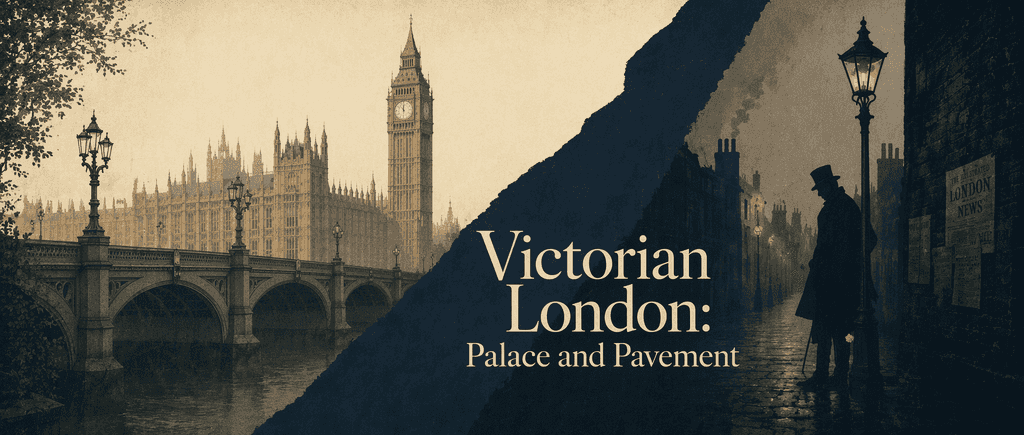
What does it mean to live in a world tearing itself apart? In 1775, London and Paris stood as twin reflections of dysfunction-both magnificent and rotting from within. England's king and queen ruled with "large jaws and plain faces," while France's monarchs bore "large jaws and fair faces." This mockingly similar description reveals a shared blindness: both regimes convinced themselves things were "settled forever," even as warning signs flashed everywhere. London's streets crawled with armed robbers who terrorized even the Lord Mayor in broad daylight. Paris aristocrats required three servants just to prepare morning chocolate-one to pour, one to stir, one to present. Meanwhile, a nobleman's carriage struck and killed a child, and the Marquis tossed a gold coin as compensation for the "inconvenience" before driving away. A woman stood watching, knitting silently, her eyes never leaving him. Her name was Madame Defarge, and she was recording everything. This wasn't just inequality-it was a powder keg awaiting a spark.